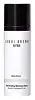
This moisturizer is formulated around Butyrospermum Parkii Butter and Sodium Hyaluronate to hydrate skin.
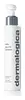
This glycolic acid gel cleanser is formulated around Glycolic Acid to exfoliate and smooth skin.

What's inside
What's inside
 Key Ingredients
Benefits
Concerns
Ingredients Side-by-side
Water
Skin ConditioningNeopentyl Glycol Diheptanoate
EmollientPEG-4 Diheptanoate
EmulsifyingGlycerin
Humectant


Bis-Diglyceryl Polyacyladipate-2
Emollient

Pentaerythrityl Tetraethylhexanoate
Emollient
Butyrospermum Parkii Butter
Skin Conditioning


Phenyl Trimethicone
Skin Conditioning
Polyethylene
Abrasive
Cetearyl Alcohol
Emollient

Dimethicone
Emollient
Tocopheryl Acetate
Antioxidant


Cetyl Alcohol
Emollient
Glyceryl Stearate
Emollient
Oenothera Biennis Oil
Emollient


Caffeine
Skin Conditioning
Rosmarinus Officinalis Leaf Oil
Masking
Anthemis Nobilis Flower Extract
Masking
Squalane
Emollient
Pelargonium Graveolens Flower Oil
Masking


Citrus Grandis Peel Oil
Masking
Epilobium Angustifolium Flower/Leaf/Stem Extract
Skin ConditioningCitrus Aurantium Amara Peel Oil
Skin Conditioning
Astrocaryum Murumuru Seed Butter
Emollient
Sodium Hyaluronate
Humectant
Sapindus Mukorossi Fruit Extract
Skin ConditioningCaesalpinia Spinosa Gum
Skin ConditioningMorinda Citrifolia Fruit Extract
Skin Conditioning
Hydroxyethyl Acrylate/Sodium Acryloyldimethyl Taurate Copolymer
Emulsion StabilisingSorbitan Stearate
Emulsifying
PEG-40 Stearate
Emulsifying
Butylene Glycol
Humectant
Dicetyl Phosphate
EmulsifyingCeteth-10 Phosphate
CleansingXanthan Gum
EmulsifyingLecithin
Emollient
Polysorbate 60
Emulsifying
Propylene Glycol Stearate
Skin Conditioning
Polysorbate 20
Emulsifying
Sorbitan Laurate
Emulsifying
Linalool
Perfuming
Geraniol
Perfuming
Citronellol
Perfuming
Limonene
Perfuming
Citral
Perfuming
Tin Oxide
Abrasive
Propylene Glycol Laurate
Skin ConditioningCoffea Arabica Seed Extract
Masking
Ethylhexylglycerin
Skin ConditioningPentaerythrityl Tetra-Di-T-Butyl Hydroxyhydrocinnamate
Antioxidant
Tetrasodium EDTA
ChelatingPhenoxyethanol
Preservative
Potassium Sorbate
Preservative
Mica
Cosmetic ColorantCI 77891
Cosmetic ColorantCI 75470
Cosmetic ColorantCI 77499
Cosmetic ColorantCI 77492
Cosmetic ColorantCI 77491
Cosmetic ColorantWater, Neopentyl Glycol Diheptanoate, PEG-4 Diheptanoate, Glycerin, Bis-Diglyceryl Polyacyladipate-2, Pentaerythrityl Tetraethylhexanoate, Butyrospermum Parkii Butter, Phenyl Trimethicone, Polyethylene, Cetearyl Alcohol, Dimethicone, Tocopheryl Acetate, Cetyl Alcohol, Glyceryl Stearate, Oenothera Biennis Oil, Caffeine, Rosmarinus Officinalis Leaf Oil, Anthemis Nobilis Flower Extract, Squalane, Pelargonium Graveolens Flower Oil, Citrus Grandis Peel Oil, Epilobium Angustifolium Flower/Leaf/Stem Extract, Citrus Aurantium Amara Peel Oil, Astrocaryum Murumuru Seed Butter, Sodium Hyaluronate, Sapindus Mukorossi Fruit Extract, Caesalpinia Spinosa Gum, Morinda Citrifolia Fruit Extract, Hydroxyethyl Acrylate/Sodium Acryloyldimethyl Taurate Copolymer, Sorbitan Stearate, PEG-40 Stearate, Butylene Glycol, Dicetyl Phosphate, Ceteth-10 Phosphate, Xanthan Gum, Lecithin, Polysorbate 60, Propylene Glycol Stearate, Polysorbate 20, Sorbitan Laurate, Linalool, Geraniol, Citronellol, Limonene, Citral, Tin Oxide, Propylene Glycol Laurate, Coffea Arabica Seed Extract, Ethylhexylglycerin, Pentaerythrityl Tetra-Di-T-Butyl Hydroxyhydrocinnamate, Tetrasodium EDTA, Phenoxyethanol, Potassium Sorbate, Mica, CI 77891, CI 75470, CI 77499, CI 77492, CI 77491
Water
Skin ConditioningCocamidopropyl Hydroxysultaine
Cleansing
Glycolic Acid
Buffering




Glycerin
Humectant
PEG-6 Cocamide
Emulsifying
Polyacrylate Crosspolymer-6
Emulsion StabilisingDisodium Cocoyl Glutamate
Cleansing
Hydroxyacetophenone
Antioxidant
Succinoglycan
Skin ConditioningSimmondsia Chinensis Seed Oil
Emollient
Calendula Officinalis Flower Extract
Masking
Citrus Aurantium Dulcis Peel Oil
Masking
Citrus Paradisi Peel Oil
Masking
Leuconostoc/Radish Root Ferment Filtrate
Antimicrobial
Urea
Buffering
Allantoin
Skin Conditioning
Polyquaternium-51
Skin Conditioning
Trehalose
Humectant
Caprylyl Glycol
Emollient
Sodium Hyaluronate
Humectant
Tocopherol
Antioxidant
Hydrogenated Palm Glycerides Citrate
Emollient
Glyceryl Oleate
Emollient
Coconut Acid
Cleansing
1,2-Hexanediol
Skin Conditioning
T-Butyl Alcohol
Perfuming
Coco-Glucoside
Cleansing
Sodium PCA
Humectant
Sodium Chloride
MaskingSodium Hydroxide
BufferingCitric Acid
Buffering
Potassium Sorbate
Preservative
Sodium Benzoate
Masking
Limonene
Perfuming
Water, Cocamidopropyl Hydroxysultaine, Glycolic Acid, Glycerin, PEG-6 Cocamide, Polyacrylate Crosspolymer-6, Disodium Cocoyl Glutamate, Hydroxyacetophenone, Succinoglycan, Simmondsia Chinensis Seed Oil, Calendula Officinalis Flower Extract, Citrus Aurantium Dulcis Peel Oil, Citrus Paradisi Peel Oil, Leuconostoc/Radish Root Ferment Filtrate, Urea, Allantoin, Polyquaternium-51, Trehalose, Caprylyl Glycol, Sodium Hyaluronate, Tocopherol, Hydrogenated Palm Glycerides Citrate, Glyceryl Oleate, Coconut Acid, 1,2-Hexanediol, T-Butyl Alcohol, Coco-Glucoside, Sodium PCA, Sodium Chloride, Sodium Hydroxide, Citric Acid, Potassium Sorbate, Sodium Benzoate, Limonene
Reviews
Ingredients Explained
These ingredients are found in both products.
Ingredients higher up in an ingredient list are typically present in a larger amount.
Glycerin (or glycerol) is a compound naturally found in your skin. It's a powerhouse humectant that pulls water into the stratum corneum.
Topically, glycerin does several things at once:
Your skin makes glycerin on its own (mostly from sebaceous oil breakdown) and shuttles it to your outermost layer of skin, or your epidermis, via aquaporin-3.
Aquaporin-3 is a transporter that is essential for normal skin hydration, elasticity, and repair. Interestingly, mice lacking in AQP3 have dry and less elastic skin that can be fully corrected with glycerin.
This ingredient is non-irritating, plays well with almost every ingredient, and works across all skin types. Typical use is anywhere between 3-10% but can go up to 79% in some leave-on products.
Just know very high concentrations (>40%) can feel tacky in low humidity.
Glycerin is the name for this ingredient in American English. British English uses Glycerol/Glycerine.
Learn more about GlycerinLimonene is the compound that gives citrus peel its smell.
In skincare, it shows up as a standalone fragrance ingredient or as a natural compound of citrus and other essential oils.
You'll typically see this ingredient used in very small amounts; anything above 0.001% in a leave-on product or 0.01% in a rinse-off has to be named on the label in the EU. The citrus oils that carry it sit around 0.5-1% in a finished formula.
Fresh limonene is a weak allergen; the real issue is that it slowly reacts with air and then breaks down from oxidation to create hydroperoxides (which are strong sensitizers). This is why suppliers are required to keep the peroxide value below 20 mmol.
Positive reactions in people being investigated for eczema vary:
It's worth skipping if you have a known fragrance allergy or a compromised barrier, but the risk is low for most people.
Older or long-opened products are also more likely to bother you than fresh ones due to oxidation.
Learn more about LimonenePotassium Sorbate is a preservative used to prevent yeast and mold in products. It is commonly found in both cosmetic and food products.
This ingredient comes from potassium salt derived from sorbic acid. Sorbic acid is a natural antibiotic and effective against fungus.
Both potassium sorbate and sorbic acid can be found in baked goods, cheeses, dried meats, dried fruit, ice cream, pickles, wine, yogurt, and more.
You'll often find this ingredient used with other preservatives.
Learn more about Potassium SorbateSodium Hyaluronate is the salt form of hyaluronic acid. It is a long sugar chain that is naturally found in your skin, joints, and connective tissue that maintains hydration and elasticity.
In skincare, it works as a humectant. It pulls water from the environment and deeper layers of skin and binds it to the surface.
Interestingly, the size of the molecule affects its behavior:
Some clinical evidence links low molecular weight versions to improved wrinkle depth, elasticity, anti-inflammatory effects, and barrier repair.
Many serums use a blend of both weights so you can get surface hydration plus longer-lasting and deeper effects.
You'll typically see concentrations between 0.1-2% for this ingredient.
Learn more about Sodium HyaluronateWater. It's the most common cosmetic ingredient of all. You'll usually see it at the top of ingredient lists, meaning that it makes up the largest part of the product.
So why is it so popular? Water most often acts as a solvent - this means that it helps dissolve other ingredients into the formulation.
You'll also recognize water as that liquid we all need to stay alive. If you see this, drink a glass of water. Remember to stay hydrated!
Learn more about Water

