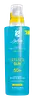
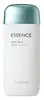
BioNike Defence Sun Fluid Lotion SPF 50+ Versus Missha All Around Safe Block Essence Sun Milk SPF50+/PA+++
This chemical sunscreen covers the full UV range and blocks ~98% of UVB at SPF 50.
This chemical sunscreen covers the full UV range and blocks ~98% of UVB at SPF 50.


What's inside
What's inside
 Key Ingredients
Benefits
Concerns
No concerns
Ingredients Side-by-side
Water
Skin ConditioningC12-15 Alkyl Benzoate
AntimicrobialDibutyl Adipate
EmollientCaprylic/Capric Triglyceride
Masking


Diethylamino Hydroxybenzoyl Hexyl Benzoate
UV Filter
1,5-Pentanediol
SolventEthylhexyl Triazone
UV Absorber
Triacontanyl Pvp
HumectantBis-Ethylhexyloxyphenol Methoxyphenyl Triazine
UV Absorber
Aluminum Starch Octenylsuccinate
Absorbent
Dicaprylyl Carbonate
EmollientPoloxamer 407
EmulsifyingLactobacillus Ferment
Skin Conditioning
Sodium Stearoyl Glutamate
CleansingNiacinamide
Smoothing








Acrylates/C12-22 Alkyl Methacrylate Copolymer
Tocopheryl Acetate
Antioxidant

Caprylyl Glycol
Emollient
Sodium Carboxymethyl Beta-Glucan
CleansingCarnosine
Skin Conditioning
Ethylhexylglycerin
Skin ConditioningDimethicone
Emollient
PPG-12/Smdi Copolymer
EmollientPanthenol
Skin Conditioning
Allantoin
Skin Conditioning
Caprylhydroxamic Acid
ChelatingGlycerin
Humectant
Lactic Acid
Buffering



Hydroxypropyl Methylcellulose
Emulsion StabilisingArginine
Masking
Coco-Glucoside
Cleansing
Xanthan Gum
EmulsifyingDisodium Lauryl Sulfosuccinate
CleansingPentylene Glycol
Skin Conditioning
Trisodium Ethylenediamine Disuccinate
ChelatingWater, C12-15 Alkyl Benzoate, Dibutyl Adipate, Caprylic/Capric Triglyceride, Diethylamino Hydroxybenzoyl Hexyl Benzoate, 1,5-Pentanediol, Ethylhexyl Triazone, Triacontanyl Pvp, Bis-Ethylhexyloxyphenol Methoxyphenyl Triazine, Aluminum Starch Octenylsuccinate, Dicaprylyl Carbonate, Poloxamer 407, Lactobacillus Ferment, Sodium Stearoyl Glutamate, Niacinamide, Acrylates/C12-22 Alkyl Methacrylate Copolymer, Tocopheryl Acetate, Caprylyl Glycol, Sodium Carboxymethyl Beta-Glucan, Carnosine, Ethylhexylglycerin, Dimethicone, PPG-12/Smdi Copolymer, Panthenol, Allantoin, Caprylhydroxamic Acid, Glycerin, Lactic Acid, Hydroxypropyl Methylcellulose, Arginine, Coco-Glucoside, Xanthan Gum, Disodium Lauryl Sulfosuccinate, Pentylene Glycol, Trisodium Ethylenediamine Disuccinate
Water
Skin ConditioningButylene Glycol
Humectant
Alcohol Denat.
Antimicrobial

Ethylhexyl Methoxycinnamate
UV Absorber
Octocrylene
UV Absorber
Ethylhexyl Salicylate
UV Absorber
Butyl Methoxydibenzoylmethane
UV Absorber
Helichrysum Arenarium Extract
AntiseborrhoeicMethyl Methacrylate Crosspolymer
Bis-Ethylhexyloxyphenol Methoxyphenyl Triazine
UV Absorber
Silica
Abrasive
Althaea Rosea Root Extract
HumectantCaprylyl Glycol
Emollient
Glycerin
Humectant
Nylon-12
Ethylhexylglycerin
Skin ConditioningParfum
Masking

Nelumbo Nucifera Flower Extract
Skin ConditioningPortulaca Oleracea Extract
Skin Conditioning
Limonia Acidissima Extract
Skin ConditioningDimethicone
Emollient
Acrylates/C10-30 Alkyl Acrylate Crosspolymer
Emulsion Stabilising1,2-Hexanediol
Skin Conditioning
BHT
Antioxidant
Disodium EDTA
ChelatingPhenoxyethanol
Preservative
Sodium Hydroxide
BufferingRosa Davurica Bud Extract
Antioxidant
Potassium Sorbate
Preservative
Pentylene Glycol
Skin Conditioning
Chrysanthemum Indicum Flower Extract
Skin Conditioning
Camellia Japonica Flower Extract
EmollientVp/Hexadecene Copolymer
Psidium Guajava Leaf Extract
AstringentAbronia Villosa Leaf Extract
Skin ConditioningAloe Barbadensis Leaf Extract
Emollient
Cinchona Succirubra Bark Extract
Skin ConditioningPrunus Mume Flower Extract
Skin ConditioningCyclopentasiloxane
Emollient
Salvia Officinalis Water
Skin ConditioningCalendula Officinalis Flower Water
Masking
Pelargonium Graveolens Flower Water
AstringentAcrylates/Dimethicone Copolymer
Skin Conditioning
Camellia Sinensis Leaf Extract
Antimicrobial
Rhodiola Rosea Root Extract
EmollientMorus Alba Fruit Extract
Antioxidant
Diospyros Kaki Leaf Extract
Skin Protecting
Pueraria Lobata Root Extract
HumectantCinnamomum Cassia Bark Extract
Masking
Artemisia Princeps Leaf Extract
Skin ConditioningMethoxy PEG/PPG-25/4 Dimethicone
Emulsifying
Bis-PEG/PPG-20/5 PEG/PPG-20/5 Dimethicone
Emulsifying
Caprylic/Capric Triglyceride
Masking
Caprylyl Methicone
Skin Conditioning
Betaine
Humectant
Water, Butylene Glycol, Alcohol Denat., Ethylhexyl Methoxycinnamate, Octocrylene, Ethylhexyl Salicylate, Butyl Methoxydibenzoylmethane, Helichrysum Arenarium Extract, Methyl Methacrylate Crosspolymer, Bis-Ethylhexyloxyphenol Methoxyphenyl Triazine, Silica, Althaea Rosea Root Extract, Caprylyl Glycol, Glycerin, Nylon-12, Ethylhexylglycerin, Parfum, Nelumbo Nucifera Flower Extract, Portulaca Oleracea Extract, Limonia Acidissima Extract, Dimethicone, Acrylates/C10-30 Alkyl Acrylate Crosspolymer, 1,2-Hexanediol, BHT, Disodium EDTA, Phenoxyethanol, Sodium Hydroxide, Rosa Davurica Bud Extract, Potassium Sorbate, Pentylene Glycol, Chrysanthemum Indicum Flower Extract, Camellia Japonica Flower Extract, Vp/Hexadecene Copolymer, Psidium Guajava Leaf Extract, Abronia Villosa Leaf Extract, Aloe Barbadensis Leaf Extract, Cinchona Succirubra Bark Extract, Prunus Mume Flower Extract, Cyclopentasiloxane, Salvia Officinalis Water, Calendula Officinalis Flower Water, Pelargonium Graveolens Flower Water, Acrylates/Dimethicone Copolymer, Camellia Sinensis Leaf Extract, Rhodiola Rosea Root Extract, Morus Alba Fruit Extract, Diospyros Kaki Leaf Extract, Pueraria Lobata Root Extract, Cinnamomum Cassia Bark Extract, Artemisia Princeps Leaf Extract, Methoxy PEG/PPG-25/4 Dimethicone, Bis-PEG/PPG-20/5 PEG/PPG-20/5 Dimethicone, Caprylic/Capric Triglyceride, Caprylyl Methicone, Betaine
Reviews
Ingredients Explained
These ingredients are found in both products.
Ingredients higher up in an ingredient list are typically present in a larger amount.
This ingredient is better known as bemotrizinol or Tinosorb S and is one of the best broad-spectrum UV filters in modern sunscreen.
It works by absorbing UV light across a whole range (280-400 nm) with peaks around 310 nm (UVB) and 340-345 nm (UVA). This means it covers UVB plus the deeper UVA wavelengths that drive photoaging and pigmentation.
Another pro?
It's exceptionally photostable, barely degrades in sunlight, and acts as a "bodyguard" for less stable filters.
That's why you'll see it paired with avobenzone or octinoxate; this team up ensures they keep working through sun exposure.
Safety reviews have been reassuring across the board. This ingredient shows low absorption through the skin, rarely irritates, and lab studies found it doesn't act like a hormone in the body (a concern that's been raised about some older sunscreen filters).
On maximum concentrations:
In 2026, the US F.D.A finally added it as an OTC sunscreen ingredient at concentrations up to 6% for adults / children 6 months and older
Learn more about Bis-Ethylhexyloxyphenol Methoxyphenyl TriazineCaprylic/Capric Triglyceride (aka MCT Oil) is a lightweight emollient, solvent, and texture enhancer. It is considered a skin-softener by helping to prevent moisture loss.
Though it behaves like an oil, it is not technically one due to its chemical composition. One perk of this ingredient is that it is very stable, resistant to oxidation, and unlikely to go rancid.
In practice, that translates to a long shelf life and a consistently elegant skin feel.
While there is an assumption Caprylic Triglyceride can clog pores due to it being derived from coconut oil, there is no research supporting this. Just patch test if you have concerns.
Fractionated coconut oil and MCT Oil are both listed as Caprylic/Capric Triglyceride according to INCI. This is because INCI names are based on the ingredient’s final chemical composition and not its marketing name or source.
This ingredient is treated as the gold standard fungal acne safe oil. Even though it is coconut derived, the problematic lauric acid is stripped out.
This leaves just caprylic (C8) and capric (C10) acid. These chain lengths actually trend antifungal; a 2020 study found caprylic acid was enough to disrupt Malassezia furfur cell membrane, with a caprylic acid derivative damaging membrane structures at concentrations as low as 0.2%.
Learn more about Caprylic/Capric TriglycerideCaprylyl Glycol is a humectant, skin conditioner, emollient, and preservative booster derived from either caprylic acid or synthetically created.
Typical use levels vary from 0.3-1% as a preservative booster and go up to 2% to condition skin.
Because it is not a free-fatty acid, this ingredient is fungal acne safe (there's nothing for Malassezia to feed on).
Learn more about Caprylyl GlycolDimethicone is a type of synthetic silicone created from natural materials such as quartz. It is also known as polydimethylsiloxane.
What it does:
Dimethicone comes in different viscosities:
Depending on the viscosity, dimethicone has different properties.
Ingredients lists don't always show which type is used, so we recommend reaching out to the brand if you have questions about the viscosity.
This ingredient is unlikely to cause irritation because it does not get absorbed into skin. However, people with silicone allergies should be careful about using this ingredient.
Note: Dimethicone may contribute to pilling. This is because it is not oil or water soluble, so pilling may occur when layered with products. When mixed with heavy oils in a formula, the outcome is also quite greasy.
Learn more about DimethiconeEthylhexylglycerin is created from glycerin. It is a multitasker ingredient that:
The CIR Expert Panel found minimal skin absorption or sensitization of any kind in a safety assessment. Though this ingredient is considered well-tolerated, a small number of cases of allergic dermatitis have been published since 2002. Just be sure to patch test if you are unsure.
Industry-reported use ranges from 8% in rinse-off products and 2% in leave-on formulations.
Learn more about EthylhexylglycerinGlycerin (or glycerol) is a compound naturally found in your skin. It's a powerhouse humectant that pulls water into the stratum corneum.
Topically, glycerin does several things at once:
Your skin makes glycerin on its own (mostly from sebaceous oil breakdown) and shuttles it to your outermost layer of skin, or your epidermis, via aquaporin-3.
Aquaporin-3 is a transporter that is essential for normal skin hydration, elasticity, and repair. Interestingly, mice lacking in AQP3 have dry and less elastic skin that can be fully corrected with glycerin.
This ingredient is non-irritating, plays well with almost every ingredient, and works across all skin types. Typical use is anywhere between 3-10% but can go up to 79% in some leave-on products.
Just know very high concentrations (>40%) can feel tacky in low humidity.
Glycerin is the name for this ingredient in American English. British English uses Glycerol/Glycerine.
Learn more about GlycerinPentylene Glycol (1,2-pentanediol) is a multitasking little diol with three main roles in a formula:
Research on alkanediols (the family pentylene glycol belongs to) show they work by disrupting microbial cell membranes. This disruption helps the primary preservative system in a product work more effectively at lower doses.
On the safety side, the Cosmetic Ingredient Review Expert Panel has concluded this ingredient to be safe as used in current cosmetic practices + concentrations.
Typical use levels in a formula run about 1-5%.
Learn more about Pentylene GlycolWater. It's the most common cosmetic ingredient of all. You'll usually see it at the top of ingredient lists, meaning that it makes up the largest part of the product.
So why is it so popular? Water most often acts as a solvent - this means that it helps dissolve other ingredients into the formulation.
You'll also recognize water as that liquid we all need to stay alive. If you see this, drink a glass of water. Remember to stay hydrated!
Learn more about Water

