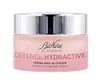
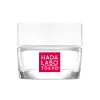
BioNike Defence Hydractive Hydro-Nourishing Cream Versus Hada Labo Mega Illuminating Moisturizer Cream
This barrier-repair moisturizer is formulated around Simmondsia Chinensis Seed Oil and Carnosine to strengthen the skin barrier and hydrate skin.
This brightening moisturizer is formulated around Tranexamic Acid and Dipotassium Glycyrrhizate to brighten dull-looking skin and fade the look of dark spots.


What's inside
What's inside
 Key Ingredients
Benefits
Concerns
Ingredients Side-by-side
Water
Skin ConditioningGlycerin
Humectant


Cyclopentasiloxane
Emollient
Diglycerin
Humectant
Ethylhexyl Palmitate
Emollient




Simmondsia Chinensis Seed Oil
Emollient
Bis-Diglyceryl Polyacyladipate-2
Emollient
Glyceryl Stearate
Emollient
Isopropyl Palmitate
Emollient
Imperata Cylindrica Root Extract
Skin ConditioningCarnosine
Skin Conditioning
Butyrospermum Parkii Butter
Skin Conditioning
Cetearyl Alcohol
Emollient

PEG-100 Stearate
Surfactant
Caprylyl Glycol
Emollient
Sorbitol
Humectant
Bis-PEG-18 Methyl Ether Dimethyl Silane
EmollientAcrylates/C10-30 Alkyl Acrylate Crosspolymer
Emulsion StabilisingSodium PCA
Humectant
Butylene Glycol
Humectant
Ammonium Acryloyldimethyltaurate/Vp Copolymer
Acrylamide/Sodium Acryloyldimethyltaurate Copolymer
Emulsion StabilisingDimethiconol
Emollient
Dimethicone
Emollient
C13-14 Isoparaffin
Emollient
Glutamine
Skin ConditioningCistus Incanus Flower/Leaf/Stem Extract
Skin ConditioningGynostemma Pentaphyllum Leaf/Stem Extract
Antioxidant
Sodium Hyaluronate
Humectant

Hyaluronic Acid
Humectant
Hydrolyzed Hyaluronic Acid
Humectant
Ceramide Ns
Skin Conditioning
Rosa Centifolia Flower Water
Skin ConditioningSodium Lactate
Buffering
Trehalose
Humectant
Phytosterols
Skin Conditioning
Sclerotium Gum
Emulsion StabilisingCarbomer
Emulsion StabilisingCitric Acid
Buffering

PEG-8
HumectantAlteromonas Ferment Filtrate
HumectantCaprylhydroxamic Acid
ChelatingLaureth-7
EmulsifyingHydrogenated Lecithin
Emulsifying
Decyl Glucoside
Cleansing
Octyldodecanol
Emollient
Trihydroxystearin
Skin Conditioning
Glucomannan
Skin ConditioningTrisodium Ethylenediamine Disuccinate
ChelatingWater, Glycerin, Cyclopentasiloxane, Diglycerin, Ethylhexyl Palmitate, Simmondsia Chinensis Seed Oil, Bis-Diglyceryl Polyacyladipate-2, Glyceryl Stearate, Isopropyl Palmitate, Imperata Cylindrica Root Extract, Carnosine, Butyrospermum Parkii Butter, Cetearyl Alcohol, PEG-100 Stearate, Caprylyl Glycol, Sorbitol, Bis-PEG-18 Methyl Ether Dimethyl Silane, Acrylates/C10-30 Alkyl Acrylate Crosspolymer, Sodium PCA, Butylene Glycol, Ammonium Acryloyldimethyltaurate/Vp Copolymer, Acrylamide/Sodium Acryloyldimethyltaurate Copolymer, Dimethiconol, Dimethicone, C13-14 Isoparaffin, Glutamine, Cistus Incanus Flower/Leaf/Stem Extract, Gynostemma Pentaphyllum Leaf/Stem Extract, Sodium Hyaluronate, Hyaluronic Acid, Hydrolyzed Hyaluronic Acid, Ceramide Ns, Rosa Centifolia Flower Water, Sodium Lactate, Trehalose, Phytosterols, Sclerotium Gum, Carbomer, Citric Acid, PEG-8, Alteromonas Ferment Filtrate, Caprylhydroxamic Acid, Laureth-7, Hydrogenated Lecithin, Decyl Glucoside, Octyldodecanol, Trihydroxystearin, Glucomannan, Trisodium Ethylenediamine Disuccinate
Water
Skin ConditioningDipropylene Glycol
HumectantHydrogenated Poly(C6-12 Olefin)
Skin ConditioningPentylene Glycol
Skin Conditioning
Diglycerin
Humectant
Tranexamic Acid
Astringent

Butyrospermum Parkii Butter
Skin Conditioning
Sodium Hyaluronate
Humectant
Hydrolyzed Hyaluronic Acid
Humectant
Caprylic/Capric Triglyceride
Masking
Dipotassium Glycyrrhizate
Humectant
Limnanthes Alba Seed Oil
Skin Conditioning
Dimethicone
Emollient
Octadecyl Di-T-Butyl-4-Hydroxyhydrocinnamate
Antioxidant
Glyceryl Stearate
Emollient
PEG-20 Sorbitan Isostearate
Emulsifying
Carbomer
Emulsion StabilisingTocopherol
Antioxidant
Stearyl Alcohol
Emollient
Disodium EDTA
ChelatingHydroxyethylcellulose
Emulsion StabilisingBehenyl Alcohol
Emollient
Phenoxyethanol
Preservative
Water, Dipropylene Glycol, Hydrogenated Poly(C6-12 Olefin), Pentylene Glycol, Diglycerin, Tranexamic Acid, Butyrospermum Parkii Butter, Sodium Hyaluronate, Hydrolyzed Hyaluronic Acid, Caprylic/Capric Triglyceride, Dipotassium Glycyrrhizate, Limnanthes Alba Seed Oil, Dimethicone, Octadecyl Di-T-Butyl-4-Hydroxyhydrocinnamate, Glyceryl Stearate, PEG-20 Sorbitan Isostearate, Carbomer, Tocopherol, Stearyl Alcohol, Disodium EDTA, Hydroxyethylcellulose, Behenyl Alcohol, Phenoxyethanol
Reviews
Ingredients Explained
These ingredients are found in both products.
Ingredients higher up in an ingredient list are typically present in a larger amount.
This ingredient is also known as shea butter. It is a plant-derived extract from the nuts of the Africa shea tree and one of the most well-studied emollients.
Because it has a high concentration of fatty acids (primarily oleic, stearic, and linoleic) it is able to form a protective barrier on the skin's surface. This helps seal in moisture and prevents transepidermal water loss (TEWL).
In vitro research found an increase in skin hydration by 58% and a decrease in TEWL by 37.8% after 24 hours of applying this ingredient (pretty impressive for a single ingredient!).
Besides hydration, shea butter also contains triterpenes that have anti-inflammatory potential. In particule, lupeol cinnamate has shown the highest anti-inflammatory activity in vivo.
Shea butter also contains vitamins A and E which may contribute to antioxidant activity.
While Shea Butter has an SPF rating of about 3-4, it is not a sunscreen replacement.
This ingredient may not be fungal acne safe because its fatty acids fall within the C11-C24 range that the Malassezia yeast can metabolize.
This ingredient shows up on a lot of "pore-clogging" lists but there's no real evidence behind that. It doesn't even have a comedogenic rating from an actual study; the numbers you'll find online come from blogs citing other blogs.
Ratings for other ingredients mostly come from a 1980s rabbit ear test. This test doesn't translate well to human skin or to real products because the ingredient sits at a much lower percentage.
Some people still find it breaks them out. So if that's you, definitely trust your skin. Just know this one's based on experience and not evidence.
Learn more about Butyrospermum Parkii ButterCarbomer is a synthetic thickening and gelling agent. It's basically the ingredient that gives a lot of serums, gels, creams, and sunscreens their smooth, non-sticky texture.
Although legally permitted at very high levels, carbomers are normally used at concentrations below 1%.
It also needs to be neutralized to actually thicken, and because it is a large molecule, it doesn't really penetrate the skin barrier.
Allergy-wise, the risk is very low. Clinical studies show carbomers have low potential for skin irritation/sensitization even at concentrations up to 100%.
A 2024 UK study patch-tested 1,302 patients and found true allergy to the parent group of carbomer to be rare with no confirmed relevant reactions.
Learn more about CarbomerDiglycerin is a humectant. It is derived from glycerin, which is naturally found in your skin.
As a humectant, it helps draw moisture to the skin from the air.
Dimethicone is a type of synthetic silicone created from natural materials such as quartz. It is also known as polydimethylsiloxane.
What it does:
Dimethicone comes in different viscosities:
Depending on the viscosity, dimethicone has different properties.
Ingredients lists don't always show which type is used, so we recommend reaching out to the brand if you have questions about the viscosity.
This ingredient is unlikely to cause irritation because it does not get absorbed into skin. However, people with silicone allergies should be careful about using this ingredient.
Note: Dimethicone may contribute to pilling. This is because it is not oil or water soluble, so pilling may occur when layered with products. When mixed with heavy oils in a formula, the outcome is also quite greasy.
Learn more about DimethiconeGlyceryl Stearate is made by reacting glycerin with stearic acid (typically sourced from plant oils like palm or coconut). It's an emulsifier, emollient, and mild occlusive.
Emulsifiers help ingredients like oil and water stay mixed so your formula stays nicely blended and uniform in texture.
This ingredient is typically used in concentrations between 1-10%. Studies have found it to be non-sensitizing, non-phototoxic, and non-photoallergenic.
A close cousin of this ingredient is Glyceryl Stearate SE ("self-emulsifying"). This just has a small amount of sodium or potassium stearate added so it can emulsify without a co-emulsifier.
Since this ingredient is an ester of a C18 fatty acid, it may not be fungal acne safe. The Malassezia yeast can potentially metabolize within the C11-C24 range.
Fun fact: The human body also creates Glyceryl Stearate naturally.
Learn more about Glyceryl StearateHydrolyzed Hyaluronic Acid is hyaluronic acid (HA) that is broken down into lower molecular weight fragments.
It's a humectant that pulls and holds water in the skin to help with hydration, plumpness, and reduce transepidermal water loss.
Because hydrolyzed hyaluronic acid is smaller in size, it can slip past your outermost layer of skin more easily than full-sized HA.
Most formulations will combine all sizes to get the best of both worlds.
Typical usage levels range from 0.01-1%. Any percentage higher than 2% might become goopy and tacky.
Learn more about Hydrolyzed Hyaluronic AcidSodium Hyaluronate is the salt form of hyaluronic acid. It is a long sugar chain that is naturally found in your skin, joints, and connective tissue that maintains hydration and elasticity.
In skincare, it works as a humectant. It pulls water from the environment and deeper layers of skin and binds it to the surface.
Interestingly, the size of the molecule affects its behavior:
Some clinical evidence links low molecular weight versions to improved wrinkle depth, elasticity, anti-inflammatory effects, and barrier repair.
Many serums use a blend of both weights so you can get surface hydration plus longer-lasting and deeper effects.
You'll typically see concentrations between 0.1-2% for this ingredient.
Learn more about Sodium HyaluronateWater. It's the most common cosmetic ingredient of all. You'll usually see it at the top of ingredient lists, meaning that it makes up the largest part of the product.
So why is it so popular? Water most often acts as a solvent - this means that it helps dissolve other ingredients into the formulation.
You'll also recognize water as that liquid we all need to stay alive. If you see this, drink a glass of water. Remember to stay hydrated!
Learn more about Water

