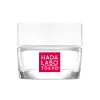
Hada Labo Mega Illuminating Moisturizer Cream Versus Skinable By CV 3% Feuchtigkeitskomplex Pure Hydration Creme
This brightening moisturizer is formulated around Tranexamic Acid and Dipotassium Glycyrrhizate to brighten dull-looking skin and fade the look of dark spots.


What's inside
What's inside
 Key Ingredients
Benefits
Concerns
Ingredients Side-by-side
Water
Skin ConditioningDipropylene Glycol
HumectantHydrogenated Poly(C6-12 Olefin)
Skin ConditioningPentylene Glycol
Skin Conditioning
Diglycerin
Humectant
Tranexamic Acid
Astringent




Butyrospermum Parkii Butter
Skin Conditioning




Sodium Hyaluronate
Humectant

Hydrolyzed Hyaluronic Acid
Humectant
Caprylic/Capric Triglyceride
Masking
Dipotassium Glycyrrhizate
Humectant
Limnanthes Alba Seed Oil
Skin Conditioning
Dimethicone
Emollient
Octadecyl Di-T-Butyl-4-Hydroxyhydrocinnamate
Antioxidant
Glyceryl Stearate
Emollient
PEG-20 Sorbitan Isostearate
Emulsifying
Carbomer
Emulsion StabilisingTocopherol
Antioxidant
Stearyl Alcohol
Emollient
Disodium EDTA
ChelatingHydroxyethylcellulose
Emulsion StabilisingBehenyl Alcohol
Emollient
Phenoxyethanol
Preservative
Water, Dipropylene Glycol, Hydrogenated Poly(C6-12 Olefin), Pentylene Glycol, Diglycerin, Tranexamic Acid, Butyrospermum Parkii Butter, Sodium Hyaluronate, Hydrolyzed Hyaluronic Acid, Caprylic/Capric Triglyceride, Dipotassium Glycyrrhizate, Limnanthes Alba Seed Oil, Dimethicone, Octadecyl Di-T-Butyl-4-Hydroxyhydrocinnamate, Glyceryl Stearate, PEG-20 Sorbitan Isostearate, Carbomer, Tocopherol, Stearyl Alcohol, Disodium EDTA, Hydroxyethylcellulose, Behenyl Alcohol, Phenoxyethanol
Water
Skin ConditioningGlycerin
Humectant
Macadamia Integrifolia Seed Oil
Skin Conditioning
Squalane
Emollient
Dicaprylyl Carbonate
EmollientCetearyl Alcohol
Emollient
Hydrogenated Vegetable Glycerides
EmollientPotassium Cetyl Phosphate
EmulsifyingSesamum Indicum Seed Oil
Emollient
Lithothamnion Calcareum Extract
Skin ConditioningHelianthus Annuus Seed Oil
Emollient
Panthenol
Skin Conditioning
Betaine
Humectant
Sodium PCA
Humectant
Sodium Lactate
Buffering
Pentylene Glycol
Skin Conditioning
Tocopherol
Antioxidant
PCA
Humectant
Lactic Acid
Buffering




Glycine
Buffering
Serine
Masking
Alanine
Masking
Glutamic Acid
Humectant
Lysine Hcl
Skin Conditioning
Threonine
Arginine
Masking
Fructose
Humectant
Inositol
Humectant
Niacinamide
Smoothing

Urea
Buffering
Proline
Skin Conditioning
Hydrogenated Palm Glycerides
Emollient
Xanthan Gum
EmulsifyingAmylopectin
Ethylhexylglycerin
Skin ConditioningSodium Hydroxide
BufferingPantolactone
Humectant
Citric Acid
Buffering
Phenoxyethanol
Preservative
Sodium Benzoate
Masking
Potassium Sorbate
Preservative
Water, Glycerin, Macadamia Integrifolia Seed Oil, Squalane, Dicaprylyl Carbonate, Cetearyl Alcohol, Hydrogenated Vegetable Glycerides, Potassium Cetyl Phosphate, Sesamum Indicum Seed Oil, Lithothamnion Calcareum Extract, Helianthus Annuus Seed Oil, Panthenol, Betaine, Sodium PCA, Sodium Lactate, Pentylene Glycol, Tocopherol, PCA, Lactic Acid, Glycine, Serine, Alanine, Glutamic Acid, Lysine Hcl, Threonine, Arginine, Fructose, Inositol, Niacinamide, Urea, Proline, Hydrogenated Palm Glycerides, Xanthan Gum, Amylopectin, Ethylhexylglycerin, Sodium Hydroxide, Pantolactone, Citric Acid, Phenoxyethanol, Sodium Benzoate, Potassium Sorbate
Reviews
Ingredients Explained
These ingredients are found in both products.
Ingredients higher up in an ingredient list are typically present in a larger amount.
Pentylene Glycol (1,2-pentanediol) is a multitasking little diol with three main roles in a formula:
Research on alkanediols (the family pentylene glycol belongs to) show they work by disrupting microbial cell membranes. This disruption helps the primary preservative system in a product work more effectively at lower doses.
On the safety side, the Cosmetic Ingredient Review Expert Panel has concluded this ingredient to be safe as used in current cosmetic practices + concentrations.
Typical use levels in a formula run about 1-5%.
Learn more about Pentylene GlycolPhenoxyethanol is one of the most widely used preservatives in skincare (and for good reason!).
It has a large spectrum of antimicrobial activity and especially effective bacteria, yeast, and mold while only having a weak effect on your skin's natural microbiome.
On a cellular level, it disrupts the cell membranes of microbes by poking holes that make the cell leak. This shuts down the chemical reactions the microbe needs to make energy so it can no longer survive.
Another perk of this ingredient is that it stays functional across a wide pH range (3-10).
You'll often see it paired with boosters like Ethylhexylglycerin; one study showed that a 1:9 ratio of Ethylhexylglycerin to Phenoxyethanol damages bacterial membranes as effectively as doubling the Phenoxyethanol concentration on its own.
Typical use concentrations range from 0.3-1% depending on the formula, and this ingredient is capped at 1% int the EU.
Safety-wise, the fear mongering does not hold up to the evidence. The EU's Scientific Committee on Consumer Safety and FDA consider it safe as a preservative at up to 1%, including for children of all ages.
Adverse systemic effects only showed up in animal studies at exposures roughly 200x higher than what people get from cosmetics. And despite its very widespread use, this ingredient is a rare sensitizer and allergic reactions are uncommon.
Learn more about PhenoxyethanolTocopherol is a fat-soluble antioxidant known as Vitamin E.
You'll find this ingredient in the vast majority of skincare (for good reason). It works to neutralize free radicals, or unstable molecules generated by UV exposure, pollution, and other environmental stressors, before they can cause oxidative damage to your skin cells.
Topically applied tocopherol has been shown to protect against UV damage by ramping up the skin's own natural defense enzymes.
It also acts as a skin conditioning agent; some studies show that regular topical use can improve the skin's water-binding capacity over 2-4 weeks.
This ingredient is especially loved for being a team player. When combined with Vitamin C, the photoprotective effect of both ingredients roughly doubles and the combo also helps reduce UV-induced DNA damage.
This ingredient has some brightening potential but it's more of a prevention ingredient than spot-fader. Cell studies show it can slow down melanin production but it's worth noting that it's not the most powerful brightener out there.
In formulations, it also serves as a stabilizer that helps protect other oxidation-prone ingredients from degrading.
Concentrations usually range from 0.1-1% in most leave-on products.
Learn more about TocopherolWater. It's the most common cosmetic ingredient of all. You'll usually see it at the top of ingredient lists, meaning that it makes up the largest part of the product.
So why is it so popular? Water most often acts as a solvent - this means that it helps dissolve other ingredients into the formulation.
You'll also recognize water as that liquid we all need to stay alive. If you see this, drink a glass of water. Remember to stay hydrated!
Learn more about Water

