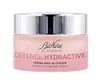
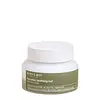
BioNike Defence Hydractive Hydro-Nourishing Cream Versus Mary & May Sensitive Soothing Gel Blemish Cream
This barrier-repair moisturizer is formulated around Simmondsia Chinensis Seed Oil and Carnosine to strengthen the skin barrier and hydrate skin.
This calming day moisturizer is formulated around Houttuynia Cordata Extract and Panthenol to calm redness.


What's inside
What's inside
 Key Ingredients
Benefits
Concerns
Ingredients Side-by-side
Water
Skin ConditioningGlycerin
Humectant


Cyclopentasiloxane
Emollient
Diglycerin
Humectant
Ethylhexyl Palmitate
Emollient




Simmondsia Chinensis Seed Oil
Emollient
Bis-Diglyceryl Polyacyladipate-2
Emollient
Glyceryl Stearate
Emollient
Isopropyl Palmitate
Emollient
Imperata Cylindrica Root Extract
Skin ConditioningCarnosine
Skin Conditioning
Butyrospermum Parkii Butter
Skin Conditioning
Cetearyl Alcohol
Emollient

PEG-100 Stearate
Surfactant
Caprylyl Glycol
Emollient
Sorbitol
Humectant
Bis-PEG-18 Methyl Ether Dimethyl Silane
EmollientAcrylates/C10-30 Alkyl Acrylate Crosspolymer
Emulsion StabilisingSodium PCA
Humectant
Butylene Glycol
Humectant
Ammonium Acryloyldimethyltaurate/Vp Copolymer
Acrylamide/Sodium Acryloyldimethyltaurate Copolymer
Emulsion StabilisingDimethiconol
Emollient
Dimethicone
Emollient
C13-14 Isoparaffin
Emollient
Glutamine
Skin ConditioningCistus Incanus Flower/Leaf/Stem Extract
Skin ConditioningGynostemma Pentaphyllum Leaf/Stem Extract
Antioxidant
Sodium Hyaluronate
Humectant

Hyaluronic Acid
Humectant
Hydrolyzed Hyaluronic Acid
Humectant
Ceramide Ns
Skin Conditioning
Rosa Centifolia Flower Water
Skin ConditioningSodium Lactate
Buffering
Trehalose
Humectant
Phytosterols
Skin Conditioning
Sclerotium Gum
Emulsion StabilisingCarbomer
Emulsion StabilisingCitric Acid
Buffering

PEG-8
HumectantAlteromonas Ferment Filtrate
HumectantCaprylhydroxamic Acid
ChelatingLaureth-7
EmulsifyingHydrogenated Lecithin
Emulsifying
Decyl Glucoside
Cleansing
Octyldodecanol
Emollient
Trihydroxystearin
Skin Conditioning
Glucomannan
Skin ConditioningTrisodium Ethylenediamine Disuccinate
ChelatingWater, Glycerin, Cyclopentasiloxane, Diglycerin, Ethylhexyl Palmitate, Simmondsia Chinensis Seed Oil, Bis-Diglyceryl Polyacyladipate-2, Glyceryl Stearate, Isopropyl Palmitate, Imperata Cylindrica Root Extract, Carnosine, Butyrospermum Parkii Butter, Cetearyl Alcohol, PEG-100 Stearate, Caprylyl Glycol, Sorbitol, Bis-PEG-18 Methyl Ether Dimethyl Silane, Acrylates/C10-30 Alkyl Acrylate Crosspolymer, Sodium PCA, Butylene Glycol, Ammonium Acryloyldimethyltaurate/Vp Copolymer, Acrylamide/Sodium Acryloyldimethyltaurate Copolymer, Dimethiconol, Dimethicone, C13-14 Isoparaffin, Glutamine, Cistus Incanus Flower/Leaf/Stem Extract, Gynostemma Pentaphyllum Leaf/Stem Extract, Sodium Hyaluronate, Hyaluronic Acid, Hydrolyzed Hyaluronic Acid, Ceramide Ns, Rosa Centifolia Flower Water, Sodium Lactate, Trehalose, Phytosterols, Sclerotium Gum, Carbomer, Citric Acid, PEG-8, Alteromonas Ferment Filtrate, Caprylhydroxamic Acid, Laureth-7, Hydrogenated Lecithin, Decyl Glucoside, Octyldodecanol, Trihydroxystearin, Glucomannan, Trisodium Ethylenediamine Disuccinate
Houttuynia Cordata Extract
Skin Conditioning
Melaleuca Alternifolia Leaf Extract
Perfuming
Glycerin
Humectant
Butylene Glycol
Humectant
1,2-Hexanediol
Skin Conditioning
Caprylic/Capric Triglyceride
Masking
Ethylhexyl Palmitate
Emollient
Water
Skin ConditioningPolyglyceryl-3 Methylglucose Distearate
Emulsifying
Isododecane
EmollientPanthenol
Skin Conditioning
Arginine
Masking
Acrylates/C10-30 Alkyl Acrylate Crosspolymer
Emulsion StabilisingAmmonium Acryloyldimethyltaurate/Vp Copolymer
Ethylhexylglycerin
Skin ConditioningCaprylyl Glycol
Emollient
Pentylene Glycol
Skin Conditioning
Disodium EDTA
ChelatingDipotassium Glycyrrhizate
Humectant
Glyceryl Acrylate/Acrylic Acid Copolymer
HumectantSodium Hyaluronate
Humectant
Sodium Hyaluronate Crosspolymer
Humectant
Hydrolyzed Hyaluronic Acid
Humectant
Hyaluronic Acid
Humectant
Hydrolyzed Sodium Hyaluronate
Skin Conditioning
Houttuynia Cordata Extract, Melaleuca Alternifolia Leaf Extract, Glycerin, Butylene Glycol, 1,2-Hexanediol, Caprylic/Capric Triglyceride, Ethylhexyl Palmitate, Water, Polyglyceryl-3 Methylglucose Distearate, Isododecane, Panthenol, Arginine, Acrylates/C10-30 Alkyl Acrylate Crosspolymer, Ammonium Acryloyldimethyltaurate/Vp Copolymer, Ethylhexylglycerin, Caprylyl Glycol, Pentylene Glycol, Disodium EDTA, Dipotassium Glycyrrhizate, Glyceryl Acrylate/Acrylic Acid Copolymer, Sodium Hyaluronate, Sodium Hyaluronate Crosspolymer, Hydrolyzed Hyaluronic Acid, Hyaluronic Acid, Hydrolyzed Sodium Hyaluronate
Reviews
Ingredients Explained
These ingredients are found in both products.
Ingredients higher up in an ingredient list are typically present in a larger amount.
Acrylates/C10-30 Alkyl Acrylate Crosspolymer is a synthetic polymer. It is used to thicken, emulsify, and improve the texture of products.
As an emulsifier, it helps stabilize oil-in-water emulsions to give products an elegant feel when applied.
It can also form a thin protective film on skin. One study found that a formula using this polymer helped slow down how quickly other ingredients (like DEET) were absorbed through skin.
A 2024 study of over 1,300 patients confirmed that sensitization to this ingredient is rare. It is also non-mutagenic and has a clean track record.
Learn more about Acrylates/C10-30 Alkyl Acrylate CrosspolymerAmmonium Acryloyldimethyltaurate/Vp Copolymer is a synthetically created polymer. It's used as a film-forming agent and used to thicken the consistency of products.
Think of it as a supportive ingredient that helps your gel-creams feel silky, "cloud cream-like", and spread evenly without being greasy.
The Cosmetic Ingredient Review (CIR) Expert Panel evaluated it (along with 22 other acryloyldimethyltaurate polymers) and concluded it's:
Due to its large molecular size, it sits on the surface of skin rather than penetrating it.
Learn more about Ammonium Acryloyldimethyltaurate/Vp CopolymerButylene Glycol (or BG) is used within cosmetic products for a few different reasons:
Overall, Butylene Glycol is a safe and well-rounded ingredient that works well with other ingredients.
Though this ingredient works well with most skin types, some people with sensitive skin may experience a reaction such as allergic rashes, closed comedones, or itchiness.
Learn more about Butylene GlycolCaprylyl Glycol is a humectant, skin conditioner, emollient, and preservative booster derived from either caprylic acid or synthetically created.
Typical use levels vary from 0.3-1% as a preservative booster and go up to 2% to condition skin.
Because it is not a free-fatty acid, this ingredient is fungal acne safe (there's nothing for Malassezia to feed on).
Learn more about Caprylyl GlycolEthylhexyl Palmitate, also known as octyl palmitate, is created from 2-ethylhexyl alcohol and palmitic acid.
In cosmetics, it plays many roles:
One thing worth noting: a controlled study found this ingredient applied under occlusion to acne-prone subjects increased microcomedones. Just keep in mind this was under occlusive conditions and don't reflect how most products are used day-to-day.
For most people, this is a well-tolerated and lightweight ingredient.
This ingredient may not be fungal acne safe because it is an ester of palmitic acid, a C16 fatty acid that falls within the C11-24 range that Malassezia can metabolize.
You'll see this one rated 4 comedogenic all over the internet. That number isn't from a single study, and the actual research is more interesting.
The original rating comes from 1980s rabbit ear tests (which are a shaky basis for anything). But Ethylhexyl Palmitate is one of the few ingredients with real human data behind it. A 2021 controlled trial found this ingredient increased microcomedones by an average of 365% over four weeks.
Just know that test used the pure ingredient under an occlusive pad on back skin; most products use it at much lower levels alongside other ingredients and plenty of people use those with no issue.
Learn more about Ethylhexyl PalmitateGlycerin (or glycerol) is a compound naturally found in your skin. It's a powerhouse humectant that pulls water into the stratum corneum.
Topically, glycerin does several things at once:
Your skin makes glycerin on its own (mostly from sebaceous oil breakdown) and shuttles it to your outermost layer of skin, or your epidermis, via aquaporin-3.
Aquaporin-3 is a transporter that is essential for normal skin hydration, elasticity, and repair. Interestingly, mice lacking in AQP3 have dry and less elastic skin that can be fully corrected with glycerin.
This ingredient is non-irritating, plays well with almost every ingredient, and works across all skin types. Typical use is anywhere between 3-10% but can go up to 79% in some leave-on products.
Just know very high concentrations (>40%) can feel tacky in low humidity.
Glycerin is the name for this ingredient in American English. British English uses Glycerol/Glycerine.
Learn more about GlycerinHyaluronic acid (HA) is a glycosaminoglycan (basically a long sugar chain) that your skin already makes on its own. In your skin, HA lives in the extracellular matrix and acts as the body's moisture reservoir.
Topically, HA is a humectant that binds water and helps skin look more plump, smooth, and hydrated.
The only catch is that HA isn't a single thing; it actually comes in a wide range of molecular weights (~50 - 2,000+ kDA) and size matters.
Some clinical evidence links low molecular weight versions to improved wrinkle depth, elasticity, anti-inflammatory effects, and barrier repair.
This is why the best HA serums blend the two sizes together so you get the best of both worlds.
The majority of cosmetic HA is produced by bacterial fermentation, typically using Streptococcus or Bacillus strains. Typical use levels in skincare sit around 0.1-2%.
A clinical study using a 0.2% low-molecular weight HA gel showed improvement in facial seborrheic dermatitis with excellent tolerance.
These are some other common types of Hyaluronic Acid:
Learn more about Hyaluronic AcidHydrolyzed Hyaluronic Acid is hyaluronic acid (HA) that is broken down into lower molecular weight fragments.
It's a humectant that pulls and holds water in the skin to help with hydration, plumpness, and reduce transepidermal water loss.
Because hydrolyzed hyaluronic acid is smaller in size, it can slip past your outermost layer of skin more easily than full-sized HA.
Most formulations will combine all sizes to get the best of both worlds.
Typical usage levels range from 0.01-1%. Any percentage higher than 2% might become goopy and tacky.
Learn more about Hydrolyzed Hyaluronic AcidSodium Hyaluronate is the salt form of hyaluronic acid. It is a long sugar chain that is naturally found in your skin, joints, and connective tissue that maintains hydration and elasticity.
In skincare, it works as a humectant. It pulls water from the environment and deeper layers of skin and binds it to the surface.
Interestingly, the size of the molecule affects its behavior:
Some clinical evidence links low molecular weight versions to improved wrinkle depth, elasticity, anti-inflammatory effects, and barrier repair.
Many serums use a blend of both weights so you can get surface hydration plus longer-lasting and deeper effects.
You'll typically see concentrations between 0.1-2% for this ingredient.
Learn more about Sodium HyaluronateWater. It's the most common cosmetic ingredient of all. You'll usually see it at the top of ingredient lists, meaning that it makes up the largest part of the product.
So why is it so popular? Water most often acts as a solvent - this means that it helps dissolve other ingredients into the formulation.
You'll also recognize water as that liquid we all need to stay alive. If you see this, drink a glass of water. Remember to stay hydrated!
Learn more about Water

