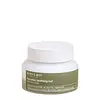
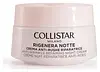
Mary & May Sensitive Soothing Gel Blemish Cream Versus COLLISTAR Milano Anti-Wrinkle Repairing Night Cream
This calming day moisturizer is formulated around Houttuynia Cordata Extract and Panthenol to calm redness.
This barrier-repair night moisturizer is formulated around Urea to strengthen the skin barrier.


What's inside
What's inside
 Key Ingredients
Benefits
Concerns
Ingredients Side-by-side
Houttuynia Cordata Extract
Skin Conditioning

Melaleuca Alternifolia Leaf Extract
Perfuming
Glycerin
Humectant


Butylene Glycol
Humectant
1,2-Hexanediol
Skin Conditioning
Caprylic/Capric Triglyceride
Masking
Ethylhexyl Palmitate
Emollient




Water
Skin ConditioningPolyglyceryl-3 Methylglucose Distearate
Emulsifying
Isododecane
EmollientPanthenol
Skin Conditioning
Arginine
Masking
Acrylates/C10-30 Alkyl Acrylate Crosspolymer
Emulsion StabilisingAmmonium Acryloyldimethyltaurate/Vp Copolymer
Ethylhexylglycerin
Skin ConditioningCaprylyl Glycol
Emollient
Pentylene Glycol
Skin Conditioning
Disodium EDTA
ChelatingDipotassium Glycyrrhizate
Humectant
Glyceryl Acrylate/Acrylic Acid Copolymer
HumectantSodium Hyaluronate
Humectant

Sodium Hyaluronate Crosspolymer
Humectant
Hydrolyzed Hyaluronic Acid
Humectant
Hyaluronic Acid
Humectant
Hydrolyzed Sodium Hyaluronate
Skin Conditioning
Houttuynia Cordata Extract, Melaleuca Alternifolia Leaf Extract, Glycerin, Butylene Glycol, 1,2-Hexanediol, Caprylic/Capric Triglyceride, Ethylhexyl Palmitate, Water, Polyglyceryl-3 Methylglucose Distearate, Isododecane, Panthenol, Arginine, Acrylates/C10-30 Alkyl Acrylate Crosspolymer, Ammonium Acryloyldimethyltaurate/Vp Copolymer, Ethylhexylglycerin, Caprylyl Glycol, Pentylene Glycol, Disodium EDTA, Dipotassium Glycyrrhizate, Glyceryl Acrylate/Acrylic Acid Copolymer, Sodium Hyaluronate, Sodium Hyaluronate Crosspolymer, Hydrolyzed Hyaluronic Acid, Hyaluronic Acid, Hydrolyzed Sodium Hyaluronate
Water
Skin ConditioningDicaprylyl Ether
Emollient
Butylene Glycol
Humectant
Propylene Glycol
Humectant
Octyldodecanol
Emollient
Triheptanoin
Skin ConditioningSodium Polyacrylate
Absorbent
Cetearyl Alcohol
Emollient
Coco-Caprylate/Caprate
Emollient
Potassium Cetyl Phosphate
EmulsifyingDimethyl Isosorbide
SolventHydroxyacetophenone
Antioxidant
Urea
Buffering

Bis-Diglyceryl Polyacyladipate-2
Emollient
Hydrogenated Polydecene
EmollientGlycerin
Humectant
Dilinoleic Acid/Butanediol Copolymer
Cetearyl Glucoside
Emulsifying
Caprylyl Glycol
Emollient
1,2-Hexanediol
Skin Conditioning
Parfum
Masking

Hydrolyzed Sodium Hyaluronate
Skin Conditioning
Menthyl Lactate
Masking
Trideceth-6
EmulsifyingLecithin
Emollient
Citric Acid
Buffering

Tetrasodium Glutamate Diacetate
ChelatingCastor Oil/Ipdi Copolymer

Melilotus Officinalis Extract
AstringentTocopherol
Antioxidant

Ascorbyl Palmitate
Antioxidant
Gynostemma Pentaphyllum Leaf Extract
Skin ConditioningCyanocobalamin
Skin ConditioningOligopeptide-1
Skin Conditioning
Oligopeptide-2
Skin Conditioning
Water, Dicaprylyl Ether, Butylene Glycol, Propylene Glycol, Octyldodecanol, Triheptanoin, Sodium Polyacrylate, Cetearyl Alcohol, Coco-Caprylate/Caprate, Potassium Cetyl Phosphate, Dimethyl Isosorbide, Hydroxyacetophenone, Urea, Bis-Diglyceryl Polyacyladipate-2, Hydrogenated Polydecene, Glycerin, Dilinoleic Acid/Butanediol Copolymer, Cetearyl Glucoside, Caprylyl Glycol, 1,2-Hexanediol, Parfum, Hydrolyzed Sodium Hyaluronate, Menthyl Lactate, Trideceth-6, Lecithin, Citric Acid, Tetrasodium Glutamate Diacetate, Castor Oil/Ipdi Copolymer, Melilotus Officinalis Extract, Tocopherol, Ascorbyl Palmitate, Gynostemma Pentaphyllum Leaf Extract, Cyanocobalamin, Oligopeptide-1, Oligopeptide-2
Reviews
Ingredients Explained
These ingredients are found in both products.
Ingredients higher up in an ingredient list are typically present in a larger amount.
1,2-Hexanediol is a synthetic liquid and another multi-functional powerhouse.
It is a:
- Humectant, drawing moisture into the skin
- Emollient, helping to soften skin
- Solvent, dispersing and stabilizing formulas
- Preservative booster, enhancing the antimicrobial activity of other preservatives
Butylene Glycol (or BG) is used within cosmetic products for a few different reasons:
Overall, Butylene Glycol is a safe and well-rounded ingredient that works well with other ingredients.
Though this ingredient works well with most skin types, some people with sensitive skin may experience a reaction such as allergic rashes, closed comedones, or itchiness.
Learn more about Butylene GlycolCaprylyl Glycol is a humectant, skin conditioner, emollient, and preservative booster derived from either caprylic acid or synthetically created.
Typical use levels vary from 0.3-1% as a preservative booster and go up to 2% to condition skin.
Because it is not a free-fatty acid, this ingredient is fungal acne safe (there's nothing for Malassezia to feed on).
Learn more about Caprylyl GlycolGlycerin (or glycerol) is a compound naturally found in your skin. It's a powerhouse humectant that pulls water into the stratum corneum.
Topically, glycerin does several things at once:
Your skin makes glycerin on its own (mostly from sebaceous oil breakdown) and shuttles it to your outermost layer of skin, or your epidermis, via aquaporin-3.
Aquaporin-3 is a transporter that is essential for normal skin hydration, elasticity, and repair. Interestingly, mice lacking in AQP3 have dry and less elastic skin that can be fully corrected with glycerin.
This ingredient is non-irritating, plays well with almost every ingredient, and works across all skin types. Typical use is anywhere between 3-10% but can go up to 79% in some leave-on products.
Just know very high concentrations (>40%) can feel tacky in low humidity.
Glycerin is the name for this ingredient in American English. British English uses Glycerol/Glycerine.
Learn more about GlycerinThis ingredient is created by putting sodium hyaluronate through hydrolysis.
You might know this as 'mini' or 'ultra low-molecular weight' hyaluronic acid. The small molecule size means it is able to travel deeper in the skin.
According to studies, low molecular-weight hyaluronic acid can:
One study from 2011 found ultra-low weight HA to show pro-inflammatory properties. Another study from 2022 found it to downregulate UV-B induced inflammation.
Hydrolysis is a process of changing a molecule using water or enzymes.
This ingredient is water-soluble.
Learn more about Hydrolyzed Sodium HyaluronateWater. It's the most common cosmetic ingredient of all. You'll usually see it at the top of ingredient lists, meaning that it makes up the largest part of the product.
So why is it so popular? Water most often acts as a solvent - this means that it helps dissolve other ingredients into the formulation.
You'll also recognize water as that liquid we all need to stay alive. If you see this, drink a glass of water. Remember to stay hydrated!
Learn more about Water

