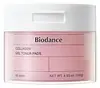
This anti-aging toner pad uses a pre-saturated pad with Collagen Water and Palmitoyl Tripeptide-5 to soften the look of wrinkles and hydrate skin.
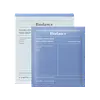
This hydrating sheet mask is formulated around Niacinamide and Panthenol to hydrate skin and strengthen the skin barrier.

What's inside
What's inside
 Key Ingredients
Benefits
Concerns
Ingredients Side-by-side
Water
Skin ConditioningCollagen Water
Humectant
Butylene Glycol
Humectant

1,2-Hexanediol
Skin Conditioning
Polyglyceryl-10 Laurate
Skin Conditioning

Glycerin
Humectant
Ethylhexylglycerin
Skin ConditioningArginine
Masking
Allantoin
Skin Conditioning

Carbomer
Emulsion StabilisingXanthan Gum
EmulsifyingDisodium EDTA
ChelatingSodium Polyacrylate
Absorbent
Cyanocobalamin
Skin ConditioningPalmitoyl Tripeptide-5
Skin Conditioning

Hydrolyzed Hyaluronic Acid
Humectant
Collagen Extract
Skin Conditioning
Hydrolyzed Elastin
EmollientGalactomyces Ferment Filtrate
Humectant
Hyaluronic Acid
Humectant
Sh-Polypeptide-22
Skin Conditioning
Sh-Oligopeptide-1
Skin Conditioning
Sh-Polypeptide-1
Skin Conditioning
Sh-Oligopeptide-2
Skin Conditioning
Sh-Polypeptide-3
Skin Conditioning
Water, Collagen Water, Butylene Glycol, 1,2-Hexanediol, Polyglyceryl-10 Laurate, Glycerin, Ethylhexylglycerin, Arginine, Allantoin, Carbomer, Xanthan Gum, Disodium EDTA, Sodium Polyacrylate, Cyanocobalamin, Palmitoyl Tripeptide-5, Hydrolyzed Hyaluronic Acid, Collagen Extract, Hydrolyzed Elastin, Galactomyces Ferment Filtrate, Hyaluronic Acid, Sh-Polypeptide-22, Sh-Oligopeptide-1, Sh-Polypeptide-1, Sh-Oligopeptide-2, Sh-Polypeptide-3
Water
Skin ConditioningDipropylene Glycol
HumectantGlycerin
Humectant
Cetyl Ethylhexanoate
EmollientNiacinamide
Smoothing




Xanthan Gum
EmulsifyingCeratonia Siliqua Gum
EmollientChondrus Crispus
Masking

Betaine
Humectant
Panthenol
Skin Conditioning
Hydroxyacetophenone
Antioxidant
Ethylhexyl Olivate
Skin Conditioning
Butyrospermum Parkii Butter
Skin Conditioning
Potassium Chloride
Caprylyl Glycol
Emollient
Butylene Glycol
Humectant
Cellulose Gum
Emulsion Stabilising1,2-Hexanediol
Skin Conditioning
Sucrose
Humectant
Polyacrylate-13
Sodium Acrylates Copolymer
Glyceryl Stearate
Emollient
Algin
MaskingChondrus Crispus Extract
Skin Conditioning
Glucomannan
Skin ConditioningPolyglyceryl-4 Oleate
Emulsifying
Ethylhexylglycerin
Skin ConditioningHydrolyzed Hyaluronic Acid
Humectant
Hydrogenated Polyisobutene
EmollientAdenosine
Skin Conditioning
Pyrus Communis Fruit Extract
Skin ConditioningDisodium EDTA
ChelatingPolyglyceryl-10 Laurate
Skin Conditioning
Rosa Damascena Flower Water
Masking
Ethylhexyl Palmitate
Emollient
Allantoin
Skin Conditioning
Iris Florentina Root Extract
MaskingSorbitan Isostearate
Emulsifying
Cucumis Melo Fruit Extract
Skin ConditioningHydrogenated Lecithin
Emulsifying
Hedera Helix Leaf/Stem Extract
AntimicrobialDextrin
AbsorbentCetearyl Alcohol
Emollient
Stearic Acid
Cleansing
Sodium Hyaluronate
Humectant
Dipotassium Glycyrrhizate
Humectant
Collagen Extract
Skin Conditioning
Coriandrum Sativum Extract
Skin ConditioningFoeniculum Vulgare Seed Extract
Skin ConditioningElettaria Cardamomum Seed Extract
Perfuming
Crocus Sativus Flower Extract
MaskingHydroxypropyltrimonium Hyaluronate
Ceramide NP
Skin Conditioning
Tocopherol
Antioxidant
Ceramide Ns
Skin Conditioning
Cholesterol
Emollient
Sodium Acetylated Hyaluronate
Humectant
Phytosphingosine
Skin Conditioning
Ceramide AP
Skin Conditioning
Ceramide As
Skin Conditioning
Hyaluronic Acid
Humectant
Hydrolyzed Sodium Hyaluronate
Skin Conditioning
Sodium Hyaluronate Crosspolymer
Humectant
Potassium Hyaluronate
Skin ConditioningCeramide EOP
Skin Conditioning
Water, Dipropylene Glycol, Glycerin, Cetyl Ethylhexanoate, Niacinamide, Xanthan Gum, Ceratonia Siliqua Gum, Chondrus Crispus, Betaine, Panthenol, Hydroxyacetophenone, Ethylhexyl Olivate, Butyrospermum Parkii Butter, Potassium Chloride, Caprylyl Glycol, Butylene Glycol, Cellulose Gum, 1,2-Hexanediol, Sucrose, Polyacrylate-13, Sodium Acrylates Copolymer, Glyceryl Stearate, Algin, Chondrus Crispus Extract, Glucomannan, Polyglyceryl-4 Oleate, Ethylhexylglycerin, Hydrolyzed Hyaluronic Acid, Hydrogenated Polyisobutene, Adenosine, Pyrus Communis Fruit Extract, Disodium EDTA, Polyglyceryl-10 Laurate, Rosa Damascena Flower Water, Ethylhexyl Palmitate, Allantoin, Iris Florentina Root Extract, Sorbitan Isostearate, Cucumis Melo Fruit Extract, Hydrogenated Lecithin, Hedera Helix Leaf/Stem Extract, Dextrin, Cetearyl Alcohol, Stearic Acid, Sodium Hyaluronate, Dipotassium Glycyrrhizate, Collagen Extract, Coriandrum Sativum Extract, Foeniculum Vulgare Seed Extract, Elettaria Cardamomum Seed Extract, Crocus Sativus Flower Extract, Hydroxypropyltrimonium Hyaluronate, Ceramide NP, Tocopherol, Ceramide Ns, Cholesterol, Sodium Acetylated Hyaluronate, Phytosphingosine, Ceramide AP, Ceramide As, Hyaluronic Acid, Hydrolyzed Sodium Hyaluronate, Sodium Hyaluronate Crosspolymer, Potassium Hyaluronate, Ceramide EOP
Reviews
Ingredients Explained
These ingredients are found in both products.
Ingredients higher up in an ingredient list are typically present in a larger amount.
1,2-Hexanediol is a synthetic liquid and another multi-functional powerhouse.
It is a:
- Humectant, drawing moisture into the skin
- Emollient, helping to soften skin
- Solvent, dispersing and stabilizing formulas
- Preservative booster, enhancing the antimicrobial activity of other preservatives
Allantoin is a soothing ingredient known for its protective and moisturizing properties; it's basically a quiet workhorse ingredient you can find in a huge range of cosmetics.
Though it can be derived from the comfrey plant, allantoin is produced synthetically for cosmetic products to ensure purity.
Research shows it can encourage your skin cells to turn over and renew by stimulating keratinocyte and fibroblast proliferation.
It also has mild keratolytic properties to help loosen and shed dead skin cells without being harsh.
Studies also suggest allantoin can help calm inflammation by dialing down some of the chemical signals your skin sends out when it is irritated.
This ingredient is typically used in the 0.1-0.5% range, and the FDA recognizes it as a skin protectant in OTC products up to 2%.
Overall, allantoin is a wonderful addition to most routines; it is stable across a wide pH range (~4-8), works well with other ingredients, and is considered non-sensitizing/non-irritating.
Fun fact: Allantoin is naturally occurring in comfrey root, beets, chamomile, and wheat sprouts. Our bodies even produce it as a byproduct of uric acid metabolism.
Learn more about AllantoinButylene Glycol (or BG) is used within cosmetic products for a few different reasons:
Overall, Butylene Glycol is a safe and well-rounded ingredient that works well with other ingredients.
Though this ingredient works well with most skin types, some people with sensitive skin may experience a reaction such as allergic rashes, closed comedones, or itchiness.
Learn more about Butylene GlycolCollagen extract is derived from parts of animals. It has skin conditioning properties and is mostly comprised of glycine, proline, and hydroxypoline. These are amino acids.
While our skin does have collagen, this ingredient is not used by the skin for anti-aging. Applying collagen topically has not been linked to helping with collagen loss in skin. All the benefits of collagen are related to hydration.
This ingredient will not increase sun sensitivity, but you should always wear sunscreen during the day.
Learn more about Collagen ExtractDisodium EDTA is a chelating agent. It grabs onto and deactivates metal ions that sneak into your products from water, packaging, or air.
This ingredient mainly works behind the scenes and helps with:
On top of that, this ingredient can counteract the effects of hard water by binding to the minerals in it.
One thing worth knowing is that Disodium EDTA has been shown to be a mild penetration enhancer. It can help other ingredients absorb into skin more effectively which can be a double-edged sword (great for actives, but can also make the active too strong if you have sensitive skin).
Clinical patch testing showed no significant skin irritation at typical use concentrations and minimal dermal absorption.
You'll most likely see this ingredient near the end of an ingredient list. It's typically found in concentrations less than 1%.
Learn more about Disodium EDTAEthylhexylglycerin is created from glycerin. It is a multitasker ingredient that:
The CIR Expert Panel found minimal skin absorption or sensitization of any kind in a safety assessment. Though this ingredient is considered well-tolerated, a small number of cases of allergic dermatitis have been published since 2002. Just be sure to patch test if you are unsure.
Industry-reported use ranges from 8% in rinse-off products and 2% in leave-on formulations.
Learn more about EthylhexylglycerinGlycerin (or glycerol) is a compound naturally found in your skin. It's a powerhouse humectant that pulls water into the stratum corneum.
Topically, glycerin does several things at once:
Your skin makes glycerin on its own (mostly from sebaceous oil breakdown) and shuttles it to your outermost layer of skin, or your epidermis, via aquaporin-3.
Aquaporin-3 is a transporter that is essential for normal skin hydration, elasticity, and repair. Interestingly, mice lacking in AQP3 have dry and less elastic skin that can be fully corrected with glycerin.
This ingredient is non-irritating, plays well with almost every ingredient, and works across all skin types. Typical use is anywhere between 3-10% but can go up to 79% in some leave-on products.
Just know very high concentrations (>40%) can feel tacky in low humidity.
Glycerin is the name for this ingredient in American English. British English uses Glycerol/Glycerine.
Learn more about GlycerinHyaluronic acid (HA) is a glycosaminoglycan (basically a long sugar chain) that your skin already makes on its own. In your skin, HA lives in the extracellular matrix and acts as the body's moisture reservoir.
Topically, HA is a humectant that binds water and helps skin look more plump, smooth, and hydrated.
The only catch is that HA isn't a single thing; it actually comes in a wide range of molecular weights (~50 - 2,000+ kDA) and size matters.
Some clinical evidence links low molecular weight versions to improved wrinkle depth, elasticity, anti-inflammatory effects, and barrier repair.
This is why the best HA serums blend the two sizes together so you get the best of both worlds.
The majority of cosmetic HA is produced by bacterial fermentation, typically using Streptococcus or Bacillus strains. Typical use levels in skincare sit around 0.1-2%.
A clinical study using a 0.2% low-molecular weight HA gel showed improvement in facial seborrheic dermatitis with excellent tolerance.
These are some other common types of Hyaluronic Acid:
Learn more about Hyaluronic AcidHydrolyzed Hyaluronic Acid is hyaluronic acid (HA) that is broken down into lower molecular weight fragments.
It's a humectant that pulls and holds water in the skin to help with hydration, plumpness, and reduce transepidermal water loss.
Because hydrolyzed hyaluronic acid is smaller in size, it can slip past your outermost layer of skin more easily than full-sized HA.
Most formulations will combine all sizes to get the best of both worlds.
Typical usage levels range from 0.01-1%. Any percentage higher than 2% might become goopy and tacky.
Learn more about Hydrolyzed Hyaluronic AcidPolyglyceryl-10 Laurate is a cleansing agent and emulsifier.
It rounds up dirt, oil, and grime, so they can be rinsed off easily as a cleanser.
On the emulsifier side, it keeps your formula smooth and well-mixed by playing peacekeeper for ingredients that don't naturally get along (like oil and water).
Because it has a C12 (lauric acid) fatty acid chain, this ingredient can potentially feed the Malassezia yeast that causes fungal acne. The Malassezia yeast prefers esters with C11-C24 fatty acids.
This ingredient is an ester of lauric acid and Polyglycerin-10.
Learn more about Polyglyceryl-10 LaurateWater. It's the most common cosmetic ingredient of all. You'll usually see it at the top of ingredient lists, meaning that it makes up the largest part of the product.
So why is it so popular? Water most often acts as a solvent - this means that it helps dissolve other ingredients into the formulation.
You'll also recognize water as that liquid we all need to stay alive. If you see this, drink a glass of water. Remember to stay hydrated!
Learn more about WaterXanthan gum is used as a stabilizer and thickener within cosmetic products. It helps give products a sticky, thick feeling - preventing them from being too runny.
On the technical side of things, xanthan gum is a polysaccharide - a combination consisting of multiple sugar molecules bonded together.
Xanthan gum is a pretty common and great ingredient. It is a natural, non-toxic, non-irritating ingredient that is also commonly used in food products.
Learn more about Xanthan Gum

