

What's inside
What's inside
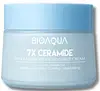 Key Ingredients
Benefits
Concerns
Ingredients Side-by-side
Water
Skin ConditioningPropylene Glycol
Humectant


Sodium Hyaluronate
Humectant



Cyclopentasiloxane
Emollient
Isohexadecane
EmollientGlycereth-26
Humectant
Trehalose
Humectant
Hamamelis Virginiana Extract
Antiseborrhoeic
Hydroxyethyl Acrylate/Sodium Acryloyldimethyl Taurate Copolymer
Emulsion StabilisingCeramide Ns
Skin Conditioning

Ceramide NP
Skin Conditioning
Ceramide Ng
Skin Conditioning
Ceramide Eos
Skin Conditioning
Ceramide EOP
Skin Conditioning
Ceramide As
Skin Conditioning
Ceramide AP
Skin Conditioning
Sodium Acrylate/Sodium Acryloyldimethyl Taurate Copolymer
Emulsion StabilisingPolysorbate 60
Emulsifying
C20-22 Alkyl Phosphate
EmulsifyingC20-22 Alcohols
Emulsion Stabilising
Allantoin
Skin Conditioning
Glycerin
Humectant
Hydroxyacetophenone
Antioxidant
Caprylhydroxamic Acid
Scutellaria Baicalensis Extract
AntimicrobialFucus Vesiculosus Extract
Emollient
Centella Asiatica Extract
Cleansing
Opuntia Ficus-Indica Extract
Skin Conditioning
Citrus Limon Peel Oil
Masking




Citrus Reticulata Fruit Extract
Skin ProtectingTriethanolamine
BufferingSalicylic Acid
Masking





Water, Propylene Glycol, Sodium Hyaluronate, Cyclopentasiloxane, Isohexadecane, Glycereth-26, Trehalose, Hamamelis Virginiana Extract, Hydroxyethyl Acrylate/Sodium Acryloyldimethyl Taurate Copolymer, Ceramide Ns, Ceramide NP, Ceramide Ng, Ceramide Eos, Ceramide EOP, Ceramide As, Ceramide AP, Sodium Acrylate/Sodium Acryloyldimethyl Taurate Copolymer, Polysorbate 60, C20-22 Alkyl Phosphate, C20-22 Alcohols, Allantoin, Glycerin, Hydroxyacetophenone, Caprylhydroxamic Acid, Scutellaria Baicalensis Extract, Fucus Vesiculosus Extract, Centella Asiatica Extract, Opuntia Ficus-Indica Extract, Citrus Limon Peel Oil, Citrus Reticulata Fruit Extract, Triethanolamine, Salicylic Acid
Centella Asiatica Extract
Cleansing
Butylene Glycol
Humectant
Glycerin
Humectant
Niacinamide
Smoothing

Glycereth-26
Humectant
Cetearyl Alcohol
Emollient


1,2-Hexanediol
Skin Conditioning
Hydroxyacetophenone
Antioxidant
Propylene Glycol
Humectant
Carbomer
Emulsion StabilisingCetearyl Glucoside
Emulsifying
Triethanolamine
BufferingAllantoin
Skin Conditioning
Glycyrrhiza Uralensis Root Extract
Skin Conditioning
Portulaca Oleracea Flower/Leaf/Stem Extract
Antioxidant
Paeonia Suffruticosa Extract
Skin ConditioningPaeonia Lactiflora Extract
AstringentSophora Angustifolia Root Extract
Skin ConditioningSodium Hyaluronate
Humectant
Disodium EDTA
Stephania Tetrandra Root Extract
Skin ConditioningCnidium Monnieri Fruit Extract
HumectantPanthenol
Skin Conditioning
Ectoin
Skin Conditioning
Phellodendron Amurense Bark Extract
Skin ConditioningUndaria Pinnatifida Extract
Skin ConditioningPhenoxyethanol
Preservative
Caprylic/Capric Triglyceride
Masking
Hydrogenated Lecithin
Emulsifying
Hexylene Glycol
EmulsifyingStearic Acid
Cleansing
Cholesterol
Emollient
Ceramide NP
Skin Conditioning
Ceramide EOP
Skin Conditioning
Ceramide AP
Skin Conditioning
Madecassoside
Antioxidant
Ribes Rubrum Fruit Extract
TonicPoria Cocos Extract
Skin ConditioningHydrolyzed Hyaluronic Acid
Humectant
Hydroxypropyltrimonium Hyaluronate
Sodium Acetylated Hyaluronate
Humectant
Hyaluronic Acid
Humectant
Dimethylsilanol Hyaluronate
HumectantHydrolyzed Sodium Hyaluronate
Skin Conditioning
Potassium Hyaluronate
Skin ConditioningSodium Hyaluronate Crosspolymer
Humectant
Ethylhexylglycerin
Skin ConditioningCentella Asiatica Extract, Butylene Glycol, Glycerin, Niacinamide, Glycereth-26, Cetearyl Alcohol, 1,2-Hexanediol, Hydroxyacetophenone, Propylene Glycol, Carbomer, Cetearyl Glucoside, Triethanolamine, Allantoin, Glycyrrhiza Uralensis Root Extract, Portulaca Oleracea Flower/Leaf/Stem Extract, Paeonia Suffruticosa Extract, Paeonia Lactiflora Extract, Sophora Angustifolia Root Extract, Sodium Hyaluronate, Disodium EDTA, Stephania Tetrandra Root Extract, Cnidium Monnieri Fruit Extract, Panthenol, Ectoin, Phellodendron Amurense Bark Extract, Undaria Pinnatifida Extract, Phenoxyethanol, Caprylic/Capric Triglyceride, Hydrogenated Lecithin, Hexylene Glycol, Stearic Acid, Cholesterol, Ceramide NP, Ceramide EOP, Ceramide AP, Madecassoside, Ribes Rubrum Fruit Extract, Poria Cocos Extract, Hydrolyzed Hyaluronic Acid, Hydroxypropyltrimonium Hyaluronate, Sodium Acetylated Hyaluronate, Hyaluronic Acid, Dimethylsilanol Hyaluronate, Hydrolyzed Sodium Hyaluronate, Potassium Hyaluronate, Sodium Hyaluronate Crosspolymer, Ethylhexylglycerin
Reviews
Ingredients Explained
These ingredients are found in both products.
Ingredients higher up in an ingredient list are typically present in a larger amount.
Allantoin is a soothing ingredient known for its protective and moisturizing properties; it's basically a quiet workhorse ingredient you can find in a huge range of cosmetics.
Though it can be derived from the comfrey plant, allantoin is produced synthetically for cosmetic products to ensure purity.
Research shows it can encourage your skin cells to turn over and renew by stimulating keratinocyte and fibroblast proliferation.
It also has mild keratolytic properties to help loosen and shed dead skin cells without being harsh.
Studies also suggest allantoin can help calm inflammation by dialing down some of the chemical signals your skin sends out when it is irritated.
This ingredient is typically used in the 0.1-0.5% range, and the FDA recognizes it as a skin protectant in OTC products up to 2%.
Overall, allantoin is a wonderful addition to most routines; it is stable across a wide pH range (~4-8), works well with other ingredients, and is considered non-sensitizing/non-irritating.
Fun fact: Allantoin is naturally occurring in comfrey root, beets, chamomile, and wheat sprouts. Our bodies even produce it as a byproduct of uric acid metabolism.
Learn more about AllantoinCentella Asiatica Extract (Centella) is derived from an herb native to Southeast Asia. It is famous for its anti-inflammatory and soothing properties.
Centella is rich in antioxidants and amino acids, such as Madecassic Acid and Asiaticoside.
Studies show the compounds in centella help with:
The combination of all these properties makes centella effective at soothing, hydrating, and protecting the skin.
Other great components of centella include Vitamin A, vitamin C, several B vitamins, and Asiatic Acid.
Fun fact: Centella has been used as a medicine and in food for many centuries. As a medicine, it is used to treat burns, scratches, and wounds.
Learn more about Centella Asiatica ExtractCeramide AP is is a skin-identical lipid that mimics what your skin already makes naturally. Ceramides help maintain epidermal integrity and barrier function.
You'll often see this ingredient paired with other ceramides (like ceramide NP), cholesterol, or fatty acids because this combination best mimics the natural lipid mix your skin already has.
The skin's ability to produce ceramides gets disrupted in skin conditions like eczema. This in turn weakens the skin barrier and applying ceramides topically has been shown to replenish what's been lost to restore barrier function.
Most of the studies with Ceramide AP test it as part of a multi-ceramide complex; studies reinforce ceramide AP's role in rebalancing ceramides in skin and improving skin hydration.
Learn more about Ceramide APCeramide EOP is formally known as Ceramide 1.
It is naturally found in skin and part of the intercellular "mortar" holding everything together in your outermost layer.
EOP stands for a linked Ester fatty acid, a linked Omega hydroxy fatty acid, and the Phytosphingosine base.
What makes Ceramide EOP special is its ultra-long fatty acid chain; this unique structure allows it to bridge the lipid layers in your skin barrier to prevent water loss (something no other ceramide can do).
Low levels of Ceramide EOP have been found in people with eczema and psoriasis.
Using it together with other ceramides, cholesterol, and linoleic acid have been shown to meaningfully improve hydration and reduce water loss.
In one clinical study, a regimen using Ceramide EOP, NP, and AP led to significant symptom improvements in patients with eczema, psoriasis, and dry skin in just 4 weeks.
You'll usually see concentrations between 0.1-0.5% in formulations. Overall, this is a well-tolerated and safe ingredient for cosmetic use.
Learn more about Ceramide EOPCeramide NP (formerly known as Ceramide 3) is one of the skin's naturally occurring lipids.
Since ceramides are the major lipid components of the skin, they are crucial for maintaining skin barrier and hydration. Ceramide NP most closely mirrors the dominant kind in human skin amongst ceramide subtypes.
This ceramide works by slotting into gaps within the stratum corneum's lipid matrix to limit trans-epidermal water loss (TEWL) and shield the skin against external irritants.
A study with 312 patients found that using a ceramide-containing routine for 4 weeks reduced the severity of atopic dermatitis by over 61%.
Another clinical study in subjects aged 60 and older found that a ceramide body wash and moisturizer improved skin dryness and itchy skin in 15 days.
Overall, ceramides are considered non-irritating and safety tests have found little to no observable adverse effects from using this ingredient.
Ceramide NP is usually sourced from plants (like soybean or rice bran), or produced synthetically.
Learn more about Ceramide NPGlycereth-26 is a synthetic ingredient and polyethylene glycol ether of Glycerin. Glycerin is already naturally found in your skin and helps keep your skin moisturized.
It is a humectant and helps add texture to products. It can make your product thicker.
As a humectant, it helps draw moisture from the air to your skin. This helps your skin stay hydrated.
Learn more about Glycereth-26Glycerin (or glycerol) is a compound naturally found in your skin. It's a powerhouse humectant that pulls water into the stratum corneum.
Topically, glycerin does several things at once:
Your skin makes glycerin on its own (mostly from sebaceous oil breakdown) and shuttles it to your outermost layer of skin, or your epidermis, via aquaporin-3.
Aquaporin-3 is a transporter that is essential for normal skin hydration, elasticity, and repair. Interestingly, mice lacking in AQP3 have dry and less elastic skin that can be fully corrected with glycerin.
This ingredient is non-irritating, plays well with almost every ingredient, and works across all skin types. Typical use is anywhere between 3-10% but can go up to 79% in some leave-on products.
Just know very high concentrations (>40%) can feel tacky in low humidity.
Glycerin is the name for this ingredient in American English. British English uses Glycerol/Glycerine.
Learn more about GlycerinHydroxyacetophenone is antioxidant with skin conditioning and soothing properties. It also boosts the efficiency of preservatives.
Though naturally occuring in Norwegian spruce needles, this ingredient is usually synthetically created.
This ingredient is not irritating or sensitizing. Recent research also suggests it may have skin-brightening effects through tyrosinase inhibition.
Learn more about HydroxyacetophenonePropylene Glycol is a synthetic, colorless, odorless liquid that has been a staple in cosmetics for decades. It is a skin conditioning agent, humectant, and solvent.
As a humectant, it draw water to the skin to reduce flaking and restore suppleness. It's also a solvent that helps dissolve other actives and keeps formulas stable across temperature changes.
The CIR Expert Panel has confirmed this ingredient to be nontoxic and clinical studies show no sensitization at cosmetic use concentrations.
True allergic reactions are quite rare: a 15-year retrospective study of 6,751 patients found only 0.31% had a positive reaction (and less than half were considered clinically relevant).
It seemed that when sensitization does occur, it's most commonly linked to topical medication (like corticosteroids) and not cosmetics. Allergic contact dermatitis also appears largely limited to individuals with underlying skin conditions.
Overall, propylene glycol is a well-studied ingredient that most people can tolerate without issue.
Learn more about Propylene GlycolSodium Hyaluronate is the salt form of hyaluronic acid. It is a long sugar chain that is naturally found in your skin, joints, and connective tissue that maintains hydration and elasticity.
In skincare, it works as a humectant. It pulls water from the environment and deeper layers of skin and binds it to the surface.
Interestingly, the size of the molecule affects its behavior:
Some clinical evidence links low molecular weight versions to improved wrinkle depth, elasticity, anti-inflammatory effects, and barrier repair.
Many serums use a blend of both weights so you can get surface hydration plus longer-lasting and deeper effects.
You'll typically see concentrations between 0.1-2% for this ingredient.
Learn more about Sodium HyaluronateTriethanolamine (TEA) is an emulsifier and pH adjuster. It is created using ethylene oxide and ammonia. This gives Triethanolamine a nitrogen core and a similar scent to ammonia.
As an emulsifier, it prevents ingredients from separating and enhances texture by adding volume to a product.
PH adjusters are common in cosmetic products. The pH of a product can affect the effectiveness of other ingredients. A product with a high pH may also irritate the skin.
If you are looking for the tea leaf ingredient, click here.
Learn more about Triethanolamine
