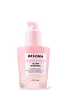
This brightening serum is formulated around Resveratrol and Sodium Hyaluronate to brighten dull-looking skin and calm redness.
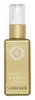
This brightening serum is formulated around Azelaic Acid and Niacinamide to fade the look of dark spots and refine skin texture.

What's inside
What's inside
 Key Ingredients
Benefits
Concerns
Ingredients Side-by-side
Water
Skin ConditioningButylene Glycol
Humectant

Glycerin
Humectant
Resveratrol
Antioxidant




Sodium Hyaluronate
Humectant
Adansonia Digitata Pulp Extract
EmollientHibiscus Sabdariffa Flower Extract
Skin ConditioningMalva Sylvestris Extract
AstringentMentha Piperita Leaf Extract
Skin ConditioningPrimula Veris Extract
Skin ConditioningAlchemilla Vulgaris Extract
AstringentVeronica Officinalis Extract
Skin ConditioningMelissa Officinalis Leaf Extract
Skin ConditioningAchillea Millefolium Extract
CleansingChamomilla Recutita Flower Extract
Masking
Tocopheryl Acetate
Antioxidant
Calendula Officinalis Flower Extract
Masking
Hydrolyzed Conchiolin Protein
Skin ConditioningNiacinamide
Smoothing





Salix Alba Bark Extract
Astringent
Phenoxyethanol
Preservative
Ethylhexylglycerin
Skin ConditioningSclerotium Gum
Emulsion StabilisingXanthan Gum
EmulsifyingCitrus Aurantium Bergamia Fruit Oil
Masking


Alcohol
Antimicrobial



Water, Butylene Glycol, Glycerin, Resveratrol, Sodium Hyaluronate, Adansonia Digitata Pulp Extract, Hibiscus Sabdariffa Flower Extract, Malva Sylvestris Extract, Mentha Piperita Leaf Extract, Primula Veris Extract, Alchemilla Vulgaris Extract, Veronica Officinalis Extract, Melissa Officinalis Leaf Extract, Achillea Millefolium Extract, Chamomilla Recutita Flower Extract, Tocopheryl Acetate, Calendula Officinalis Flower Extract, Hydrolyzed Conchiolin Protein, Niacinamide, Salix Alba Bark Extract, Phenoxyethanol, Ethylhexylglycerin, Sclerotium Gum, Xanthan Gum, Citrus Aurantium Bergamia Fruit Oil, Alcohol
Water
Skin ConditioningCaprylic/Capric Triglyceride
Masking
Glycerin
Humectant
Azelaic Acid
Buffering
Hexyl Laurate
Emollient
Cetearyl Olivate
Cetearyl Alcohol
Emollient


Butylene Glycol
Humectant
Sorbitol
Humectant
Sorbitan Olivate
Emulsifying
PPG-12/Smdi Copolymer
EmollientNiacinamide
Smoothing
Cetyl Alcohol
Emollient
Glycosaminoglycans
EmollientSodium Hyaluronate
Humectant
Dicetyl Phosphate
EmulsifyingCeteth-10 Phosphate
CleansingGlyceryl Stearate
Emollient
PEG-100 Stearate
Surfactant
Tocopheryl Acetate
Antioxidant
Butyrospermum Parkii Butter
Skin Conditioning
Mangifera Indica Seed Butter
Skin Conditioning
Dimethicone
Emollient
Stearic Acid
Cleansing
Ethyl Linoleate
Emollient
Hexylresorcinol
Antimicrobial
Salix Alba Bark Extract
Astringent
Symphytum Officinale Rhizome/Root Extract
Skin ConditioningPlantago Ovata Seed Extract
Skin ConditioningHedera Helix Leaf/Stem Extract
AntimicrobialCucumis Sativus Fruit Extract
Emollient
Imperata Cylindrica Root Extract
Skin ConditioningArctostaphylos Uva Ursi Leaf Extract
Skin Conditioning
Malva Sylvestris Extract
AstringentMentha Piperita Leaf Extract
Skin ConditioningPrimula Veris Extract
Skin ConditioningAlchemilla Vulgaris Extract
AstringentVeronica Officinalis Extract
Skin ConditioningMelissa Officinalis Leaf Extract
Skin ConditioningAchillea Millefolium Extract
CleansingMitracarpus Scaber Extract
Skin ConditioningSambucus Nigra Flower Extract
RefreshingArnica Montana Flower Extract
Masking
Parietaria Officinalis Extract
EmollientBakuchiol
Antimicrobial
Glutamine
Skin ConditioningProline
Skin Conditioning
Leucine
Skin ConditioningSerine
Masking
Hydrolyzed Wheat Protein
Skin ConditioningHydrolyzed Vegetable Protein
Skin ConditioningPEG-60 Almond Glycerides
Emulsifying
Glycine
Buffering
Nordihydroguaiaretic Acid
Antioxidant
Oleanolic Acid
Skin ConditioningSyringa Vulgaris Leaf Cell Culture Extract
Skin ConditioningPhenoxyethanol
Preservative
Propylene Glycol
Humectant
Caprylyl Glycol
Emollient
Xanthan Gum
EmulsifyingMagnesium Aluminum Silicate
Absorbent
Alcohol
Antimicrobial
Ethylhexylglycerin
Skin ConditioningHexylene Glycol
EmulsifyingMaltodextrin
Absorbent
Carbomer
Emulsion StabilisingAcrylates/C10-30 Alkyl Acrylate Crosspolymer
Emulsion StabilisingDisodium EDTA
Lavandula Angustifolia Oil
Masking
Water, Caprylic/Capric Triglyceride, Glycerin, Azelaic Acid, Hexyl Laurate, Cetearyl Olivate, Cetearyl Alcohol, Butylene Glycol, Sorbitol, Sorbitan Olivate, PPG-12/Smdi Copolymer, Niacinamide, Cetyl Alcohol, Glycosaminoglycans, Sodium Hyaluronate, Dicetyl Phosphate, Ceteth-10 Phosphate, Glyceryl Stearate, PEG-100 Stearate, Tocopheryl Acetate, Butyrospermum Parkii Butter, Mangifera Indica Seed Butter, Dimethicone, Stearic Acid, Ethyl Linoleate, Hexylresorcinol, Salix Alba Bark Extract, Symphytum Officinale Rhizome/Root Extract, Plantago Ovata Seed Extract, Hedera Helix Leaf/Stem Extract, Cucumis Sativus Fruit Extract, Imperata Cylindrica Root Extract, Arctostaphylos Uva Ursi Leaf Extract, Malva Sylvestris Extract, Mentha Piperita Leaf Extract, Primula Veris Extract, Alchemilla Vulgaris Extract, Veronica Officinalis Extract, Melissa Officinalis Leaf Extract, Achillea Millefolium Extract, Mitracarpus Scaber Extract, Sambucus Nigra Flower Extract, Arnica Montana Flower Extract, Parietaria Officinalis Extract, Bakuchiol, Glutamine, Proline, Leucine, Serine, Hydrolyzed Wheat Protein, Hydrolyzed Vegetable Protein, PEG-60 Almond Glycerides, Glycine, Nordihydroguaiaretic Acid, Oleanolic Acid, Syringa Vulgaris Leaf Cell Culture Extract, Phenoxyethanol, Propylene Glycol, Caprylyl Glycol, Xanthan Gum, Magnesium Aluminum Silicate, Alcohol, Ethylhexylglycerin, Hexylene Glycol, Maltodextrin, Carbomer, Acrylates/C10-30 Alkyl Acrylate Crosspolymer, Disodium EDTA, Lavandula Angustifolia Oil
Ingredients Explained
These ingredients are found in both products.
Ingredients higher up in an ingredient list are typically present in a larger amount.
Achillea Millefolium Extract comes from the yarrow plant. Yarrow is rich in antioxidants and fatty acids.
This ingredient is also known as lady's mantle.
This ingredient is also called ethanol or ethyl alcohol. It is denatured, meaning made undrinkable for cosmetic use.
In formulas, it:
Is it bad for your skin?
The answer comes down to concentration. Patch and wash studies have found highly concentrated alcohol-based hand rubs (60-100%) cause less barrier disruption than washing with a basic detergent like SLS. The only measurable effect in these studies was a temporary dip in skin hydration.
Concentrations below 12-15% in leave-on cosmetics is generally well-tolerated. Concentrations above start to see increased transepidermal water loss (TEWL) and reduced hydration.
In concentrations about 58%, it creates temporary channels in your skin's lipid layers to become more permeable and allow other ingredients to slip through easily.
This ingredient can be up to 80% of the formula in alcohol-based perfumes.
Overall, this ingredient is probably harmless if found lower down an ingredients list but worth side-eyeing if it's high up (especially if your barrier is already struggling).
Alcohol can worsen dry skin, eczema, and oily skin, especially at higher concentrations. This is because it can increase transepidermal water loss and decrease hydration to disrupt the skin barrier.
According to the National Rosacea Society based in the US, you should be mindful of products with these alcohols in the top half of ingredients.
True allergic contact dermatitis to ethanol is uncommon, but be sure to patch test if you have dry or sensitive skin.
Learn more about AlcoholButylene Glycol (or BG) is used within cosmetic products for a few different reasons:
Overall, Butylene Glycol is a safe and well-rounded ingredient that works well with other ingredients.
Though this ingredient works well with most skin types, some people with sensitive skin may experience a reaction such as allergic rashes, closed comedones, or itchiness.
Learn more about Butylene GlycolEthylhexylglycerin is created from glycerin. It is a multitasker ingredient that:
The CIR Expert Panel found minimal skin absorption or sensitization of any kind in a safety assessment. Though this ingredient is considered well-tolerated, a small number of cases of allergic dermatitis have been published since 2002. Just be sure to patch test if you are unsure.
Industry-reported use ranges from 8% in rinse-off products and 2% in leave-on formulations.
Learn more about EthylhexylglycerinGlycerin (or glycerol) is a compound naturally found in your skin. It's a powerhouse humectant that pulls water into the stratum corneum.
Topically, glycerin does several things at once:
Your skin makes glycerin on its own (mostly from sebaceous oil breakdown) and shuttles it to your outermost layer of skin, or your epidermis, via aquaporin-3.
Aquaporin-3 is a transporter that is essential for normal skin hydration, elasticity, and repair. Interestingly, mice lacking in AQP3 have dry and less elastic skin that can be fully corrected with glycerin.
This ingredient is non-irritating, plays well with almost every ingredient, and works across all skin types. Typical use is anywhere between 3-10% but can go up to 79% in some leave-on products.
Just know very high concentrations (>40%) can feel tacky in low humidity.
Glycerin is the name for this ingredient in American English. British English uses Glycerol/Glycerine.
Learn more about GlycerinWe don't have a description for Malva Sylvestris Extract yet.
Lemon balm is a mint-family herb with skin conditioning properties. It contains components such as rosmarinic acid, caffeic acid, geraniol, citronellal, and ursolic acid.
Mentha Piperita Leaf Extract is extract from peppermint leaves. It has a "cooling" sensory feel depending on what compounds are found in the extract.
Peppermint leaves contain polyphenols that antioxidant activity. In-vitro studies show anti-inflammatory and antimicrobial activity against some bacteria and fungi.
Evidence for mint as a "treatment" ingredient is limited and depends heavily on the specific extract type and concentration.
In large percentages, peppermint extract may sensitize the skin.
Learn more about Mentha Piperita Leaf ExtractNiacinamide is a multitasking form of vitamin B3 that strengthens the skin barrier, reduces pores and dark spots, regulates oil, and improves signs of aging.
And the best part? It's gentle and well-tolerated by most skin types, including sensitive and reactive skin.
You might have heard of "niacin flush", or the reddening of skin that causes itchiness. Niacinamide has not been found to cause this.
In very rare cases, some individuals may not be able to tolerate niacinamide at all or experience an allergic reaction to it.
If you are experiencing flaking, irritation, and dryness with this ingredient, be sure to double check all your products as this ingredient can be found in all categories of skincare.
When incorporating niacinamide into your routine, look out for concentration amounts. Typically, 5% niacinamide provides benefits such as fading dark spots. However, if you have sensitive skin, it is better to begin with a smaller concentration.
When you apply niacinamide to your skin, your body converts it into nicotinamide adenine dinucleotide (NAD). NAD is an essential coenzyme that is already found in your cells as "fuel" and powers countless biological processes.
In your skin, NAD helps repair cell damage, produce new healthy cells, support collagen production, strengthen the skin barrier, and fight environmental stressors (like UV and pollution).
Our natural NAD levels start to decline with age, leading to slower skin repair, visible aging, and a weaker skin barrier. By providing your skin niacinamide, you're recharging your skin's NAD levels. This leads to stronger, healthier, and younger looking skin.
Another name for vitamin B3 is nicotinamide. This vitamin is water-soluble and our bodies don't store it. We obtain Vitamin B3 from either food or skincare. Meat, fish, wheat, yeast, and leafy greens contain vitamin B3.
The type of niacinamide used in skincare is synthetically created.
Learn more about NiacinamidePhenoxyethanol is one of the most widely used preservatives in skincare (and for good reason!).
It has a large spectrum of antimicrobial activity and especially effective bacteria, yeast, and mold while only having a weak effect on your skin's natural microbiome.
On a cellular level, it disrupts the cell membranes of microbes by poking holes that make the cell leak. This shuts down the chemical reactions the microbe needs to make energy so it can no longer survive.
Another perk of this ingredient is that it stays functional across a wide pH range (3-10).
You'll often see it paired with boosters like Ethylhexylglycerin; one study showed that a 1:9 ratio of Ethylhexylglycerin to Phenoxyethanol damages bacterial membranes as effectively as doubling the Phenoxyethanol concentration on its own.
Typical use concentrations range from 0.3-1% depending on the formula, and this ingredient is capped at 1% int the EU.
Safety-wise, the fear mongering does not hold up to the evidence. The EU's Scientific Committee on Consumer Safety and FDA consider it safe as a preservative at up to 1%, including for children of all ages.
Adverse systemic effects only showed up in animal studies at exposures roughly 200x higher than what people get from cosmetics. And despite its very widespread use, this ingredient is a rare sensitizer and allergic reactions are uncommon.
Learn more about PhenoxyethanolWe don't have a description for Primula Veris Extract yet.
Salix Alba Bark Extract comes from the bark of the white willow tree. The official CosIng listing states this ingredient to have astringent, skin conditioning, soothing, and tonic properties.
Its star compound is salicin, a natural glucoside that is chemically related to salicylic acid. That's why you'll often see it marketed as a "natural BHA alternative" but that's a bit of a stretch.
Your skin can't convert salicin to salicylic acid because it needs specific enzymes that aren't present on the skin's surface. It won't behave like true salicylic acid, especially at the concentrations used in cosmetics.
However, this ingredient has its own perks. It contains flavonoids, polyphenols, and tannins that give it proven antioxidant and soothing properties.
An 8-week clinical study found a cream with 2% of this extract improved skin microcirculation, elasticity, and dark circles. This is most likely due to its role in increasing hyaluronic acid synthesis in fibroblasts and improved vascular integrity.
Another study found a topical serum with 0.5% salicin showed improvements in visible signs of aging, hyperpigmentation, and texture.
Just be careful if you have a known aspirin/salicylate allergy and be sure to consult with a medical professional about using this ingredient if you do.
Fun fact: Willow Bark extract has been used for thousands of years and ancient civilizations used white willow to help treat pain and fevers.
Learn more about Salix Alba Bark ExtractSodium Hyaluronate is the salt form of hyaluronic acid. It is a long sugar chain that is naturally found in your skin, joints, and connective tissue that maintains hydration and elasticity.
In skincare, it works as a humectant. It pulls water from the environment and deeper layers of skin and binds it to the surface.
Interestingly, the size of the molecule affects its behavior:
Some clinical evidence links low molecular weight versions to improved wrinkle depth, elasticity, anti-inflammatory effects, and barrier repair.
Many serums use a blend of both weights so you can get surface hydration plus longer-lasting and deeper effects.
You'll typically see concentrations between 0.1-2% for this ingredient.
Learn more about Sodium HyaluronateTocopheryl Acetate is a stable, shelf-friendly form of vitamin E.
Formulators love it because plain vitamin E oxidizes quickly once it hits air. This acetate version stays stable and resists going off, helping to extend a product's shelf life.
It's actually inactive on its own and works like a slow-release "storage" form; the enzymes in your skin called esterases gradually convert it into active vitamin E over time.
One in vivo study showed 5% of the acetate in the living layer of the epidermis converted to vitamin E after 5 days of application. This study also found the skin gained protection against UV damage even though the conversion was slow and small.
Once converted, vitamin E acts as a skin's main fat-soluble antioxidant that fights free radicals to protect skin from damage.
Topical vitamin E generally boosts the skin's photoprotection, and it reduced UV-damage in animal models.
This ingredient has some brightening potential but it's more of a prevention ingredient than spot-fader. Cell studies show it can slow down melanin production but it's worth noting that it's not the most powerful brightener out there.
Overall, it has a pretty solid safety profile and has been found to be non-irritating and non-comedogenic. Allergic reactions may happen but stay rare due to how widely the ingredient gets used.
The concentration will vary depending on the formula; industry data shows 0.1% in baby lotions, 3% in lipsticks, and 5% in foot powders. You can also find this ingredient at 100% in a pure vitamin E oil.
Most leave-on skincare keeps it at the lower end, often between 0.5-1%.
Learn more about Tocopheryl AcetateWe don't have a description for Veronica Officinalis Extract yet.
Water. It's the most common cosmetic ingredient of all. You'll usually see it at the top of ingredient lists, meaning that it makes up the largest part of the product.
So why is it so popular? Water most often acts as a solvent - this means that it helps dissolve other ingredients into the formulation.
You'll also recognize water as that liquid we all need to stay alive. If you see this, drink a glass of water. Remember to stay hydrated!
Learn more about WaterXanthan gum is used as a stabilizer and thickener within cosmetic products. It helps give products a sticky, thick feeling - preventing them from being too runny.
On the technical side of things, xanthan gum is a polysaccharide - a combination consisting of multiple sugar molecules bonded together.
Xanthan gum is a pretty common and great ingredient. It is a natural, non-toxic, non-irritating ingredient that is also commonly used in food products.
Learn more about Xanthan Gum

