

What's inside
What's inside
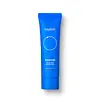 Key Ingredients
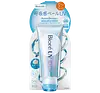
Benefits
Concerns
Ingredients Side-by-side
Water
Skin ConditioningDibutyl Adipate
EmollientPropanediol
Solvent
Polymethylsilsesquioxane

Diisopropyl Sebacate
EmollientDiethylamino Hydroxybenzoyl Hexyl Benzoate
UV Filter
Ethylhexyl Triazone
UV Absorber
Niacinamide
Smoothing










Methylene Bis-Benzotriazolyl Tetramethylbutylphenol
UV Filter
Coco-Caprylate/Caprate
Emollient
Diethylhexyl Butamido Triazone
UV Absorber
Glycerin
Humectant
1,2-Hexanediol
Skin Conditioning
Butylene Glycol
Humectant
Caprylyl Methicone
Skin Conditioning
Pentylene Glycol
Skin ConditioningBehenyl Alcohol
Emollient
Poly C10-30 Alkyl Acrylate
Emulsion StabilisingPolyglyceryl-3 Methylglucose Distearate
Emulsifying
Decyl Glucoside
CleansingTromethamine
BufferingCarbomer
Emulsion StabilisingAcrylates/C10-30 Alkyl Acrylate Crosspolymer
Emulsion StabilisingSodium Stearoyl Glutamate
CleansingPolyacrylate Crosspolymer-6
Emulsion StabilisingEthylhexylglycerin
Skin ConditioningAdenosine
Skin Conditioning
Xanthan Gum
EmulsifyingT-Butyl Alcohol
Perfuming


Tocopherol
Antioxidant

Water, Dibutyl Adipate, Propanediol, Polymethylsilsesquioxane, Diisopropyl Sebacate, Diethylamino Hydroxybenzoyl Hexyl Benzoate, Ethylhexyl Triazone, Niacinamide, Methylene Bis-Benzotriazolyl Tetramethylbutylphenol, Coco-Caprylate/Caprate, Diethylhexyl Butamido Triazone, Glycerin, 1,2-Hexanediol, Butylene Glycol, Caprylyl Methicone, Pentylene Glycol, Behenyl Alcohol, Poly C10-30 Alkyl Acrylate, Polyglyceryl-3 Methylglucose Distearate, Decyl Glucoside, Tromethamine, Carbomer, Acrylates/C10-30 Alkyl Acrylate Crosspolymer, Sodium Stearoyl Glutamate, Polyacrylate Crosspolymer-6, Ethylhexylglycerin, Adenosine, Xanthan Gum, T-Butyl Alcohol, Tocopherol
Water
Skin ConditioningEthylhexyl Methoxycinnamate
UV Absorber

Alcohol
Antimicrobial


Butylene Glycol
Humectant
Ethylhexyl Triazone
UV Absorber
Silica
Abrasive
Diethylamino Hydroxybenzoyl Hexyl Benzoate
UV Filter
Glyceryl Stearate
Emollient
Sodium Potassium Aluminum Silicate
Bis-Ethylhexyloxyphenol Methoxyphenyl Triazine
Skin Conditioning
Titanium Dioxide
Cosmetic Colorant
Diisopropyl Sebacate
EmollientDextrin Palmitate
Emulsifying
C12-15 Alkyl Benzoate
AntimicrobialAgar
MaskingDimethicone
Emollient
Talc
Abrasive
Sodium Polyacrylate Starch
AbsorbentSodium Polyacryloyldimethyl Taurate
Emulsion StabilisingCetyl Alcohol
Emollient
Glycerin
Humectant
Disodium EDTA
Aluminum Hydroxide
EmollientStearic Acid
Cleansing
Stearyl Alcohol
Emollient
Propanediol
Solvent
Glyceryl Behenate
Emollient
Polyvinyl Alcohol
Acrylates/C10-30 Alkyl Acrylate Crosspolymer
Emulsion StabilisingSodium Hydroxide
BufferingSorbitan Distearate
EmollientAminomethyl Propanol
BufferingBHT
Antioxidant
Sodium Stearoxy Pg-Hydroxyethylcellulose Sulfonate
Glutamic Acid
Humectant
Stearoyl Glutamic Acid
CleansingCeratonia Siliqua Gum
EmollientSodium Methyl Stearoyl Taurate
CleansingArginine
Masking
Maltose
MaskingAscorbyl Glucoside
Antioxidant

Sodium Hyaluronate
Humectant
Phenoxyethanol
Preservative
Parfum
Masking
Water, Ethylhexyl Methoxycinnamate, Alcohol, Butylene Glycol, Ethylhexyl Triazone, Silica, Diethylamino Hydroxybenzoyl Hexyl Benzoate, Glyceryl Stearate, Sodium Potassium Aluminum Silicate, Bis-Ethylhexyloxyphenol Methoxyphenyl Triazine, Titanium Dioxide, Diisopropyl Sebacate, Dextrin Palmitate, C12-15 Alkyl Benzoate, Agar, Dimethicone, Talc, Sodium Polyacrylate Starch, Sodium Polyacryloyldimethyl Taurate, Cetyl Alcohol, Glycerin, Disodium EDTA, Aluminum Hydroxide, Stearic Acid, Stearyl Alcohol, Propanediol, Glyceryl Behenate, Polyvinyl Alcohol, Acrylates/C10-30 Alkyl Acrylate Crosspolymer, Sodium Hydroxide, Sorbitan Distearate, Aminomethyl Propanol, BHT, Sodium Stearoxy Pg-Hydroxyethylcellulose Sulfonate, Glutamic Acid, Stearoyl Glutamic Acid, Ceratonia Siliqua Gum, Sodium Methyl Stearoyl Taurate, Arginine, Maltose, Ascorbyl Glucoside, Sodium Hyaluronate, Phenoxyethanol, Parfum
Reviews
Ingredients Explained
These ingredients are found in both products.
Ingredients higher up in an ingredient list are typically present in a larger amount.
Acrylates/C10-30 Alkyl Acrylate Crosspolymer is a synthetic polymer. It is used to thicken and improve the texture of products. Due to its properties, it can prevent water and oil ingredients from separating.
Butylene Glycol (or BG) is used within cosmetic products for a few different reasons:
Overall, Butylene Glycol is a safe and well-rounded ingredient that works well with other ingredients.
Though this ingredient works well with most skin types, some people with sensitive skin may experience a reaction such as allergic rashes, closed comedones, or itchiness.
Learn more about Butylene GlycolDiethylamino Hydroxybenzoyl Hexyl Benzoate (DHHB) is a chemical UV-A absorber. It is formulated for high UVA protection (320-400 nm).
DHHB is well-liked for:
DHHB has been approved by the EU, Japan, Taiwan, and South America for use up to 10%. Unfortunately, it has not been approved for use in the US or Canada due to slow regulatory processes.
This ingredient is soluble in oils, fats, and lipids.
Learn more about Diethylamino Hydroxybenzoyl Hexyl BenzoateWe don't have a description for Diisopropyl Sebacate yet.
Ethylhexyl Triazone is a modern chemical sunscreen that protects from UV-B radiation.
It is the most effective of existing UV-B filters, as it provides the highest level of photo-stable absorption. It protects from the entire UV-B range (280 to 320nm), with it's highest level of protection at 314nm.
Ethylhexyl Triazone is oil soluble, oderless and colorless, which mean it is able to be incorporated into a variety of different formulations.
It is not currently available within the United States due to slow changing FDA regulations. Outside of the US, it is used in formulations at concentrations up to 5%.
Learn more about Ethylhexyl TriazoneGlycerin is already naturally found in your skin. It helps moisturize and protect your skin.
A study from 2016 found glycerin to be more effective as a humectant than AHAs and hyaluronic acid.
As a humectant, it helps the skin stay hydrated by pulling moisture to your skin. The low molecular weight of glycerin allows it to pull moisture into the deeper layers of your skin.
Hydrated skin improves your skin barrier; Your skin barrier helps protect against irritants and bacteria.
Glycerin has also been found to have antimicrobial and antiviral properties. Due to these properties, glycerin is often used in wound and burn treatments.
In cosmetics, glycerin is usually derived from plants such as soybean or palm. However, it can also be sourced from animals, such as tallow or animal fat.
This ingredient is organic, colorless, odorless, and non-toxic.
Glycerin is the name for this ingredient in American English. British English uses Glycerol/Glycerine.
Learn more about GlycerinPropanediol is an all-star ingredient. It softens, hydrates, and smooths the skin.
It’s often used to:
Propanediol is not likely to cause sensitivity and considered safe to use. It is derived from corn or petroleum with a clear color and no scent.
Learn more about PropanediolWater. It's the most common cosmetic ingredient of all. You'll usually see it at the top of ingredient lists, meaning that it makes up the largest part of the product.
So why is it so popular? Water most often acts as a solvent - this means that it helps dissolve other ingredients into the formulation.
You'll also recognize water as that liquid we all need to stay alive. If you see this, drink a glass of water. Stay hydrated!
Learn more about Water
