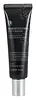
This anti-aging eye moisturizer is formulated around Galactomyces Ferment Filtrate and Lactobacillus/Collagen Ferment Filtrate to soften the look of wrinkles and hydrate skin.
This anti-aging eye moisturizer is formulated around Niacinamide and Palmitoyl Pentapeptide-4 to soften the look of wrinkles.

What's inside
What's inside
 Key Ingredients
Benefits
Concerns
Ingredients Side-by-side
Galactomyces Ferment Filtrate
Humectant







Lactobacillus/Collagen Ferment Filtrate
Humectant
Butylene Glycol
Humectant
Caprylic/Capric Triglyceride
Masking
Glycerin
Humectant
Cetearyl Alcohol
Emollient



Cetyl Ethylhexanoate
EmollientMacadamia Integrifolia Seed Oil
Skin Conditioning
Water
Skin Conditioning1,2-Hexanediol
Skin Conditioning
Cetearyl Olivate
Pentylene Glycol
Skin Conditioning
Bifida Ferment Lysate
Skin Conditioning
Ceramide NP
Skin Conditioning
Sorbitan Olivate
Emulsifying
Sorbitan Stearate
Emulsifying
Propanediol
Solvent
Betaine
Humectant
Panthenol
Skin Conditioning
Sodium Hyaluronate
Humectant
Aloe Barbadensis Leaf Extract
Emollient
Althaea Rosea Root Extract
HumectantBeta-Glucan
Skin Conditioning
Copper Tripeptide-1
Skin Conditioning
Palmitoyl Pentapeptide-4
Skin Conditioning
Palmitoyl Tripeptide-1
Skin Conditioning
Hexapeptide-11
Skin Conditioning
Hexapeptide-9
Skin Conditioning
Tripeptide-1
Skin Conditioning
Allantoin
Skin Conditioning
Acrylates/C10-30 Alkyl Acrylate Crosspolymer
Emulsion StabilisingIsopentyldiol
Humectant
Arginine
Masking
Sucrose Palmitate
EmollientSodium Surfactin
CleansingAdenosine
Skin Conditioning
Caprylyl Glycol
Emollient
Citrus Paradisi Fruit Extract
Skin ConditioningTocopherol
Antioxidant


Schisandra Chinensis Fruit Extract
Skin Conditioning
Perilla Ocymoides Leaf Extract
TonicAcorus Calamus Root Extract
Perfuming
Polyglyceryl-10 Laurate
Skin Conditioning
Galactomyces Ferment Filtrate, Lactobacillus/Collagen Ferment Filtrate, Butylene Glycol, Caprylic/Capric Triglyceride, Glycerin, Cetearyl Alcohol, Cetyl Ethylhexanoate, Macadamia Integrifolia Seed Oil, Water, 1,2-Hexanediol, Cetearyl Olivate, Pentylene Glycol, Bifida Ferment Lysate, Ceramide NP, Sorbitan Olivate, Sorbitan Stearate, Propanediol, Betaine, Panthenol, Sodium Hyaluronate, Aloe Barbadensis Leaf Extract, Althaea Rosea Root Extract, Beta-Glucan, Copper Tripeptide-1, Palmitoyl Pentapeptide-4, Palmitoyl Tripeptide-1, Hexapeptide-11, Hexapeptide-9, Tripeptide-1, Allantoin, Acrylates/C10-30 Alkyl Acrylate Crosspolymer, Isopentyldiol, Arginine, Sucrose Palmitate, Sodium Surfactin, Adenosine, Caprylyl Glycol, Citrus Paradisi Fruit Extract, Tocopherol, Schisandra Chinensis Fruit Extract, Perilla Ocymoides Leaf Extract, Acorus Calamus Root Extract, Polyglyceryl-10 Laurate
Water
Skin ConditioningMethylpropanediol
SolventGlycerin
Humectant
1,2-Hexanediol
Skin Conditioning
Niacinamide
Smoothing



Adenosine
Skin Conditioning
Collagen
Moisturising
Sodium Hyaluronate
Humectant
Hydrolyzed Hyaluronic Acid
Humectant
Sodium Acetylated Hyaluronate
Humectant
Tripeptide-1
Skin Conditioning
Palmitoyl Pentapeptide-4
Skin Conditioning
Hexapeptide-9
Skin Conditioning
Acetyl Hexapeptide-8
Humectant
Copper Tripeptide-1
Skin Conditioning
Pyrus Malus Fruit Extract
Skin Conditioning
Prunus Mume Fruit Extract
Humectant
Vitis Vinifera Fruit Extract
Skin ConditioningHelianthus Annuus Seed Oil
Emollient
Simmondsia Chinensis Seed Oil
Emollient
Limnanthes Alba Seed Oil
Skin Conditioning
Carica Papaya Fruit Extract
Skin ConditioningCentella Asiatica Extract
Cleansing
Ficus Carica Fruit Extract
Humectant
Ulmus Davidiana Root Extract
Skin Conditioning
Amaranthus Caudatus Seed Extract
Skin Conditioning
Ceramide NP
Skin Conditioning
Hydrogenated Lecithin
Emulsifying
Leuconostoc/Radish Root Ferment Filtrate
Antimicrobial
Butylene Glycol
Humectant
Hydroxyethyl Acrylate/Sodium Acryloyldimethyl Taurate Copolymer
Emulsion StabilisingC13-14 Alkane
SolventSodium Acrylic Acid/Ma Copolymer
C15-23 Alkane
SolventEthylhexylglycerin
Skin ConditioningDecyl Glucoside
Cleansing
Caprylyl Glycol
Emollient
Polyglyceryl-10 Stearate
Skin Conditioning
Tocopherol
Antioxidant
Water, Methylpropanediol, Glycerin, 1,2-Hexanediol, Niacinamide, Adenosine, Collagen, Sodium Hyaluronate, Hydrolyzed Hyaluronic Acid, Sodium Acetylated Hyaluronate, Tripeptide-1, Palmitoyl Pentapeptide-4, Hexapeptide-9, Acetyl Hexapeptide-8, Copper Tripeptide-1, Pyrus Malus Fruit Extract, Prunus Mume Fruit Extract, Vitis Vinifera Fruit Extract, Helianthus Annuus Seed Oil, Simmondsia Chinensis Seed Oil, Limnanthes Alba Seed Oil, Carica Papaya Fruit Extract, Centella Asiatica Extract, Ficus Carica Fruit Extract, Ulmus Davidiana Root Extract, Amaranthus Caudatus Seed Extract, Ceramide NP, Hydrogenated Lecithin, Leuconostoc/Radish Root Ferment Filtrate, Butylene Glycol, Hydroxyethyl Acrylate/Sodium Acryloyldimethyl Taurate Copolymer, C13-14 Alkane, Sodium Acrylic Acid/Ma Copolymer, C15-23 Alkane, Ethylhexylglycerin, Decyl Glucoside, Caprylyl Glycol, Polyglyceryl-10 Stearate, Tocopherol
Reviews
Ingredients Explained
These ingredients are found in both products.
Ingredients higher up in an ingredient list are typically present in a larger amount.
1,2-Hexanediol is a synthetic liquid and another multi-functional powerhouse.
It is a:
- Humectant, drawing moisture into the skin
- Emollient, helping to soften skin
- Solvent, dispersing and stabilizing formulas
- Preservative booster, enhancing the antimicrobial activity of other preservatives
Adenosine is a purine nucleoside that your body already makes in every cell. In skincare, it acts mainly as a skin conditioning and anti-aging agent.
The way it works is fairly well mapped out:
Your skin has cells called fibroblasts that build collagen (the stuff that keeps skin firm and smooth). Adenosine basically flips a switch on these cells that tells them to get to work making more collagen and other proteins. These cells slow down on their own as skin ages, so Adenosine helps give them a little nudge to keep going.
The clinical backing is pretty solid too.
A blind, randomized, placebo-controlled trial of 126 women aged 45-65 tested a 0.1% cream twice daily and found real improvements in crow's feet and frown lines using a precise 3D skin-mapping technique; these changes showed up by week 3 and held at 2 months.
A later study using Adenosine-loaded dissolving microneedle patches reported gains in wrinkle depth, dermal density, elasticity, and hydration.
On concentrations, South Korea's Ministry of Food and Drug Safety has set 0.04% as the approved functional anti-wrinkle level. You'll typically see this ingredient used somewhere in the 0.04-0.1% range since it works at low doses.
This ingredient has been found safe for cosmetics with the data showing no irritation or sensitization.
Overall, this is a great ingredient for any anti-aging routine and has no photosensitizing effect, so it suits both AM and PM use.
Learn more about AdenosineButylene Glycol (or BG) is used within cosmetic products for a few different reasons:
Overall, Butylene Glycol is a safe and well-rounded ingredient that works well with other ingredients.
Though this ingredient works well with most skin types, some people with sensitive skin may experience a reaction such as allergic rashes, closed comedones, or itchiness.
Learn more about Butylene GlycolCaprylyl Glycol is a humectant, skin conditioner, emollient, and preservative booster derived from either caprylic acid or synthetically created.
Typical use levels vary from 0.3-1% as a preservative booster and go up to 2% to condition skin.
Because it is not a free-fatty acid, this ingredient is fungal acne safe (there's nothing for Malassezia to feed on).
Learn more about Caprylyl GlycolCeramide NP (formerly known as Ceramide 3) is one of the skin's naturally occurring lipids.
Since ceramides are the major lipid components of the skin, they are crucial for maintaining skin barrier and hydration. Ceramide NP most closely mirrors the dominant kind in human skin amongst ceramide subtypes.
This ceramide works by slotting into gaps within the stratum corneum's lipid matrix to limit trans-epidermal water loss (TEWL) and shield the skin against external irritants.
A study with 312 patients found that using a ceramide-containing routine for 4 weeks reduced the severity of atopic dermatitis by over 61%.
Another clinical study in subjects aged 60 and older found that a ceramide body wash and moisturizer improved skin dryness and itchy skin in 15 days.
Overall, ceramides are considered non-irritating and safety tests have found little to no observable adverse effects from using this ingredient.
Ceramide NP is usually sourced from plants (like soybean or rice bran), or produced synthetically.
Learn more about Ceramide NPCopper Tripeptide-1 (GHK-Cu) is a skin repairing ingredient said to boost collagen, improve firmness, and support skin regeneration.
It is a complex made up of a naturally occurring peptide (glycine-histidine-lysine) and copper, an essential trace element.
While studying wound healing, researchers noticed GHK-Cu stimulated hair follicle enlargement and growth by keeping hair in its active growth phase longer. This has made it a promising ingredient for hair regrowth treatments.
Some people have reported increased facial hair. While GHK-Cu can make your hair follicles bigger, it usually doesn’t turn soft, barely-visible facial hairs into thick, dark ones.
Anecdotal reports suggest that overusing copper peptides might lead to premature aging due to excess free copper or enzyme imbalances. This claim isn’t backed by large-scale studies.
Unfortunately, there are limited human studies for this ingredient. While early results are promising, many studies are either small, in-vitro, or not rigorously controlled.
For example, there is a 1998 study that explored the effects of copper tripeptide, vitamin C, tretinoin, and melatonin on skin repair and collagen synthesis.
After one month, increased procollagen production was seen in 7 out of 10 participants using copper tripeptide (more than those using vitamin C, melatonin, or tretinoin.
While the study was exploratory, it offers early evidence that copper tripeptide may support collagen production. Larger, well-designed trials are still needed to confirm its potential and understand individual responses.
Read more about other common types of peptides here:
Learn more about Copper Tripeptide-1Glycerin (or glycerol) is a compound naturally found in your skin. It's a powerhouse humectant that pulls water into the stratum corneum.
Topically, glycerin does several things at once:
Your skin makes glycerin on its own (mostly from sebaceous oil breakdown) and shuttles it to your outermost layer of skin, or your epidermis, via aquaporin-3.
Aquaporin-3 is a transporter that is essential for normal skin hydration, elasticity, and repair. Interestingly, mice lacking in AQP3 have dry and less elastic skin that can be fully corrected with glycerin.
This ingredient is non-irritating, plays well with almost every ingredient, and works across all skin types. Typical use is anywhere between 3-10% but can go up to 79% in some leave-on products.
Just know very high concentrations (>40%) can feel tacky in low humidity.
Glycerin is the name for this ingredient in American English. British English uses Glycerol/Glycerine.
Learn more about GlycerinHexapeptide-9 is a signaling peptide that is made to mimic a fragment found naturally in collagen IV and XVII.
It is classified as a matrikine peptide and works by telling your skin cells (especially fibroblasts) to ramp up collagen and hyaluronic acid production.
In-vitro studies show it can enhance epidermal regeneration, boost synthesis of collagen types I, III, and IV, and improved markers of skin differentiation.
Think of skin differentiation like this: your skin cells are born at the bottom and slowly travel up to the surface as they "grow up". As they move up, they start producing specific proteins that make your skin do its job well. Two of these proteins are keratin (it makes your skin tough) and filaggrin (it breaks apart into tiny molecules to keep your skin hydrated). So Hexapeptide-9 has shown to help skin cells grow up properly and make stronger, more hydrated skin.
A manufacturer also reports increased collagen production by 117% and hyaluronic acid production by 267%.
Just know much of the published data comes from manufacturer-sponsored studies. There is a recent clinical trial showing promising anti-aging results but the evidence base is still growing.
Generally, this ingredient is well-tolerated and there's no harm in using it as a supportive ingredient in your routine.
Learn more about Hexapeptide-9You might know this ingredient as Matrixyl. It is a synthetic peptide made up of five amino acids attached to a palmitic acid, a fatty acid that helps it absorb into skin more easily.
As a signal peptide, Matrixyl acts like a little messenger. Once it reaches your skin cells, it tells them to ramp up production of collagen, elastin, and other proteins that keep skin looking firm and smooth.
A 12 week clinical study found that a moisturizer containing just 3 ppm of Matrixyl led to a significant improvement in fine-lines and wrinkles. Another study showed an 18% reduction in wrinkle depth, 37% reduction in wrinkle thickness, and a 21% improvement in skin firmness after just 28 days of twice-daily use.
The coolest part is that it works at incredibly low concentrations (like 0.0003%) and it plays well with other actives.
The CIR (Cosmetic Ingredient Review) panel found it to be non-sensitizing across multiple tests and human patch tests also showed no irritation or sensitization.
Fun fact: Matrixyl was originally developed by French company Sederma and Procter & Gamble.
Read more about other common types of peptides here:
Learn more about Palmitoyl Pentapeptide-4Sodium Hyaluronate is the salt form of hyaluronic acid. It is a long sugar chain that is naturally found in your skin, joints, and connective tissue that maintains hydration and elasticity.
In skincare, it works as a humectant. It pulls water from the environment and deeper layers of skin and binds it to the surface.
Interestingly, the size of the molecule affects its behavior:
Some clinical evidence links low molecular weight versions to improved wrinkle depth, elasticity, anti-inflammatory effects, and barrier repair.
Many serums use a blend of both weights so you can get surface hydration plus longer-lasting and deeper effects.
You'll typically see concentrations between 0.1-2% for this ingredient.
Learn more about Sodium HyaluronateTocopherol is a fat-soluble antioxidant known as Vitamin E.
You'll find this ingredient in the vast majority of skincare (for good reason). It works to neutralize free radicals, or unstable molecules generated by UV exposure, pollution, and other environmental stressors, before they can cause oxidative damage to your skin cells.
Topically applied tocopherol has been shown to protect against UV damage by ramping up the skin's own natural defense enzymes.
It also acts as a skin conditioning agent; some studies show that regular topical use can improve the skin's water-binding capacity over 2-4 weeks.
This ingredient is especially loved for being a team player. When combined with Vitamin C, the photoprotective effect of both ingredients roughly doubles and the combo also helps reduce UV-induced DNA damage.
This ingredient has some brightening potential but it's more of a prevention ingredient than spot-fader. Cell studies show it can slow down melanin production but it's worth noting that it's not the most powerful brightener out there.
In formulations, it also serves as a stabilizer that helps protect other oxidation-prone ingredients from degrading.
Concentrations usually range from 0.1-1% in most leave-on products.
Learn more about TocopherolTripeptide-1, also known as GHK), is a small, three-amino-acid peptide made up of glycine, histidine, and lysine.
This ingredient is a signal peptide and tell your skin to start producing fresh collagen, elastin, and other key structural proteins. This helps maintain firmness and reduces the look of fine-lines/wrinkles.
GHK is also unique because is also acts as a carrier peptide. It binds to and transports copper ions (forming the complex GHK-Cu). This form has been studied for decades and is known to stimulate wound healing, boost antioxidant defenses, and promote collagen/elastin synthesis.
In-vitro studies show both GHK and GHK-CU increase fibroblast activity that enhances the production of collagen, elastin, fibronectin, and other extracellular matrix components.
Both of these compounds also help balance enzymes that control collagen breakdown.
Human studies (in-vivo) using GHK-Cu creams have reported visible improvements to skin density, elasticity, and wrinkle depth after several weeks of use.
A small clinical study also found topical collagen tripeptide improved wrinkle appearance and skin elasticity in women after four weeks.
While these results are promising, most research is based on GHK-Cu or its derivatives rather than Tripeptide-1 alone (Palmitoyl Tripeptide-1 is a famous derivative of GHK). However, the consensus still supports GHK as a potent skin-signaling molecule that can encourage regeneration and maintain youthful looking skin.
Fun fact: GHK is a naturally occurring fragment of type 1 collagen that can be found in human plasma, saliva, and urine.
Learn more about Tripeptide-1Water. It's the most common cosmetic ingredient of all. You'll usually see it at the top of ingredient lists, meaning that it makes up the largest part of the product.
So why is it so popular? Water most often acts as a solvent - this means that it helps dissolve other ingredients into the formulation.
You'll also recognize water as that liquid we all need to stay alive. If you see this, drink a glass of water. Remember to stay hydrated!
Learn more about Water

