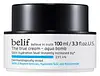
This calming moisturizer is formulated around Avena Sativa Kernel Extract and Calendula Officinalis Flower Extract to calm redness and hydrate skin.
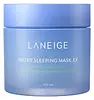
This hydrating overnight mask is formulated around Squalane and Lactobacillus Ferment Lysate to hydrate skin and strengthen the skin barrier.

What's inside
What's inside
 Key Ingredients
Benefits
Concerns
Ingredients Side-by-side
Water
Skin ConditioningDipropylene Glycol
HumectantGlycerin
Humectant


Methyl Trimethicone
Skin Conditioning
Alcohol Denat.
Antimicrobial




Dimethicone
Emollient
Cyclopentasiloxane
Emollient
1,2-Hexanediol
Skin Conditioning
Caprylic/Capric Triglyceride
Masking
PEG/PPG/Polybutylene Glycol-8/5/3 Glycerin
HumectantPentaerythrityl Tetraethylhexanoate
Emollient
Avena Sativa Kernel Extract
Abrasive



Calendula Officinalis Flower Extract
Masking
Nepeta Cataria Extract
TonicRubus Idaeus Leaf Extract
Skin ConditioningBaptisia Tinctoria Root Extract
Skin ConditioningStellaria Media Extract
Skin ConditioningAlchemilla Vulgaris Leaf Extract
Antioxidant
Equisetum Arvense Leaf Extract
AstringentUrtica Dioica Leaf Extract
Skin ConditioningSodium Hyaluronate
Humectant

Niacinamide
Smoothing






Polymethylsilsesquioxane
Panthenol
Skin Conditioning
PEG-150
HumectantPentaerythrityl Tetraisostearate
Emollient
Phenyl Trimethicone
Skin Conditioning
Hydroxyethyl Acrylate/Sodium Acryloyldimethyl Taurate Copolymer
Emulsion StabilisingCarbomer
Emulsion StabilisingTromethamine
BufferingSqualane
Emollient
PEG-40 Hydrogenated Castor Oil
Emulsifying
Dimethiconol
Emollient
Acrylates/C10-30 Alkyl Acrylate Crosspolymer
Emulsion StabilisingC14-22 Alcohols
Emulsion Stabilising
Polysorbate 60
Emulsifying
Butylene Glycol
Humectant
Macadamia Ternifolia Seed Oil
Emollient
Malachite Extract
Antioxidant
Triethylhexanoin
MaskingTrisodium EDTA
Arachidyl Glucoside
EmulsifyingButyrospermum Parkii Butter
Skin Conditioning

Hydrogenated Lecithin
Emulsifying
Sorbitan Isostearate
Emulsifying
Glyceryl Stearate
Emollient
Stearic Acid
Cleansing
Ceramide NP
Skin Conditioning
Cholesterol
Emollient
PEG-100 Stearate
Surfactant
Rosmarinus Officinalis Leaf Oil
Masking
Citrus Aurantifolia Oil
Cleansing
Pelargonium Graveolens Flower Oil
Masking
Citrus Aurantium Dulcis Peel Oil
Masking
Citral
Perfuming
Citronellol
Perfuming
Limonene
Perfuming
Geraniol
Perfuming
Linalool
Perfuming
Water, Dipropylene Glycol, Glycerin, Methyl Trimethicone, Alcohol Denat., Dimethicone, Cyclopentasiloxane, 1,2-Hexanediol, Caprylic/Capric Triglyceride, PEG/PPG/Polybutylene Glycol-8/5/3 Glycerin, Pentaerythrityl Tetraethylhexanoate, Avena Sativa Kernel Extract, Calendula Officinalis Flower Extract, Nepeta Cataria Extract, Rubus Idaeus Leaf Extract, Baptisia Tinctoria Root Extract, Stellaria Media Extract, Alchemilla Vulgaris Leaf Extract, Equisetum Arvense Leaf Extract, Urtica Dioica Leaf Extract, Sodium Hyaluronate, Niacinamide, Polymethylsilsesquioxane, Panthenol, PEG-150, Pentaerythrityl Tetraisostearate, Phenyl Trimethicone, Hydroxyethyl Acrylate/Sodium Acryloyldimethyl Taurate Copolymer, Carbomer, Tromethamine, Squalane, PEG-40 Hydrogenated Castor Oil, Dimethiconol, Acrylates/C10-30 Alkyl Acrylate Crosspolymer, C14-22 Alcohols, Polysorbate 60, Butylene Glycol, Macadamia Ternifolia Seed Oil, Malachite Extract, Triethylhexanoin, Trisodium EDTA, Arachidyl Glucoside, Butyrospermum Parkii Butter, Hydrogenated Lecithin, Sorbitan Isostearate, Glyceryl Stearate, Stearic Acid, Ceramide NP, Cholesterol, PEG-100 Stearate, Rosmarinus Officinalis Leaf Oil, Citrus Aurantifolia Oil, Pelargonium Graveolens Flower Oil, Citrus Aurantium Dulcis Peel Oil, Citral, Citronellol, Limonene, Geraniol, Linalool
Water
Skin ConditioningButylene Glycol
Humectant
Glycerin
Humectant
Trehalose
Humectant
Methyl Trimethicone
Skin Conditioning
1,2-Hexanediol
Skin Conditioning
Squalane
Emollient
Phenyl Trimethicone
Skin Conditioning
PCA Dimethicone
Skin Conditioning
Caprylyl Methicone
Skin Conditioning
Ammonium Acryloyldimethyltaurate/Vp Copolymer
Lactobacillus Ferment Lysate
Skin Conditioning
Carbomer
Emulsion StabilisingPropanediol
Solvent
Tromethamine
BufferingAcrylates/C10-30 Alkyl Acrylate Crosspolymer
Emulsion StabilisingGlyceryl Caprylate
EmollientEthylhexylglycerin
Skin ConditioningDisodium EDTA
Raffinose
Skin ConditioningStearyl Behenate
Emollient
Malachite Extract
Antioxidant
Parfum
Masking
Polyglyceryl-3 Methylglucose Distearate
Emulsifying
Inulin Lauryl Carbamate
Emulsion StabilisingTranexamic Acid
Astringent
Tryptophan
MaskingHydroxypropyl Bispalmitamide Mea
Emollient
Beta-Glucan
Skin Conditioning
Limonene
Perfuming
Acorus Gramineus Extract
HumectantLinalool
Perfuming
Tocopherol
Antioxidant
Water, Butylene Glycol, Glycerin, Trehalose, Methyl Trimethicone, 1,2-Hexanediol, Squalane, Phenyl Trimethicone, PCA Dimethicone, Caprylyl Methicone, Ammonium Acryloyldimethyltaurate/Vp Copolymer, Lactobacillus Ferment Lysate, Carbomer, Propanediol, Tromethamine, Acrylates/C10-30 Alkyl Acrylate Crosspolymer, Glyceryl Caprylate, Ethylhexylglycerin, Disodium EDTA, Raffinose, Stearyl Behenate, Malachite Extract, Parfum, Polyglyceryl-3 Methylglucose Distearate, Inulin Lauryl Carbamate, Tranexamic Acid, Tryptophan, Hydroxypropyl Bispalmitamide Mea, Beta-Glucan, Limonene, Acorus Gramineus Extract, Linalool, Tocopherol
Reviews
Ingredients Explained
These ingredients are found in both products.
Ingredients higher up in an ingredient list are typically present in a larger amount.
1,2-Hexanediol is a synthetic liquid and another multi-functional powerhouse.
It is a:
- Humectant, drawing moisture into the skin
- Emollient, helping to soften skin
- Solvent, dispersing and stabilizing formulas
- Preservative booster, enhancing the antimicrobial activity of other preservatives
Acrylates/C10-30 Alkyl Acrylate Crosspolymer is a synthetic polymer. It is used to thicken, emulsify, and improve the texture of products.
As an emulsifier, it helps stabilize oil-in-water emulsions to give products an elegant feel when applied.
It can also form a thin protective film on skin. One study found that a formula using this polymer helped slow down how quickly other ingredients (like DEET) were absorbed through skin.
A 2024 study of over 1,300 patients confirmed that sensitization to this ingredient is rare. It is also non-mutagenic and has a clean track record.
Learn more about Acrylates/C10-30 Alkyl Acrylate CrosspolymerButylene Glycol (or BG) is used within cosmetic products for a few different reasons:
Overall, Butylene Glycol is a safe and well-rounded ingredient that works well with other ingredients.
Though this ingredient works well with most skin types, some people with sensitive skin may experience a reaction such as allergic rashes, closed comedones, or itchiness.
Learn more about Butylene GlycolCarbomer is a synthetic thickening and gelling agent. It's basically the ingredient that gives a lot of serums, gels, creams, and sunscreens their smooth, non-sticky texture.
Although legally permitted at very high levels, carbomers are normally used at concentrations below 1%.
It also needs to be neutralized to actually thicken, and because it is a large molecule, it doesn't really penetrate the skin barrier.
Allergy-wise, the risk is very low. Clinical studies show carbomers have low potential for skin irritation/sensitization even at concentrations up to 100%.
A 2024 UK study patch-tested 1,302 patients and found true allergy to the parent group of carbomer to be rare with no confirmed relevant reactions.
Learn more about CarbomerGlycerin (or glycerol) is a compound naturally found in your skin. It's a powerhouse humectant that pulls water into the stratum corneum.
Topically, glycerin does several things at once:
Your skin makes glycerin on its own (mostly from sebaceous oil breakdown) and shuttles it to your outermost layer of skin, or your epidermis, via aquaporin-3.
Aquaporin-3 is a transporter that is essential for normal skin hydration, elasticity, and repair. Interestingly, mice lacking in AQP3 have dry and less elastic skin that can be fully corrected with glycerin.
This ingredient is non-irritating, plays well with almost every ingredient, and works across all skin types. Typical use is anywhere between 3-10% but can go up to 79% in some leave-on products.
Just know very high concentrations (>40%) can feel tacky in low humidity.
Glycerin is the name for this ingredient in American English. British English uses Glycerol/Glycerine.
Learn more about GlycerinLimonene is a fragrance that adds scent and taste to a formulation.
It's found in the peel oil of citrus fruits and other plants such as lavender and eucalyptus. The scent of limonene is generally described as "sweet citrus".
Limonene acts as an antioxidant, meaning it helps neutralize free radicals.
When exposed to air, oxidized limonene may sensitize the skin. Because of this, limonene is often avoided by people with sensitive skin.
The term 'fragrance' is not regulated in many countries. In many cases, it is up to the brand to define this term. For instance, many brands choose to label themselves as "fragrance-free" because they are not using synthetic fragrances. However, their products may still contain ingredients such as essential oils that are considered a fragrance.
Learn more about LimoneneLinalool is a fragrance and helps add scent to products. It's derived from common plants such as cinnamon, mint, citrus, and lavender.
Like Limonene, this ingredient oxidizes when exposed to air. Oxidized linalool can cause allergies and skin sensitivity.
This ingredient has a scent that is floral, spicy tropical, and citrus-like.
Learn more about LinaloolMalachite extract is created by grinding down the malachite stone.
More than half of the mineral is made up of copper, which plays a role in skin formation and regeneration processes.
Methyl Trimethicone is a type of silicone. It is a solvent and emulsifier.
Solvents are used to keep ingredients together in a product. They can help dissolve ingredients to stable bases or help evenly distribute ingredients throughout the product.
Emulsifiers help stabilize a product. It does this by preventing certain ingredients from separating.
Methyl Trimethicone does not get absorbed into the skin.
Learn more about Methyl TrimethiconePhenyl Trimethicone is a silicon-based polymer. It is derived from silica.
Phenyl Trimethicone is used as an emollient and prevents products from foaming.
As an emollient, it helps trap moisture in the skin. It is considered an occlusive.
Learn more about Phenyl TrimethiconeSqualane is the hydrogenated and shelf-stable form of squalene (a lipid that naturally occurs in human sebum).
It is an emollient and skin conditioning agent that is able to integrate seamlessly into the skin's lipid barrier without clogging pores.
This is due to how structurally similar it is to what your skin already produces.
Though it is mostly an emollient that helps soften and hydrate skin, it also has some humectant and occlusive action. Humectants help the skin retain moisture while occlusives seal it in, making squalane a triple-threat moisturizer.
Research shows it has antioxidant capabilities that help protect against stressors like UV exposure, specifically UVA induced oxidative stress. This study also found that it supports collagen biosynthesis in human dermal fibroblasts.
No clinical study has reported significant adverse effects and irritation reactions are very rare from this ingredient (even at 100% concentration).
Overall, it's a fantastic ingredient for hydration and is suitable for all skin types.
This depends on the source. Squalane can be derived from both plants and animals. Most squalane used in skincare comes from plants.
Please note: the source of squalane is only known if disclosed by the brand. We recommend reaching out to the brand if you have any questions about their squalane.
Read more about squalene with an "e".
Though squalane is often called an oil, it’s technically not one. It is a hydrocarbon, meaning it is only made of carbon and hydrogen. True oils are triglycerides and made of fatty acids and glycerol.
The term “oil-free” isn’t regulated so companies can define it however they want. Some exclude all oils, while others just avoid mineral oil or comedogenic oils.
Squalane has a comedogenic rating of 1 from the original 1972 study that tested raw ingredients under occlusion on rabbit ears. This system is not standardized or peer-reviewed, and using the raw ingredients is very different from how diluted cosmetic formulations are used on human skin.
A comedogenic rating of 1 means it is "unlikely to clog pores" according to the original rating system.
The overall formula of a product matters more than the individual ingredients on whether or not it will cause clogged pores.
Learn more about SqualaneTromethamine (aka THAM) is a synthetic amino acid that shows up in skincare as a helper ingredient.
It functions as a pH adjuster to help neutralize acidic ingredients and set a formula's pH to the right spot.
This matters a lot because a lot of actives (like vitamin C) needs a specific pH to work well and feel comfortable on skin.
Concentration use ranges from 0.1-1.0% depending on the formula.
Learn more about TromethamineWater. It's the most common cosmetic ingredient of all. You'll usually see it at the top of ingredient lists, meaning that it makes up the largest part of the product.
So why is it so popular? Water most often acts as a solvent - this means that it helps dissolve other ingredients into the formulation.
You'll also recognize water as that liquid we all need to stay alive. If you see this, drink a glass of water. Remember to stay hydrated!
Learn more about Water

