

What's inside
What's inside
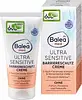 Key Ingredients
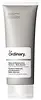
Benefits
Concerns
Ingredients Side-by-side
Water
Skin ConditioningPanthenol
Skin Conditioning




Glycerin
Humectant
Ethylhexyl Stearate
Emollient

Helianthus Annuus Hybrid Oil
Emollient
Behenyl Alcohol
Emollient
Cetyl Alcohol
Emollient
Glyceryl Stearate
Emollient
Pentaerythrityl Distearate
Emulsifying
Butyrospermum Parkii Butter
Skin Conditioning
Dicaprylyl Carbonate
EmollientLactobacillus Ferment
Skin Conditioning
Phytosterols
Skin Conditioning
Ceramide AP
Skin Conditioning

Glyceryl Caprylate
EmollientAvena Sativa Kernel Extract
Abrasive

Caprylic/Capric Triglyceride
Masking
Myristic Acid
Cleansing
Oleic Acid
Emollient
Sodium Stearoyl Glutamate
CleansingMicrocrystalline Cellulose
AbsorbentXanthan Gum
EmulsifyingCellulose Gum
Emulsion StabilisingCeramide Ng
Skin Conditioning
Ceramide NP
Skin Conditioning
Pentylene Glycol
Skin ConditioningPalmitic Acid
Emollient
Propanediol
Solvent
Caprylyl Glycol
Emollient
Caprylhydroxamic Acid
Sodium Benzoate
Masking
Potassium Sorbate
Preservative
Citric Acid
Buffering




Sodium Hydroxide
BufferingWater, Panthenol, Glycerin, Ethylhexyl Stearate, Helianthus Annuus Hybrid Oil, Behenyl Alcohol, Cetyl Alcohol, Glyceryl Stearate, Pentaerythrityl Distearate, Butyrospermum Parkii Butter, Dicaprylyl Carbonate, Lactobacillus Ferment, Phytosterols, Ceramide AP, Glyceryl Caprylate, Avena Sativa Kernel Extract, Caprylic/Capric Triglyceride, Myristic Acid, Oleic Acid, Sodium Stearoyl Glutamate, Microcrystalline Cellulose, Xanthan Gum, Cellulose Gum, Ceramide Ng, Ceramide NP, Pentylene Glycol, Palmitic Acid, Propanediol, Caprylyl Glycol, Caprylhydroxamic Acid, Sodium Benzoate, Potassium Sorbate, Citric Acid, Sodium Hydroxide
Water
Skin ConditioningPPG-24-Glycereth-24
EmulsifyingPropanediol
Solvent
Betaine
Humectant
Beta-Glucan
Skin Conditioning
Arginine
Masking
Glycine
Buffering
Alanine
MaskingSerine
Masking
Proline
Skin ConditioningThreonine
Glutamic Acid
Humectant
Lysine Hcl
Skin Conditioning
Glucose
Humectant
Maltose
MaskingFructose
Humectant
Trehalose
Humectant
Xylitol
Humectant
Anhydroxylitol
Humectant
Xylitylglucoside
Humectant
Sodium PCA
Humectant
PCA
Humectant
Sodium Lactate
BufferingUrea
Buffering

Allantoin
Skin Conditioning
Sodium Hyaluronate
Humectant
Phospholipids
Skin Conditioning
Sphingolipids
Emollient
Glycerin
Humectant
Pentylene Glycol
Skin ConditioningAcrylates/C10-30 Alkyl Acrylate Crosspolymer
Emulsion StabilisingSodium Hydroxide
BufferingSodium Chloride
Masking
Sodium Citrate
BufferingCitric Acid
Buffering
Tocopherol
Antioxidant
P-Anisic Acid
MaskingAminomethyl Propanol
BufferingPhenoxyethanol
Preservative
Chlorphenesin
Antimicrobial
Water, PPG-24-Glycereth-24, Propanediol, Betaine, Beta-Glucan, Arginine, Glycine, Alanine, Serine, Proline, Threonine, Glutamic Acid, Lysine Hcl, Glucose, Maltose, Fructose, Trehalose, Xylitol, Anhydroxylitol, Xylitylglucoside, Sodium PCA, PCA, Sodium Lactate, Urea, Allantoin, Sodium Hyaluronate, Phospholipids, Sphingolipids, Glycerin, Pentylene Glycol, Acrylates/C10-30 Alkyl Acrylate Crosspolymer, Sodium Hydroxide, Sodium Chloride, Sodium Citrate, Citric Acid, Tocopherol, P-Anisic Acid, Aminomethyl Propanol, Phenoxyethanol, Chlorphenesin
Reviews
Ingredients Explained
These ingredients are found in both products.
Ingredients higher up in an ingredient list are typically present in a larger amount.
Citric Acid is an alpha hydroxy acid (AHA) naturally found in citrus fruits like oranges, lemons, and limes.
Like other AHAs, citric acid can exfoliate skin by breaking down the bonds that hold dead skin cells together. This helps reveal smoother and brighter skin underneath.
However, this exfoliating effect only happens at high concentrations (20%) which can be hard to find in cosmetic products.
Due to this, citric acid is usually included in small amounts as a pH adjuster. This helps keep products slightly more acidic and compatible with skin's natural pH.
In skincare formulas, citric acid can:
While it can provide some skin benefits, research shows lactic acid and glycolic acid are generally more effective and less irritating exfoliants.
Most citric acid used in skincare today is made by fermenting sugars (usually from molasses). This synthetic version is identical to the natural citrus form but easier to stabilize and use in formulations.
Read more about some other popular AHA's here:
Learn more about Citric AcidGlycerin is already naturally found in your skin. It helps moisturize and protect your skin.
A study from 2016 found glycerin to be more effective as a humectant than AHAs and hyaluronic acid.
As a humectant, it helps the skin stay hydrated by pulling moisture to your skin. The low molecular weight of glycerin allows it to pull moisture into the deeper layers of your skin.
Hydrated skin improves your skin barrier; Your skin barrier helps protect against irritants and bacteria.
Glycerin has also been found to have antimicrobial and antiviral properties. Due to these properties, glycerin is often used in wound and burn treatments.
In cosmetics, glycerin is usually derived from plants such as soybean or palm. However, it can also be sourced from animals, such as tallow or animal fat.
This ingredient is organic, colorless, odorless, and non-toxic.
Glycerin is the name for this ingredient in American English. British English uses Glycerol/Glycerine.
Learn more about GlycerinPentylene glycol is typically used within a product to thicken it. It also adds a smooth, soft, and moisturizing feel to the product. It is naturally found in plants such as sugar beets.
The hydrophilic trait of Pentylene Glycol makes it a humectant. As a humectant, Pentylene Glycol helps draw moisture from the air to your skin. This can help keep your skin hydrated.
This property also makes Pentylene Glycol a great texture enhancer. It can also help thicken or stabilize a product.
Pentylene Glycol also acts as a mild preservative and helps to keep a product microbe-free.
Some people may experience mild eye and skin irritation from Pentylene Glycol. We always recommend speaking with a professional about using this ingredient in your routine.
Pentylene Glycol has a low molecular weight and is part of the 1,2-glycol family.
Learn more about Pentylene GlycolPropanediol is an all-star ingredient. It softens, hydrates, and smooths the skin.
It’s often used to:
Propanediol is not likely to cause sensitivity and considered safe to use. It is derived from corn or petroleum with a clear color and no scent.
Learn more about PropanediolSodium Hydroxide is also known as lye or caustic soda. It is used to adjust the pH of products; many ingredients require a specific pH to be effective.
In small amounts, sodium hydroxide is considered safe to use. However, large amounts may cause chemical burns due to its high alkaline.
Your skin has a natural pH and acid mantle. This acid mantle helps prevent harmful bacteria from breaking through. The acid mantle also helps keep your skin hydrated.
"Alkaline" refers to a high pH level. A low pH level would be considered acidic.
Learn more about Sodium HydroxideWater. It's the most common cosmetic ingredient of all. You'll usually see it at the top of ingredient lists, meaning that it makes up the largest part of the product.
So why is it so popular? Water most often acts as a solvent - this means that it helps dissolve other ingredients into the formulation.
You'll also recognize water as that liquid we all need to stay alive. If you see this, drink a glass of water. Stay hydrated!
Learn more about Water
