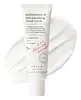
This barrier-repair moisturizer is formulated around Panthenol and Squalane to strengthen the skin barrier and calm redness.
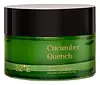
This calming day moisturizer is formulated around Sodium Hyaluronate and Cucumis Sativus Fruit Extract to calm redness and hydrate skin.


What's inside
What's inside
 Key Ingredients
Benefits
Concerns
Ingredients Side-by-side
Water
Skin ConditioningPanthenol 10%
Skin Conditioning




Methylpropanediol
SolventSqualane
Emollient
Glycerin
Humectant
Cetyl Ethylhexanoate
EmollientVinyldimethicone

Propylheptyl Caprylate
EmollientCetearyl Alcohol
Emollient






Betaine
Humectant
Asiaticoside
Antioxidant

Madecassic Acid
Skin Conditioning
Madecassoside
Antioxidant
Asiatic Acid
Skin Conditioning
Centella Asiatica Extract
Cleansing
Centella Asiatica Root Extract
Skin Conditioning
Centella Asiatica Leaf Extract
Skin Conditioning
Tocopherol
Antioxidant


Beta-Sitosterol
Emulsion Stabilising
Taurine
BufferingXylitol
Humectant
Erythritol
Humectant
Arginine
Masking
Phytosterols
Skin Conditioning
Ceramide NP
Skin Conditioning
Morus Alba Root Extract
BleachingSaccharomyces Ferment
Skin Conditioning
1,2-Hexanediol
Skin Conditioning
Polyglyceryl-2 Stearate
Emulsifying
Glyceryl Stearate
Emollient
Glyceryl Stearate Se
Emulsifying
Stearyl Alcohol
Emollient
Hydroxyacetophenone
Antioxidant
Hydroxyethyl Acrylate/Sodium Acryloyldimethyl Taurate Copolymer
Emulsion StabilisingBehenyl Alcohol
Emollient
Acrylates/C10-30 Alkyl Acrylate Crosspolymer
Emulsion StabilisingHydrogenated Lecithin
Emulsifying
Xanthan Gum
EmulsifyingEthylhexylglycerin
Skin ConditioningTromethamine
BufferingDisodium EDTA
ChelatingCitric Acid
Buffering
Cholesterol
Emollient
Sorbitan Isostearate
Emulsifying
Butylene Glycol
Humectant
Propanediol
Solvent
Hydroxypropyl Cyclodextrin
MaskingSucrose Distearate
Emollient
Water, Panthenol 10%, Methylpropanediol, Squalane, Glycerin, Cetyl Ethylhexanoate, Vinyldimethicone, Propylheptyl Caprylate, Cetearyl Alcohol, Betaine, Asiaticoside, Madecassic Acid, Madecassoside, Asiatic Acid, Centella Asiatica Extract, Centella Asiatica Root Extract, Centella Asiatica Leaf Extract, Tocopherol, Beta-Sitosterol, Taurine, Xylitol, Erythritol, Arginine, Phytosterols, Ceramide NP, Morus Alba Root Extract, Saccharomyces Ferment, 1,2-Hexanediol, Polyglyceryl-2 Stearate, Glyceryl Stearate, Glyceryl Stearate Se, Stearyl Alcohol, Hydroxyacetophenone, Hydroxyethyl Acrylate/Sodium Acryloyldimethyl Taurate Copolymer, Behenyl Alcohol, Acrylates/C10-30 Alkyl Acrylate Crosspolymer, Hydrogenated Lecithin, Xanthan Gum, Ethylhexylglycerin, Tromethamine, Disodium EDTA, Citric Acid, Cholesterol, Sorbitan Isostearate, Butylene Glycol, Propanediol, Hydroxypropyl Cyclodextrin, Sucrose Distearate
Water
Skin ConditioningHexylene Glycol
EmulsifyingPolysorbate 20
Emulsifying
Propylene Glycol
Humectant
Sodium Hyaluronate
Humectant
Anhydroxylitol
Humectant
Cucumis Sativus Fruit Extract
Emollient
Xylitol
Humectant
Xylitylglucoside
Humectant
Tocopheryl Acetate
Antioxidant
Dimethylsilanol Hyaluronate
Humectant
Silica
Abrasive


Methylsilanol Mannuronate
Skin ConditioningBiosaccharide Gum-1
Humectant
Caesalpinia Spinosa Fruit Pod Extract
Helianthus Annuus Sprout Extract
Skin ConditioningCarbomer
Emulsion StabilisingBis-C16-20 Isoalkoxy Tmhdi/PEG-90 Copolymer
Phenoxyethanol
Preservative
Sodium Polyacryloyldimethyl Taurate
Emulsion StabilisingParfum
Masking


Sodium Gluconate
ChelatingSodium Hydroxide
BufferingHydroxyacetophenone
Antioxidant
Caprylyl Glycol
Emollient
Sodium Benzoate
Masking
Water, Hexylene Glycol, Polysorbate 20, Propylene Glycol, Sodium Hyaluronate, Anhydroxylitol, Cucumis Sativus Fruit Extract, Xylitol, Xylitylglucoside, Tocopheryl Acetate, Dimethylsilanol Hyaluronate, Silica, Methylsilanol Mannuronate, Biosaccharide Gum-1, Caesalpinia Spinosa Fruit Pod Extract, Helianthus Annuus Sprout Extract, Carbomer, Bis-C16-20 Isoalkoxy Tmhdi/PEG-90 Copolymer, Phenoxyethanol, Sodium Polyacryloyldimethyl Taurate, Parfum, Sodium Gluconate, Sodium Hydroxide, Hydroxyacetophenone, Caprylyl Glycol, Sodium Benzoate
Reviews
Ingredients Explained
These ingredients are found in both products.
Ingredients higher up in an ingredient list are typically present in a larger amount.
Hydroxyacetophenone is a small phenolic molecule that earns its place in a formulas as an antioxidant and preservative booster.
As a phenol, it is able to neutralize free radicals to protect both the product and the skin from oxidative stress.
Though it can't kill microbes on its own, it works as a good supporting agent when combined with other preservatives like Phenoxyethanol or 1,2-Hexanediol.
This ingredient naturally occurs as piceol in Norwegian spruce needles (~0.4-1.1% dry weight and in cloudberries). Though the cosmetic-grade material is synthesized for purity and consistency.
You'll usually see it used at low levels and suppliers recommend up to 1% added to a water phase.
Safety testing was done at concentrations like 0.05% in SPF products and 0.5% in a Human Repeated Insult Patch Test. The safety evidence is assuring; this ingredient is safe for cosmetics in current use and also holds safety status as a food flavoring as well.
An honest caveat: the "soothing" and "anti-inflammatory" claims come mostly from supplier marketing rather than published clinical trials. The Cosmetic Ingredient Review's own literature search found no useful efficacy studies on this ingredient.
So the antioxidant and preservative-boosting roles are the well supported ones while the calming benefit is plausible but thinly evidenced.
Overall, this is a well-tolerated, low-irritation multitasker that quietly helps a formula stay fresh and stable.
Learn more about HydroxyacetophenoneWater. It's the most common cosmetic ingredient of all. You'll usually see it at the top of ingredient lists, meaning that it makes up the largest part of the product.
So why is it so popular? Water most often acts as a solvent - this means that it helps dissolve other ingredients into the formulation.
You'll also recognize water as that liquid we all need to stay alive. If you see this, drink a glass of water. Remember to stay hydrated!
Learn more about WaterXylitol is a humectant and prebiotic. It can help with dry skin.
In studies, xylitol has been shown to improve dry skin. It decreased transepidermal water loss, or when water passes through the skin and evaporates. Xylitol also showed to help improve the biomechanical properties of the skin barrier.
The prebiotic property of xylitol may also help reinforce our skin's natural microbiome. Having a healthy microbiome prevents infection by bad bacteria and helps with hydration.
As a humectant, Xylitol helps draw moisture from both the air and from deeper skin layers. This helps keep skin hydrated.
Xylitol is a sugar alcohol and commonly used as a sugar substitute. It is naturally occurring in plants such as strawberries and pumpkin.
Learn more about Xylitol

