

What's inside
What's inside
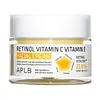 Key Ingredients
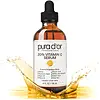
Benefits
Concerns
Ingredients Side-by-side
Water
Skin ConditioningCentella Asiatica Extract 21.6%
Cleansing



Glycerin
Humectant


Cetyl Ethylhexanoate
EmollientButylene Glycol
Humectant
Polyglyceryl-3 Methylglucose Distearate
Emulsifying
Retinol
Skin Conditioning






Glycine Soja Oil
Emollient

BHT
Antioxidant
Tocopheryl Acetate
Antioxidant
Ascorbic Acid
Antioxidant
Sodium Hyaluronate
Humectant
Stearic Acid
Cleansing
Sodium Polyacryloyldimethyl Taurate
Emulsion StabilisingHydrogenated Polydecene
EmollientTrideceth-10
CleansingSilica
Abrasive

Glyceryl Stearate
Emollient
Beeswax
Emulsion Stabilising
Butyrospermum Parkii Butter
Skin Conditioning
Macadamia Ternifolia Seed Oil
Emollient
Betaine
Humectant
Trehalose
Humectant
Citric Acid
Buffering
Sodium Citrate
BufferingNelumbo Nucifera Extract
Skin ConditioningArtemisia Annua Extract
MaskingOryza Sativa Extract
Absorbent
Saccharomyces Ferment
Skin Conditioning
Solanum Melongena Fruit Extract
Skin ConditioningMelaleuca Alternifolia Leaf Extract
Perfuming
Hydrolyzed Collagen
Emollient
Squalane
Emollient
Beta-Glucan
Skin Conditioning
Dipropylene Glycol
HumectantHippophae Rhamnoides Fruit Extract
Skin Conditioning
Madecassic Acid
Skin Conditioning
Asiaticoside
Antioxidant
Asiatic Acid
Skin ConditioningDextrin
AbsorbentGardenia Florida Fruit Extract
Skin ConditioningDisodium EDTA
Propanediol
Solvent
Hydroxyacetophenone
Antioxidant
1,2-Hexanediol
Skin Conditioning
Ethylhexylglycerin
Skin ConditioningDipotassium Glycyrrhizate
Humectant
Water, Centella Asiatica Extract 21.6%, Glycerin, Cetyl Ethylhexanoate, Butylene Glycol, Polyglyceryl-3 Methylglucose Distearate, Retinol, Glycine Soja Oil, BHT, Tocopheryl Acetate, Ascorbic Acid, Sodium Hyaluronate, Stearic Acid, Sodium Polyacryloyldimethyl Taurate, Hydrogenated Polydecene, Trideceth-10, Silica, Glyceryl Stearate, Beeswax, Butyrospermum Parkii Butter, Macadamia Ternifolia Seed Oil, Betaine, Trehalose, Citric Acid, Sodium Citrate, Nelumbo Nucifera Extract, Artemisia Annua Extract, Oryza Sativa Extract, Saccharomyces Ferment, Solanum Melongena Fruit Extract, Melaleuca Alternifolia Leaf Extract, Hydrolyzed Collagen, Squalane, Beta-Glucan, Dipropylene Glycol, Hippophae Rhamnoides Fruit Extract, Madecassic Acid, Asiaticoside, Asiatic Acid, Dextrin, Gardenia Florida Fruit Extract, Disodium EDTA, Propanediol, Hydroxyacetophenone, 1,2-Hexanediol, Ethylhexylglycerin, Dipotassium Glycyrrhizate
Aloe Barbadensis Leaf Juice
Skin Conditioning
Ascorbic Acid
Antioxidant
Propanediol
Solvent
Hamamelis Virginiana Bark/Twig Extract
AstringentTremella Fuciformis Sporocarp Extract
Antioxidant
Betaine
Humectant
Glycerin
Humectant
Hyaluronic Acid
Humectant
Ferulic Acid
Antimicrobial
Dimethyl Sulfone
Solvent
Tocopherol
Antioxidant
Argania Spinosa Kernel Oil
Emollient
Retinol
Skin Conditioning
Simmondsia Chinensis Seed Oil
Emollient
Phytic Acid
Sodium Citrate
BufferingSodium Metabisulfite
Antioxidant
Xanthan Gum
EmulsifyingCaprylyl Glycol
Emollient
Caprylhydroxamic Acid
Aloe Barbadensis Leaf Juice, Ascorbic Acid, Propanediol, Hamamelis Virginiana Bark/Twig Extract, Tremella Fuciformis Sporocarp Extract, Betaine, Glycerin, Hyaluronic Acid, Ferulic Acid, Dimethyl Sulfone, Tocopherol, Argania Spinosa Kernel Oil, Retinol, Simmondsia Chinensis Seed Oil, Phytic Acid, Sodium Citrate, Sodium Metabisulfite, Xanthan Gum, Caprylyl Glycol, Caprylhydroxamic Acid
Reviews
Ingredients Explained
These ingredients are found in both products.
Ingredients higher up in an ingredient list are typically present in a larger amount.
Ascorbic Acid is is pure Vitamin C. This form makes up the largest amount of vitamin C found naturally in our skin.
Not only is vitamin C great for your overall health and immune system, it also has plenty of benefits on your skin.
Vitamin C is best used for brightening skin. It improves dark spots, acne scars, and hyperpigmentation. This is because it blocks the process of skin darkening when exposed to UV.
Remember: Vitamin C should not replace sunscreen!
Your skin uses vitamin C to build collagen. Collagen is one key component in having a strong skin barrier and plump skin. Vitamin C also plays a role in regulating collagen, thus making it effective in improving wrinkles and fine lines.
Ascorbic acid shows potent antioxidant activity. As an antioxidant, it helps fight free-radicals. Free-radicals are molecules that may damage your skin cells. These antioxidants also protect skin against UV damage.
The best formulations include Vitamin E and/or ferulic acid. These two ingredients help stabilize and provide a boost in the benefits of ascorbic acid. This is because ascorbic acid becomes unstable when exposed to UV and air. In fact, you can tell your ascorbic acid has oxidized when it turns an orange-yellow color.
Ascorbic acid is generally compatible with other ingredients. However, using ascorbic acid with other active ingredients might cause irritation. Two ingredients: copper ions and benzoyl peroxide, will inactivate ascorbic acid completely.
Read more about other types of Vitamin C:
Foods rich with vitamin C include oranges, strawberries, broccoli, bell peppers, and more. When consuming Vitamin C, your skin receives a portion of the nutrients.
Learn more about Ascorbic AcidBetaine is a common humectant (a substance that promotes retention of moisture). It's known to be gentle on the skin and can help balance hydration.
This ingredient is best for improving hydration and soothing irritated skin. Studies also show it helps even out skin tone.
Fun fact: Betaine is naturally created in the skin and body. The kind found within cosmetic products can be either plant-derived or synthetic.
Another name for betaine is trimethylglycine.
Learn more about BetaineGlycerin is already naturally found in your skin. It helps moisturize and protect your skin.
A study from 2016 found glycerin to be more effective as a humectant than AHAs and hyaluronic acid.
As a humectant, it helps the skin stay hydrated by pulling moisture to your skin. The low molecular weight of glycerin allows it to pull moisture into the deeper layers of your skin.
Hydrated skin improves your skin barrier; Your skin barrier helps protect against irritants and bacteria.
Glycerin has also been found to have antimicrobial and antiviral properties. Due to these properties, glycerin is often used in wound and burn treatments.
In cosmetics, glycerin is usually derived from plants such as soybean or palm. However, it can also be sourced from animals, such as tallow or animal fat.
This ingredient is organic, colorless, odorless, and non-toxic.
Glycerin is the name for this ingredient in American English. British English uses Glycerol/Glycerine.
Learn more about GlycerinPropanediol is an all-star ingredient. It softens, hydrates, and smooths the skin.
It’s often used to:
Propanediol is not likely to cause sensitivity and considered safe to use. It is derived from corn or petroleum with a clear color and no scent.
Learn more about PropanediolRetinol is a gold-standard ingredient for anti-aging. It is a form of Vitamin A and belongs to the class of retinoids that also includes tretinoin.
Why is retinol famous?
It has the most scientific studies backing up its skin benefits out of all the non-prescription ingredients.
Retinol is proven to:
This is why retinol is effective at removing wrinkles, fading dark spots, treating acne, and reducing the appearance of pores.
Studies show retinol is less effective when exposed to UV. Be sure to look for appropriate packaging to keep your retinol potent (similar to Vitamin C).
Using retinol or any retinoids will increase sun-sensitivity in the first few months. Though studies show retinoids increase your skin's natural SPF with continuous use, it is best to always wear sunscreen and sun-protection.
We recommend speaking with a medical professional about using this ingredient during pregnancy.
Retinol may cause irritation in some people, so be sure to patch test. Experts recommend 'ramping up' retinol use: start using this ingredient once a week and work up to using it daily.
Read about Tretinoin
Learn more about RetinolSodium Citrate is the sodium salts of citric acid. In skincare, it is used to alter pH levels and acts as a preservative.
Its main functions are to maintain the pH of a product and neutralize metal ions.
The acidity of our skin is maintained by our glands and skin biome; normal pH level of skin is slightly acidic (~4.75-5.5).
Being slightly acidic allows our skin to create an "acid mantle". This acid mantle is a thin barrier that protects our skin from bacteria and contaminants.
Learn more about Sodium Citrate
