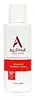
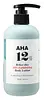
Alpha Skin Care Essential Renewal Lotion 10% Glycolic Alpha Hydroxy Acid (AHA) Versus Village 11 Factory Relax Day AHA Exfoliating Body Lotion
This smoothing treatment is formulated around Glycolic Acid to refine skin texture and soften the look of wrinkles.


What's inside
What's inside
 Key Ingredients
Benefits
Concerns
Ingredients Side-by-side
Water
Skin ConditioningGlycolic Acid
Buffering











Ammonium Hydroxide
BufferingGlyceryl Stearate
Emollient
PEG-100 Stearate
Surfactant
Propylene Glycol
Humectant

PEG-40 Stearate
Emulsifying
Sorbitan Stearate
Emulsifying
Cetyl Alcohol
Emollient

Isopropyl Palmitate
Emollient

Tocopheryl Acetate
Antioxidant

Petrolatum
Emollient
Dimethicone
Emollient
Myristyl Myristate
Emollient
Stearic Acid
Cleansing
Magnesium Aluminum Silicate
Absorbent
Cellulose Gum
Emulsion StabilisingSorbic Acid
Preservative
BHT
Antioxidant
Imidazolidinyl Urea
Preservative
Water, Glycolic Acid, Ammonium Hydroxide, Glyceryl Stearate, PEG-100 Stearate, Propylene Glycol, PEG-40 Stearate, Sorbitan Stearate, Cetyl Alcohol, Isopropyl Palmitate, Tocopheryl Acetate, Petrolatum, Dimethicone, Myristyl Myristate, Stearic Acid, Magnesium Aluminum Silicate, Cellulose Gum, Sorbic Acid, BHT, Imidazolidinyl Urea
Water
Skin ConditioningGlycolic Acid
Buffering
Glycerin
Humectant
Canola Oil
Emollient
1,2-Hexanediol
Skin Conditioning
Cetearyl Alcohol
Emollient
Petrolatum
Emollient
Propylene Glycol
Humectant
PEG-40 Stearate
Emulsifying
Cyclopentasiloxane
Emollient
Glyceryl Stearate
Emollient
Sorbitan Sesquioleate
Emulsifying
PEG-100 Stearate
Surfactant
Cyclohexasiloxane
Emollient
Sodium Hydroxide
BufferingCetearyl Olivate
Hydroxyethyl Acrylate/Sodium Acryloyldimethyl Taurate Copolymer
Emulsion StabilisingDimethicone
Emollient
Sorbitan Olivate
Emulsifying
Squalane
Emollient
Cocos Nucifera Oil
Masking
Ethylhexylglycerin
Skin ConditioningPolysorbate 60
Emulsifying
Xanthan Gum
EmulsifyingDipropylene Glycol
HumectantSorbitan Isostearate
Emulsifying
Butylene Glycol
Humectant
Hydrogenated Lecithin
Emulsifying
Centella Asiatica Extract
Cleansing

Ceramide NP
Skin Conditioning
Tocopheryl Acetate
Antioxidant
Pentylene Glycol
Skin Conditioning
Harpagophytum Procumbens Root Extract
Skin ConditioningPolygonum Cuspidatum Root Extract
Antioxidant
Scutellaria Baicalensis Root Extract
Astringent
Camellia Sinensis Leaf Extract
Antimicrobial
Madecassoside
Antioxidant
Sodium Hyaluronate
Humectant
Glycyrrhiza Glabra Root Extract
Bleaching
Aloe Barbadensis Leaf Juice
Skin Conditioning
Rosmarinus Officinalis Leaf Extract
AntimicrobialChamomilla Recutita Flower Extract
Masking
Hydrolyzed Collagen
Emollient
Soluble Collagen
Humectant
Sodium Acetylated Hyaluronate
Humectant
Sodium Hyaluronate Crosspolymer
Humectant
Collagen Amino Acids
Moisturising
Potassium Hyaluronate
Skin ConditioningHydroxypropyltrimonium Hyaluronate
Hydrolyzed Hyaluronic Acid
Humectant
Hyaluronic Acid
Humectant
Disodium EDTA
ChelatingWater, Glycolic Acid, Glycerin, Canola Oil, 1,2-Hexanediol, Cetearyl Alcohol, Petrolatum, Propylene Glycol, PEG-40 Stearate, Cyclopentasiloxane, Glyceryl Stearate, Sorbitan Sesquioleate, PEG-100 Stearate, Cyclohexasiloxane, Sodium Hydroxide, Cetearyl Olivate, Hydroxyethyl Acrylate/Sodium Acryloyldimethyl Taurate Copolymer, Dimethicone, Sorbitan Olivate, Squalane, Cocos Nucifera Oil, Ethylhexylglycerin, Polysorbate 60, Xanthan Gum, Dipropylene Glycol, Sorbitan Isostearate, Butylene Glycol, Hydrogenated Lecithin, Centella Asiatica Extract, Ceramide NP, Tocopheryl Acetate, Pentylene Glycol, Harpagophytum Procumbens Root Extract, Polygonum Cuspidatum Root Extract, Scutellaria Baicalensis Root Extract, Camellia Sinensis Leaf Extract, Madecassoside, Sodium Hyaluronate, Glycyrrhiza Glabra Root Extract, Aloe Barbadensis Leaf Juice, Rosmarinus Officinalis Leaf Extract, Chamomilla Recutita Flower Extract, Hydrolyzed Collagen, Soluble Collagen, Sodium Acetylated Hyaluronate, Sodium Hyaluronate Crosspolymer, Collagen Amino Acids, Potassium Hyaluronate, Hydroxypropyltrimonium Hyaluronate, Hydrolyzed Hyaluronic Acid, Hyaluronic Acid, Disodium EDTA
Reviews
Ingredients Explained
These ingredients are found in both products.
Ingredients higher up in an ingredient list are typically present in a larger amount.
Dimethicone is a type of synthetic silicone created from natural materials such as quartz. It is also known as polydimethylsiloxane.
What it does:
Dimethicone comes in different viscosities:
Depending on the viscosity, dimethicone has different properties.
Ingredients lists don't always show which type is used, so we recommend reaching out to the brand if you have questions about the viscosity.
This ingredient is unlikely to cause irritation because it does not get absorbed into skin. However, people with silicone allergies should be careful about using this ingredient.
Note: Dimethicone may contribute to pilling. This is because it is not oil or water soluble, so pilling may occur when layered with products. When mixed with heavy oils in a formula, the outcome is also quite greasy.
Learn more about DimethiconeGlyceryl Stearate is made by reacting glycerin with stearic acid (typically sourced from plant oils like palm or coconut). It's an emulsifier, emollient, and mild occlusive.
Emulsifiers help ingredients like oil and water stay mixed so your formula stays nicely blended and uniform in texture.
This ingredient is typically used in concentrations between 1-10%. Studies have found it to be non-sensitizing, non-phototoxic, and non-photoallergenic.
A close cousin of this ingredient is Glyceryl Stearate SE ("self-emulsifying"). This just has a small amount of sodium or potassium stearate added so it can emulsify without a co-emulsifier.
Since this ingredient is an ester of a C18 fatty acid, it may not be fungal acne safe. The Malassezia yeast can potentially metabolize within the C11-C24 range.
Fun fact: The human body also creates Glyceryl Stearate naturally.
Learn more about Glyceryl StearateGlycolic Acid is arguably the most famous alpha hydroxy acid (AHA) with tons of research backing its benefits.
It is found naturally in sugar cane but the form used in skincare is usually synthetic for purity and stability.
Glycolic acid removes the top layer of dead skin cells to allow newer and fresher ones to emerge.
AHAs work by breaking down the structural “glue” that holds old skin cells in place. When that buildup is gone, your skin can renew itself more efficiently.
Research also shows glycolic acid stimulates collagen production, helping to firm and thicken the skin over time. This is one of its biggest advantages over other AHAs.
Overall, glycolic acid helps with:
Fun fact: Glycolic acid boosts skin hydration by helping it produce molecules that increase hyaluronic acid naturally.
To work best, glycolic acid products should have a pH between 3-4 (that’s where exfoliation is most effective but still gentle on skin).
The pH and concentration of a product are key to its effectiveness:
It is normal to feel a slight stinging sensation when using glycolic acid. This usually fades as your skin adjusts.
Because glycolic acid has the smallest molecular size in the AHA family, it can penetrate deeper, which enhances its effectiveness but also makes it more likely to irritate sensitive skin.
If your skin is very sensitive or prone to rosacea, glycolic acid may be too strong; in that case, try milder options like lactic acid or a PHA instead.
Recent studies suggest glycolic acid might even help protect against UV damage. But don’t skip sunscreen! Freshly exfoliated skin is more sensitive to the sun.
Glycolic acid is a skincare superstar. It smooths, brightens, hydrates, and firms the skin. Unless you’re highly sensitive, it’s well worth adding to your routine.
Read more about some other popular AHA's here:
Learn more about Glycolic AcidPeg-100 Stearate is an emollient and emulsifier. As an emollient, it helps keep skin soft by trapping moisture in. On the other hand, emulsifiers help prevent oil and water from separating in a product.
PEGS are a hydrophilic polyether compound . There are 100 ethylene oxide monomers in Peg-100 Stearate. Peg-100 Stearate is polyethylene glycol ester of stearic acid.
PEG-40 Stearate is a nonionic emulsifier and surfactant made from stearic acid.
It's water-soluble and good at coaxing oil + water to mix to keep everything stable.
The CIR Expert Panel has repeatedly concluded this ingredient to be safe at current cosmetic use levels with minimal skin/eye irritation when tested at 100%.
Your skincare also won't be containing 100% of this ingredient: the supplier recommends using 1-5% in a formula.
Broader reviews back this up: PEGs and their fatty-acid esters produce little or no skin/eye irritation, don't readily penetract intact skin, and rarely cause sensitization.
Because this ingredient is a PEG ester of stearic acid, it may not be fungal acne, or Malassezia, safe. Stearic acid (C18) sits in the C11-24 "edible window" that Malassezia lipases can cleave and metabolize.
Learn more about PEG-40 StearatePetrolatum is more commonly known as petroleum jelly. It is created by mixing waxes and mineral oils.
This ingredient is effective at reducing water loss by 99%. This is because it is an occlusive. Occlusives create a hydrophobic barrier on the skin to prevent evaporation. This property makes it great for hydrating dry skin.
Pro tip: Use occlusives, such as this ingredient, on damp skin for the best results.
The quality or origin of petrolatum is only known when disclosed by the brand. Most cosmetic petrolatum has gone through several purification stages.
Another benefit of occlusives is it protects your skin against infection or allergies.
Petrolatum is fungal acne safe. It is a hydrocarbon with no fatty acid structure, so Malassezia cannot metabolize it. In-vitro studies support negligible growth stimulation as well.
It's also worth noting that petrolatum has a comedogenic rating of 0. In updated rabbit ear testing (and in human testing), petrolatum was found to be not comedogenic. This means it didn’t promote comedone formation in standard models.
Learn more about PetrolatumPropylene Glycol is a synthetic, colorless, odorless liquid that has been a staple in cosmetics for decades. It is a skin conditioning agent, humectant, and solvent.
As a humectant, it draw water to the skin to reduce flaking and restore suppleness. It's also a solvent that helps dissolve other actives and keeps formulas stable across temperature changes.
The CIR Expert Panel has confirmed this ingredient to be nontoxic and clinical studies show no sensitization at cosmetic use concentrations.
True allergic reactions are quite rare: a 15-year retrospective study of 6,751 patients found only 0.31% had a positive reaction (and less than half were considered clinically relevant).
It seemed that when sensitization does occur, it's most commonly linked to topical medication (like corticosteroids) and not cosmetics. Allergic contact dermatitis also appears largely limited to individuals with underlying skin conditions.
Overall, propylene glycol is a well-studied ingredient that most people can tolerate without issue.
Learn more about Propylene GlycolTocopheryl Acetate is a stable, shelf-friendly form of vitamin E.
Formulators love it because plain vitamin E oxidizes quickly once it hits air. This acetate version stays stable and resists going off, helping to extend a product's shelf life.
It's actually inactive on its own and works like a slow-release "storage" form; the enzymes in your skin called esterases gradually convert it into active vitamin E over time.
One in vivo study showed 5% of the acetate in the living layer of the epidermis converted to vitamin E after 5 days of application. This study also found the skin gained protection against UV damage even though the conversion was slow and small.
Once converted, vitamin E acts as a skin's main fat-soluble antioxidant that fights free radicals to protect skin from damage.
Topical vitamin E generally boosts the skin's photoprotection, and it reduced UV-damage in animal models.
This ingredient has some brightening potential but it's more of a prevention ingredient than spot-fader. Cell studies show it can slow down melanin production but it's worth noting that it's not the most powerful brightener out there.
Overall, it has a pretty solid safety profile and has been found to be non-irritating and non-comedogenic. Allergic reactions may happen but stay rare due to how widely the ingredient gets used.
The concentration will vary depending on the formula; industry data shows 0.1% in baby lotions, 3% in lipsticks, and 5% in foot powders. You can also find this ingredient at 100% in a pure vitamin E oil.
Most leave-on skincare keeps it at the lower end, often between 0.5-1%.
Learn more about Tocopheryl AcetateWater. It's the most common cosmetic ingredient of all. You'll usually see it at the top of ingredient lists, meaning that it makes up the largest part of the product.
So why is it so popular? Water most often acts as a solvent - this means that it helps dissolve other ingredients into the formulation.
You'll also recognize water as that liquid we all need to stay alive. If you see this, drink a glass of water. Remember to stay hydrated!
Learn more about Water

