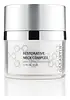
This anti-aging treatment is formulated around Niacinamide and Palmitoyl Hexapeptide-12 to soften the look of wrinkles and strengthen the skin barrier.
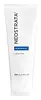
This smoothing moisturizer is formulated around Glycolic Acid to refine skin texture and brighten dull-looking skin.

What's inside
What's inside
 Key Ingredients
Benefits
Concerns
Ingredients Side-by-side
Water
Skin ConditioningGlycerin
Humectant


Caprylic/Capric Triglyceride
Masking
C13-15 Alkane
SolventSqualane
Emollient
C12-16 Alcohols
EmollientCetearyl Alcohol
Emollient





Dimethicone
Emollient
Niacinamide
Smoothing








Palmitoyl Hexapeptide-12
Skin Conditioning
Palmitoyl Tripeptide-1
Skin Conditioning
Acetyl Tetrapeptide-2
Skin Conditioning
Phosphatidylserine
Emulsion StabilisingOleuropein
Antioxidant
Ceramide NP
Skin Conditioning
Linum Usitatissimum Seed Extract
Perfuming
Plantago Lanceolata Leaf Extract
AntimicrobialPeucedanum Graveolens Extract
TonicButyrospermum Parkii Butter Extract
Skin Conditioning
Tremella Fuciformis Sporocarp Extract
Antioxidant
Hydroxymethoxyphenyl Decanone
Skin ConditioningBetaine
Humectant
Ascorbyl Palmitate
Antioxidant
Olea Europaea Leaf Extract
Perfuming
Dunaliella Salina Extract
Skin ConditioningPersea Gratissima Fruit Extract
EmollientPhospholipids
Skin Conditioning
Bentonite
Absorbent
Palmitic Acid
Emollient
Hydrogenated Lecithin
Emulsifying
Tocopherol
Antioxidant
Xanthan Gum
EmulsifyingCaprylyl Glycol
Emollient
Caprylyl Methicone
Skin Conditioning
Butylene Glycol
Humectant
Lecithin
Emollient
Sclerotium Gum
Emulsion StabilisingPullulan
Polyglyceryl-10 Stearate
Skin Conditioning
Sucrose Stearate
EmollientDisodium EDTA
Ethylhexylglycerin
Skin ConditioningCaprylhydroxamic Acid
Phenoxyethanol
Preservative
Water, Glycerin, Caprylic/Capric Triglyceride, C13-15 Alkane, Squalane, C12-16 Alcohols, Cetearyl Alcohol, Dimethicone, Niacinamide, Palmitoyl Hexapeptide-12, Palmitoyl Tripeptide-1, Acetyl Tetrapeptide-2, Phosphatidylserine, Oleuropein, Ceramide NP, Linum Usitatissimum Seed Extract, Plantago Lanceolata Leaf Extract, Peucedanum Graveolens Extract, Butyrospermum Parkii Butter Extract, Tremella Fuciformis Sporocarp Extract, Hydroxymethoxyphenyl Decanone, Betaine, Ascorbyl Palmitate, Olea Europaea Leaf Extract, Dunaliella Salina Extract, Persea Gratissima Fruit Extract, Phospholipids, Bentonite, Palmitic Acid, Hydrogenated Lecithin, Tocopherol, Xanthan Gum, Caprylyl Glycol, Caprylyl Methicone, Butylene Glycol, Lecithin, Sclerotium Gum, Pullulan, Polyglyceryl-10 Stearate, Sucrose Stearate, Disodium EDTA, Ethylhexylglycerin, Caprylhydroxamic Acid, Phenoxyethanol
Water
Skin ConditioningGlycolic Acid
Buffering


Propylene Glycol
Humectant
Ammonium Hydroxide
BufferingHydroxyethylcellulose
Emulsion StabilisingCholesterol
Emollient
Dimethicone
Emollient
Petrolatum
Emollient
Palmitic Acid
Emollient
Stearic Acid
Cleansing
Myristic Acid
Cleansing
Glyceryl Stearate
Emollient
PEG-100 Stearate
Surfactant
PEG-40 Stearate
Emulsifying
Isopropyl Palmitate
Emollient
Cetyl Alcohol
Emollient
Sorbitan Stearate
Emulsifying
Magnesium Aluminum Silicate
Absorbent
Stearamidopropyl Dimethylamine
EmulsifyingIsostearic Acid
Cleansing
Tetrasodium EDTA
Water, Glycolic Acid, Propylene Glycol, Ammonium Hydroxide, Hydroxyethylcellulose, Cholesterol, Dimethicone, Petrolatum, Palmitic Acid, Stearic Acid, Myristic Acid, Glyceryl Stearate, PEG-100 Stearate, PEG-40 Stearate, Isopropyl Palmitate, Cetyl Alcohol, Sorbitan Stearate, Magnesium Aluminum Silicate, Stearamidopropyl Dimethylamine, Isostearic Acid, Tetrasodium EDTA
Reviews
Ingredients Explained
These ingredients are found in both products.
Ingredients higher up in an ingredient list are typically present in a larger amount.
Dimethicone is a type of synthetic silicone created from natural materials such as quartz. It is also known as polydimethylsiloxane.
What it does:
Dimethicone comes in different viscosities:
Depending on the viscosity, dimethicone has different properties.
Ingredients lists don't always show which type is used, so we recommend reaching out to the brand if you have questions about the viscosity.
This ingredient is unlikely to cause irritation because it does not get absorbed into skin. However, people with silicone allergies should be careful about using this ingredient.
Note: Dimethicone may contribute to pilling. This is because it is not oil or water soluble, so pilling may occur when layered with products. When mixed with heavy oils in a formula, the outcome is also quite greasy.
Learn more about DimethiconePalmitic Acid is a fatty acid naturally found in our skin and in many plant and animal sources.
In cosmetics, it is usually derived from palm oil. It serves many purposes in skincare, acting as a cleanser, emollient, and emulsifier.
Interestingly, topically applied Palmitic Acid can be elongated into longer chain fatty acids and ceramides. A 2019 study found low levels of Palmitic Acid lead to slower development of cells, suggesting it plays a role in keeping your skin's renewal process on track.
The CIR (Cosmetic Ingredient Review) panel determined it safe as used in cosmetics at concentrations up to 13%. It is non-irritating and non-sensitizing in clinical studies.
The culprit behind fungal acne, the Malassezia yeast, feeds on fatty acids with carbon chain lengths between C11-C24. Palmitic Acid, at C16, falls right into that sweet spot.
In vitro studies have shown that Palmitic Acid is one of the fatty acids that induce rapid Malassezia growth in lab settings.
It's worth noting that what feeds yeast in a lab doesn't necessarily feed it on your face since formulation and your skin's chemistry play a bigger role.
Learn more about Palmitic AcidWater. It's the most common cosmetic ingredient of all. You'll usually see it at the top of ingredient lists, meaning that it makes up the largest part of the product.
So why is it so popular? Water most often acts as a solvent - this means that it helps dissolve other ingredients into the formulation.
You'll also recognize water as that liquid we all need to stay alive. If you see this, drink a glass of water. Remember to stay hydrated!
Learn more about Water

