Pond's Dry Skin Cream Versus NeoStrata Lotion Plus
This moisturizer is formulated around Petrolatum to hydrate skin.
This smoothing moisturizer is formulated around Glycolic Acid to refine skin texture and brighten dull-looking skin.

What's inside
What's inside
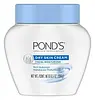 Key Ingredients
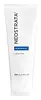
No key ingredients
Benefits
Concerns
Ingredients Side-by-side
Water
Skin ConditioningParaffinum Liquidum
Emollient


Isopropyl Palmitate
Emollient



Petrolatum
Emollient
Glycerin
Humectant

Stearic Acid
Cleansing
Ceresin
Emulsion StabilisingGlyceryl Stearate
Emollient
Cetyl Alcohol
Emollient

Sorbitan Oleate
Emulsifying
Euphorbia Cerifera Cera
Astringent
Triethanolamine
BufferingLaureth-23
Cleansing
Parfum
Masking

Carbomer
Emulsion StabilisingDisodium EDTA
ChelatingDMDM Hydantoin
Preservative
Methylparaben
Preservative

Iodopropynyl Butylcarbamate
Preservative
Water
Skin ConditioningGlycolic Acid
Buffering








Propylene Glycol
Humectant
Ammonium Hydroxide
BufferingHydroxyethylcellulose
Emulsion StabilisingCholesterol
Emollient
Dimethicone
Emollient
Petrolatum
Emollient
Palmitic Acid
Emollient
Stearic Acid
Cleansing
Myristic Acid
Cleansing
Glyceryl Stearate
Emollient
PEG-100 Stearate
Surfactant
PEG-40 Stearate
Emulsifying
Isopropyl Palmitate
Emollient
Cetyl Alcohol
Emollient
Sorbitan Stearate
Emulsifying
Magnesium Aluminum Silicate
Absorbent
Stearamidopropyl Dimethylamine
EmulsifyingIsostearic Acid
Cleansing
Tetrasodium EDTA
ChelatingWater, Glycolic Acid, Propylene Glycol, Ammonium Hydroxide, Hydroxyethylcellulose, Cholesterol, Dimethicone, Petrolatum, Palmitic Acid, Stearic Acid, Myristic Acid, Glyceryl Stearate, PEG-100 Stearate, PEG-40 Stearate, Isopropyl Palmitate, Cetyl Alcohol, Sorbitan Stearate, Magnesium Aluminum Silicate, Stearamidopropyl Dimethylamine, Isostearic Acid, Tetrasodium EDTA
Reviews
Ingredients Explained
These ingredients are found in both products.
Ingredients higher up in an ingredient list are typically present in a larger amount.
Cetyl Alcohol is a fatty alcohol. Fatty Alcohols are most often used as an emollient or to thicken a product.
Its main roles are:
Though it has "alcohol" in the name, it is not related to denatured alcohol or ethyl alcohol.
The FDA allows products labeled "alcohol-free" to have fatty alcohols.
This ingredient may not be fungal acne safe. It is a primary fatty alcohol with a chain length above 12 carbons. A study from 2019 show Malassezia can feed on fatty alcohols in this range, so it may trigger fungal acne in those prone to it.
Learn more about Cetyl AlcoholGlyceryl Stearate is made by reacting glycerin with stearic acid (typically sourced from plant oils like palm or coconut). It's an emulsifier, emollient, and mild occlusive.
Emulsifiers help ingredients like oil and water stay mixed so your formula stays nicely blended and uniform in texture.
This ingredient is typically used in concentrations between 1-10%. Studies have found it to be non-sensitizing, non-phototoxic, and non-photoallergenic.
A close cousin of this ingredient is Glyceryl Stearate SE ("self-emulsifying"). This just has a small amount of sodium or potassium stearate added so it can emulsify without a co-emulsifier.
Since this ingredient is an ester of a C18 fatty acid, it may not be fungal acne safe. The Malassezia yeast can potentially metabolize within the C11-C24 range.
Fun fact: The human body also creates Glyceryl Stearate naturally.
Learn more about Glyceryl StearateIsopropyl Palmitate is a lightweight emollient made by combining isopropyl alcohol and palmitic acid.
It is an emollient that leaves skin feeling smooth and silky without leaving a greasy feel.
Typical usage concentrations range from 1-5%.
Human testing shows it's non-irritating and non-sensitizing, and the EU Scientific Committee on Consumer Safety (SCCS) has cleared it at very high levels (79% in leave-on products).
The one thing worth knowing about its comedogenic score of 3-4 is to keep it in perspective: these ratings come from old rabbit-ear tests using 100% of pure ingredient and doesn't reflect how it behaves at low levels in a finished product.
Because it is an ester of palmitic acid (C16), it falls into the range that the Malassezia yeast can feed on and is considered not fungal acne safe.
Learn more about Isopropyl PalmitatePetrolatum is more commonly known as petroleum jelly. It is created by mixing waxes and mineral oils.
This ingredient is effective at reducing water loss by 99%. This is because it is an occlusive. Occlusives create a hydrophobic barrier on the skin to prevent evaporation. This property makes it great for hydrating dry skin.
Pro tip: Use occlusives, such as this ingredient, on damp skin for the best results.
The quality or origin of petrolatum is only known when disclosed by the brand. Most cosmetic petrolatum has gone through several purification stages.
Another benefit of occlusives is it protects your skin against infection or allergies.
Petrolatum is fungal acne safe. It is a hydrocarbon with no fatty acid structure, so Malassezia cannot metabolize it. In-vitro studies support negligible growth stimulation as well.
It's also worth noting that petrolatum has a comedogenic rating of 0. In updated rabbit ear testing (and in human testing), petrolatum was found to be not comedogenic. This means it didn’t promote comedone formation in standard models.
Learn more about PetrolatumStearic Acid is a fatty acid that is already found in your skin. It's one of the free fatty acids that works alongside ceramides and cholesterols to maintain your barrier.
In cosmetics, it is a multitasker:
Safety-wise, the CIR Expert Panel has concluded it to be safe in cosmetics when formulated to be non-irritating and non-sensitizing.
Free stearic acid is a C18 fatty acid that the Malassezia yeast can substrate, so this ingredient may not be fungal acne safe.
This ingredient does have a comedogenic rating of 2-3, but this doesn't mean a formula with this ingredient will clog pores.
Human testing has proved that any finished product with this ingredient won't automatically make you break out; it really comes down to concentration, formula, and your skin.
Learn more about Stearic AcidWater. It's the most common cosmetic ingredient of all. You'll usually see it at the top of ingredient lists, meaning that it makes up the largest part of the product.
So why is it so popular? Water most often acts as a solvent - this means that it helps dissolve other ingredients into the formulation.
You'll also recognize water as that liquid we all need to stay alive. If you see this, drink a glass of water. Remember to stay hydrated!
Learn more about Water

