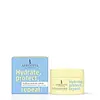
This barrier-repair moisturizer is formulated around Niacinamide and Squalane to strengthen the skin barrier and hydrate skin.
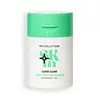
This oil-control moisturizer is formulated around Niacinamide to balance excess oil and refine the look of pores.


What's inside
What's inside
 Key Ingredients
Benefits
Concerns
Ingredients Side-by-side
Water
Skin ConditioningNiacinamide
Smoothing











Betaine
Humectant
Pentylene Glycol
Skin Conditioning
C15-19 Alkane
SolventSqualane
Emollient
Aloe Barbadensis Leaf Juice
Skin Conditioning
Serine
Masking
Alanine
Masking
Glycine
Buffering
Glutamic Acid
Humectant
Lysine Hcl
Skin Conditioning
Arginine
Masking
Hamamelis Virginiana Water
Astringent



Sodium PCA
Humectant
Sodium Lactate
Buffering
Threonine
PCA
Humectant
Propylene Glycol
Humectant
Carbomer
Emulsion StabilisingMannitol
Humectant
Microcrystalline Cellulose
AbsorbentSucrose
Humectant
Zea Mays Starch
Absorbent
Hydroxypropyl Methylcellulose
Emulsion StabilisingPolyacrylate Crosspolymer-11
Emulsion StabilisingHydroxyacetophenone
Antioxidant
Parfum
Masking

Sodium Benzoate
Masking
Sodium Sulfite
Preservative
Potassium Sorbate
Preservative
Citric Acid
Buffering
Sodium Hydroxide
BufferingLinalool
Perfuming
Hexamethylindanopyran
Masking
Tetramethyl Acetyloctahydronaphthalenes
Masking
Linalyl Acetate
Masking
Limonene
Perfuming
Hexyl Cinnamal
Perfuming
Proline
Skin Conditioning
CI 77007
Cosmetic ColorantWater, Niacinamide, Betaine, Pentylene Glycol, C15-19 Alkane, Squalane, Aloe Barbadensis Leaf Juice, Serine, Alanine, Glycine, Glutamic Acid, Lysine Hcl, Arginine, Hamamelis Virginiana Water, Sodium PCA, Sodium Lactate, Threonine, PCA, Propylene Glycol, Carbomer, Mannitol, Microcrystalline Cellulose, Sucrose, Zea Mays Starch, Hydroxypropyl Methylcellulose, Polyacrylate Crosspolymer-11, Hydroxyacetophenone, Parfum, Sodium Benzoate, Sodium Sulfite, Potassium Sorbate, Citric Acid, Sodium Hydroxide, Linalool, Hexamethylindanopyran, Tetramethyl Acetyloctahydronaphthalenes, Linalyl Acetate, Limonene, Hexyl Cinnamal, Proline, CI 77007
Water
Skin ConditioningCaprylic/Capric Triglyceride
Masking
Propanediol
Solvent
Niacinamide
Smoothing
Dicaprylyl Carbonate
EmollientSilica
Abrasive
Polyglyceryl-2 Sesquioleate
Emulsifying
Phenoxyethanol
Preservative
Hydroxyethyl Acrylate/Sodium Acryloyldimethyl Taurate Copolymer
Emulsion StabilisingGlycerin
Humectant
Carbomer
Emulsion StabilisingAcrylamide/Sodium Acryloyldimethyltaurate Copolymer
Emulsion StabilisingSodium Hydroxide
BufferingC15-19 Alkane
SolventDisodium EDTA
ChelatingEthylhexylglycerin
Skin ConditioningHyaluronic Acid
Humectant
Tocopheryl Acetate
Antioxidant
Maltodextrin
Absorbent
Camellia Sinensis Leaf Extract
Antimicrobial
Polysorbate 60
Emulsifying
Sorbitan Isostearate
Emulsifying
Bixa Orellana Seed Extract
MaskingPolyglyceryl-10 Laurate
Skin Conditioning
Sorbitan Oleate
Emulsifying
Ceramide NP
Skin Conditioning
2,3-Butanediol
HumectantDisodium Tetramethylhexadecenylcysteine Formylprolinate
Skin ProtectingSodium Benzoate
Masking
Polyglycerin-10
HumectantHydrogenated Lecithin
Emulsifying
Potassium Sorbate
Preservative
Glyceryl Stearate
Emollient
Tocopherol
Antioxidant
Ceramide AP
Skin Conditioning
Ceramide As
Skin Conditioning
Ceramide Ns
Skin Conditioning
Cholesterol
Emollient
Ceramide EOP
Skin Conditioning
Water, Caprylic/Capric Triglyceride, Propanediol, Niacinamide, Dicaprylyl Carbonate, Silica, Polyglyceryl-2 Sesquioleate, Phenoxyethanol, Hydroxyethyl Acrylate/Sodium Acryloyldimethyl Taurate Copolymer, Glycerin, Carbomer, Acrylamide/Sodium Acryloyldimethyltaurate Copolymer, Sodium Hydroxide, C15-19 Alkane, Disodium EDTA, Ethylhexylglycerin, Hyaluronic Acid, Tocopheryl Acetate, Maltodextrin, Camellia Sinensis Leaf Extract, Polysorbate 60, Sorbitan Isostearate, Bixa Orellana Seed Extract, Polyglyceryl-10 Laurate, Sorbitan Oleate, Ceramide NP, 2,3-Butanediol, Disodium Tetramethylhexadecenylcysteine Formylprolinate, Sodium Benzoate, Polyglycerin-10, Hydrogenated Lecithin, Potassium Sorbate, Glyceryl Stearate, Tocopherol, Ceramide AP, Ceramide As, Ceramide Ns, Cholesterol, Ceramide EOP
Reviews
Ingredients Explained
These ingredients are found in both products.
Ingredients higher up in an ingredient list are typically present in a larger amount.
C15-19 alkane is a mixture of alkanes. Alkanes are hydrocarbons with carbon atoms held together by single bonds.
It is a synthetically created solvent and emollient often used to replace silicones or mineral oil. As an emollient, C15-19 Alkane helps soften and soothe the skin. Emollients create a barrier to trap moisture inside.
You'll often see this ingredient used with mineral UV filters such as titanium dioxidide and zinc oxide. It helps these UV filter ingredients be more spreadable.
This ingredient is biodegradable. According to a manufacturer, it is also known as Hydrogenated Polyfarnesene.
Learn more about C15-19 AlkaneCarbomer is a synthetic thickening and gelling agent. It's basically the ingredient that gives a lot of serums, gels, creams, and sunscreens their smooth, non-sticky texture.
Although legally permitted at very high levels, carbomers are normally used at concentrations below 1%.
It also needs to be neutralized to actually thicken, and because it is a large molecule, it doesn't really penetrate the skin barrier.
Allergy-wise, the risk is very low. Clinical studies show carbomers have low potential for skin irritation/sensitization even at concentrations up to 100%.
A 2024 UK study patch-tested 1,302 patients and found true allergy to the parent group of carbomer to be rare with no confirmed relevant reactions.
Learn more about CarbomerNiacinamide is a multitasking form of vitamin B3 that strengthens the skin barrier, reduces pores and dark spots, regulates oil, and improves signs of aging.
And the best part? It's gentle and well-tolerated by most skin types, including sensitive and reactive skin.
You might have heard of "niacin flush", or the reddening of skin that causes itchiness. Niacinamide has not been found to cause this.
In very rare cases, some individuals may not be able to tolerate niacinamide at all or experience an allergic reaction to it.
If you are experiencing flaking, irritation, and dryness with this ingredient, be sure to double check all your products as this ingredient can be found in all categories of skincare.
When incorporating niacinamide into your routine, look out for concentration amounts. Typically, 5% niacinamide provides benefits such as fading dark spots. However, if you have sensitive skin, it is better to begin with a smaller concentration.
When you apply niacinamide to your skin, your body converts it into nicotinamide adenine dinucleotide (NAD). NAD is an essential coenzyme that is already found in your cells as "fuel" and powers countless biological processes.
In your skin, NAD helps repair cell damage, produce new healthy cells, support collagen production, strengthen the skin barrier, and fight environmental stressors (like UV and pollution).
Our natural NAD levels start to decline with age, leading to slower skin repair, visible aging, and a weaker skin barrier. By providing your skin niacinamide, you're recharging your skin's NAD levels. This leads to stronger, healthier, and younger looking skin.
Another name for vitamin B3 is nicotinamide. This vitamin is water-soluble and our bodies don't store it. We obtain Vitamin B3 from either food or skincare. Meat, fish, wheat, yeast, and leafy greens contain vitamin B3.
The type of niacinamide used in skincare is synthetically created.
Learn more about NiacinamidePotassium Sorbate is a preservative used to prevent yeast and mold in products. It is commonly found in both cosmetic and food products.
This ingredient comes from potassium salt derived from sorbic acid. Sorbic acid is a natural antibiotic and effective against fungus.
Both potassium sorbate and sorbic acid can be found in baked goods, cheeses, dried meats, dried fruit, ice cream, pickles, wine, yogurt, and more.
You'll often find this ingredient used with other preservatives.
Learn more about Potassium SorbateSodium Benzoate is a preservative. It's used in both cosmetic and food products to inhibit the growth of mold and bacteria. It is typically produced synthetically.
Both the US FDA and EU Health Committee have approved the use of sodium benzoate. In the US, levels of 0.1% (of the total product) are allowed.
Sodium benzoate works as a preservative by inhibiting the growth of bacteria inside of cells. It prevents the cell from fermenting a type of sugar using an enzyme called phosphofructokinase.
It is the salt of benzoic acid. Foods containing sodium benzoate include soda, salad dressings, condiments, fruit juices, wines, and snack foods.
Studies for using ascorbic acid and sodium benzoate in cosmetics are lacking, especially in skincare routines with multiple steps.
We always recommend speaking with a professional, such as a dermatologist, if you have any concerns.
Learn more about Sodium BenzoateSodium Hydroxide is also known as lye or caustic soda. It is used to adjust the pH of products; many ingredients require a specific pH to be effective.
In small amounts, sodium hydroxide is considered safe to use. However, large amounts may cause chemical burns due to its high alkaline.
Your skin has a natural pH and acid mantle. This acid mantle helps prevent harmful bacteria from breaking through. The acid mantle also helps keep your skin hydrated.
"Alkaline" refers to a high pH level. A low pH level would be considered acidic.
Learn more about Sodium HydroxideWater. It's the most common cosmetic ingredient of all. You'll usually see it at the top of ingredient lists, meaning that it makes up the largest part of the product.
So why is it so popular? Water most often acts as a solvent - this means that it helps dissolve other ingredients into the formulation.
You'll also recognize water as that liquid we all need to stay alive. If you see this, drink a glass of water. Remember to stay hydrated!
Learn more about Water

