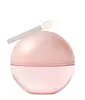
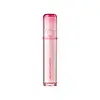
This anti-aging lip mask is formulated around Sodium DNA and Acetyl Hexapeptide-8 to soften the look of wrinkles.

What's inside
What's inside
 Key Ingredients
Benefits
Concerns
Ingredients Side-by-side
Hydrogenated Polyisobutene
EmollientPolybutene
Dicaprylyl Carbonate
EmollientEthylene/Propylene/Styrene Copolymer
Hydrogenated Polydecene
EmollientEthylene/Propylene Copolymer
Abrasive
Butylene/Ethylene/Styrene Copolymer
Water
Skin ConditioningParfum
Masking




Oryza Sativa Bran Oil
Emollient




Pentaerythrityl Tetra-Di-T-Butyl Hydroxyhydrocinnamate
Antioxidant
Tocopherol
Antioxidant




Butylene Glycol
Humectant
1,2-Hexanediol
Skin Conditioning
CI 77491
Cosmetic ColorantPolyglyceryl-2 Triisostearate
Emulsifying
Dipalmitoyl Hydroxyproline
Skin Conditioning
Oryza Sativa Extract
Absorbent
Glycerin
Humectant
Hydrogenated Rice Bran Oil
Skin Conditioning
Caprylic/Capric Triglyceride
Masking
Ethylhexylglycerin
Skin ConditioningHydrogenated Lecithin
Emulsifying
Sodium DNA
Skin Conditioning
Centella Asiatica Extract
Cleansing
Soluble Collagen
Humectant
Collagen Extract
Skin Conditioning
Disodium EDTA
Ginkgo Biloba Leaf Extract
Skin Conditioning
Caprylyl Glycol
Emollient
Polyglyceryl-10 Stearate
Skin Conditioning
Phyllostachys Pubescens Shoot Bark Extract
Skin ConditioningHyaluronic Acid
Humectant
Acetyl Hexapeptide-8
Humectant
Hydrolyzed Hyaluronic Acid
Humectant
Sodium Hyaluronate
Humectant
Hydrogenated Polyisobutene, Polybutene, Dicaprylyl Carbonate, Ethylene/Propylene/Styrene Copolymer, Hydrogenated Polydecene, Ethylene/Propylene Copolymer, Butylene/Ethylene/Styrene Copolymer, Water, Parfum, Oryza Sativa Bran Oil, Pentaerythrityl Tetra-Di-T-Butyl Hydroxyhydrocinnamate, Tocopherol, Butylene Glycol, 1,2-Hexanediol, CI 77491, Polyglyceryl-2 Triisostearate, Dipalmitoyl Hydroxyproline, Oryza Sativa Extract, Glycerin, Hydrogenated Rice Bran Oil, Caprylic/Capric Triglyceride, Ethylhexylglycerin, Hydrogenated Lecithin, Sodium DNA, Centella Asiatica Extract, Soluble Collagen, Collagen Extract, Disodium EDTA, Ginkgo Biloba Leaf Extract, Caprylyl Glycol, Polyglyceryl-10 Stearate, Phyllostachys Pubescens Shoot Bark Extract, Hyaluronic Acid, Acetyl Hexapeptide-8, Hydrolyzed Hyaluronic Acid, Sodium Hyaluronate
Water
Skin ConditioningOctyldodecanol
Emollient
Alcohol Denat.
Antimicrobial

Polysorbate 60
Emulsifying
Trimethylsiloxyphenyl Dimethicone

Ethylcellulose
Behenyl Alcohol
Emollient
Pentylene Glycol
Skin Conditioning
Phytosteryl Isostearyl Dimer Dilinoleate
EmollientAcrylates Copolymer
Sorbitan Stearate
Emulsifying
Silica
Abrasive

Sodium Acrylate/Sodium Acryloyldimethyl Taurate Copolymer
Emulsion StabilisingDiisostearyl Malate
EmollientIsohexadecane
EmollientCI 77891
Cosmetic ColorantPhenoxyethanol
Preservative
Glyceryl Stearate
Emollient
PEG-100 Stearate
Surfactant
Polyglyceryl-2 Triisostearate
Emulsifying
Polysorbate 80
Emulsifying
CI 77492
Cosmetic ColorantParfum
Masking
Sorbitan Oleate
Emulsifying
CI 77491
Cosmetic ColorantCI 17200
Cosmetic ColorantTrisodium Ethylenediamine Disuccinate
CI 15850
Cosmetic ColorantAroma
CI 77499
Cosmetic ColorantPolyglyceryl-2 Diisostearate
Emulsifying
Ethylhexylglycerin
Skin ConditioningCI 15985
Cosmetic ColorantCI 45410
Cosmetic ColorantBenzyl Alcohol
Perfuming
Linalool
Perfuming
Raspberry Seed Oil/Tocopheryl Succinate Aminopropanediol Esters
Skin Conditioning
Prunus Domestica Seed Extract
EmollientMangifera Indica Seed Butter
Skin Conditioning
Butylene Glycol
Humectant
1,2-Hexanediol
Skin Conditioning
Dimethylsilanol Hyaluronate
Humectant
Hydrolyzed Hyaluronic Acid
Humectant
Hydrolyzed Sodium Hyaluronate
Skin Conditioning
Sodium Hyaluronate
Humectant
Hyaluronic Acid
Humectant
Potassium Hyaluronate
Skin ConditioningSodium Hyaluronate Crosspolymer
Humectant
Hydroxypropyltrimonium Hyaluronate
Sodium Hyaluronate Dimethylsilanol
HumectantSodium Acetylated Hyaluronate
Humectant
Water, Octyldodecanol, Alcohol Denat., Polysorbate 60, Trimethylsiloxyphenyl Dimethicone, Ethylcellulose, Behenyl Alcohol, Pentylene Glycol, Phytosteryl Isostearyl Dimer Dilinoleate, Acrylates Copolymer, Sorbitan Stearate, Silica, Sodium Acrylate/Sodium Acryloyldimethyl Taurate Copolymer, Diisostearyl Malate, Isohexadecane, CI 77891, Phenoxyethanol, Glyceryl Stearate, PEG-100 Stearate, Polyglyceryl-2 Triisostearate, Polysorbate 80, CI 77492, Parfum, Sorbitan Oleate, CI 77491, CI 17200, Trisodium Ethylenediamine Disuccinate, CI 15850, Aroma, CI 77499, Polyglyceryl-2 Diisostearate, Ethylhexylglycerin, CI 15985, CI 45410, Benzyl Alcohol, Linalool, Raspberry Seed Oil/Tocopheryl Succinate Aminopropanediol Esters, Prunus Domestica Seed Extract, Mangifera Indica Seed Butter, Butylene Glycol, 1,2-Hexanediol, Dimethylsilanol Hyaluronate, Hydrolyzed Hyaluronic Acid, Hydrolyzed Sodium Hyaluronate, Sodium Hyaluronate, Hyaluronic Acid, Potassium Hyaluronate, Sodium Hyaluronate Crosspolymer, Hydroxypropyltrimonium Hyaluronate, Sodium Hyaluronate Dimethylsilanol, Sodium Acetylated Hyaluronate
Reviews
Ingredients Explained
These ingredients are found in both products.
Ingredients higher up in an ingredient list are typically present in a larger amount.
1,2-Hexanediol is a synthetic liquid and another multi-functional powerhouse.
It is a:
- Humectant, drawing moisture into the skin
- Emollient, helping to soften skin
- Solvent, dispersing and stabilizing formulas
- Preservative booster, enhancing the antimicrobial activity of other preservatives
Butylene Glycol (or BG) is used within cosmetic products for a few different reasons:
Overall, Butylene Glycol is a safe and well-rounded ingredient that works well with other ingredients.
Though this ingredient works well with most skin types, some people with sensitive skin may experience a reaction such as allergic rashes, closed comedones, or itchiness.
Learn more about Butylene GlycolCi 77491 is also hydrated iron III oxide. It's sole purpose is to give a red/pink hue to products.
Iron III oxides are classified as inorganic chemicals for coloring.
Synthetically created Ci 77491 is considered safer than those naturally found. This is because the synthetically created version may contain less impurities. Iron oxides are generally non-toxic and non-allergenic.
Learn more about CI 77491Ethylhexylglycerin is created from glycerin. It is a multitasker ingredient that:
The CIR Expert Panel found minimal skin absorption or sensitization of any kind in a safety assessment. Though this ingredient is considered well-tolerated, a small number of cases of allergic dermatitis have been published since 2002. Just be sure to patch test if you are unsure.
Industry-reported use ranges from 8% in rinse-off products and 2% in leave-on formulations.
Learn more about EthylhexylglycerinHyaluronic acid (HA) is a glycosaminoglycan (basically a long sugar chain) that your skin already makes on its own. In your skin, HA lives in the extracellular matrix and acts as the body's moisture reservoir.
Topically, HA is a humectant that binds water and helps skin look more plump, smooth, and hydrated.
The only catch is that HA isn't a single thing; it actually comes in a wide range of molecular weights (~50 - 2,000+ kDA) and size matters.
Some clinical evidence links low molecular weight versions to improved wrinkle depth, elasticity, anti-inflammatory effects, and barrier repair.
This is why the best HA serums blend the two sizes together so you get the best of both worlds.
The majority of cosmetic HA is produced by bacterial fermentation, typically using Streptococcus or Bacillus strains. Typical use levels in skincare sit around 0.1-2%.
A clinical study using a 0.2% low-molecular weight HA gel showed improvement in facial seborrheic dermatitis with excellent tolerance.
These are some other common types of Hyaluronic Acid:
Learn more about Hyaluronic AcidHydrolyzed Hyaluronic Acid is hyaluronic acid (HA) that is broken down into lower molecular weight fragments.
It's a humectant that pulls and holds water in the skin to help with hydration, plumpness, and reduce transepidermal water loss.
Because hydrolyzed hyaluronic acid is smaller in size, it can slip past your outermost layer of skin more easily than full-sized HA.
Most formulations will combine all sizes to get the best of both worlds.
Typical usage levels range from 0.01-1%. Any percentage higher than 2% might become goopy and tacky.
Learn more about Hydrolyzed Hyaluronic AcidParfum is a catch-all term for an ingredient or more that is used to give a scent to products.
Also called "fragrance", this ingredient can be a blend of hundreds of chemicals or plant oils. This means every product with "fragrance" or "parfum" in the ingredients list is a different mixture.
For instance, Habanolide is a proprietary trade name for a specific aroma chemical. When used as a fragrance ingredient in cosmetics, most aroma chemicals fall under the broad labeling category of “FRAGRANCE” or “PARFUM” according to EU and US regulations.
The term 'parfum' or 'fragrance' is not regulated in many countries. In many cases, it is up to the brand to define this term.
For instance, many brands choose to label themselves as "fragrance-free" because they are not using synthetic fragrances. However, their products may still contain ingredients such as essential oils that are considered a fragrance by INCI standards.
One example is Calendula flower extract. Calendula is an essential oil that still imparts a scent or 'fragrance'.
Depending on the blend, the ingredients in the mixture can cause allergies and sensitivities on the skin. Some ingredients that are known EU allergens include linalool and citronellol.
Parfum can also be used to mask or cover an unpleasant scent.
The bottom line is: not all fragrances/parfum/ingredients are created equally. If you are worried about fragrances, we recommend taking a closer look at an ingredient. And of course, we always recommend speaking with a professional.
Learn more about ParfumPolyglyceryl-2 Triisostearate is a plant-derived emulsifier and pigment-dispersing agent with a non-sticky skin feel.
It helps products glide on smoothly and prevents oil and water from separating in a formula, making it suitable for sunscreen and makeup formulations.
The EU inventory of cosmetics has no use restrictions on this ingredient and it is considered well-tolerated.
This ingredient may not be fungal acne safe because it is derived from isostearic acid.
Learn more about Polyglyceryl-2 TriisostearateSodium Hyaluronate is the salt form of hyaluronic acid. It is a long sugar chain that is naturally found in your skin, joints, and connective tissue that maintains hydration and elasticity.
In skincare, it works as a humectant. It pulls water from the environment and deeper layers of skin and binds it to the surface.
Interestingly, the size of the molecule affects its behavior:
Some clinical evidence links low molecular weight versions to improved wrinkle depth, elasticity, anti-inflammatory effects, and barrier repair.
Many serums use a blend of both weights so you can get surface hydration plus longer-lasting and deeper effects.
You'll typically see concentrations between 0.1-2% for this ingredient.
Learn more about Sodium HyaluronateWater. It's the most common cosmetic ingredient of all. You'll usually see it at the top of ingredient lists, meaning that it makes up the largest part of the product.
So why is it so popular? Water most often acts as a solvent - this means that it helps dissolve other ingredients into the formulation.
You'll also recognize water as that liquid we all need to stay alive. If you see this, drink a glass of water. Remember to stay hydrated!
Learn more about Water

