82°E Lotus Splash Versus 82°E Ashwagandha Bounce
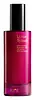
This mild gel cleanser is made to cleanse without leaving your skin tight or dry.
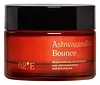
This barrier-repair moisturizer is formulated around Niacinamide and Withania Somnifera Root Extract to strengthen the skin barrier.

What's inside
What's inside
 Key Ingredients
Benefits
Concerns
Ingredients Side-by-side
Water
Skin ConditioningSorbitol
Humectant

Propanediol
Solvent
Sodium Cocoyl Isethionate
Cleansing
Coco-Glucoside
Cleansing
Cocamidopropyl Betaine
Cleansing


Disodium Cocoamphodiacetate
CleansingGlycerin
Humectant
Hexylene Glycol
EmulsifyingSaccharide Isomerate
Humectant
Nelumbo Nucifera Extract
Skin ConditioningVaccinium Myrtillus Fruit Extract
Skin ConditioningAloe Barbadensis Leaf Extract
Emollient
Saccharum Officinarum Extract
MoisturisingBioflavonoids
Skin ConditioningBrassica Oleracea Italica Extract
AstringentCitrus Aurantium Dulcis Fruit Extract
MaskingCitrus Limon Fruit Extract
Masking
Glucosyl Hesperidin
HumectantAcer Saccharum Extract
Skin ConditioningHordeum Distichon Extract
Skin ProtectingMelissa Officinalis Leaf Extract
Skin ConditioningCaesalpinia Spinosa Fruit Pod Extract
Helianthus Annuus Sprout Extract
Skin ConditioningGlyceryl Oleate
Emollient


Tocopheryl Acetate
Antioxidant


Propylene Glycol
Humectant
Acrylates/C10-30 Alkyl Acrylate Crosspolymer
Emulsion StabilisingXanthan Gum
EmulsifyingCaprylyl Glycol
Emollient
Phenoxyethanol
Preservative
Sodium Benzoate
Masking
Sodium Gluconate
ChelatingParfum
Masking
Glycol Distearate
Emollient
Sodium Citrate
BufferingCitric Acid
Buffering
Water, Sorbitol, Propanediol, Sodium Cocoyl Isethionate, Coco-Glucoside, Cocamidopropyl Betaine, Disodium Cocoamphodiacetate, Glycerin, Hexylene Glycol, Saccharide Isomerate, Nelumbo Nucifera Extract, Vaccinium Myrtillus Fruit Extract, Aloe Barbadensis Leaf Extract, Saccharum Officinarum Extract, Bioflavonoids, Brassica Oleracea Italica Extract, Citrus Aurantium Dulcis Fruit Extract, Citrus Limon Fruit Extract, Glucosyl Hesperidin, Acer Saccharum Extract, Hordeum Distichon Extract, Melissa Officinalis Leaf Extract, Caesalpinia Spinosa Fruit Pod Extract, Helianthus Annuus Sprout Extract, Glyceryl Oleate, Tocopheryl Acetate, Propylene Glycol, Acrylates/C10-30 Alkyl Acrylate Crosspolymer, Xanthan Gum, Caprylyl Glycol, Phenoxyethanol, Sodium Benzoate, Sodium Gluconate, Parfum, Glycol Distearate, Sodium Citrate, Citric Acid
Water
Skin ConditioningPropylene Glycol
Humectant
Squalane
Emollient
Coco-Caprylate/Caprate
Emollient
Niacinamide
Smoothing





Saccharide Isomerate
Humectant
Caprylyl Methicone
Skin Conditioning
Pentylene Glycol
Skin Conditioning
Hexylene Glycol
EmulsifyingWithania Somnifera Root Extract
Skin Conditioning
Hydrolyzed Jojoba Esters
Skin Conditioning
Caffeine
Skin Conditioning
Sodium Hyaluronate
Humectant
Glucosyl Hesperidin
HumectantBiosaccharide Gum-1
Humectant
Melissa Officinalis Leaf Extract
Skin ConditioningHordeum Distichon Extract
Skin ProtectingCaesalpinia Spinosa Fruit Pod Extract
Helianthus Annuus Sprout Extract
Skin ConditioningGlyceryl Stearate
Emollient
Glyceryl Caprylate
EmollientAmmonium Acryloyldimethyltaurate/Vp Copolymer
Fructose
Humectant
Glycerin
Humectant
Cetearyl Alcohol
Emollient

Cetearyl Glucoside
Emulsifying
Tocopheryl Acetate
Antioxidant
Acrylates/C10-30 Alkyl Acrylate Crosspolymer
Emulsion StabilisingCaprylhydroxamic Acid
ChelatingSodium Gluconate
ChelatingParfum
Masking
Sodium Benzoate
Masking
Phenoxyethanol
Preservative
Citric Acid
Buffering
Sodium Citrate
BufferingWater, Propylene Glycol, Squalane, Coco-Caprylate/Caprate, Niacinamide, Saccharide Isomerate, Caprylyl Methicone, Pentylene Glycol, Hexylene Glycol, Withania Somnifera Root Extract, Hydrolyzed Jojoba Esters, Caffeine, Sodium Hyaluronate, Glucosyl Hesperidin, Biosaccharide Gum-1, Melissa Officinalis Leaf Extract, Hordeum Distichon Extract, Caesalpinia Spinosa Fruit Pod Extract, Helianthus Annuus Sprout Extract, Glyceryl Stearate, Glyceryl Caprylate, Ammonium Acryloyldimethyltaurate/Vp Copolymer, Fructose, Glycerin, Cetearyl Alcohol, Cetearyl Glucoside, Tocopheryl Acetate, Acrylates/C10-30 Alkyl Acrylate Crosspolymer, Caprylhydroxamic Acid, Sodium Gluconate, Parfum, Sodium Benzoate, Phenoxyethanol, Citric Acid, Sodium Citrate
Ingredients Explained
These ingredients are found in both products.
Ingredients higher up in an ingredient list are typically present in a larger amount.
Acrylates/C10-30 Alkyl Acrylate Crosspolymer is a synthetic polymer. It is used to thicken, emulsify, and improve the texture of products.
As an emulsifier, it helps stabilize oil-in-water emulsions to give products an elegant feel when applied.
It can also form a thin protective film on skin. One study found that a formula using this polymer helped slow down how quickly other ingredients (like DEET) were absorbed through skin.
A 2024 study of over 1,300 patients confirmed that sensitization to this ingredient is rare. It is also non-mutagenic and has a clean track record.
Learn more about Acrylates/C10-30 Alkyl Acrylate CrosspolymerWe don't have a description for Caesalpinia Spinosa Fruit Pod Extract yet.
Citric Acid is an alpha hydroxy acid (AHA) naturally found in citrus fruits like oranges, lemons, and limes.
Like other AHAs, citric acid can exfoliate skin by breaking down the bonds that hold dead skin cells together. This helps reveal smoother and brighter skin underneath.
However, this exfoliating effect only happens at high concentrations (20%) which can be hard to find in cosmetic products.
Due to this, citric acid is usually included in small amounts as a pH adjuster. This helps keep products slightly more acidic and compatible with skin's natural pH.
In skincare formulas, citric acid can:
While it can provide some skin benefits, research shows lactic acid and glycolic acid are generally more effective and less irritating exfoliants.
Most citric acid used in skincare today is made by fermenting sugars (usually from molasses). This synthetic version is identical to the natural citrus form but easier to stabilize and use in formulations.
Rosacea skin has a lower threshold for acids generally, with 62.5% of rosacea subjects in one study reacting to lactic acid in a sting test. This is why we mark citric acid as a potential rosacea trigger.
However, this ingredient shows up as a pH adjuster or chelator at roughly 0.1-1% in many products. These low levels are unlikely to be an issue for rosacea skin and becomes a potential trigger at exfoliating concentrations (20%). Because everybody's skin is unique, we recommend a patch test if you are unsure.
Learn more about Citric AcidWe don't have a description for Glucosyl Hesperidin yet.
Glycerin (or glycerol) is a compound naturally found in your skin. It's a powerhouse humectant that pulls water into the stratum corneum.
Topically, glycerin does several things at once:
Your skin makes glycerin on its own (mostly from sebaceous oil breakdown) and shuttles it to your outermost layer of skin, or your epidermis, via aquaporin-3.
Aquaporin-3 is a transporter that is essential for normal skin hydration, elasticity, and repair. Interestingly, mice lacking in AQP3 have dry and less elastic skin that can be fully corrected with glycerin.
This ingredient is non-irritating, plays well with almost every ingredient, and works across all skin types. Typical use is anywhere between 3-10% but can go up to 79% in some leave-on products.
Just know very high concentrations (>40%) can feel tacky in low humidity.
Glycerin is the name for this ingredient in American English. British English uses Glycerol/Glycerine.
Learn more about GlycerinWe don't have a description for Helianthus Annuus Sprout Extract yet.
Hexylene Glycol is a multitasker ingredient that works as a solvent, humectant, emulsifier, viscosity reducer, and preservative booster.
It is able to dissolve both water and oil-soluble ingredients to stabilize tricky actives and make products spread more easily.
As a humectant, it pulls water into the skin. But it's a pretty minor moisturizing ingredient compared to other humectants, like glycerin.
Interestingly, it can act as a mild penetration enhancer. One in vitro study on human skin found a 12% concentration upped the absorption of mometasone furoate (a medicinal ingredient used to treat inflammatory skin conditions) up to 7%.
This ingredient is typically used at levels of 0.1-10% depending on the role it's playing.
A patch test study on eczema patients didn't find a significant increase in irritation versus the control group, but the potential for irritation rises at higher concentrations.
Learn more about Hexylene GlycolWe don't have a description for Hordeum Distichon Extract yet.
Lemon balm is a mint-family herb with skin conditioning properties. It contains components such as rosmarinic acid, caffeic acid, geraniol, citronellal, and ursolic acid.
Parfum is a catch-all term for an ingredient or more that is used to give a scent to products.
Also called "fragrance", this ingredient can be a blend of hundreds of chemicals or plant oils. This means every product with "fragrance" or "parfum" in the ingredients list is a different mixture.
For instance, Habanolide is a proprietary trade name for a specific aroma chemical. When used as a fragrance ingredient in cosmetics, most aroma chemicals fall under the broad labeling category of “FRAGRANCE” or “PARFUM” according to EU and US regulations.
The term 'parfum' or 'fragrance' is not regulated in many countries. In many cases, it is up to the brand to define this term.
For instance, many brands choose to label themselves as "fragrance-free" because they are not using synthetic fragrances. However, their products may still contain ingredients such as essential oils that are considered a fragrance by INCI standards.
One example is Calendula flower extract. Calendula is an essential oil that still imparts a scent or 'fragrance'.
Depending on the blend, the ingredients in the mixture can cause allergies and sensitivities on the skin. Some ingredients that are known EU allergens include linalool and citronellol.
Parfum can also be used to mask or cover an unpleasant scent.
The bottom line is: not all fragrances/parfum/ingredients are created equally. If you are worried about fragrances, we recommend taking a closer look at an ingredient. And of course, we always recommend speaking with a professional.
Learn more about ParfumPhenoxyethanol is one of the most widely used preservatives in skincare (and for good reason!).
It has a large spectrum of antimicrobial activity and especially effective bacteria, yeast, and mold while only having a weak effect on your skin's natural microbiome.
On a cellular level, it disrupts the cell membranes of microbes by poking holes that make the cell leak. This shuts down the chemical reactions the microbe needs to make energy so it can no longer survive.
Another perk of this ingredient is that it stays functional across a wide pH range (3-10).
You'll often see it paired with boosters like Ethylhexylglycerin; one study showed that a 1:9 ratio of Ethylhexylglycerin to Phenoxyethanol damages bacterial membranes as effectively as doubling the Phenoxyethanol concentration on its own.
Typical use concentrations range from 0.3-1% depending on the formula, and this ingredient is capped at 1% int the EU.
Safety-wise, the fear mongering does not hold up to the evidence. The EU's Scientific Committee on Consumer Safety and FDA consider it safe as a preservative at up to 1%, including for children of all ages.
Adverse systemic effects only showed up in animal studies at exposures roughly 200x higher than what people get from cosmetics. And despite its very widespread use, this ingredient is a rare sensitizer and allergic reactions are uncommon.
Learn more about PhenoxyethanolPropylene Glycol is a synthetic, colorless, odorless liquid that has been a staple in cosmetics for decades. It is a skin conditioning agent, humectant, and solvent.
As a humectant, it draw water to the skin to reduce flaking and restore suppleness. It's also a solvent that helps dissolve other actives and keeps formulas stable across temperature changes.
The CIR Expert Panel has confirmed this ingredient to be nontoxic and clinical studies show no sensitization at cosmetic use concentrations.
True allergic reactions are quite rare: a 15-year retrospective study of 6,751 patients found only 0.31% had a positive reaction (and less than half were considered clinically relevant).
It seemed that when sensitization does occur, it's most commonly linked to topical medication (like corticosteroids) and not cosmetics. Allergic contact dermatitis also appears largely limited to individuals with underlying skin conditions.
Overall, propylene glycol is a well-studied ingredient that most people can tolerate without issue.
Learn more about Propylene GlycolSaccharide Isomerate comes from sugars found in corn. It is a skin hydrator.
The structure of this ingredient can be altered to be more similar to the carbohydrates found in our skin. This ability to mimic our skin gives it hydrating properties.
Specifically, saccharide Isomerate is a humectant. Humectants draw moisture from the air to our skin.
Research shows Saccharide Isomerate to be an effective moisturizer.
Learn more about Saccharide IsomerateSodium Benzoate is a preservative. It's used in both cosmetic and food products to inhibit the growth of mold and bacteria. It is typically produced synthetically.
Both the US FDA and EU Health Committee have approved the use of sodium benzoate. In the US, levels of 0.1% (of the total product) are allowed.
Sodium benzoate works as a preservative by inhibiting the growth of bacteria inside of cells. It prevents the cell from fermenting a type of sugar using an enzyme called phosphofructokinase.
It is the salt of benzoic acid. Foods containing sodium benzoate include soda, salad dressings, condiments, fruit juices, wines, and snack foods.
Studies for using ascorbic acid and sodium benzoate in cosmetics are lacking, especially in skincare routines with multiple steps.
We always recommend speaking with a professional, such as a dermatologist, if you have any concerns.
Learn more about Sodium BenzoateSodium Citrate is the sodium salts of citric acid. In skincare, it is used to alter pH levels and acts as a preservative.
Its main functions are to maintain the pH of a product and neutralize metal ions.
The acidity of our skin is maintained by our glands and skin biome; normal pH level of skin is slightly acidic (~4.75-5.5).
Being slightly acidic allows our skin to create an "acid mantle". This acid mantle is a thin barrier that protects our skin from bacteria and contaminants.
Learn more about Sodium CitrateSodium Gluconate is the sodium salt of gluconic acid. In skincare, its main job is as a chelator.
Chelators grab onto stray metal ions like iron and copper that sneak in through water, raw materials, or manufacturing equipment. This stops them from triggering reactions that cause oils to go rancid, formulas to change color, and actives like vitamin C to fall apart.
This ingredient is often chosen as a biodegradable, gentler-sounding alternative to EDTA. It also pulls double duty as a mild humectant and pH buffer.
Typical use levels sit around 0.1-1% and supplier documents list up to 10% as an acceptable ceiling. Industry data found this ingredient family is mostly used well below 1% in leave on products.
Allergy risk is very low; animal testing has found it to be non-irritating to skin and eyes, mutagenicity assays came back negative, and there are no published reports of allergic contact dermatitis to it.
Learn more about Sodium GluconateTocopheryl Acetate is a stable, shelf-friendly form of vitamin E.
Formulators love it because plain vitamin E oxidizes quickly once it hits air. This acetate version stays stable and resists going off, helping to extend a product's shelf life.
It's actually inactive on its own and works like a slow-release "storage" form; the enzymes in your skin called esterases gradually convert it into active vitamin E over time.
One in vivo study showed 5% of the acetate in the living layer of the epidermis converted to vitamin E after 5 days of application. This study also found the skin gained protection against UV damage even though the conversion was slow and small.
Once converted, vitamin E acts as a skin's main fat-soluble antioxidant that fights free radicals to protect skin from damage.
Topical vitamin E generally boosts the skin's photoprotection, and it reduced UV-damage in animal models.
This ingredient has some brightening potential but it's more of a prevention ingredient than spot-fader. Cell studies show it can slow down melanin production but it's worth noting that it's not the most powerful brightener out there.
Overall, it has a pretty solid safety profile and has been found to be non-irritating and non-comedogenic. Allergic reactions may happen but stay rare due to how widely the ingredient gets used.
The concentration will vary depending on the formula; industry data shows 0.1% in baby lotions, 3% in lipsticks, and 5% in foot powders. You can also find this ingredient at 100% in a pure vitamin E oil.
Most leave-on skincare keeps it at the lower end, often between 0.5-1%.
Learn more about Tocopheryl AcetateWater. It's the most common cosmetic ingredient of all. You'll usually see it at the top of ingredient lists, meaning that it makes up the largest part of the product.
So why is it so popular? Water most often acts as a solvent - this means that it helps dissolve other ingredients into the formulation.
You'll also recognize water as that liquid we all need to stay alive. If you see this, drink a glass of water. Remember to stay hydrated!
Learn more about Water

