
What's inside
What's inside
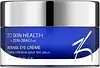 Key Ingredients
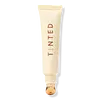
Benefits
Concerns
Ingredients Side-by-side
Water
Skin ConditioningCaprylic/Capric Triglyceride
Masking
Butylene Glycol
Humectant
Polymethylsilsesquioxane/Silica Crosspolymer
Glycine Soja Oil
Emollient




Cetearyl Alcohol
Emollient

Glyceryl Stearate
Emollient
PEG-100 Stearate
Glycerin
Humectant


Palmitic Acid
Emollient
Lavandula Stoechas Extract
MaskingTocopheryl Acetate
Antioxidant

Retinol
Skin Conditioning






Acetyl Tetrapeptide-5
Humectant
Palmitoyl Tripeptide-1
Skin Conditioning
Palmitoyl Tetrapeptide-7
Skin Conditioning
Mica
Cosmetic Colorant
Caprylyl Glycol
Emollient
Xanthan Gum
EmulsifyingLinoleic Acid
Cleansing
Hexylene Glycol
EmulsifyingLecithin
Emollient
Oleic Acid
Emollient
Glucose
Humectant
Stearic Acid
Cleansing
Cetearyl Glucoside
EmulsifyingCarbomer
Emulsion StabilisingTin Oxide
Abrasive
Cetyl Alcohol
Emollient
Polysorbate 20
Emulsifying
Disodium EDTA
Sodium Lactate
BufferingCitric Acid
Buffering
Sodium Hydroxide
BufferingPhenoxyethanol
Preservative
Ethylhexylglycerin
Skin ConditioningSorbic Acid
Preservative
CI 77891
Cosmetic ColorantWater, Caprylic/Capric Triglyceride, Butylene Glycol, Polymethylsilsesquioxane/Silica Crosspolymer, Glycine Soja Oil, Cetearyl Alcohol, Glyceryl Stearate, PEG-100 Stearate, Glycerin, Palmitic Acid, Lavandula Stoechas Extract, Tocopheryl Acetate, Retinol, Acetyl Tetrapeptide-5, Palmitoyl Tripeptide-1, Palmitoyl Tetrapeptide-7, Mica, Caprylyl Glycol, Xanthan Gum, Linoleic Acid, Hexylene Glycol, Lecithin, Oleic Acid, Glucose, Stearic Acid, Cetearyl Glucoside, Carbomer, Tin Oxide, Cetyl Alcohol, Polysorbate 20, Disodium EDTA, Sodium Lactate, Citric Acid, Sodium Hydroxide, Phenoxyethanol, Ethylhexylglycerin, Sorbic Acid, CI 77891
Water
Skin ConditioningGlycerin
Humectant
Diisostearyl Malate
EmollientPolyglyceryl-2 Diisostearate
Emulsifying
Triethylhexanoin
MaskingCetearyl Olivate
Ammonium Acryloyldimethyltaurate/Vp Copolymer
Niacinamide
Smoothing

Caffeine
Skin Conditioning
Tetrahexyldecyl Ascorbate
Antioxidant
Sodium Hyaluronate
Humectant
Chamomilla Recutita Flower Extract
Masking
Curcuma Longa Root Extract
Masking
Butyrospermum Parkii Butter
Skin Conditioning
Mica
Cosmetic Colorant
Sorbitan Olivate
Emulsifying
Isostearyl Alcohol
Emollient
Tocopherol
Antioxidant
Xanthan Gum
EmulsifyingEthylhexylglycerin
Skin ConditioningButylene Glycol
Humectant
Trisodium Ethylenediamine Disuccinate
Malic Acid
Buffering
Citric Acid
Buffering
Sodium Hydroxide
BufferingCaprylyl Glycol
Emollient
Sorbic Acid
Preservative
Phenoxyethanol
Preservative
CI 77891
Cosmetic ColorantIron Oxides
Water, Glycerin, Diisostearyl Malate, Polyglyceryl-2 Diisostearate, Triethylhexanoin, Cetearyl Olivate, Ammonium Acryloyldimethyltaurate/Vp Copolymer, Niacinamide, Caffeine, Tetrahexyldecyl Ascorbate, Sodium Hyaluronate, Chamomilla Recutita Flower Extract, Curcuma Longa Root Extract, Butyrospermum Parkii Butter, Mica, Sorbitan Olivate, Isostearyl Alcohol, Tocopherol, Xanthan Gum, Ethylhexylglycerin, Butylene Glycol, Trisodium Ethylenediamine Disuccinate, Malic Acid, Citric Acid, Sodium Hydroxide, Caprylyl Glycol, Sorbic Acid, Phenoxyethanol, CI 77891, Iron Oxides
Ingredients Explained
These ingredients are found in both products.
Ingredients higher up in an ingredient list are typically present in a larger amount.
Butylene Glycol (or BG) is used within cosmetic products for a few different reasons:
Overall, Butylene Glycol is a safe and well-rounded ingredient that works well with other ingredients.
Though this ingredient works well with most skin types, some people with sensitive skin may experience a reaction such as allergic rashes, closed comedones, or itchiness.
Learn more about Butylene GlycolCaprylyl Glycol is a humectant and emollient, meaning it attracts and preserves moisture.
It is a common ingredient in many products, especially those designed to hydrate skin. The primary benefits are retaining moisture, skin softening, and promoting a healthy skin barrier.
Though Caprylyl Glycol is an alcohol derived from fatty acids, it is not the kind that can dry out skin.
This ingredient is also used as a preservative to extend the life of products. It has slight antimicrobial properties.
Learn more about Caprylyl GlycolCi 77891 is a white pigment from Titanium dioxide. It is naturally found in minerals such as rutile and ilmenite.
It's main function is to add a white color to cosmetics. It can also be mixed with other colors to create different shades.
Ci 77891 is commonly found in sunscreens due to its ability to block UV rays.
Learn more about CI 77891Citric Acid is an alpha hydroxy acid (AHA) naturally found in citrus fruits like oranges, lemons, and limes.
Like other AHAs, citric acid can exfoliate skin by breaking down the bonds that hold dead skin cells together. This helps reveal smoother and brighter skin underneath.
However, this exfoliating effect only happens at high concentrations (20%) which can be hard to find in cosmetic products.
Due to this, citric acid is usually included in small amounts as a pH adjuster. This helps keep products slightly more acidic and compatible with skin's natural pH.
In skincare formulas, citric acid can:
While it can provide some skin benefits, research shows lactic acid and glycolic acid are generally more effective and less irritating exfoliants.
Most citric acid used in skincare today is made by fermenting sugars (usually from molasses). This synthetic version is identical to the natural citrus form but easier to stabilize and use in formulations.
Read more about some other popular AHA's here:
Learn more about Citric AcidEthylhexylglycerin (we can't pronounce this either) is commonly used as a preservative and skin softener. It is derived from glyceryl.
You might see Ethylhexylglycerin often paired with other preservatives such as phenoxyethanol. Ethylhexylglycerin has been found to increase the effectiveness of these other preservatives.
Glycerin is already naturally found in your skin. It helps moisturize and protect your skin.
A study from 2016 found glycerin to be more effective as a humectant than AHAs and hyaluronic acid.
As a humectant, it helps the skin stay hydrated by pulling moisture to your skin. The low molecular weight of glycerin allows it to pull moisture into the deeper layers of your skin.
Hydrated skin improves your skin barrier; Your skin barrier helps protect against irritants and bacteria.
Glycerin has also been found to have antimicrobial and antiviral properties. Due to these properties, glycerin is often used in wound and burn treatments.
In cosmetics, glycerin is usually derived from plants such as soybean or palm. However, it can also be sourced from animals, such as tallow or animal fat.
This ingredient is organic, colorless, odorless, and non-toxic.
Glycerin is the name for this ingredient in American English. British English uses Glycerol/Glycerine.
Learn more about GlycerinMica is a naturally occurring mineral used to add shimmer and color in cosmetics. It can also help improve the texture of a product or give it an opaque, white/silver color.
Serecite is the name for very fine but ragged grains of mica.
This ingredient is often coated with metal oxides like titanium dioxide. Trace amounts of heavy metals may be found in mica, but these metals are not harmful in our personal products.
Mica has been used since prehistoric times throughout the world. Ancient Egyptian, Indian, Greek, Roman, Aztec, and Chinese civilizations have used mica.
Learn more about MicaPhenoxyethanol is a preservative that has germicide, antimicrobial, and aromatic properties. Studies show that phenoxyethanol can prevent microbial growth. By itself, it has a scent that is similar to that of a rose.
It's often used in formulations along with Caprylyl Glycol to preserve the shelf life of products.
Sodium Hydroxide is also known as lye or caustic soda. It is used to adjust the pH of products; many ingredients require a specific pH to be effective.
In small amounts, sodium hydroxide is considered safe to use. However, large amounts may cause chemical burns due to its high alkaline.
Your skin has a natural pH and acid mantle. This acid mantle helps prevent harmful bacteria from breaking through. The acid mantle also helps keep your skin hydrated.
"Alkaline" refers to a high pH level. A low pH level would be considered acidic.
Learn more about Sodium HydroxideSorbic Acid is a preservative. It is the most commonly used food preservative in the world.
Sorbic Acid is a natural antibiotic and highly effective at preventing the growth of fungus. It is less effective against bacteria.
Potassium Sorbate, another commonly-used preservative, is the potassium salt of Sorbic Acid.
Sorbic Acid may worsen eczema. We recommend speaking with a professional if you have any concerns.
Potassium sorbate and sorbic acid can be found in baked goods, cheeses, dried meats, dried fruit, ice cream, pickles, wine, yogurt, and more.
Learn more about Sorbic AcidWater. It's the most common cosmetic ingredient of all. You'll usually see it at the top of ingredient lists, meaning that it makes up the largest part of the product.
So why is it so popular? Water most often acts as a solvent - this means that it helps dissolve other ingredients into the formulation.
You'll also recognize water as that liquid we all need to stay alive. If you see this, drink a glass of water. Stay hydrated!
Learn more about WaterXanthan gum is used as a stabilizer and thickener within cosmetic products. It helps give products a sticky, thick feeling - preventing them from being too runny.
On the technical side of things, xanthan gum is a polysaccharide - a combination consisting of multiple sugar molecules bonded together.
Xanthan gum is a pretty common and great ingredient. It is a natural, non-toxic, non-irritating ingredient that is also commonly used in food products.
Learn more about Xanthan Gum
