

What's inside
What's inside
 Key Ingredients
Benefits
Concerns
Ingredients Side-by-side
Water
Skin ConditioningGlycerin
Humectant


Sodium Cocoyl Glycinate
Cleansing
Sodium Lauroyl Glutamate
Surfactant1,2-Hexanediol
Skin Conditioning
Hydroxypropyl Starch Phosphate
Centella Asiatica Extract
Cleansing



Thuja Occidentalis Leaf Extract
Antioxidant

Nelumbo Nucifera Leaf Extract
Skin ConditioningCeramide NP
Skin Conditioning
Ceramide As
Skin Conditioning
Ceramide AP
Skin Conditioning
Ceramide Ns
Skin Conditioning
Ceramide EOP
Skin Conditioning
Centella Asiatica Leaf Extract
Skin Conditioning
Centella Asiatica Root Extract
Skin Conditioning
Madecassoside
Antioxidant
Madecassic Acid
Skin Conditioning
Asiaticoside
Antioxidant
Asiatic Acid
Skin Conditioning
Mentha Arvensis Powder
MaskingMelia Azadirachta Leaf Extract
Skin ConditioningMelia Azadirachta Flower Extract
Skin ConditioningTheobroma Cacao Seed Extract
Antioxidant
Macrocystis Pyrifera Extract
Skin Conditioning
Eclipta Prostrata Leaf Extract
Skin ConditioningLavandula Angustifolia Extract
Skin Conditioning

Althaea Officinalis Leaf/Root Extract
EmollientOcimum Basilicum Flower/Leaf Extract
TonicRosmarinus Officinalis Leaf Extract
AntimicrobialHouttuynia Cordata Extract
Skin Conditioning
Chamomilla Recutita Flower Extract
Masking
Foeniculum Vulgare Fruit Extract
EmollientHydrogenated Lecithin
Emulsifying
Lauryl Betaine
CleansingButylene Glycol
Humectant
Sodium Chloride
MaskingDecylene Glycol
Skin ConditioningDipropylene Glycol
HumectantBeta-Glucan
Skin Conditioning
Glyceryl Stearate
Emollient
Dextrin
AbsorbentSaccharomyces Ferment Filtrate
Humectant
Cholesterol
Emollient
Fructooligosaccharides
Humectant
Hydrolyzed Hyaluronic Acid
Humectant
Hydroxyacetophenone
Antioxidant
Ethylhexylglycerin
Skin ConditioningPentylene Glycol
Skin Conditioning
Tocopherol
Antioxidant


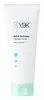
Water, Glycerin, Sodium Cocoyl Glycinate, Sodium Lauroyl Glutamate, 1,2-Hexanediol, Hydroxypropyl Starch Phosphate, Centella Asiatica Extract, Thuja Occidentalis Leaf Extract, Nelumbo Nucifera Leaf Extract, Ceramide NP, Ceramide As, Ceramide AP, Ceramide Ns, Ceramide EOP, Centella Asiatica Leaf Extract, Centella Asiatica Root Extract, Madecassoside, Madecassic Acid, Asiaticoside, Asiatic Acid, Mentha Arvensis Powder, Melia Azadirachta Leaf Extract, Melia Azadirachta Flower Extract, Theobroma Cacao Seed Extract, Macrocystis Pyrifera Extract, Eclipta Prostrata Leaf Extract, Lavandula Angustifolia Extract, Althaea Officinalis Leaf/Root Extract, Ocimum Basilicum Flower/Leaf Extract, Rosmarinus Officinalis Leaf Extract, Houttuynia Cordata Extract, Chamomilla Recutita Flower Extract, Foeniculum Vulgare Fruit Extract, Hydrogenated Lecithin, Lauryl Betaine, Butylene Glycol, Sodium Chloride, Decylene Glycol, Dipropylene Glycol, Beta-Glucan, Glyceryl Stearate, Dextrin, Saccharomyces Ferment Filtrate, Cholesterol, Fructooligosaccharides, Hydrolyzed Hyaluronic Acid, Hydroxyacetophenone, Ethylhexylglycerin, Pentylene Glycol, Tocopherol
Water
Skin ConditioningGlycerin
Humectant
Myristic Acid
Cleansing
Palmitic Acid
Emollient
Potassium Hydroxide
BufferingGlycol Distearate
Emollient
Dipropylene Glycol
HumectantSorbitol
Humectant
Lauric Acid
Cleansing
Stearic Acid
Cleansing
Lauryl Betaine
CleansingGlyceryl Stearate
Emollient
Synthetic Wax
Abrasive
Myristyl Betaine
CleansingPolyquaternium-7
Sodium Benzoate
Masking
Parfum
Masking


Sodium Chloride
MaskingPolyquaternium-6
Cetyl Betaine
CleansingIsopropyl Alcohol
Solvent

Disodium EDTA
Sodium Metabisulfite
Antioxidant
Ethoxydiglycol
HumectantCyclohexane
SolventDipropyl Pyridinedicarboxylate
AntimicrobialButylene Glycol
Humectant
Sodium Acetate
BufferingSodium Hyaluronate
Humectant
Sericin
Skin ConditioningBHT
Antioxidant
Citric Acid
Buffering
Potassium Sorbate
Preservative
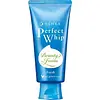
Water, Glycerin, Myristic Acid, Palmitic Acid, Potassium Hydroxide, Glycol Distearate, Dipropylene Glycol, Sorbitol, Lauric Acid, Stearic Acid, Lauryl Betaine, Glyceryl Stearate, Synthetic Wax, Myristyl Betaine, Polyquaternium-7, Sodium Benzoate, Parfum, Sodium Chloride, Polyquaternium-6, Cetyl Betaine, Isopropyl Alcohol, Disodium EDTA, Sodium Metabisulfite, Ethoxydiglycol, Cyclohexane, Dipropyl Pyridinedicarboxylate, Butylene Glycol, Sodium Acetate, Sodium Hyaluronate, Sericin, BHT, Citric Acid, Potassium Sorbate
Reviews
Ingredients Explained
These ingredients are found in both products.
Ingredients higher up in an ingredient list are typically present in a larger amount.
Butylene Glycol (or BG) is used within cosmetic products for a few different reasons:
Overall, Butylene Glycol is a safe and well-rounded ingredient that works well with other ingredients.
Though this ingredient works well with most skin types, some people with sensitive skin may experience a reaction such as allergic rashes, closed comedones, or itchiness.
Learn more about Butylene GlycolDipropylene Glycol is a synthetically created humectant, stabilizer, and solvent.
This ingredient helps:
Dipropylene glycol is technically an alcohol, but it belongs to the glycol family (often considered part of the ‘good’ alcohols). This means it is hydrating and gentle on skin unlike drying solvent alcohols like denatured alcohol.
As a masking agent, Dipropylene Glycol can be used to cover the smell of other ingredients. However, it does not have a scent.
Studies show Dipropylene Glycol is considered safe to use in skincare.
Learn more about Dipropylene GlycolGlycerin (or glycerol) is a compound naturally found in your skin. It's a powerhouse humectant that pulls water into the stratum corneum.
Topically, glycerin does several things at once:
Your skin makes glycerin on its own (mostly from sebaceous oil breakdown) and shuttles it to your outermost layer of skin, or your epidermis, via aquaporin-3.
Aquaporin-3 is a transporter that is essential for normal skin hydration, elasticity, and repair. Interestingly, mice lacking in AQP3 have dry and less elastic skin that can be fully corrected with glycerin.
This ingredient is non-irritating, plays well with almost every ingredient, and works across all skin types. Typical use is anywhere between 3-10% but can go up to 79% in some leave-on products.
Just know very high concentrations (>40%) can feel tacky in low humidity.
Glycerin is the name for this ingredient in American English. British English uses Glycerol/Glycerine.
Learn more about GlycerinGlyceryl Stearate is made by reacting glycerin with stearic acid (typically sourced from plant oils like palm or coconut). It's an emulsifier, emollient, and mild occlusive.
Emulsifiers help ingredients like oil and water stay mixed so your formula stays nicely blended and uniform in texture.
This ingredient is typically used in concentrations between 1-10%. Studies have found it to be non-sensitizing, non-phototoxic, and non-photoallergenic.
A close cousin of this ingredient is Glyceryl Stearate SE ("self-emulsifying"). This just has a small amount of sodium or potassium stearate added so it can emulsify without a co-emulsifier.
Since this ingredient is an ester of a C18 fatty acid, it may not be fungal acne safe. The Malassezia yeast can potentially metabolize within the C11-C24 range.
Fun fact: The human body also creates Glyceryl Stearate naturally.
Learn more about Glyceryl StearateLauryl Betaine is a cleansing ingredient. You'll most likely see it in face washes, body washes, and shampoos. It's a type of surfactant that helps water mix with oil so dirt, sweat, and sunscreen can rinse off easily.
Chemically, lauryl betaine is an amphoteric surfactant so it carries both a positive and negative charge. This helps it create a creamy foam while being less harsh than stronger detergent-type cleansers.
According to CIR, this ingredient is generally considered safe when used in cosmetics. However, like all surfactants, it can be irritating when used in high amounts of in formulas that aren't well balanced.
Learn more about Lauryl BetaineChances are, you eat sodium chloride every day. Sodium Chloride is also known as table salt. This ingredient has many purposes in skincare: thickener, emulsifier, and exfoliator.
You'll most likely find this ingredient in cleansers where it is used to create a gel-like texture. As an emulsifier, it also prevents ingredients from separating.
You might see people debate whether Sodium Chloride is comedogenic, but there actually haven't been any comedogenic tests done on it. Either way, the overall formulation of a product matters a lot more than any single ingredient.
You might see this ingredient used in scrubs as a primary exfoliating ingredient.
Learn more about Sodium ChlorideWater. It's the most common cosmetic ingredient of all. You'll usually see it at the top of ingredient lists, meaning that it makes up the largest part of the product.
So why is it so popular? Water most often acts as a solvent - this means that it helps dissolve other ingredients into the formulation.
You'll also recognize water as that liquid we all need to stay alive. If you see this, drink a glass of water. Remember to stay hydrated!
Learn more about Water
