
What's inside
What's inside
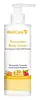 Key Ingredients
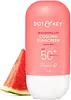
Benefits
Concerns
Ingredients Side-by-side
Water
Skin ConditioningOctocrylene
UV Absorber



Ethylhexyl Salicylate
UV Absorber
Glycerin
Humectant


Glyceryl Montanate
EmulsifyingCetyl Alcohol
Emollient


Cetearyl Alcohol
Emollient

Emulsifying Wax Nf
Acrylates Crosspolymer
AbsorbentMethylene Bis-Benzotriazolyl Tetramethylbutylphenol
UV Filter
Squalane
Emollient
Ozonized Sesame Seed Oil
Skin Conditioning
Carthamus Tinctorius Seed Oil
Masking
Isopropyl Palmitate
Emollient
Niacinamide
Smoothing








Camellia Sinensis Leaf Extract
Antimicrobial
Xanthan Gum
EmulsifyingHydroxyethylcellulose
Emulsion StabilisingPhenoxyethanol
Preservative
Ethylhexylglycerin
Skin ConditioningPotassium Sorbate
Preservative
Sodium Benzoate
Masking
Citric Acid
Buffering

Water, Octocrylene, Ethylhexyl Salicylate, Glycerin, Glyceryl Montanate, Cetyl Alcohol, Cetearyl Alcohol, Emulsifying Wax Nf, Acrylates Crosspolymer, Methylene Bis-Benzotriazolyl Tetramethylbutylphenol, Squalane, Ozonized Sesame Seed Oil, Carthamus Tinctorius Seed Oil, Isopropyl Palmitate, Niacinamide, Camellia Sinensis Leaf Extract, Xanthan Gum, Hydroxyethylcellulose, Phenoxyethanol, Ethylhexylglycerin, Potassium Sorbate, Sodium Benzoate, Citric Acid
Water
Skin ConditioningEthylhexyl Methoxycinnamate
UV Absorber
Butyl Methoxydibenzoylmethane
UV Absorber
Benzophenone-3
UV Absorber
Phospholipids
Skin Conditioning
Butylene Glycol
Humectant
Glycerin
Humectant
C12-15 Alkyl Benzoate
AntimicrobialCaprylic/Capric Triglyceride
Masking
Propanediol
Solvent
Cyclopentasiloxane
Emollient
Zea Mays Starch
Absorbent
Citrullus Lanatus Fruit Extract
Skin Conditioning
Oxothiazolidine
Skin ProtectingSodium Benzoate
Masking
Methylene Bis-Benzotriazolyl Tetramethylbutylphenol
UV Filter
Decyl Glucoside
Cleansing
Propylene Glycol
Humectant
Xanthan Gum
EmulsifyingDiethylamino Hydroxybenzoyl Hexyl Benzoate
UV Filter
Titanium Dioxide
Cosmetic Colorant
Silica
Abrasive
Fructooligosaccharides
Humectant
Beta Vulgaris Root Extract
Skin ConditioningSodium Hyaluronate
Humectant
Aloe Barbadensis Leaf Juice
Skin Conditioning
Tocopheryl Acetate
Antioxidant
Menthyl Lactate
Masking
Glyceryl Stearate
Emollient
PEG-100 Stearate
Acrylates/C10-30 Alkyl Acrylate Crosspolymer
Emulsion StabilisingSorbitan Stearate
Emulsifying
Sucrose Cocoate
Emulsifying
Sodium Lactate
Buffering
Sodium Gluconate
Skin ConditioningDisodium EDTA
Sodium Hydroxide
BufferingPhenoxyethanol
Preservative
Ethylhexylglycerin
Skin ConditioningWater, Ethylhexyl Methoxycinnamate, Butyl Methoxydibenzoylmethane, Benzophenone-3, Phospholipids, Butylene Glycol, Glycerin, C12-15 Alkyl Benzoate, Caprylic/Capric Triglyceride, Propanediol, Cyclopentasiloxane, Zea Mays Starch, Citrullus Lanatus Fruit Extract, Oxothiazolidine, Sodium Benzoate, Methylene Bis-Benzotriazolyl Tetramethylbutylphenol, Decyl Glucoside, Propylene Glycol, Xanthan Gum, Diethylamino Hydroxybenzoyl Hexyl Benzoate, Titanium Dioxide, Silica, Fructooligosaccharides, Beta Vulgaris Root Extract, Sodium Hyaluronate, Aloe Barbadensis Leaf Juice, Tocopheryl Acetate, Menthyl Lactate, Glyceryl Stearate, PEG-100 Stearate, Acrylates/C10-30 Alkyl Acrylate Crosspolymer, Sorbitan Stearate, Sucrose Cocoate, Sodium Lactate, Sodium Gluconate, Disodium EDTA, Sodium Hydroxide, Phenoxyethanol, Ethylhexylglycerin
Ingredients Explained
These ingredients are found in both products.
Ingredients higher up in an ingredient list are typically present in a larger amount.
Ethylhexylglycerin is created from glycerin. It is a multitasker ingredient that:
The CIR Expert Panel found minimal skin absorption or sensitization of any kind in a safety assessment. Though this ingredient is considered well-tolerated, a small number of cases of allergic dermatitis have been published since 2002. Just be sure to patch test if you are unsure.
Industry-reported use ranges from 8% in rinse-off products and 2% in leave-on formulations.
Learn more about EthylhexylglycerinGlycerin (or glycerol) is a compound naturally found in your skin. It's a powerhouse humectant that pulls water into the stratum corneum.
Topically, glycerin does several things at once:
Your skin makes glycerin on its own (mostly from sebaceous oil breakdown) and shuttles it to your outermost layer of skin, or your epidermis, via aquaporin-3.
Aquaporin-3 is a transporter that is essential for normal skin hydration, elasticity, and repair. Interestingly, mice lacking in AQP3 have dry and less elastic skin that can be fully corrected with glycerin.
This ingredient is non-irritating, plays well with almost every ingredient, and works across all skin types. Typical use is anywhere between 3-10% but can go up to 79% in some leave-on products.
Just know very high concentrations (>40%) can feel tacky in low humidity.
Glycerin is the name for this ingredient in American English. British English uses Glycerol/Glycerine.
Learn more about GlycerinMethylene Bis-Benzotriazolyl Tetramethylbutylphenol (Tinosorb M) is a hybrid and broad-spectrum UV ingredient. It is both a UV absorber and filter.
UV absorbers are an agent that absorbs UV rays. They protect your skin by using chemical reactions to convert UV rays into heat and energy. UV filters physically reduce the amount of UV rays from reaching your skin.
Tinosorb M covers a range of 280-400 nm and is photostable. This ingredient is neither oil or water soluble.
Tinosorb M is not available in the US. However, it is available in the EU and Asia.
It's sister, Tinosorb S, is set to be approved in the US by late 2025 (fingers crossed!).
Learn more about Methylene Bis-Benzotriazolyl TetramethylbutylphenolPhenoxyethanol is a preservative that has germicide, antimicrobial, and aromatic properties. Studies show that phenoxyethanol can prevent microbial growth. By itself, it has a scent that is similar to that of a rose.
It's often used in formulations along with Caprylyl Glycol to preserve the shelf life of products.
Sodium Benzoate is a preservative. It's used in both cosmetic and food products to inhibit the growth of mold and bacteria. It is typically produced synthetically.
Both the US FDA and EU Health Committee have approved the use of sodium benzoate. In the US, levels of 0.1% (of the total product) are allowed.
Sodium benzoate works as a preservative by inhibiting the growth of bacteria inside of cells. It prevents the cell from fermenting a type of sugar using an enzyme called phosphofructokinase.
It is the salt of benzoic acid. Foods containing sodium benzoate include soda, salad dressings, condiments, fruit juices, wines, and snack foods.
Studies for using ascorbic acid and sodium benzoate in cosmetics are lacking, especially in skincare routines with multiple steps.
We always recommend speaking with a professional, such as a dermatologist, if you have any concerns.
Learn more about Sodium BenzoateWater. It's the most common cosmetic ingredient of all. You'll usually see it at the top of ingredient lists, meaning that it makes up the largest part of the product.
So why is it so popular? Water most often acts as a solvent - this means that it helps dissolve other ingredients into the formulation.
You'll also recognize water as that liquid we all need to stay alive. If you see this, drink a glass of water. Remember to stay hydrated!
Learn more about WaterXanthan gum is used as a stabilizer and thickener within cosmetic products. It helps give products a sticky, thick feeling - preventing them from being too runny.
On the technical side of things, xanthan gum is a polysaccharide - a combination consisting of multiple sugar molecules bonded together.
Xanthan gum is a pretty common and great ingredient. It is a natural, non-toxic, non-irritating ingredient that is also commonly used in food products.
Learn more about Xanthan Gum
