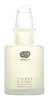
This calming moisturizer is formulated around Aloe Barbadensis Leaf Extract and Centella Asiatica Extract to calm redness and hydrate skin.
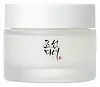
This barrier-repair moisturizer is formulated around Panax Ginseng Root Water and Niacinamide to strengthen the skin barrier.

What's inside
What's inside
 Key Ingredients
Benefits
Concerns
Ingredients Side-by-side
Aloe Barbadensis Leaf Extract 74.44%
Emollient


Citrus Junos Fruit Extract 10%
Skin ConditioningCentella Asiatica Extract 5%
Cleansing



Vitis Vinifera Seed Oil 2%
Emollient


Olea Europaea Fruit Oil 2%
Masking


Cetearyl Olivate
Sorbitan Olivate
Emulsifying
Stearic Acid
Cleansing
Cetyl Alcohol
Emollient

Butyrospermum Parkii Butter 0.5%
Skin Conditioning
Prunus Armeniaca Kernel Oil 0.5%
Masking
Oenothera Biennis Oil 0.5%
Emollient
Astrocaryum Murumuru Seed Butter 0.2%
Emollient
Gluconolactone
Chelating




Hyaluronic Acid
Humectant
Salix Alba Bark Extract
Astringent
Saccharum Officinarum Extract
MoisturisingHippophae Rhamnoides Fruit Oil 0.01%
Skin Protecting
Cucurbita Pepo Seed Oil 0.01%
Emollient
Lactobacillus 0.01%
Skin ConditioningBetaine
Humectant
Capsicum Annuum Fruit Extract
Antimicrobial
Scutellaria Baicalensis Root Extract
Astringent
Paeonia Suffruticosa Root Extract
Skin ProtectingGlycyrrhiza Glabra Root Extract
Bleaching
Xanthan Gum
EmulsifyingAniba Rosodora Wood Oil
Astringent
Citrus Aurantium Bergamia Fruit Oil
Masking

Citrus Aurantium Dulcis Oil
Masking
Citrus Junos Peel Oil
Astringent
Linalool
Perfuming
Limonene
Perfuming
Aloe Barbadensis Leaf Extract 74.44%, Citrus Junos Fruit Extract 10%, Centella Asiatica Extract 5%, Vitis Vinifera Seed Oil 2%, Olea Europaea Fruit Oil 2%, Cetearyl Olivate, Sorbitan Olivate, Stearic Acid, Cetyl Alcohol, Butyrospermum Parkii Butter 0.5%, Prunus Armeniaca Kernel Oil 0.5%, Oenothera Biennis Oil 0.5%, Astrocaryum Murumuru Seed Butter 0.2%, Gluconolactone, Hyaluronic Acid, Salix Alba Bark Extract, Saccharum Officinarum Extract, Hippophae Rhamnoides Fruit Oil 0.01%, Cucurbita Pepo Seed Oil 0.01%, Lactobacillus 0.01%, Betaine, Capsicum Annuum Fruit Extract, Scutellaria Baicalensis Root Extract, Paeonia Suffruticosa Root Extract, Glycyrrhiza Glabra Root Extract, Xanthan Gum, Aniba Rosodora Wood Oil, Citrus Aurantium Bergamia Fruit Oil, Citrus Aurantium Dulcis Oil, Citrus Junos Peel Oil, Linalool, Limonene
Water
Skin ConditioningOryza Sativa Bran Water
Masking
Glycerin
Humectant
Panax Ginseng Root Water
Masking
Hydrogenated Polydecene
Emollient1,2-Hexanediol
Skin Conditioning
Niacinamide
Smoothing
Squalane
Emollient
Butylene Glycol
Humectant
Propanediol
Solvent
Propylene Glycol Dicaprylate/Dicaprate
EmollientCetearyl Olivate
Sorbitan Olivate
Emulsifying
Ammonium Acryloyldimethyltaurate/Vp Copolymer
Xanthan Gum
EmulsifyingAcrylates/C10-30 Alkyl Acrylate Crosspolymer
Emulsion StabilisingTromethamine
BufferingCarthamus Tinctorius Seed Oil
Masking
Hydrogenated Coconut Oil
Emollient
Glyceryl Acrylate/Acrylic Acid Copolymer
HumectantEthylhexylglycerin
Skin ConditioningAdenosine
Skin Conditioning
Caprylic/Capric Triglyceride
Masking
Disodium EDTA
ChelatingHyaluronic Acid
Humectant
Hydrolyzed Hyaluronic Acid
Humectant
Sodium Hyaluronate
Humectant
Honey Extract
Humectant
Ceramide NP
Skin Conditioning
Hydrogenated Lecithin
Emulsifying
Coptis Japonica Root Extract
Skin ConditioningRaphanus Sativus Seed Extract
Skin ConditioningLycium Chinense Fruit Extract
Antioxidant
Theobroma Cacao Seed Extract
Antioxidant
Phellinus Linteus Extract
Skin ConditioningDextrin
AbsorbentScutellaria Baicalensis Root Extract
Astringent
Water, Oryza Sativa Bran Water, Glycerin, Panax Ginseng Root Water, Hydrogenated Polydecene, 1,2-Hexanediol, Niacinamide, Squalane, Butylene Glycol, Propanediol, Propylene Glycol Dicaprylate/Dicaprate, Cetearyl Olivate, Sorbitan Olivate, Ammonium Acryloyldimethyltaurate/Vp Copolymer, Xanthan Gum, Acrylates/C10-30 Alkyl Acrylate Crosspolymer, Tromethamine, Carthamus Tinctorius Seed Oil, Hydrogenated Coconut Oil, Glyceryl Acrylate/Acrylic Acid Copolymer, Ethylhexylglycerin, Adenosine, Caprylic/Capric Triglyceride, Disodium EDTA, Hyaluronic Acid, Hydrolyzed Hyaluronic Acid, Sodium Hyaluronate, Honey Extract, Ceramide NP, Hydrogenated Lecithin, Coptis Japonica Root Extract, Raphanus Sativus Seed Extract, Lycium Chinense Fruit Extract, Theobroma Cacao Seed Extract, Phellinus Linteus Extract, Dextrin, Scutellaria Baicalensis Root Extract
Reviews
Ingredients Explained
These ingredients are found in both products.
Ingredients higher up in an ingredient list are typically present in a larger amount.
Cetearyl Olivate is a plant-derived emulsifier and texture enhancer. It helps keep the oil and water phases from separating so your formulas stay stable.
You'll likely see it combined with Sorbitan Olivate (together sold as the trade name Olivem 1000). This combination generates a liquid crystal structure that closely resemble the lipid organization of the stratum corneum.
These "skin-like" liquid crystals improve skin barrier integrity and promote the delivery of actives into the skin.
This ingredient is well-tolerated and has no significant sensitization data.
Because it is derived from the fatty acids in olive oil, this ingredient may not be fungal acne safe.
Learn more about Cetearyl OlivateHyaluronic acid (HA) is a glycosaminoglycan (basically a long sugar chain) that your skin already makes on its own. In your skin, HA lives in the extracellular matrix and acts as the body's moisture reservoir.
Topically, HA is a humectant that binds water and helps skin look more plump, smooth, and hydrated.
The only catch is that HA isn't a single thing; it actually comes in a wide range of molecular weights (~50 - 2,000+ kDA) and size matters.
Some clinical evidence links low molecular weight versions to improved wrinkle depth, elasticity, anti-inflammatory effects, and barrier repair.
This is why the best HA serums blend the two sizes together so you get the best of both worlds.
The majority of cosmetic HA is produced by bacterial fermentation, typically using Streptococcus or Bacillus strains. Typical use levels in skincare sit around 0.1-2%.
A clinical study using a 0.2% low-molecular weight HA gel showed improvement in facial seborrheic dermatitis with excellent tolerance.
These are some other common types of Hyaluronic Acid:
Learn more about Hyaluronic AcidScutellaria Baicalensis Root Extract comes from the Baikal skullcap or Chinese skullcap plant. This plant is native to Northeast Asia and can be found in China, Mongolia, Korea, and Siberia.
In cosmetics, Scutellaria Baicalensis Root Extract provides antioxidant and anti-inflammatory benefits. This is due to the flavonoid composition of Scutellaria Baicalensis Root Extract.
In Chinese traditional folk medicine, Scutellaria Baicalensis Root Extract is used to help treat lung issues and hypertension.
Learn more about Scutellaria Baicalensis Root ExtractSorbitan Olivate is created from the fatty acids in olive oil and sorbitol.
This ingredient is an oil in water emulsifier. It helps stabilize a product by preventing oils and waters from separating. Sorbitan Olivate also helps hydrate the skin.
This ingredient is also known as part of Olivem 1000, with Cetearyl Olivate being the other part.
According to a manufacturer, this ingredient helps preserve the natural microbiome of skin. Having a healthy microbiome helps keep our skin healthy and protects against harmful bacteria.
Please note, having a healthy microbiome is different from fungal acne; a healthy microbiome includes small amounts of yeast that normally live on your skin without causing problems.
Fungal acne happens when one type of yeast (Malassezia) grows out of control. This is usually because it's feeding on certain oils or fatty acids. Due to the olive oil base, this ingredient may not be fungal acne safe.
Learn more about Sorbitan OlivateXanthan gum is used as a stabilizer and thickener within cosmetic products. It helps give products a sticky, thick feeling - preventing them from being too runny.
On the technical side of things, xanthan gum is a polysaccharide - a combination consisting of multiple sugar molecules bonded together.
Xanthan gum is a pretty common and great ingredient. It is a natural, non-toxic, non-irritating ingredient that is also commonly used in food products.
Learn more about Xanthan Gum

