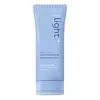
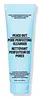
Wardah Light Low pH Nano Niacinamide Whip Facial Foam Versus Peace Out Creamy Gentle Exfoliating Pore Perfecting Cleanser
This salicylic acid cream cleanser is formulated around Salicylic Acid to clear breakouts and unclog pores.


What's inside
What's inside
 Key Ingredients
Benefits
Concerns
Ingredients Side-by-side
Water
Skin ConditioningGlycerin
Humectant


Sodium Cocoyl Isethionate
Cleansing
Sodium C14-16 Olefin Sulfonate
Cleansing

Disodium Cocoyl Glutamate
Cleansing
Niacinamide
Smoothing









Glyceryl Stearate
Emollient

Glycol Distearate
Emollient
Cocamidopropyl Betaine
Cleansing
Trehalose
Humectant
Zinc Hydrolyzed Hyaluronate
HumectantPhytosteryl/Octyldodecyl Lauroyl Glutamate
Skin ConditioningGlycine
Buffering
Glutamic Acid
Humectant
Arginine
Masking
Proline
Skin Conditioning
Serine
Masking
Alanine
Masking
Lysine Hcl
Skin Conditioning
Threonine
Sodium PCA
Humectant
PCA
Humectant
Glycyrrhiza Glabra Root Extract
Bleaching
Allantoin
Skin Conditioning
Sodium Lactate
Buffering
Castoryl Maleate
Skin ConditioningBetaine
Humectant
Propylene Glycol
Humectant
Citric Acid
Buffering
Sodium Chloride
MaskingCalcium Chloride
AstringentAlgin
MaskingPotassium Sorbate
Preservative
Acrylates Copolymer
Phenoxyethanol
Preservative
Polyquaternium-7
Disodium EDTA
ChelatingSodium Metabisulfite
Antioxidant
Ethylhexylglycerin
Skin ConditioningParfum
Masking

Sodium Benzoate
Masking
Water, Glycerin, Sodium Cocoyl Isethionate, Sodium C14-16 Olefin Sulfonate, Disodium Cocoyl Glutamate, Niacinamide, Glyceryl Stearate, Glycol Distearate, Cocamidopropyl Betaine, Trehalose, Zinc Hydrolyzed Hyaluronate, Phytosteryl/Octyldodecyl Lauroyl Glutamate, Glycine, Glutamic Acid, Arginine, Proline, Serine, Alanine, Lysine Hcl, Threonine, Sodium PCA, PCA, Glycyrrhiza Glabra Root Extract, Allantoin, Sodium Lactate, Castoryl Maleate, Betaine, Propylene Glycol, Citric Acid, Sodium Chloride, Calcium Chloride, Algin, Potassium Sorbate, Acrylates Copolymer, Phenoxyethanol, Polyquaternium-7, Disodium EDTA, Sodium Metabisulfite, Ethylhexylglycerin, Parfum, Sodium Benzoate
Water
Skin ConditioningSodium Cocoyl Isethionate
Cleansing
Propanediol
Solvent
Cocamidopropyl Betaine
Cleansing
Myristic Acid
Cleansing
Diglycerin
Humectant
Stearic Acid
Cleansing
Cellulose Acetate
Caprylic/Capric Triglyceride
Masking
Ammonium Acryloyldimethyltaurate/Vp Copolymer
Zea Mays Starch
Absorbent
Sodium Lauroyl Methyl Isethionate
CleansingCaprylyl Glycol
Emollient
Glyceryl Caprylate
EmollientSodium Methyl Oleoyl Taurate
CleansingCocamidopropyl Dimethylamine
Emulsifying
Coconut Acid
Cleansing
Ethylhexylglycerin
Skin ConditioningBetaine
Humectant
Niacinamide
Smoothing
Glyceryl Dibehenate
Emollient
Potassium Hydroxide
BufferingSalicylic Acid
Masking

Coco-Glucoside
Cleansing
Lauryl Glucoside
CleansingTribehenin
Emollient
Sodium Isethionate
CleansingSodium PCA
Humectant
Glyceryl Behenate
Emollient
Palmitic Acid
Emollient
Sodium Lactate
Buffering
PCA
Humectant
Sodium Benzoate
Masking
Lauric Acid
Cleansing
Serine
Masking
Alanine
Masking
Glycine
Buffering
Sodium Hyaluronate
Humectant
Glutamic Acid
Humectant
Lysine Hcl
Skin Conditioning
Threonine
Arginine
Masking
Proline
Skin Conditioning
Alcohol
Antimicrobial
Citric Acid
Buffering
Sodium Carboxymethyl Starch
Emulsion StabilisingSodium Chloride
MaskingSodium Citrate
BufferingWater, Sodium Cocoyl Isethionate, Propanediol, Cocamidopropyl Betaine, Myristic Acid, Diglycerin, Stearic Acid, Cellulose Acetate, Caprylic/Capric Triglyceride, Ammonium Acryloyldimethyltaurate/Vp Copolymer, Zea Mays Starch, Sodium Lauroyl Methyl Isethionate, Caprylyl Glycol, Glyceryl Caprylate, Sodium Methyl Oleoyl Taurate, Cocamidopropyl Dimethylamine, Coconut Acid, Ethylhexylglycerin, Betaine, Niacinamide, Glyceryl Dibehenate, Potassium Hydroxide, Salicylic Acid, Coco-Glucoside, Lauryl Glucoside, Tribehenin, Sodium Isethionate, Sodium PCA, Glyceryl Behenate, Palmitic Acid, Sodium Lactate, PCA, Sodium Benzoate, Lauric Acid, Serine, Alanine, Glycine, Sodium Hyaluronate, Glutamic Acid, Lysine Hcl, Threonine, Arginine, Proline, Alcohol, Citric Acid, Sodium Carboxymethyl Starch, Sodium Chloride, Sodium Citrate
Reviews
Ingredients Explained
These ingredients are found in both products.
Ingredients higher up in an ingredient list are typically present in a larger amount.
Alanine is an amino acid and is already found in the human body. Our skin uses alanine to build collagen, elastin, and keratin.
Arginine is a semi-essential amino acid. This just means our bodies can product a bit on its own, but sometimes needs a little boost from food sources.
It is a part of your skin's natural moisturizing factor (NMF), or the water-loving molecules in your outermost layer of skin (stratum corneum) that keeps everything hydrated and happy.
Here's an interesting thing about Arginine: your skin converts it into urea through the Krebs-Henseleit urea cycle. Urea is one of the most effective humectants your skin naturally produces.
A clinical study showed applying 2.5% arginine hydrochloride to atopic dermatitis skin showed significant urea levels in the stratum corneum and improved moisture in just four weeks.
Arginine is also a precursor to nitric oxide; nitric oxide improves microcirculation and supports wound healing and collagen synthesis.
One study found that an amino acid complex containing Arginine reduced skin irritation, improved hydration, and accelerated skin repair in clinical / in-vivo studies.
Arginine itself is an amino acid and not a fatty acid, oil, or ester. On its own, it's not a direct food source for Malassezia, or the yeast that causes fungal acne.
Learn more about ArginineBetaine is a humectant. Like hyaluronic acid, it helps attract and retain moisture in the skin. It’s known for being gentle and for helping the skin maintain balanced hydration.
Betaine is mainly used to improve hydration and support calmer skin. It helps skin cells regulate water balance because it functions as an osmolyte.
Some studies suggest betaine may support making skin tone more even.
Fun fact: Betaine naturally exists in the skin and the body. In cosmetic products, it can be either plant-derived (most commonly from sugar beets) or synthetically produced for consistency and stability.
Betaine is also known as trimethylglycine.
Learn more about BetaineCitric Acid is an alpha hydroxy acid (AHA) naturally found in citrus fruits like oranges, lemons, and limes.
Like other AHAs, citric acid can exfoliate skin by breaking down the bonds that hold dead skin cells together. This helps reveal smoother and brighter skin underneath.
However, this exfoliating effect only happens at high concentrations (20%) which can be hard to find in cosmetic products.
Due to this, citric acid is usually included in small amounts as a pH adjuster. This helps keep products slightly more acidic and compatible with skin's natural pH.
In skincare formulas, citric acid can:
While it can provide some skin benefits, research shows lactic acid and glycolic acid are generally more effective and less irritating exfoliants.
Most citric acid used in skincare today is made by fermenting sugars (usually from molasses). This synthetic version is identical to the natural citrus form but easier to stabilize and use in formulations.
Rosacea skin has a lower threshold for acids generally, with 62.5% of rosacea subjects in one study reacting to lactic acid in a sting test. This is why we mark citric acid as a potential rosacea trigger.
However, this ingredient shows up as a pH adjuster or chelator at roughly 0.1-1% in many products. These low levels are unlikely to be an issue for rosacea skin and becomes a potential trigger at exfoliating concentrations (20%). Because everybody's skin is unique, we recommend a patch test if you are unsure.
Learn more about Citric AcidCocamidopropyl Betaine is a fatty acid created by mixing similar compounds in coconut oil and dimethylaminopropylamine, a compound with two amino groups.
This ingredient is a surfactant and cleanser. It helps gather the dirt, pollutants, and other impurities in your skin to be washed away. It also helps thicken a product and make the texture more creamy.
Being created from coconut oil means Cocamidopropyl Betaine is hydrating for the skin.
While Cocamidopropyl Betaine was believed to be an allergen, a study from 2012 disproved this. It found two compounds in unpure Cocamidopropyl Betaine to be the irritants: aminoamide and 3-dimethylaminopropylamine. High-grade and pure Cocamidopropyl Betaine did not induce allergic reactions during this study.
Learn more about Cocamidopropyl BetaineEthylhexylglycerin is created from glycerin. It is a multitasker ingredient that:
The CIR Expert Panel found minimal skin absorption or sensitization of any kind in a safety assessment. Though this ingredient is considered well-tolerated, a small number of cases of allergic dermatitis have been published since 2002. Just be sure to patch test if you are unsure.
Industry-reported use ranges from 8% in rinse-off products and 2% in leave-on formulations.
Learn more about EthylhexylglycerinGlutamic Acid is an amino acid that is found in all living organisms. Our bodies use this to help nerve cells in the brain communicate with other cells.
In cosmetics, glutamic acid is a famous humectant. It draws water from the air to your skin, keeping your skin hydrated (like hyaluronic acid).
An in-vitro study from 2024 found glutamic acid to play a role in inhibiting inflammation and thus a potential skin-soothing ingredient.
Other studies show it to be have potential wound healing, skin barrier repair, and hair growth properties.
Glutamic acid has poor solubility in water and other solvents.
Learn more about Glutamic AcidGlycine is the smallest amino acid and a key building block of collagen. It's part if your skin's Natural Moisturizing Factor (NMF), or the water-loving molecules in your outermost layer of skin (stratum corneum) that keeps everything hydrated and happy.
A study from 2022 found that an amino acid complex featuring taurine, arginine, and glycine significantly reduced skin irritation, improved redness, and accelerated the skin repair process.
Lysine HCl is an alpha amino acid salt.
Our skin uses amino acids as a precursor for building protein, and therefore keratins, collagen and elastin.
Niacinamide is a multitasking form of vitamin B3 that strengthens the skin barrier, reduces pores and dark spots, regulates oil, and improves signs of aging.
And the best part? It's gentle and well-tolerated by most skin types, including sensitive and reactive skin.
You might have heard of "niacin flush", or the reddening of skin that causes itchiness. Niacinamide has not been found to cause this.
In very rare cases, some individuals may not be able to tolerate niacinamide at all or experience an allergic reaction to it.
If you are experiencing flaking, irritation, and dryness with this ingredient, be sure to double check all your products as this ingredient can be found in all categories of skincare.
When incorporating niacinamide into your routine, look out for concentration amounts. Typically, 5% niacinamide provides benefits such as fading dark spots. However, if you have sensitive skin, it is better to begin with a smaller concentration.
When you apply niacinamide to your skin, your body converts it into nicotinamide adenine dinucleotide (NAD). NAD is an essential coenzyme that is already found in your cells as "fuel" and powers countless biological processes.
In your skin, NAD helps repair cell damage, produce new healthy cells, support collagen production, strengthen the skin barrier, and fight environmental stressors (like UV and pollution).
Our natural NAD levels start to decline with age, leading to slower skin repair, visible aging, and a weaker skin barrier. By providing your skin niacinamide, you're recharging your skin's NAD levels. This leads to stronger, healthier, and younger looking skin.
Another name for vitamin B3 is nicotinamide. This vitamin is water-soluble and our bodies don't store it. We obtain Vitamin B3 from either food or skincare. Meat, fish, wheat, yeast, and leafy greens contain vitamin B3.
The type of niacinamide used in skincare is synthetically created.
Learn more about NiacinamidePCA is an amino acid derivative and one of the star players in your skin's own Natural Moisturizing Factor (NMF).
The NMF is the built-in cocktail of small molecules that keeps your outer layer of skin hydrated and your body makes it naturally.
This is why it works so well topically; PCA is a humectant that holds water in the stratum corneum and studies link higher skin PCA levels to better hydration + lower water loss. Interestingly, people show more PCA in summer and in normal vs dry skin.
Most of the benefits of this ingredient are related to hydration, softness, and barrier support.
A long-running review found that formulas with at least 2% PCA or its salts improved dry skin over both the short and long term. And the zinc salt is also used for its mild antimicrobial and astringent properties.
The salt forms are more common in cosmetics (like sodium PCA).
This ingredient is compatible with basically everything and pairs well with other humectants like glycerin or hyaluronic acid.
Usage-wise, it's typically used at low percentages (~0.2-2%).
The Cosmetic Ingredient Review Expert Panel has concluded PCA and its salts are safe as used and is non-irritating on skin even at high concentrations.
Learn more about PCAProline is a non-essential amino acid, meaning your body can make it on its own. In skincare, it is a skin conditioning ingredient that keeps skin soft and hydrated.
It makes up about 23% of the collagen molecule (collagen is the protein responsible for keeping your skin firm) and is involved in your skin's natural hyaluronic acid production. When applied topically, proline can penetrate the skin fairly well due to its small molecular size.
Reviews of this ingredient have found it to be neither a dermal irritant nor a sensitizer.
Fun fact: Proline can be found in protein-rich foods like meat, fish, eggs, and dairy.
Learn more about ProlineSerine is a non-essential amino acid (your body makes it on its own!). It is a major player in your skin's natural moisturizing factor (NMF), or the water-loving molecules in your outermost layer of skin (stratum corneum) that keeps everything hydrated and happy.
Serine is one of your NMF's most abundant components that works as a skin-identical humectant. Its hydroxyl group grabs onto water molecules to boost hydration without any heaviness or occlusion.
Research on a hydrogel with serine confirmed this serine got delivered to your stratum corneum and demonstrated enhanced skin moisturization.
Interestingly serine also helps your skin produce filaggrin, a protein that keeps your skin barrier strong and used to create collagen.
Learn more about SerineSodium Benzoate is a preservative. It's used in both cosmetic and food products to inhibit the growth of mold and bacteria. It is typically produced synthetically.
Both the US FDA and EU Health Committee have approved the use of sodium benzoate. In the US, levels of 0.1% (of the total product) are allowed.
Sodium benzoate works as a preservative by inhibiting the growth of bacteria inside of cells. It prevents the cell from fermenting a type of sugar using an enzyme called phosphofructokinase.
It is the salt of benzoic acid. Foods containing sodium benzoate include soda, salad dressings, condiments, fruit juices, wines, and snack foods.
Studies for using ascorbic acid and sodium benzoate in cosmetics are lacking, especially in skincare routines with multiple steps.
We always recommend speaking with a professional, such as a dermatologist, if you have any concerns.
Learn more about Sodium BenzoateChances are, you eat sodium chloride every day. Sodium Chloride is also known as table salt. This ingredient has many purposes in skincare: thickener, emulsifier, and exfoliator.
You'll most likely find this ingredient in cleansers where it is used to create a gel-like texture. As an emulsifier, it also prevents ingredients from separating.
You might see people debate whether Sodium Chloride is comedogenic, but there actually haven't been any comedogenic tests done on it. Either way, the overall formulation of a product matters a lot more than any single ingredient.
You might see this ingredient used in scrubs as a primary exfoliating ingredient.
Learn more about Sodium ChlorideSodium cocoyl isethionate is a natural ingredient from coconut oil. It is an ultra gentle cleanser that gives a nice foam without drying the skin or impacting the skin barrier.
The amount of foam created depends on the amount of sodium cocoyl isethionate used in the product.
This ingredient also helps improve the spreadability of a product.
This ingredient hasn’t been shown in studies to feed fungal acne yeast.
Learn more about Sodium Cocoyl IsethionateSodium Lactate is the sodium salt of lactic acid, an AHA. It is a humectant and sometimes used to adjust the pH of a product.
This ingredient is part of our skin's NMF, or natural moisturizing factor. Our NMF is essential for the hydration of our top skin layers and plasticity of skin. NMF also influences our skin's natural acid mantle and pH, which protects our skin from harmful bacteria.
High percentages of Sodium Lactate can have an exfoliating effect.
Fun fact: Sodium Lactate is produced from fermented sugar.
Learn more about Sodium LactateSodium PCA (the salt of PCA) is one of the most well-established humectants in skincare.
Why is it so special? Your skin already makes it naturally; it's a natural component of your skin's Natural Moisturizing Factor (NMF), or the mix of water-binding compounds inside your skin cells that keeps things soft and hydrated.
As a cosmetic ingredient, it grabs water and holds it in the upper layers of skin to smooth roughness and ease dehydration.
There's some clinical support for the NMF approach with a study showing that a cream built to mimic the skin's NMF significantly boosted hydration.
Safety-wise, this ingredient non-irritating, non-comedogenic, and non-phototoxic in testing, with minimal skin absorption.
It also works really well with other hydrators like glycerin or hyaluronic acid, and typical usage is somewhere between 0.2-4%.
Learn more about Sodium PCAThreonine is an amino-acid. It helps hydrate the skin and has antioxidant benefits.
Our skin uses threonine for creating collagen and elastin. Humans are not able to create threonine and must get it through eating foods such as fish, lentils, poultry, sesame seeds, and more.
Water. It's the most common cosmetic ingredient of all. You'll usually see it at the top of ingredient lists, meaning that it makes up the largest part of the product.
So why is it so popular? Water most often acts as a solvent - this means that it helps dissolve other ingredients into the formulation.
You'll also recognize water as that liquid we all need to stay alive. If you see this, drink a glass of water. Remember to stay hydrated!
Learn more about Water

