

What's inside
What's inside
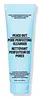 Key Ingredients
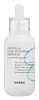
Benefits
Concerns
No concerns
Ingredients Side-by-side
Water
Skin ConditioningSodium Cocoyl Isethionate
Cleansing
Propanediol
Solvent

Cocamidopropyl Betaine
Cleansing

Myristic Acid
Cleansing

Diglycerin
Humectant
Stearic Acid
Cleansing
Cellulose Acetate
Caprylic/Capric Triglyceride
Masking
Ammonium Acryloyldimethyltaurate/Vp Copolymer
Zea Mays Starch
Absorbent
Sodium Lauroyl Methyl Isethionate
CleansingCaprylyl Glycol
Emollient
Glyceryl Caprylate
EmollientSodium Methyl Oleoyl Taurate
CleansingCocamidopropyl Dimethylamine
Emulsifying
Coconut Acid
Cleansing
Ethylhexylglycerin
Skin ConditioningBetaine
Humectant
Niacinamide
Smoothing








Glyceryl Dibehenate
Emollient
Potassium Hydroxide
BufferingSalicylic Acid
Masking


Coco-Glucoside
Cleansing
Lauryl Glucoside
CleansingTribehenin
Emollient
Sodium Isethionate
CleansingSodium PCA
Humectant
Glyceryl Behenate
Emollient
Palmitic Acid
Emollient
Sodium Lactate
Buffering
PCA
Humectant
Sodium Benzoate
Masking
Lauric Acid
Cleansing
Serine
Masking
Alanine
Masking
Glycine
Buffering
Sodium Hyaluronate
Humectant
Glutamic Acid
Humectant
Lysine Hcl
Skin Conditioning
Threonine
Arginine
Masking
Proline
Skin Conditioning
Alcohol
Antimicrobial

Citric Acid
Buffering
Sodium Carboxymethyl Starch
Emulsion StabilisingSodium Chloride
MaskingSodium Citrate
BufferingWater, Sodium Cocoyl Isethionate, Propanediol, Cocamidopropyl Betaine, Myristic Acid, Diglycerin, Stearic Acid, Cellulose Acetate, Caprylic/Capric Triglyceride, Ammonium Acryloyldimethyltaurate/Vp Copolymer, Zea Mays Starch, Sodium Lauroyl Methyl Isethionate, Caprylyl Glycol, Glyceryl Caprylate, Sodium Methyl Oleoyl Taurate, Cocamidopropyl Dimethylamine, Coconut Acid, Ethylhexylglycerin, Betaine, Niacinamide, Glyceryl Dibehenate, Potassium Hydroxide, Salicylic Acid, Coco-Glucoside, Lauryl Glucoside, Tribehenin, Sodium Isethionate, Sodium PCA, Glyceryl Behenate, Palmitic Acid, Sodium Lactate, PCA, Sodium Benzoate, Lauric Acid, Serine, Alanine, Glycine, Sodium Hyaluronate, Glutamic Acid, Lysine Hcl, Threonine, Arginine, Proline, Alcohol, Citric Acid, Sodium Carboxymethyl Starch, Sodium Chloride, Sodium Citrate
Water
Skin ConditioningCentella Asiatica Extract
Cleansing
Dipropylene Glycol
HumectantGlycerin
Humectant
1,2-Hexanediol
Skin Conditioning
Betaine
Humectant
Chondrus Crispus Extract
Skin Conditioning
Saccharum Officinarum Extract
MoisturisingPentylene Glycol
Skin Conditioning
Octanediol
Ammonium Acryloyldimethyltaurate/Vp Copolymer
Xanthan Gum
EmulsifyingEthylhexylglycerin
Skin ConditioningAllantoin
Skin Conditioning
Madecassoside
Antioxidant
Panthenol
Skin Conditioning
Reviews
Ingredients Explained
These ingredients are found in both products.
Ingredients higher up in an ingredient list are typically present in a larger amount.
Ammonium Acryloyldimethyltaurate/Vp Copolymer is a synthetically created polymer. It's used as a film-forming agent and used to thicken the consistency of products.
Think of it as a supportive ingredient that helps your gel-creams feel silky, "cloud cream-like", and spread evenly without being greasy.
The Cosmetic Ingredient Review (CIR) Expert Panel evaluated it (along with 22 other acryloyldimethyltaurate polymers) and concluded it's:
Due to its large molecular size, it sits on the surface of skin rather than penetrating it.
Learn more about Ammonium Acryloyldimethyltaurate/Vp CopolymerBetaine is a humectant. Like hyaluronic acid, it helps attract and retain moisture in the skin. It’s known for being gentle and for helping the skin maintain balanced hydration.
Betaine is mainly used to improve hydration and support calmer skin. It helps skin cells regulate water balance because it functions as an osmolyte.
Some studies suggest betaine may support making skin tone more even.
Fun fact: Betaine naturally exists in the skin and the body. In cosmetic products, it can be either plant-derived (most commonly from sugar beets) or synthetically produced for consistency and stability.
Betaine is also known as trimethylglycine.
Learn more about BetaineEthylhexylglycerin is created from glycerin. It is a multitasker ingredient that:
The CIR Expert Panel found minimal skin absorption or sensitization of any kind in a safety assessment. Though this ingredient is considered well-tolerated, a small number of cases of allergic dermatitis have been published since 2002. Just be sure to patch test if you are unsure.
Industry-reported use ranges from 8% in rinse-off products and 2% in leave-on formulations.
Learn more about EthylhexylglycerinWater. It's the most common cosmetic ingredient of all. You'll usually see it at the top of ingredient lists, meaning that it makes up the largest part of the product.
So why is it so popular? Water most often acts as a solvent - this means that it helps dissolve other ingredients into the formulation.
You'll also recognize water as that liquid we all need to stay alive. If you see this, drink a glass of water. Remember to stay hydrated!
Learn more about Water
