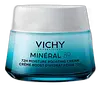
This barrier-repair moisturizer is formulated around Niacinamide and Squalane to strengthen the skin barrier and hydrate skin.
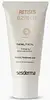
This anti-aging treatment is formulated around Retinol and Retinyl Propionate to soften the look of wrinkles and brighten dull-looking skin.


What's inside
What's inside
 Key Ingredients
Benefits
Concerns
Ingredients Side-by-side
Water
Skin ConditioningGlycerin
Humectant


Dicaprylyl Ether
Emollient
Pentylene Glycol
Skin Conditioning
Polyglyceryl-6 Distearate
Emulsifying

Niacinamide
Smoothing









Propanediol
Solvent
Cetyl Esters
Emollient
Jojoba Esters
Emollient
Cetearyl Isononanoate
Emollient
Squalane
Emollient
Behenyl Alcohol
Emollient
Adenosine
Skin Conditioning
Capryloyl Salicylic Acid
Exfoliating
Hydroxyacetophenone
Antioxidant
Mineral Salts
Skin ConditioningSodium Hyaluronate
Humectant
Trisodium Ethylenediamine Disuccinate
ChelatingVitreoscilla Ferment
Skin Conditioning
Tocopherol
Antioxidant
Acacia Decurrens Flower Cera
Emollient
Acrylamide/Sodium Acryloyldimethyltaurate Copolymer
Emulsion StabilisingCetyl Alcohol
Emollient
Helianthus Annuus Seed Cera
Emollient
Hydroxypropyl Starch Phosphate
Isohexadecane
EmollientPolyglycerin-3
Humectant
Polyglyceryl-3 Beeswax
Emulsifying
Polysorbate 80
Emulsifying
Sodium Stearoyl Glutamate
CleansingSorbitan Oleate
Emulsifying

Parfum
Masking


Water, Glycerin, Dicaprylyl Ether, Pentylene Glycol, Polyglyceryl-6 Distearate, Niacinamide, Propanediol, Cetyl Esters, Jojoba Esters, Cetearyl Isononanoate, Squalane, Behenyl Alcohol, Adenosine, Capryloyl Salicylic Acid, Hydroxyacetophenone, Mineral Salts, Sodium Hyaluronate, Trisodium Ethylenediamine Disuccinate, Vitreoscilla Ferment, Tocopherol, Acacia Decurrens Flower Cera, Acrylamide/Sodium Acryloyldimethyltaurate Copolymer, Cetyl Alcohol, Helianthus Annuus Seed Cera, Hydroxypropyl Starch Phosphate, Isohexadecane, Polyglycerin-3, Polyglyceryl-3 Beeswax, Polysorbate 80, Sodium Stearoyl Glutamate, Sorbitan Oleate, Parfum
Water
Skin ConditioningEthylhexyl Methoxycinnamate
UV Absorber

Pentylene Glycol
Skin Conditioning
Cetyl Alcohol
Emollient
Glyceryl Stearate
Emollient
PEG-100 Stearate
Surfactant
Propylene Glycol
Humectant
Caprylic/Capric Triglyceride
Masking
C12-15 Alkyl Benzoate
AntimicrobialButyl Methoxydibenzoylmethane
UV Absorber
Glyceryl Polymethacrylate
Cyclopentasiloxane
Emollient
Dimethicone
Emollient
Acrylamide/Sodium Acryloyldimethyltaurate Copolymer
Emulsion StabilisingAmmonium Acryloyldimethyltaurate/Vp Copolymer
Alpha-Isomethyl Ionone
Perfuming
Ascorbyl Glucoside
Antioxidant
Ascorbyl Palmitate
Antioxidant
Benzyl Cinnamate
Perfuming
Benzyl Salicylate
Perfuming
BHA
Antioxidant
BHT
Antioxidant
Boswellia Serrata Gum
Masking
Butylphenyl Methylpropional
Perfuming
C13-14 Isoparaffin
Emollient
Citric Acid
Buffering
Coumarin
Perfuming
Cyclohexasiloxane
Emollient
Dipropylene Glycol
HumectantDisodium EDTA
ChelatingEthylparaben
Preservative

Glyceryl Behenate
Emollient
Glyceryl Oleate
Emollient
Helianthus Annuus Seed Oil
Emollient
Laureth-7
EmulsifyingLecithin
Emollient
Linalool
Perfuming
Methylparaben
Preservative
O-Cymen-5-Ol
Antimicrobial
Palmitoyl Oligopeptide
Cleansing
Parfum
Masking
PEG-8
HumectantPhenoxyethanol
Preservative
Polysorbate 20
Emulsifying
Pseudoalteromonas Ferment Extract
Humectant
Retinol
Skin Conditioning
Retinyl Propionate
Skin Conditioning
Salicylic Acid
Masking

Sodium Hydroxide
BufferingTocopherol
Antioxidant
Tocopheryl Acetate
Antioxidant
Xanthan Gum
EmulsifyingWater, Ethylhexyl Methoxycinnamate, Pentylene Glycol, Cetyl Alcohol, Glyceryl Stearate, PEG-100 Stearate, Propylene Glycol, Caprylic/Capric Triglyceride, C12-15 Alkyl Benzoate, Butyl Methoxydibenzoylmethane, Glyceryl Polymethacrylate, Cyclopentasiloxane, Dimethicone, Acrylamide/Sodium Acryloyldimethyltaurate Copolymer, Ammonium Acryloyldimethyltaurate/Vp Copolymer, Alpha-Isomethyl Ionone, Ascorbyl Glucoside, Ascorbyl Palmitate, Benzyl Cinnamate, Benzyl Salicylate, BHA, BHT, Boswellia Serrata Gum, Butylphenyl Methylpropional, C13-14 Isoparaffin, Citric Acid, Coumarin, Cyclohexasiloxane, Dipropylene Glycol, Disodium EDTA, Ethylparaben, Glyceryl Behenate, Glyceryl Oleate, Helianthus Annuus Seed Oil, Laureth-7, Lecithin, Linalool, Methylparaben, O-Cymen-5-Ol, Palmitoyl Oligopeptide, Parfum, PEG-8, Phenoxyethanol, Polysorbate 20, Pseudoalteromonas Ferment Extract, Retinol, Retinyl Propionate, Salicylic Acid, Sodium Hydroxide, Tocopherol, Tocopheryl Acetate, Xanthan Gum
Ingredients Explained
These ingredients are found in both products.
Ingredients higher up in an ingredient list are typically present in a larger amount.
This ingredient is a synthetic polymer used to stabilize formulas and give products a "gel-cream" feel.
When applied, this ingredient mostly stays on the surface of skin. Safety reviews have found these polymers safe in cosmetics when made to proper quality standards. Testing also shows they’re unlikely to cause irritation or sensitization at normal use levels.
Cetyl Alcohol is a fatty alcohol. Fatty Alcohols are most often used as an emollient or to thicken a product.
Its main roles are:
Though it has "alcohol" in the name, it is not related to denatured alcohol or ethyl alcohol.
The FDA allows products labeled "alcohol-free" to have fatty alcohols.
This ingredient may not be fungal acne safe. It is a primary fatty alcohol with a chain length above 12 carbons. A study from 2019 show Malassezia can feed on fatty alcohols in this range, so it may trigger fungal acne in those prone to it.
Learn more about Cetyl AlcoholParfum is a catch-all term for an ingredient or more that is used to give a scent to products.
Also called "fragrance", this ingredient can be a blend of hundreds of chemicals or plant oils. This means every product with "fragrance" or "parfum" in the ingredients list is a different mixture.
For instance, Habanolide is a proprietary trade name for a specific aroma chemical. When used as a fragrance ingredient in cosmetics, most aroma chemicals fall under the broad labeling category of “FRAGRANCE” or “PARFUM” according to EU and US regulations.
The term 'parfum' or 'fragrance' is not regulated in many countries. In many cases, it is up to the brand to define this term.
For instance, many brands choose to label themselves as "fragrance-free" because they are not using synthetic fragrances. However, their products may still contain ingredients such as essential oils that are considered a fragrance by INCI standards.
One example is Calendula flower extract. Calendula is an essential oil that still imparts a scent or 'fragrance'.
Depending on the blend, the ingredients in the mixture can cause allergies and sensitivities on the skin. Some ingredients that are known EU allergens include linalool and citronellol.
Parfum can also be used to mask or cover an unpleasant scent.
The bottom line is: not all fragrances/parfum/ingredients are created equally. If you are worried about fragrances, we recommend taking a closer look at an ingredient. And of course, we always recommend speaking with a professional.
Learn more about ParfumPentylene Glycol (1,2-pentanediol) is a multitasking little diol with three main roles in a formula:
Research on alkanediols (the family pentylene glycol belongs to) show they work by disrupting microbial cell membranes. This disruption helps the primary preservative system in a product work more effectively at lower doses.
On the safety side, the Cosmetic Ingredient Review Expert Panel has concluded this ingredient to be safe as used in current cosmetic practices + concentrations.
Typical use levels in a formula run about 1-5%.
Learn more about Pentylene GlycolTocopherol is a fat-soluble antioxidant known as Vitamin E.
You'll find this ingredient in the vast majority of skincare (for good reason). It works to neutralize free radicals, or unstable molecules generated by UV exposure, pollution, and other environmental stressors, before they can cause oxidative damage to your skin cells.
Topically applied tocopherol has been shown to protect against UV damage by ramping up the skin's own natural defense enzymes.
It also acts as a skin conditioning agent; some studies show that regular topical use can improve the skin's water-binding capacity over 2-4 weeks.
This ingredient is especially loved for being a team player. When combined with Vitamin C, the photoprotective effect of both ingredients roughly doubles and the combo also helps reduce UV-induced DNA damage.
This ingredient has some brightening potential but it's more of a prevention ingredient than spot-fader. Cell studies show it can slow down melanin production but it's worth noting that it's not the most powerful brightener out there.
In formulations, it also serves as a stabilizer that helps protect other oxidation-prone ingredients from degrading.
Concentrations usually range from 0.1-1% in most leave-on products.
Learn more about TocopherolWater. It's the most common cosmetic ingredient of all. You'll usually see it at the top of ingredient lists, meaning that it makes up the largest part of the product.
So why is it so popular? Water most often acts as a solvent - this means that it helps dissolve other ingredients into the formulation.
You'll also recognize water as that liquid we all need to stay alive. If you see this, drink a glass of water. Remember to stay hydrated!
Learn more about Water

