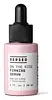
This anti-aging serum is formulated around Resveratrol and Palmitoyl Tripeptide-1 to soften the look of wrinkles and refine skin texture.
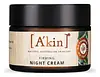
This anti-aging night moisturizer is formulated around Butyrospermum Parkii Butter and Niacinamide to soften the look of wrinkles and hydrate skin.


What's inside
What's inside
 Key Ingredients
Benefits
Concerns
Ingredients Side-by-side
Water
Skin ConditioningPropylene Glycol
Humectant


Glycerin
Humectant

Propanediol
Solvent
Butylene Glycol
Humectant
Resveratrol
Antioxidant




Palmitoyl Tripeptide-1
Skin Conditioning

Palmitoyl Tetrapeptide-7
Skin Conditioning
Retinyl Palmitate
Skin Conditioning


Tocopheryl Acetate
Antioxidant
Tocopherol
Antioxidant
Sodium Hyaluronate
Humectant
Citric Acid
Buffering
Phenoxyethanol
Preservative
PEG-40 Hydrogenated Castor Oil
Emulsifying
Polyacrylate Crosspolymer-6
Emulsion StabilisingSodium Ascorbyl Phosphate
Antioxidant

Xanthan Gum
EmulsifyingTrisodium Ethylenediamine Disuccinate
ChelatingCeramide AP
Skin Conditioning
1,2-Hexanediol
Skin Conditioning
Carbomer
Emulsion StabilisingSodium Metabisulfite
Antioxidant
Polysorbate 20
Emulsifying
Sodium Lactate
Buffering
Water, Propylene Glycol, Glycerin, Propanediol, Butylene Glycol, Resveratrol, Palmitoyl Tripeptide-1, Palmitoyl Tetrapeptide-7, Retinyl Palmitate, Tocopheryl Acetate, Tocopherol, Sodium Hyaluronate, Citric Acid, Phenoxyethanol, PEG-40 Hydrogenated Castor Oil, Polyacrylate Crosspolymer-6, Sodium Ascorbyl Phosphate, Xanthan Gum, Trisodium Ethylenediamine Disuccinate, Ceramide AP, 1,2-Hexanediol, Carbomer, Sodium Metabisulfite, Polysorbate 20, Sodium Lactate
Water
Skin ConditioningIsostearyl Isostearate
Emollient

Butyrospermum Parkii Butter
Skin Conditioning
Macadamia Ternifolia Seed Oil
Emollient
Sorbitan Stearate
Emulsifying
Cetearyl Nonanoate
EmollientGlycerin
Humectant
Cetearyl Alcohol
Emollient

Niacinamide
Smoothing


Ascorbyl Glucoside
Antioxidant
Sucrose Cocoate
Emulsifying
Behenyl Alcohol
Emollient
Panthenol
Skin Conditioning
Sodium Gluconate
ChelatingSodium Lactate
Buffering
Arginine
Masking
Phenoxyethanol
Preservative
Allantoin
Skin Conditioning
Parfum
Masking


Echium Plantagineum Seed Oil
Skin Conditioning
Sodium Citrate
BufferingMyrciaria Dubia Fruit Juice
Antioxidant
Ethylhexylglycerin
Skin ConditioningHydrolyzed Hyaluronic Acid
Humectant
Piroctone Olamine
Preservative
Xanthan Gum
EmulsifyingSodium Phytate
ChelatingMethylsilanol Hydroxyproline Aspartate
Skin ConditioningCitric Acid
Buffering
Sodium Hyaluronate
Humectant
Sorbitan Olivate
Emulsifying
Citronellol
Perfuming
Salicylic Acid
Masking
Potassium Sorbate
Preservative
Sodium Benzoate
Masking
Geraniol
Perfuming
Linalool
Perfuming
Citral
Perfuming
Limonene
Perfuming
Water, Isostearyl Isostearate, Butyrospermum Parkii Butter, Macadamia Ternifolia Seed Oil, Sorbitan Stearate, Cetearyl Nonanoate, Glycerin, Cetearyl Alcohol, Niacinamide, Ascorbyl Glucoside, Sucrose Cocoate, Behenyl Alcohol, Panthenol, Sodium Gluconate, Sodium Lactate, Arginine, Phenoxyethanol, Allantoin, Parfum, Echium Plantagineum Seed Oil, Sodium Citrate, Myrciaria Dubia Fruit Juice, Ethylhexylglycerin, Hydrolyzed Hyaluronic Acid, Piroctone Olamine, Xanthan Gum, Sodium Phytate, Methylsilanol Hydroxyproline Aspartate, Citric Acid, Sodium Hyaluronate, Sorbitan Olivate, Citronellol, Salicylic Acid, Potassium Sorbate, Sodium Benzoate, Geraniol, Linalool, Citral, Limonene
Ingredients Explained
These ingredients are found in both products.
Ingredients higher up in an ingredient list are typically present in a larger amount.
Citric Acid is an alpha hydroxy acid (AHA) naturally found in citrus fruits like oranges, lemons, and limes.
Like other AHAs, citric acid can exfoliate skin by breaking down the bonds that hold dead skin cells together. This helps reveal smoother and brighter skin underneath.
However, this exfoliating effect only happens at high concentrations (20%) which can be hard to find in cosmetic products.
Due to this, citric acid is usually included in small amounts as a pH adjuster. This helps keep products slightly more acidic and compatible with skin's natural pH.
In skincare formulas, citric acid can:
While it can provide some skin benefits, research shows lactic acid and glycolic acid are generally more effective and less irritating exfoliants.
Most citric acid used in skincare today is made by fermenting sugars (usually from molasses). This synthetic version is identical to the natural citrus form but easier to stabilize and use in formulations.
Rosacea skin has a lower threshold for acids generally, with 62.5% of rosacea subjects in one study reacting to lactic acid in a sting test. This is why we mark citric acid as a potential rosacea trigger.
However, this ingredient shows up as a pH adjuster or chelator at roughly 0.1-1% in many products. These low levels are unlikely to be an issue for rosacea skin and becomes a potential trigger at exfoliating concentrations (20%). Because everybody's skin is unique, we recommend a patch test if you are unsure.
Learn more about Citric AcidGlycerin (or glycerol) is a compound naturally found in your skin. It's a powerhouse humectant that pulls water into the stratum corneum.
Topically, glycerin does several things at once:
Your skin makes glycerin on its own (mostly from sebaceous oil breakdown) and shuttles it to your outermost layer of skin, or your epidermis, via aquaporin-3.
Aquaporin-3 is a transporter that is essential for normal skin hydration, elasticity, and repair. Interestingly, mice lacking in AQP3 have dry and less elastic skin that can be fully corrected with glycerin.
This ingredient is non-irritating, plays well with almost every ingredient, and works across all skin types. Typical use is anywhere between 3-10% but can go up to 79% in some leave-on products.
Just know very high concentrations (>40%) can feel tacky in low humidity.
Glycerin is the name for this ingredient in American English. British English uses Glycerol/Glycerine.
Learn more about GlycerinPhenoxyethanol is one of the most widely used preservatives in skincare (and for good reason!).
It has a large spectrum of antimicrobial activity and especially effective bacteria, yeast, and mold while only having a weak effect on your skin's natural microbiome.
On a cellular level, it disrupts the cell membranes of microbes by poking holes that make the cell leak. This shuts down the chemical reactions the microbe needs to make energy so it can no longer survive.
Another perk of this ingredient is that it stays functional across a wide pH range (3-10).
You'll often see it paired with boosters like Ethylhexylglycerin; one study showed that a 1:9 ratio of Ethylhexylglycerin to Phenoxyethanol damages bacterial membranes as effectively as doubling the Phenoxyethanol concentration on its own.
Typical use concentrations range from 0.3-1% depending on the formula, and this ingredient is capped at 1% int the EU.
Safety-wise, the fear mongering does not hold up to the evidence. The EU's Scientific Committee on Consumer Safety and FDA consider it safe as a preservative at up to 1%, including for children of all ages.
Adverse systemic effects only showed up in animal studies at exposures roughly 200x higher than what people get from cosmetics. And despite its very widespread use, this ingredient is a rare sensitizer and allergic reactions are uncommon.
Learn more about PhenoxyethanolSodium Hyaluronate is the salt form of hyaluronic acid. It is a long sugar chain that is naturally found in your skin, joints, and connective tissue that maintains hydration and elasticity.
In skincare, it works as a humectant. It pulls water from the environment and deeper layers of skin and binds it to the surface.
Interestingly, the size of the molecule affects its behavior:
Some clinical evidence links low molecular weight versions to improved wrinkle depth, elasticity, anti-inflammatory effects, and barrier repair.
Many serums use a blend of both weights so you can get surface hydration plus longer-lasting and deeper effects.
You'll typically see concentrations between 0.1-2% for this ingredient.
Learn more about Sodium HyaluronateSodium Lactate is the sodium salt of lactic acid, an AHA. It is a humectant and sometimes used to adjust the pH of a product.
This ingredient is part of our skin's NMF, or natural moisturizing factor. Our NMF is essential for the hydration of our top skin layers and plasticity of skin. NMF also influences our skin's natural acid mantle and pH, which protects our skin from harmful bacteria.
High percentages of Sodium Lactate can have an exfoliating effect.
Fun fact: Sodium Lactate is produced from fermented sugar.
Learn more about Sodium LactateWater. It's the most common cosmetic ingredient of all. You'll usually see it at the top of ingredient lists, meaning that it makes up the largest part of the product.
So why is it so popular? Water most often acts as a solvent - this means that it helps dissolve other ingredients into the formulation.
You'll also recognize water as that liquid we all need to stay alive. If you see this, drink a glass of water. Remember to stay hydrated!
Learn more about WaterXanthan gum is used as a stabilizer and thickener within cosmetic products. It helps give products a sticky, thick feeling - preventing them from being too runny.
On the technical side of things, xanthan gum is a polysaccharide - a combination consisting of multiple sugar molecules bonded together.
Xanthan gum is a pretty common and great ingredient. It is a natural, non-toxic, non-irritating ingredient that is also commonly used in food products.
Learn more about Xanthan Gum

