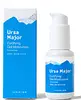
This calming moisturizer is formulated around Aloe Barbadensis Leaf Juice and Salix Alba Bark Extract to calm redness and hydrate skin.
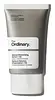
This barrier-repair moisturizer is formulated around Sodium Hyaluronate and Arginine to strengthen the skin barrier and hydrate skin.


What's inside
What's inside
 Key Ingredients
Benefits
Concerns
Ingredients Side-by-side
Aloe Barbadensis Leaf Juice
Skin Conditioning


Water
Skin ConditioningGlycerin
Humectant

Helianthus Annuus Seed Oil
Emollient


Caprylic/Capric Triglyceride
Masking
Leuconostoc/Radish Root Ferment Filtrate
Antimicrobial
Hamamelis Virginiana Leaf Water
Astringent
Salix Alba Bark Extract
Astringent

Aleurites Moluccanus Seed Oil
Skin Conditioning
Hydrolyzed Myrtus Communis Leaf Extract
Skin ProtectingOpuntia Ficus-Indica Stem Extract
Skin Conditioning
Daucus Carota Sativa Seed Oil
Emollient


Hydrogenated Lecithin
Emulsifying
Betula Alba Juice
AstringentOlea Europaea Leaf Extract
Perfuming
Lavandula Angustifolia Flower Oil
Masking
Citrus Aurantifolia Peel Oil
Masking
Melaleuca Quinquenervia Oil
Perfuming
Boswellia Carterii Resin Extract
MaskingBisabolol
Antioxidant
Mentha Spicata Leaf Extract
Skin ConditioningChondrus Crispus
Masking
Glucose
Humectant
Rosmarinus Officinalis Leaf Extract
AntimicrobialPropanediol
Solvent
Xanthan Gum
EmulsifyingSodium Anisate
AntimicrobialSclerotium Gum
Emulsion StabilisingAlcohol
Antimicrobial

Citric Acid
Buffering

Sodium Benzoate
Masking
Potassium Sorbate
Preservative
Limonene
Perfuming
Linalool
Perfuming
Citral
Perfuming
Aloe Barbadensis Leaf Juice, Water, Glycerin, Helianthus Annuus Seed Oil, Caprylic/Capric Triglyceride, Leuconostoc/Radish Root Ferment Filtrate, Hamamelis Virginiana Leaf Water, Salix Alba Bark Extract, Aleurites Moluccanus Seed Oil, Hydrolyzed Myrtus Communis Leaf Extract, Opuntia Ficus-Indica Stem Extract, Daucus Carota Sativa Seed Oil, Hydrogenated Lecithin, Betula Alba Juice, Olea Europaea Leaf Extract, Lavandula Angustifolia Flower Oil, Citrus Aurantifolia Peel Oil, Melaleuca Quinquenervia Oil, Boswellia Carterii Resin Extract, Bisabolol, Mentha Spicata Leaf Extract, Chondrus Crispus, Glucose, Rosmarinus Officinalis Leaf Extract, Propanediol, Xanthan Gum, Sodium Anisate, Sclerotium Gum, Alcohol, Citric Acid, Sodium Benzoate, Potassium Sorbate, Limonene, Linalool, Citral
Water
Skin ConditioningCaprylic/Capric Triglyceride
Masking
Cetyl Alcohol
Emollient
Propanediol
Solvent
Stearyl Alcohol
Emollient
Glycerin
Humectant
Sodium Hyaluronate
Humectant

Arginine
Masking
Aspartic Acid
Masking
Glycine
Buffering
Alanine
Masking
Serine
Masking
Valine
MaskingIsoleucine
Skin ConditioningProline
Skin Conditioning
Threonine
Histidine
Humectant
Phenylalanine
Masking
Glucose
Humectant
Maltose
MaskingFructose
Humectant
Trehalose
Humectant
Sodium PCA
Humectant
PCA
Humectant
Sodium Lactate
Buffering
Urea
Buffering

Allantoin
Skin Conditioning
Linoleic Acid
Cleansing
Oleic Acid
Emollient
Phytosteryl Canola Glycerides
Skin Conditioning
Palmitic Acid
Emollient
Stearic Acid
Cleansing
Lecithin
Emollient
Triolein
Skin Conditioning
Tocopherol
Antioxidant
Carbomer
Emulsion StabilisingIsoceteth-20
EmulsifyingPolysorbate 60
Emulsifying
Sodium Chloride
MaskingCitric Acid
Buffering
Trisodium Ethylenediamine Disuccinate
ChelatingPentylene Glycol
Skin Conditioning
Triethanolamine
BufferingSodium Hydroxide
BufferingPhenoxyethanol
Preservative
Chlorphenesin
Antimicrobial
Water, Caprylic/Capric Triglyceride, Cetyl Alcohol, Propanediol, Stearyl Alcohol, Glycerin, Sodium Hyaluronate, Arginine, Aspartic Acid, Glycine, Alanine, Serine, Valine, Isoleucine, Proline, Threonine, Histidine, Phenylalanine, Glucose, Maltose, Fructose, Trehalose, Sodium PCA, PCA, Sodium Lactate, Urea, Allantoin, Linoleic Acid, Oleic Acid, Phytosteryl Canola Glycerides, Palmitic Acid, Stearic Acid, Lecithin, Triolein, Tocopherol, Carbomer, Isoceteth-20, Polysorbate 60, Sodium Chloride, Citric Acid, Trisodium Ethylenediamine Disuccinate, Pentylene Glycol, Triethanolamine, Sodium Hydroxide, Phenoxyethanol, Chlorphenesin
Reviews
Ingredients Explained
These ingredients are found in both products.
Ingredients higher up in an ingredient list are typically present in a larger amount.
Caprylic/Capric Triglyceride (aka MCT Oil) is a lightweight emollient, solvent, and texture enhancer. It is considered a skin-softener by helping to prevent moisture loss.
Though it behaves like an oil, it is not technically one due to its chemical composition. One perk of this ingredient is that it is very stable, resistant to oxidation, and unlikely to go rancid.
In practice, that translates to a long shelf life and a consistently elegant skin feel.
While there is an assumption Caprylic Triglyceride can clog pores due to it being derived from coconut oil, there is no research supporting this. Just patch test if you have concerns.
Fractionated coconut oil and MCT Oil are both listed as Caprylic/Capric Triglyceride according to INCI. This is because INCI names are based on the ingredient’s final chemical composition and not its marketing name or source.
This ingredient is treated as the gold standard fungal acne safe oil. Even though it is coconut derived, the problematic lauric acid is stripped out.
This leaves just caprylic (C8) and capric (C10) acid. These chain lengths actually trend antifungal; a 2020 study found caprylic acid was enough to disrupt Malassezia furfur cell membrane, with a caprylic acid derivative damaging membrane structures at concentrations as low as 0.2%.
Learn more about Caprylic/Capric TriglycerideCitric Acid is an alpha hydroxy acid (AHA) naturally found in citrus fruits like oranges, lemons, and limes.
Like other AHAs, citric acid can exfoliate skin by breaking down the bonds that hold dead skin cells together. This helps reveal smoother and brighter skin underneath.
However, this exfoliating effect only happens at high concentrations (20%) which can be hard to find in cosmetic products.
Due to this, citric acid is usually included in small amounts as a pH adjuster. This helps keep products slightly more acidic and compatible with skin's natural pH.
In skincare formulas, citric acid can:
While it can provide some skin benefits, research shows lactic acid and glycolic acid are generally more effective and less irritating exfoliants.
Most citric acid used in skincare today is made by fermenting sugars (usually from molasses). This synthetic version is identical to the natural citrus form but easier to stabilize and use in formulations.
Rosacea skin has a lower threshold for acids generally, with 62.5% of rosacea subjects in one study reacting to lactic acid in a sting test. This is why we mark citric acid as a potential rosacea trigger.
However, this ingredient shows up as a pH adjuster or chelator at roughly 0.1-1% in many products. These low levels are unlikely to be an issue for rosacea skin and becomes a potential trigger at exfoliating concentrations (20%). Because everybody's skin is unique, we recommend a patch test if you are unsure.
Learn more about Citric AcidGlucose is a simple sugar (a monosaccharide). In skincare, it is mostly a humectant and skin conditioning agent.
Mechanistically, it has multiple hydroxyl groups that hydrogen-bond to water. This pulls moisture into the upper layers of skin to keep the surface soft and hydrated.
It's worth knowing sugars are already a natural component of the skin's NMF (natural moisturizing factor) so it's a molecule that your stratum corneum is well-acquainted with.
Just so you know, glucose is hydrophilic (water-loving) and the stratum corneum is a strong barrier to hydrophilic compounds. This just means penetration is slow and most of the action is happening on the surface.
Gram-to-gram, glucose is not as efficient as a humectant as glycerin. This is why you'll likely see glycose paired with stronger humectants for a bigger hydration payoff.
In skincare, glucose is typically derived from corn or other starch sources.
Learn more about GlucoseGlycerin (or glycerol) is a compound naturally found in your skin. It's a powerhouse humectant that pulls water into the stratum corneum.
Topically, glycerin does several things at once:
Your skin makes glycerin on its own (mostly from sebaceous oil breakdown) and shuttles it to your outermost layer of skin, or your epidermis, via aquaporin-3.
Aquaporin-3 is a transporter that is essential for normal skin hydration, elasticity, and repair. Interestingly, mice lacking in AQP3 have dry and less elastic skin that can be fully corrected with glycerin.
This ingredient is non-irritating, plays well with almost every ingredient, and works across all skin types. Typical use is anywhere between 3-10% but can go up to 79% in some leave-on products.
Just know very high concentrations (>40%) can feel tacky in low humidity.
Glycerin is the name for this ingredient in American English. British English uses Glycerol/Glycerine.
Learn more about GlycerinPropanediol is an all-star ingredient. It softens, hydrates, and smooths the skin.
It’s often used to:
Propanediol is not likely to cause sensitivity and considered safe to use. It is derived from corn or petroleum with a clear color and no scent.
Learn more about PropanediolWater. It's the most common cosmetic ingredient of all. You'll usually see it at the top of ingredient lists, meaning that it makes up the largest part of the product.
So why is it so popular? Water most often acts as a solvent - this means that it helps dissolve other ingredients into the formulation.
You'll also recognize water as that liquid we all need to stay alive. If you see this, drink a glass of water. Remember to stay hydrated!
Learn more about Water

