
What's inside
What's inside
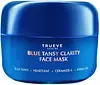 Key Ingredients
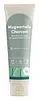
Benefits
Concerns
Ingredients Side-by-side
Water
Skin ConditioningMethylpropanediol
SolventButylene Glycol
Humectant

Tanacetum Annuum Flower Oil
Masking
Glycerin
Humectant
Lactobacillus/Collagen Ferment Filtrate
Humectant
Salicylic Acid
Masking









Niacinamide
Smoothing



Dipotassium Glycyrrhizate
Humectant
Houttuynia Cordata Extract
Skin Conditioning
Soluble Collagen
Humectant
Tocopheryl Acetate
Antioxidant

Sodium PCA
Humectant
Ceramide EOP
Skin Conditioning
Ceramide AP
Skin Conditioning
Ceramide Ns
Skin Conditioning
Ceramide As
Skin Conditioning
Ceramide NP
Skin Conditioning
Glucosyl Ceramide
Skin Conditioning
Hydrogenated Lecithin
Emulsifying
Phospholipids
Skin Conditioning
Cholesterol
Emollient
Sodium Hyaluronate
Humectant
Hyaluronic Acid
Humectant
Hydrolyzed Hyaluronic Acid
Humectant
Sodium Acetylated Hyaluronate
Humectant
Hydroxypropyltrimonium Hyaluronate
Sodium Hyaluronate Crosspolymer
Humectant
Hydrolyzed Sodium Hyaluronate
Skin Conditioning
Potassium Hyaluronate
Skin ConditioningDimethylsilanol Hyaluronate
HumectantAscorbyl Propyl Hyaluronate
Skin Conditioning
Copper Tripeptide-1
Skin Conditioning
Carbomer
Emulsion StabilisingPhenoxyethanol
Preservative
Panthenol
Skin Conditioning
PEG-40 Hydrogenated Castor Oil
Emulsifying
Triethanolamine
BufferingDMDM Hydantoin
Preservative
Parfum
Masking

Iodopropynyl Butylcarbamate
Preservative
Glyceryl Stearate
Emollient
2,3-Butanediol
HumectantAcrylates/C10-30 Alkyl Acrylate Crosspolymer
Emulsion StabilisingSodium Hydroxide
BufferingCI 42090
Cosmetic ColorantWater, Methylpropanediol, Butylene Glycol, Tanacetum Annuum Flower Oil, Glycerin, Lactobacillus/Collagen Ferment Filtrate, Salicylic Acid, Niacinamide, Dipotassium Glycyrrhizate, Houttuynia Cordata Extract, Soluble Collagen, Tocopheryl Acetate, Sodium PCA, Ceramide EOP, Ceramide AP, Ceramide Ns, Ceramide As, Ceramide NP, Glucosyl Ceramide, Hydrogenated Lecithin, Phospholipids, Cholesterol, Sodium Hyaluronate, Hyaluronic Acid, Hydrolyzed Hyaluronic Acid, Sodium Acetylated Hyaluronate, Hydroxypropyltrimonium Hyaluronate, Sodium Hyaluronate Crosspolymer, Hydrolyzed Sodium Hyaluronate, Potassium Hyaluronate, Dimethylsilanol Hyaluronate, Ascorbyl Propyl Hyaluronate, Copper Tripeptide-1, Carbomer, Phenoxyethanol, Panthenol, PEG-40 Hydrogenated Castor Oil, Triethanolamine, DMDM Hydantoin, Parfum, Iodopropynyl Butylcarbamate, Glyceryl Stearate, 2,3-Butanediol, Acrylates/C10-30 Alkyl Acrylate Crosspolymer, Sodium Hydroxide, CI 42090
Water
Skin ConditioningKaolin
Abrasive
Bentonite
Absorbent
Glycerin
Humectant
Betaine
Humectant
Dipropylene Glycol
HumectantButylene Glycol
Humectant
Silt
AbsorbentArtemisia Vulgaris Extract
Skin Conditioning
Propylene Glycol
Humectant
Xanthan Gum
EmulsifyingAllantoin
Skin Conditioning
Fragaria Vesca Seed
AstringentPhenoxyethanol
Preservative
Aloe Barbadensis Leaf Extract
Emollient
Hydrogenated Lecithin
Emulsifying
Chlorella Vulgaris Powder
Skin ConditioningCentella Asiatica Extract
Cleansing
Sodium Hyaluronate
Humectant
1,2-Hexanediol
Skin Conditioning
Ethylhexylglycerin
Skin ConditioningCharcoal Powder
Abrasive
Polygonum Cuspidatum Root Extract
Antioxidant
Scutellaria Baicalensis Root Extract
Astringent
Camellia Sinensis Leaf Extract
Antimicrobial
Glycyrrhiza Glabra Root Extract
Bleaching
Chamomilla Recutita Flower Extract
Masking
Rosmarinus Officinalis Leaf Extract
AntimicrobialRosmarinus Officinalis Leaf Oil
Masking
Quaternium-73
Water, Kaolin, Bentonite, Glycerin, Betaine, Dipropylene Glycol, Butylene Glycol, Silt, Artemisia Vulgaris Extract, Propylene Glycol, Xanthan Gum, Allantoin, Fragaria Vesca Seed, Phenoxyethanol, Aloe Barbadensis Leaf Extract, Hydrogenated Lecithin, Chlorella Vulgaris Powder, Centella Asiatica Extract, Sodium Hyaluronate, 1,2-Hexanediol, Ethylhexylglycerin, Charcoal Powder, Polygonum Cuspidatum Root Extract, Scutellaria Baicalensis Root Extract, Camellia Sinensis Leaf Extract, Glycyrrhiza Glabra Root Extract, Chamomilla Recutita Flower Extract, Rosmarinus Officinalis Leaf Extract, Rosmarinus Officinalis Leaf Oil, Quaternium-73
Ingredients Explained
These ingredients are found in both products.
Ingredients higher up in an ingredient list are typically present in a larger amount.
Butylene Glycol (or BG) is used within cosmetic products for a few different reasons:
Overall, Butylene Glycol is a safe and well-rounded ingredient that works well with other ingredients.
Though this ingredient works well with most skin types, some people with sensitive skin may experience a reaction such as allergic rashes, closed comedones, or itchiness.
Learn more about Butylene GlycolGlycerin (or glycerol) is a compound naturally found in your skin. It's a powerhouse humectant that pulls water into the stratum corneum.
Topically, glycerin does several things at once:
Your skin makes glycerin on its own (mostly from sebaceous oil breakdown) and shuttles it to your outermost layer of skin, or your epidermis, via aquaporin-3.
Aquaporin-3 is a transporter that is essential for normal skin hydration, elasticity, and repair. Interestingly, mice lacking in AQP3 have dry and less elastic skin that can be fully corrected with glycerin.
This ingredient is non-irritating, plays well with almost every ingredient, and works across all skin types. Typical use is anywhere between 3-10% but can go up to 79% in some leave-on products.
Just know very high concentrations (>40%) can feel tacky in low humidity.
Glycerin is the name for this ingredient in American English. British English uses Glycerol/Glycerine.
Learn more about GlycerinHydrogenated Lecithin is a more stable version of lecithin.
It's made by taking lecithin (a phospholipid commonly found in soybeans and egg yolks) and hydrogenating it. This just means the unsaturated fatty acids are turned into saturated ones so they don't go bad as easily.
This ingredient is an emollient, emulsifier, and penetration enhancer. As an emollient, it helps soften and hydrate skin by trapping moisture within. As an emulsifier, it prevents oil and water ingredients from separating.
Hydrogenated Lecithin can form tiny spherical structures made of phospholipid bilayers called liposomes. These liposomes are able to capture compounds inside their structure and deliver them through the skin barrier.
Because phospholipids are a natural component of our cell membranes, this ingredient is inherently compatible with skin.
A 2021 study found lecithin-based surfactants were less harsh and more tolerable comared to Sodium Lauryl Sulfate (SLS).
Learn more about Hydrogenated LecithinPhenoxyethanol is a preservative that has germicide, antimicrobial, and aromatic properties. Studies show that phenoxyethanol can prevent microbial growth. By itself, it has a scent that is similar to that of a rose.
It's often used in formulations along with Caprylyl Glycol to preserve the shelf life of products.
Sodium Hyaluronate is the salt form of hyaluronic acid. It is a long sugar chain that is naturally found in your skin, joints, and connective tissue that maintains hydration and elasticity.
In skincare, it works as a humectant. It pulls water from the environment and deeper layers of skin and binds it to the surface.
Interestingly, the size of the molecule affects its behavior:
Some clinical evidence links low molecular weight versions to improved wrinkle depth, elasticity, anti-inflammatory effects, and barrier repair.
Many serums use a blend of both weights so you can get surface hydration plus longer-lasting and deeper effects.
You'll typically see concentrations between 0.1-2% for this ingredient.
Learn more about Sodium HyaluronateWater. It's the most common cosmetic ingredient of all. You'll usually see it at the top of ingredient lists, meaning that it makes up the largest part of the product.
So why is it so popular? Water most often acts as a solvent - this means that it helps dissolve other ingredients into the formulation.
You'll also recognize water as that liquid we all need to stay alive. If you see this, drink a glass of water. Remember to stay hydrated!
Learn more about Water
