

What's inside
What's inside
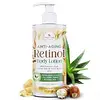 Key Ingredients
Benefits
Concerns
Ingredients Side-by-side
Water
Skin ConditioningGlycerin
Humectant


Caprylic/Capric Triglyceride
Masking
Coco-Caprylate/Caprate
Emollient
Cetearyl Alcohol
Emollient



Cetearyl Olivate
Sorbitan Olivate
Emulsifying
Urea
Buffering

1,2-Hexanediol
Skin Conditioning
Retinol
Skin Conditioning







Theobroma Cacao Seed Butter
Emollient
Butyrospermum Parkii Butter
Skin Conditioning
Sodium Hyaluronate
Humectant

Acetyl Hexapeptide-8
Humectant
Sapindus Mukorossi Peel Extract
Skin ConditioningSimmondsia Chinensis Seed Oil
Emollient
Aloe Barbadensis Leaf Juice
Skin Conditioning
Sodium Acrylates Copolymer
Lecithin
Emollient
Saccharum Officinarum Extract
MoisturisingPyrus Malus Fruit Extract
Skin Conditioning
Camellia Sinensis Leaf Extract
Antimicrobial
Citrus Limon Fruit Extract
Masking
Citrus Aurantium Dulcis Fruit Extract
MaskingSodium Hydroxide
BufferingSuccinic Acid
BufferingTocopheryl Acetate
Antioxidant
Xanthan Gum
EmulsifyingPhenoxyethanol
Preservative
Caprylyl Glycol
Emollient
Hydroxyacetophenone
Antioxidant
Helianthus Annuus Seed Oil
Emollient
Tocopherol
Antioxidant
Caprylhydroxamic Acid
Potassium Sorbate
Preservative
Sodium Benzoate
Masking
Copernicia Cerifera Wax
Propanediol
Solvent
Disodium Cocoamphodiacetate
CleansingEthyl Ferulate
Antioxidant
Humulus Lupulus Extract
AntimicrobialWater, Glycerin, Caprylic/Capric Triglyceride, Coco-Caprylate/Caprate, Cetearyl Alcohol, Cetearyl Olivate, Sorbitan Olivate, Urea, 1,2-Hexanediol, Retinol, Theobroma Cacao Seed Butter, Butyrospermum Parkii Butter, Sodium Hyaluronate, Acetyl Hexapeptide-8, Sapindus Mukorossi Peel Extract, Simmondsia Chinensis Seed Oil, Aloe Barbadensis Leaf Juice, Sodium Acrylates Copolymer, Lecithin, Saccharum Officinarum Extract, Pyrus Malus Fruit Extract, Camellia Sinensis Leaf Extract, Citrus Limon Fruit Extract, Citrus Aurantium Dulcis Fruit Extract, Sodium Hydroxide, Succinic Acid, Tocopheryl Acetate, Xanthan Gum, Phenoxyethanol, Caprylyl Glycol, Hydroxyacetophenone, Helianthus Annuus Seed Oil, Tocopherol, Caprylhydroxamic Acid, Potassium Sorbate, Sodium Benzoate, Copernicia Cerifera Wax, Propanediol, Disodium Cocoamphodiacetate, Ethyl Ferulate, Humulus Lupulus Extract
Water
Skin ConditioningPropylheptyl Caprylate
EmollientTromethamine
BufferingC12-15 Alkyl Benzoate
AntimicrobialUrea
Buffering
Glycolic Acid
Buffering

Lactic Acid
Buffering
Niacinamide
Smoothing
Dipropylene Glycol
HumectantCetearyl Alcohol
Emollient
Glyceryl Stearate
Emollient
PEG-100 Stearate
1,2-Hexanediol
Skin Conditioning
Cetearyl Glucoside
Emulsifying
Sodium Polyacryloyldimethyl Taurate
Emulsion StabilisingCaprylic/Capric Triglyceride
Masking
Glycerin
Humectant
Caprylyl Glycol
Emollient
Polyacrylamide
Salicylic Acid
Masking

Sphingomonas Ferment Extract
Skin Conditioning
C13-14 Isoparaffin
Emollient
Disodium EDTA
Bakuchiol
Antimicrobial
Ethylhexylglycerin
Skin ConditioningXanthan Gum
EmulsifyingAdenosine
Skin Conditioning
Laureth-7
EmulsifyingRetinal
Skin Conditioning
Beta-Glucan
Skin Conditioning
Tocopherol
Antioxidant
Water, Propylheptyl Caprylate, Tromethamine, C12-15 Alkyl Benzoate, Urea, Glycolic Acid, Lactic Acid, Niacinamide, Dipropylene Glycol, Cetearyl Alcohol, Glyceryl Stearate, PEG-100 Stearate, 1,2-Hexanediol, Cetearyl Glucoside, Sodium Polyacryloyldimethyl Taurate, Caprylic/Capric Triglyceride, Glycerin, Caprylyl Glycol, Polyacrylamide, Salicylic Acid, Sphingomonas Ferment Extract, C13-14 Isoparaffin, Disodium EDTA, Bakuchiol, Ethylhexylglycerin, Xanthan Gum, Adenosine, Laureth-7, Retinal, Beta-Glucan, Tocopherol
Reviews
Ingredients Explained
These ingredients are found in both products.
Ingredients higher up in an ingredient list are typically present in a larger amount.
1,2-Hexanediol is a synthetic liquid and another multi-functional powerhouse.
It is a:
- Humectant, drawing moisture into the skin
- Emollient, helping to soften skin
- Solvent, dispersing and stabilizing formulas
- Preservative booster, enhancing the antimicrobial activity of other preservatives
This ingredient is a lightweight emollient, solvent, and texture enhancer. It is considered a skin-softener by helping the skin prevent moisture loss.
It helps thicken a product's formula and makes it easier to spread by dissolving clumping compounds.
Caprylic Triglyceride is made by combining glycerin with coconut oil, forming a clear liquid. Though it behaves like an oil, it is not technically one due to its chemical composition. It is very stable, resistant to oxidation, and unlikely to go rancid. In practice, that translates to a long shelf life and a consistently elegant skin feel.
While there is an assumption Caprylic Triglyceride can clog pores due to it being derived from coconut oil, there is no research supporting this. Be sure to patch test if you have concerns.
Fractionated coconut oil and MCT Oil are both listed as Caprylic/Capric Triglyceride according to INCI. This is because INCI names are based on the ingredient’s final chemical composition and not its marketing name or source.
Learn more about Caprylic/Capric TriglycerideCaprylyl Glycol is a humectant, skin conditioner, emollient, and preservative booster derived from either caprylic acid or synthetically created.
Typical use levels vary from 0.3-1% as a preservative booster and go up to 2% to condition skin.
Because it is not a free-fatty acid or alcohol, this ingredient is fungal acne safe (there's nothing for Malassezia to feed on).
Learn more about Caprylyl GlycolCetearyl alcohol is a waxy mixture of two fatty alcohols: cetyl alcohol and stearyl alcohol. It is an emollient and emulsifier.
Despite having "alcohol" in its name, it has nothing to do with drying solvent alcohols; the FDA also allows "alcohol-free" products to contain fatty alcohols like this ingredient.
It plays several roles in a formula:
Typical use levels for this ingredient sit around 1-10% and the Cosmetic Ingredient Review Expert Panel has affirmed safety at concentrations up to 25% in leave-on products.
Multiple assessments have found it to be non-irritating and non-sensitizing to most people.
However, there have been some cases of allergic contact dermatitis in patients with chronically compromised skin barriers.
Cetearyl alcohol has a comedogenic rating of 2 and irritancy rating of 1. Both of these numbers come from the 1989 study that used rabbit ears; a "2" means mildly comedogenic and a "1" means low irritancy.
Here's the catch: rabbit skin is more sensitive than human skin and throws a lot of false positives. A 1996 reappraisal found that ingredients rated 1-2 in the rabbit ear tests are generally safe for humans.
Remember comedogenic ratings are unable to assess the entire formula of a product or how it will react on your skin. Just be sure to patch test if you are unsure about certain ingredients.
This ingredient is not fungal acne safe. Cetearyl alcohol is a fatty alcohol with chain lengths that fall within the range that Malassezia can metabolize.
Learn more about Cetearyl AlcoholGlycerin (or glycerol) is a compound naturally found in your skin. It's a powerhouse humectant that pulls water into the stratum corneum.
Topically, glycerin does several things at once:
Your skin makes glycerin on its own (mostly from sebaceous oil breakdown) and shuttles it to your outermost layer of skin, or your epidermis, via aquaporin-3.
Aquaporin-3 is a transporter that is essential for normal skin hydration, elasticity, and repair. Interestingly, mice lacking in AQP3 have dry and less elastic skin that can be fully corrected with glycerin.
This ingredient is non-irritating, plays well with almost every ingredient, and works across all skin types. Typical use is anywhere between 3-10% but can go up to 79% in some leave-on products.
Just know very high concentrations (>40%) can feel tacky in low humidity.
Glycerin is the name for this ingredient in American English. British English uses Glycerol/Glycerine.
Learn more about GlycerinTocopherol is a fat-soluble antioxidant known as Vitamin E.
You'll find this ingredient in the vast majority of skincare (for good reason). It works to neutralize free radicals, or unstable molecules generated by UV exposure, pollution, and other environmental stressors, before they can cause oxidative damage to your skin cells.
Topically applied tocopherol has been shown to protect against UV damage by ramping up the skin's own natural defense enzymes.
It also acts as a skin conditioning agent; some studies show that regular topical use can improve the skin's water-binding capacity over 2-4 weeks.
This ingredient is especially loved for being a team player. When combined with Vitamin C, the photoprotective effect of both ingredients roughly doubles and the combo also helps reduce UV-induced DNA damage.
This ingredient has some brightening potential but it's more of a prevention ingredient than spot-fader. Cell studies show it can slow down melanin production but it's worth noting that it's not the most powerful brightener out there.
In formulations, it also serves as a stabilizer that helps protect other oxidation-prone ingredients from degrading.
Concentrations usually range from 0.1-1% in most leave-on products.
Learn more about TocopherolUrea is also called carbamide and is the diamide of carbonic acid. In cosmetics, urea is used to hydrate the skin. It also provides exfoliation in higher concentrations.
As a humectant, urea helps draw moisture from the air and from deep within the skin. This helps hydrate your skin. Studies show urea is an effective moisturizer for dry skin conditions. 40% urea is typical in medications for treating eczema and other skin conditions.
Urea has the strongest exfoliation effect in concentrations higher than 10%. It is a keratolytic agent, meaning it breaks down the keratin protein in the top layer of skin. This helps remove dead skin cells and flaking skin.
In medicine, urea has been shown to help increase the potency of other ingredients, such as fungal treatments.
Humans and animals use urea to metabolize nitrogen-containing compounds. Urea is highly soluble in water. Once dissolved, it is neither acidic nor alkaline.
Urea is actually one of the more well-studied and well-supported ingredients out there if you have eczema.
Clinical trials have shown that urea creams in the 5 - 10% range can:
Higher concentrations (20 -30%) can also help with thickened, scaly patches but is also more likely to sting on active flares.
Skip urea if you have rosacea. The AAD (American Academy of Dermatology) lists it alongside alcohol, menthol, and fragrance as a potential irritant for rosacea-prone skin. Urea's keratolytic and penetration-enhancing properties can trigger stinging, burning, and redness.
As always, your skin is unique, so definitely check in with your dermatologist.
Learn more about UreaWater. It's the most common cosmetic ingredient of all. You'll usually see it at the top of ingredient lists, meaning that it makes up the largest part of the product.
So why is it so popular? Water most often acts as a solvent - this means that it helps dissolve other ingredients into the formulation.
You'll also recognize water as that liquid we all need to stay alive. If you see this, drink a glass of water. Remember to stay hydrated!
Learn more about WaterXanthan gum is used as a stabilizer and thickener within cosmetic products. It helps give products a sticky, thick feeling - preventing them from being too runny.
On the technical side of things, xanthan gum is a polysaccharide - a combination consisting of multiple sugar molecules bonded together.
Xanthan gum is a pretty common and great ingredient. It is a natural, non-toxic, non-irritating ingredient that is also commonly used in food products.
Learn more about Xanthan Gum
