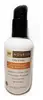
This anti-aging moisturizer is formulated around Aloe Barbadensis Leaf Juice and Tocopherol to soften the look of wrinkles and hydrate skin.
This barrier-repair moisturizer is formulated around Butyrospermum Parkii Butter and Aloe Barbadensis Leaf Juice to strengthen the skin barrier and hydrate skin.

What's inside
What's inside
 Key Ingredients
Benefits
Concerns
Ingredients Side-by-side
Water
Skin ConditioningAloe Barbadensis Leaf Juice
Skin Conditioning


Ethylhexyl Palmitate
Emollient




Glycerin
Humectant

Glyceryl Stearate
Emollient
Polysorbate 60
Emulsifying
Cetearyl Alcohol
Emollient

Phenoxyethanol
Preservative
Cetearyl Glucoside
Emulsifying
Sodium PCA
Humectant
Ethylhexylglycerin
Skin ConditioningButyrospermum Parkii Butter
Skin Conditioning
Tocopheryl Acetate
Antioxidant


Xanthan Gum
EmulsifyingTocopherol
Antioxidant

Sorbic Acid
Preservative
Soluble Collagen
Humectant
Panthenol
Skin Conditioning
Ascorbyl Palmitate
Antioxidant
Punica Granatum Extract
AstringentGinkgo Biloba Leaf Extract
Skin Conditioning
Coffea Arabica Seed Oil
Masking
Chamomilla Recutita Flower
Skin Conditioning
Camellia Sinensis Leaf Extract
Antimicrobial

Sodium Hyaluronate
Humectant
Sorbitan Stearate
Emulsifying
Phytonadione
Menadione
MaskingHydrolyzed Silk
Humectant
2-Dimethylamino Ethanol
Copper PCA
HumectantRetinol
Skin Conditioning



Retinyl Palmitate
Skin Conditioning
Ubiquinone
Antioxidant
Thioctic Acid
Antioxidant
Cholecalciferol
Polysorbate 20
Emulsifying
C12-15 Alkyl Benzoate
AntimicrobialPhospholipids
Skin Conditioning
Water, Aloe Barbadensis Leaf Juice, Ethylhexyl Palmitate, Glycerin, Glyceryl Stearate, Polysorbate 60, Cetearyl Alcohol, Phenoxyethanol, Cetearyl Glucoside, Sodium PCA, Ethylhexylglycerin, Butyrospermum Parkii Butter, Tocopheryl Acetate, Xanthan Gum, Tocopherol, Sorbic Acid, Soluble Collagen, Panthenol, Ascorbyl Palmitate, Punica Granatum Extract, Ginkgo Biloba Leaf Extract, Coffea Arabica Seed Oil, Chamomilla Recutita Flower, Camellia Sinensis Leaf Extract, Sodium Hyaluronate, Sorbitan Stearate, Phytonadione, Menadione, Hydrolyzed Silk, 2-Dimethylamino Ethanol, Copper PCA, Retinol, Retinyl Palmitate, Ubiquinone, Thioctic Acid, Cholecalciferol, Polysorbate 20, C12-15 Alkyl Benzoate, Phospholipids
Water
Skin ConditioningEthylhexyl Palmitate
Emollient
Butyrospermum Parkii Butter
Skin Conditioning
Cocos Nucifera Oil
Masking
Cetearyl Olivate
Sorbitan Oleate
Emulsifying
Stearyl Alcohol
Emollient
Propanediol
Solvent
Glyceryl Stearate
Emollient
Aloe Barbadensis Leaf Juice
Skin Conditioning
Caprylhydroxamic Acid
ChelatingCaprylyl Glycol
Emollient
Glycerin
Humectant
Sodium Cocoyl/Stearoyl (Alanine/Arginine/Asparagine/Aspartic Acid/Glutamic Acid/Glutamine/Glycine/Histidine/Isoleucine/Leucine/Lysine/Phenylalanine/Proline/Serine/Threonine/Tyrosine/Valine)
Emollient
Glycosphingolipids
EmollientGlycolipids
Skin ConditioningHydrolyzed Hyaluronic Acid
Humectant
Ferulic Acid
Antimicrobial
Retinyl Palmitate
Skin Conditioning
Resveratrol
Antioxidant
Ergothioneine
Antioxidant
Linum Usitatissimum Seed Oil
Perfuming
Bacillus
Skin ConditioningTocopherol
Antioxidant
Sodium PCA
Humectant
1,2-Hexanediol
Skin Conditioning
Polysorbate 20
Emulsifying
Ethylhexylglycerin
Skin ConditioningAllantoin
Skin Conditioning
Lecithin
Emollient
Butylene Glycol
Humectant
Rosmarinus Officinalis Leaf Extract
AntimicrobialLavandula Angustifolia Oil
Masking

Xanthan Gum
EmulsifyingWater, Ethylhexyl Palmitate, Butyrospermum Parkii Butter, Cocos Nucifera Oil, Cetearyl Olivate, Sorbitan Oleate, Stearyl Alcohol, Propanediol, Glyceryl Stearate, Aloe Barbadensis Leaf Juice, Caprylhydroxamic Acid, Caprylyl Glycol, Glycerin, Sodium Cocoyl/Stearoyl (Alanine/Arginine/Asparagine/Aspartic Acid/Glutamic Acid/Glutamine/Glycine/Histidine/Isoleucine/Leucine/Lysine/Phenylalanine/Proline/Serine/Threonine/Tyrosine/Valine), Glycosphingolipids, Glycolipids, Hydrolyzed Hyaluronic Acid, Ferulic Acid, Retinyl Palmitate, Resveratrol, Ergothioneine, Linum Usitatissimum Seed Oil, Bacillus, Tocopherol, Sodium PCA, 1,2-Hexanediol, Polysorbate 20, Ethylhexylglycerin, Allantoin, Lecithin, Butylene Glycol, Rosmarinus Officinalis Leaf Extract, Lavandula Angustifolia Oil, Xanthan Gum
Reviews
Ingredients Explained
These ingredients are found in both products.
Ingredients higher up in an ingredient list are typically present in a larger amount.
Aloe Barbadensis Leaf Juice is the filtered, stabilized liquid pressed from the inner gel of the aloe vera leaf.
In cosmetics, it shows up as either soothing active or a water-replacement base. It is roughly 98-99% water and the last 1-2% is an interesting mix of polysaccharides, amino acids, vitamins, minerals, and enzymes.
The polysaccharides do most of the work: they bind water at the skin surface for a light, non-greasy hydration boost. And one of the polysaccharides, glycomannan, is linked to fibroblast stimulation + collagen synthesis. This is also why aloe has such a long track record in wound and burn healing.
This ingredient is also calming with anti-inflammatory and mild antimicrobial activity, making it a great pick for sensitive, irritated, or post-sun skin.
Realistic expectations matter though; the solid evidence is mostly limited to hydration, soothing, and wound support. Deeper claims about anti-aging or sun protection are not well backed, and science reviews note it does not prevent radiation-induced skin injury.
Because it plays well with almost everything, it's commonly used as a base alongside other actives like niacinamide or vitamin C.
Typical usage concentrations range from 0.5% (where hydration benefits already show up) all the way to 90%+ (where it replaces water as the main base).
The safety for this ingredient is well-establish as well. Overall, this is a great supporting ingredient for those who want a boost in hydration.
Learn more about Aloe Barbadensis Leaf JuiceThis ingredient is also known as shea butter. It is a plant-derived extract from the nuts of the Africa shea tree and one of the most well-studied emollients.
Because it has a high concentration of fatty acids (primarily oleic, stearic, and linoleic) it is able to form a protective barrier on the skin's surface. This helps seal in moisture and prevents transepidermal water loss (TEWL).
In vitro research found an increase in skin hydration by 58% and a decrease in TEWL by 37.8% after 24 hours of applying this ingredient (pretty impressive for a single ingredient!).
Besides hydration, shea butter also contains triterpenes that have anti-inflammatory potential. In particule, lupeol cinnamate has shown the highest anti-inflammatory activity in vivo.
Shea butter also contains vitamins A and E which may contribute to antioxidant activity.
While Shea Butter has an SPF rating of about 3-4, it is not a sunscreen replacement.
This ingredient may not be fungal acne safe because its fatty acids fall within the C11-C24 range that the Malassezia yeast can metabolize.
This ingredient shows up on a lot of "pore-clogging" lists but there's no real evidence behind that. It doesn't even have a comedogenic rating from an actual study; the numbers you'll find online come from blogs citing other blogs.
Ratings for other ingredients mostly come from a 1980s rabbit ear test. This test doesn't translate well to human skin or to real products because the ingredient sits at a much lower percentage.
Some people still find it breaks them out. So if that's you, definitely trust your skin. Just know this one's based on experience and not evidence.
Learn more about Butyrospermum Parkii ButterEthylhexyl Palmitate, also known as octyl palmitate, is created from 2-ethylhexyl alcohol and palmitic acid.
In cosmetics, it plays many roles:
One thing worth noting: a controlled study found this ingredient applied under occlusion to acne-prone subjects increased microcomedones. Just keep in mind this was under occlusive conditions and don't reflect how most products are used day-to-day.
For most people, this is a well-tolerated and lightweight ingredient.
This ingredient may not be fungal acne safe because it is an ester of palmitic acid, a C16 fatty acid that falls within the C11-24 range that Malassezia can metabolize.
You'll see this one rated 4 comedogenic all over the internet. That number isn't from a single study, and the actual research is more interesting.
The original rating comes from 1980s rabbit ear tests (which are a shaky basis for anything). But Ethylhexyl Palmitate is one of the few ingredients with real human data behind it. A 2021 controlled trial found this ingredient increased microcomedones by an average of 365% over four weeks.
Just know that test used the pure ingredient under an occlusive pad on back skin; most products use it at much lower levels alongside other ingredients and plenty of people use those with no issue.
Learn more about Ethylhexyl PalmitateEthylhexylglycerin is created from glycerin. It is a multitasker ingredient that:
The CIR Expert Panel found minimal skin absorption or sensitization of any kind in a safety assessment. Though this ingredient is considered well-tolerated, a small number of cases of allergic dermatitis have been published since 2002. Just be sure to patch test if you are unsure.
Industry-reported use ranges from 8% in rinse-off products and 2% in leave-on formulations.
Learn more about EthylhexylglycerinGlycerin (or glycerol) is a compound naturally found in your skin. It's a powerhouse humectant that pulls water into the stratum corneum.
Topically, glycerin does several things at once:
Your skin makes glycerin on its own (mostly from sebaceous oil breakdown) and shuttles it to your outermost layer of skin, or your epidermis, via aquaporin-3.
Aquaporin-3 is a transporter that is essential for normal skin hydration, elasticity, and repair. Interestingly, mice lacking in AQP3 have dry and less elastic skin that can be fully corrected with glycerin.
This ingredient is non-irritating, plays well with almost every ingredient, and works across all skin types. Typical use is anywhere between 3-10% but can go up to 79% in some leave-on products.
Just know very high concentrations (>40%) can feel tacky in low humidity.
Glycerin is the name for this ingredient in American English. British English uses Glycerol/Glycerine.
Learn more about GlycerinGlyceryl Stearate is made by reacting glycerin with stearic acid (typically sourced from plant oils like palm or coconut). It's an emulsifier, emollient, and mild occlusive.
Emulsifiers help ingredients like oil and water stay mixed so your formula stays nicely blended and uniform in texture.
This ingredient is typically used in concentrations between 1-10%. Studies have found it to be non-sensitizing, non-phototoxic, and non-photoallergenic.
A close cousin of this ingredient is Glyceryl Stearate SE ("self-emulsifying"). This just has a small amount of sodium or potassium stearate added so it can emulsify without a co-emulsifier.
Since this ingredient is an ester of a C18 fatty acid, it may not be fungal acne safe. The Malassezia yeast can potentially metabolize within the C11-C24 range.
Fun fact: The human body also creates Glyceryl Stearate naturally.
Learn more about Glyceryl StearatePolysorbate 20 is a gentle, water-soluble emulsifier and mild surfactant. It stops oil and water from separating to keep your formulas blended and stable.
It also acts as a mild penetration enhancer by helping active ingredients absorb slightly better.
The common safety discussion around this ingredient involves a manufacturing byproduct called 1,4-dioxane.
Trace amounts can form during production but the EU's Scientific Committee on Consumer Safety has concluded that levels at/below 10 ppm in finished products are safe (commercial products consistently fall within acceptable margins).
True allergic reactions are uncommon and the CIR Expert Panel has confirmed this ingredient to be safe as used in cosmetics.
Because it is derived from lauric acid, it may not be fungal acne safe.
Learn more about Polysorbate 20Retinyl Palmitate is a form of retinoid. Retinoids are the superstar class of anti-aging ingredients that include Tretinoin and Retinol.
This particular ingredient has had a bumpy year with its rise and fall in popularity.
First, Retinyl Palmitate is created from Palmitic Acid and Retinol. It is a Retinol ester and considered one of the weaker forms of retinoid.
This is because all retinoids have to be converted to Tretinoin, AKA Retinoic Acid.
Retinyl Palmitate is pretty far down the line and has to go through multiple conversions before its effects are seen. Once it's on your skin, enzymes called esterases convert it into Retinol, then into Retinal, and finally into Retinoic Acid; that's three steps with a little lost at each one.
The benefits of Retinyl Palmitate are debated due to this long and ineffective conversion line.
So why use it at all?
The answer is stability. Retinol and Retinoic Acid break down fast when they hit light, heat, and air, and Retinoic Acid can be pretty irritating on top of that.
Retinyl Palmitate is much more stable and gentler, making it easier to formulate with and easier on sensitive skin (even if it's weaker gram for gram).
Studies show Retinyl Palmitate to help:
Newer research from 2023-2025 also found that Retinyl Palmitate works especially well when paired with Retinol. The two seem to cover each other's weak spots; retinol brings the potency while Retinyl Palmitate brings the stability and gentleness. Together, they repair UV damage better than either one does alone.
This ingredient used to be found in sunscreens to boost the efficacy of sunscreen filters.
The downfall of Retinyl Palmitate was due to released reports about the ingredient being correlated to sun damage and skin tumors.
Most of this traces back to a 2012 US National Toxicology Program (NTP) study where hairless mice coated in Retinyl Palmitate cream and exposed to UV light developed skin tumors faster.
Here's the nuance, though.
When the Cosmetic Ingredient Review (CIR) Expert Panel went back through that study, they found methodological flaws and decided the results couldn't be interpreted as proof of extra risk.
The EU's Scientific Committee on Consumer Safety (SCCS) said the mouse findings might point to a concern but they're hard to apply to humans since hairless mouse skin and human skin behave differently.
While there is a study showing this ingredient to cause DNA damage when exposed to UVA, there is no concrete proof of it being linked to skin cancer. It is completely safe to use when used correctly.
Both the CIR and the SCCS consider it safe at the concentrations used in cosmetics; the SCCS specifically cleared retinoids up to 0.05% in body lotions and 0.3% in face creams, hand creams, and rinse-off products.
As of 2025, the EU has written those limits into law, plus a label warning about your total Vitamin A intake from all sources.
All retinoids increase your skin's sensitivity to the sun in the first few months of usage. Be especially careful with reapplying sunscreen when using any form of retinoid.
One more note: if you're pregnant, high doses of Vitamin A can be a concern, so a lot of people skip topical retinoids (including Retinyl Palmitate) during pregnancy just to be safe. Check with your doctor if you're unsure.
Fun fact: This ingredient is often added to low-fat milk to increase the levels of Vitamin A.
Learn more about Retinyl PalmitateSodium PCA (the salt of PCA) is one of the most well-established humectants in skincare.
Why is it so special? Your skin already makes it naturally; it's a natural component of your skin's Natural Moisturizing Factor (NMF), or the mix of water-binding compounds inside your skin cells that keeps things soft and hydrated.
As a cosmetic ingredient, it grabs water and holds it in the upper layers of skin to smooth roughness and ease dehydration.
There's some clinical support for the NMF approach with a study showing that a cream built to mimic the skin's NMF significantly boosted hydration.
Safety-wise, this ingredient non-irritating, non-comedogenic, and non-phototoxic in testing, with minimal skin absorption.
It also works really well with other hydrators like glycerin or hyaluronic acid, and typical usage is somewhere between 0.2-4%.
Learn more about Sodium PCATocopherol is a fat-soluble antioxidant known as Vitamin E.
You'll find this ingredient in the vast majority of skincare (for good reason). It works to neutralize free radicals, or unstable molecules generated by UV exposure, pollution, and other environmental stressors, before they can cause oxidative damage to your skin cells.
Topically applied tocopherol has been shown to protect against UV damage by ramping up the skin's own natural defense enzymes.
It also acts as a skin conditioning agent; some studies show that regular topical use can improve the skin's water-binding capacity over 2-4 weeks.
This ingredient is especially loved for being a team player. When combined with Vitamin C, the photoprotective effect of both ingredients roughly doubles and the combo also helps reduce UV-induced DNA damage.
This ingredient has some brightening potential but it's more of a prevention ingredient than spot-fader. Cell studies show it can slow down melanin production but it's worth noting that it's not the most powerful brightener out there.
In formulations, it also serves as a stabilizer that helps protect other oxidation-prone ingredients from degrading.
Concentrations usually range from 0.1-1% in most leave-on products.
Learn more about TocopherolWater. It's the most common cosmetic ingredient of all. You'll usually see it at the top of ingredient lists, meaning that it makes up the largest part of the product.
So why is it so popular? Water most often acts as a solvent - this means that it helps dissolve other ingredients into the formulation.
You'll also recognize water as that liquid we all need to stay alive. If you see this, drink a glass of water. Remember to stay hydrated!
Learn more about WaterXanthan gum is used as a stabilizer and thickener within cosmetic products. It helps give products a sticky, thick feeling - preventing them from being too runny.
On the technical side of things, xanthan gum is a polysaccharide - a combination consisting of multiple sugar molecules bonded together.
Xanthan gum is a pretty common and great ingredient. It is a natural, non-toxic, non-irritating ingredient that is also commonly used in food products.
Learn more about Xanthan Gum

