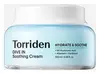
This calming moisturizer is formulated around Panthenol and Sodium Hyaluronate to calm redness and hydrate skin.
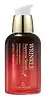
This anti-aging serum is formulated around Sodium Hyaluronate and Panax Ginseng Root Extract to soften the look of wrinkles and hydrate skin.

What's inside
What's inside
 Key Ingredients
Benefits
Concerns
Ingredients Side-by-side
Water
Skin ConditioningButylene Glycol
Humectant

Glycerin
Humectant
1,2-Hexanediol
Skin Conditioning
Hydrogenated Didecene
Skin ConditioningCaprylic/Capric Triglyceride
Masking
Panthenol
Skin Conditioning

Sodium Hyaluronate
Humectant

Sodium Hyaluronate Crosspolymer
Humectant
Hydrolyzed Sodium Hyaluronate
Skin Conditioning
Sodium Acetylated Hyaluronate
Humectant
Hydrolyzed Hyaluronic Acid
Humectant
Allantoin
Skin Conditioning
Ectoin
Skin Conditioning
Glycyrrhiza Glabra Root Extract
Bleaching

Trehalose
Humectant
Hamamelis Virginiana Extract
Antiseborrhoeic



Glyceryl Acrylate/Acrylic Acid Copolymer
HumectantPvm/Ma Copolymer
Emulsion StabilisingHydroxyethyl Acrylate/Sodium Acryloyldimethyl Taurate Copolymer
Emulsion Stabilising2,3-Butanediol
HumectantCetearyl Alcohol
Emollient



C14-22 Alcohols
Emulsion Stabilising
C12-20 Alkyl Glucoside
EmulsifyingPentylene Glycol
Skin Conditioning
Sorbitan Isostearate
Emulsifying
Caprylyl Methicone
Skin Conditioning
Salvia Sclarea Extract
AntiseborrhoeicLavandula Angustifolia Flower Extract
Cleansing
Hyacinthus Orientalis Extract
Skin ConditioningChamomilla Recutita Extract
Skin Conditioning
Centaurea Cyanus Flower Extract
Astringent
Borago Officinalis Extract
Emollient
Disodium EDTA
ChelatingCarbomer
Emulsion StabilisingTromethamine
BufferingXanthan Gum
EmulsifyingGlutathione
Malachite Extract
Antioxidant
Gluconic Acid
Chelating

Ethylhexylglycerin
Skin ConditioningWater, Butylene Glycol, Glycerin, 1,2-Hexanediol, Hydrogenated Didecene, Caprylic/Capric Triglyceride, Panthenol, Sodium Hyaluronate, Sodium Hyaluronate Crosspolymer, Hydrolyzed Sodium Hyaluronate, Sodium Acetylated Hyaluronate, Hydrolyzed Hyaluronic Acid, Allantoin, Ectoin, Glycyrrhiza Glabra Root Extract, Trehalose, Hamamelis Virginiana Extract, Glyceryl Acrylate/Acrylic Acid Copolymer, Pvm/Ma Copolymer, Hydroxyethyl Acrylate/Sodium Acryloyldimethyl Taurate Copolymer, 2,3-Butanediol, Cetearyl Alcohol, C14-22 Alcohols, C12-20 Alkyl Glucoside, Pentylene Glycol, Sorbitan Isostearate, Caprylyl Methicone, Salvia Sclarea Extract, Lavandula Angustifolia Flower Extract, Hyacinthus Orientalis Extract, Chamomilla Recutita Extract, Centaurea Cyanus Flower Extract, Borago Officinalis Extract, Disodium EDTA, Carbomer, Tromethamine, Xanthan Gum, Glutathione, Malachite Extract, Gluconic Acid, Ethylhexylglycerin
Water
Skin ConditioningGlycerin
Humectant
Glyceryl Polyacrylate
Dimethicone
Emollient
Cyclomethicone
Emollient
PEG/PPG-18/4 Copolymer
SolventSodium Hyaluronate
Humectant
Glyceryl Acrylate/Acrylic Acid Copolymer
HumectantPropylene Glycol
Humectant
Dipropylene Glycol
HumectantC14-22 Alcohols
Emulsion Stabilising
Squalane
Emollient
Macadamia Integrifolia Seed Oil
Skin Conditioning
Triethylhexanoin
MaskingHydrogenated Lecithin
Emulsifying
Arachidyl Glucoside
EmulsifyingButyrospermum Parkii Butter
Skin Conditioning
1,2-Hexanediol
Skin Conditioning
Glyceryl Stearate
Emollient
Stearic Acid
Cleansing
Ceramide NP
Skin Conditioning
Cholesterol
Emollient
PEG-100 Stearate
Surfactant
Carbomer
Emulsion StabilisingTromethamine
BufferingButylene Glycol
Humectant
Betaine
Humectant
Raffinose
Skin ConditioningInositol
Humectant
Hyaluronic Acid
Humectant
Histidine
Humectant
Glutamine
Skin ConditioningLysine
Skin ConditioningArginine
Masking
Cysteine
Antioxidant
Caprylyl Glycol
Emollient
Cetyl Dimethicone
Emollient
Alcohol
Antimicrobial
Acanthopanax Senticosus Root Extract
Skin ConditioningPunica Granatum Fruit Extract
Antioxidant
Panax Ginseng Root Extract
Emollient
Carthamus Tinctorius Flower Extract
Skin ConditioningAcrylates/C10-30 Alkyl Acrylate Crosspolymer
Emulsion StabilisingGanoderma Lucidum Extract
Skin Protecting
Grifola Frondosa Extract
Skin ConditioningPhellinus Linteus Extract
Skin ConditioningFomes Officinalis Extract
Skin ProtectingSarcodon Aspratus Extract
Antioxidant
Trametes Versicolor Extract
Inonotus Obliquus Extract
Skin ConditioningAgaricus Blazei Extract
Skin ConditioningTricholoma Matsutake Extract
Skin ConditioningPropolis Extract
Skin Conditioning

Disodium EDTA
ChelatingAdenosine
Skin Conditioning
Ethylhexylglycerin
Skin ConditioningParfum
Masking

Benzyl Benzoate
Antimicrobial
Citral
Perfuming
Limonene
Perfuming
Geraniol
Perfuming
Hexyl Cinnamal
Perfuming
Linalool
Perfuming
Water, Glycerin, Glyceryl Polyacrylate, Dimethicone, Cyclomethicone, PEG/PPG-18/4 Copolymer, Sodium Hyaluronate, Glyceryl Acrylate/Acrylic Acid Copolymer, Propylene Glycol, Dipropylene Glycol, C14-22 Alcohols, Squalane, Macadamia Integrifolia Seed Oil, Triethylhexanoin, Hydrogenated Lecithin, Arachidyl Glucoside, Butyrospermum Parkii Butter, 1,2-Hexanediol, Glyceryl Stearate, Stearic Acid, Ceramide NP, Cholesterol, PEG-100 Stearate, Carbomer, Tromethamine, Butylene Glycol, Betaine, Raffinose, Inositol, Hyaluronic Acid, Histidine, Glutamine, Lysine, Arginine, Cysteine, Caprylyl Glycol, Cetyl Dimethicone, Alcohol, Acanthopanax Senticosus Root Extract, Punica Granatum Fruit Extract, Panax Ginseng Root Extract, Carthamus Tinctorius Flower Extract, Acrylates/C10-30 Alkyl Acrylate Crosspolymer, Ganoderma Lucidum Extract, Grifola Frondosa Extract, Phellinus Linteus Extract, Fomes Officinalis Extract, Sarcodon Aspratus Extract, Trametes Versicolor Extract, Inonotus Obliquus Extract, Agaricus Blazei Extract, Tricholoma Matsutake Extract, Propolis Extract, Disodium EDTA, Adenosine, Ethylhexylglycerin, Parfum, Benzyl Benzoate, Citral, Limonene, Geraniol, Hexyl Cinnamal, Linalool
Reviews
Ingredients Explained
These ingredients are found in both products.
Ingredients higher up in an ingredient list are typically present in a larger amount.
1,2-Hexanediol is a synthetic liquid and another multi-functional powerhouse.
It is a:
- Humectant, drawing moisture into the skin
- Emollient, helping to soften skin
- Solvent, dispersing and stabilizing formulas
- Preservative booster, enhancing the antimicrobial activity of other preservatives
Butylene Glycol (or BG) is used within cosmetic products for a few different reasons:
Overall, Butylene Glycol is a safe and well-rounded ingredient that works well with other ingredients.
Though this ingredient works well with most skin types, some people with sensitive skin may experience a reaction such as allergic rashes, closed comedones, or itchiness.
Learn more about Butylene GlycolThis ingredient is a blend of long-chain fatty alcohols (myristyl, cetyl, stearyl, arachidyl, and behenyl). It is an emulsion stabilizer with emollient properties.
Don't let the word "alcohol" scare you: fatty alcohols are nothing like the drying solvents. This ingredient actually helps soften and smooth the skin.
By the way, the FDA allows products to be labeled "alcohol-free" even when they contain fatty alcohols like this one.
In a formula, it prevents the water and oil phases from separating over time while also contributing to a pleasant, non-greasy slip.
Interestingly, this ingredient can organize into the structures that mimic the skin's own lipid architecture to help support barrier function and reduce transepidermal water loss (TEWL).
The CIR Expert Panel has thoroughly assess the individual fatty alcohols that make up this blend and found no significant toxicity or dermal irritation.
Learn more about C14-22 AlcoholsCarbomer is a synthetic thickening and gelling agent. It's basically the ingredient that gives a lot of serums, gels, creams, and sunscreens their smooth, non-sticky texture.
Although legally permitted at very high levels, carbomers are normally used at concentrations below 1%.
It also needs to be neutralized to actually thicken, and because it is a large molecule, it doesn't really penetrate the skin barrier.
Allergy-wise, the risk is very low. Clinical studies show carbomers have low potential for skin irritation/sensitization even at concentrations up to 100%.
A 2024 UK study patch-tested 1,302 patients and found true allergy to the parent group of carbomer to be rare with no confirmed relevant reactions.
Learn more about CarbomerDisodium EDTA is a chelating agent. It grabs onto and deactivates metal ions that sneak into your products from water, packaging, or air.
This ingredient mainly works behind the scenes and helps with:
On top of that, this ingredient can counteract the effects of hard water by binding to the minerals in it.
One thing worth knowing is that Disodium EDTA has been shown to be a mild penetration enhancer. It can help other ingredients absorb into skin more effectively which can be a double-edged sword (great for actives, but can also make the active too strong if you have sensitive skin).
Clinical patch testing showed no significant skin irritation at typical use concentrations and minimal dermal absorption.
You'll most likely see this ingredient near the end of an ingredient list. It's typically found in concentrations less than 1%.
Learn more about Disodium EDTAEthylhexylglycerin is created from glycerin. It is a multitasker ingredient that:
The CIR Expert Panel found minimal skin absorption or sensitization of any kind in a safety assessment. Though this ingredient is considered well-tolerated, a small number of cases of allergic dermatitis have been published since 2002. Just be sure to patch test if you are unsure.
Industry-reported use ranges from 8% in rinse-off products and 2% in leave-on formulations.
Learn more about EthylhexylglycerinGlycerin (or glycerol) is a compound naturally found in your skin. It's a powerhouse humectant that pulls water into the stratum corneum.
Topically, glycerin does several things at once:
Your skin makes glycerin on its own (mostly from sebaceous oil breakdown) and shuttles it to your outermost layer of skin, or your epidermis, via aquaporin-3.
Aquaporin-3 is a transporter that is essential for normal skin hydration, elasticity, and repair. Interestingly, mice lacking in AQP3 have dry and less elastic skin that can be fully corrected with glycerin.
This ingredient is non-irritating, plays well with almost every ingredient, and works across all skin types. Typical use is anywhere between 3-10% but can go up to 79% in some leave-on products.
Just know very high concentrations (>40%) can feel tacky in low humidity.
Glycerin is the name for this ingredient in American English. British English uses Glycerol/Glycerine.
Learn more about GlycerinGlyceryl Acrylate/Acrylic Acid Copolymer is made up of glycerin and polyacrylic acid. It helps hydrate your skin as a humectant.
This ingredient forms a hydrogel that delivers moisturizing, water-based ingredients to the skin. It is also used to thicken a product and to give it a smooth texture.
Acrylic acid itself is toxic, but the polymer form (this ingredient) is too large to penetrate skin, making it non-toxic.
Learn more about Glyceryl Acrylate/Acrylic Acid CopolymerSodium Hyaluronate is the salt form of hyaluronic acid. It is a long sugar chain that is naturally found in your skin, joints, and connective tissue that maintains hydration and elasticity.
In skincare, it works as a humectant. It pulls water from the environment and deeper layers of skin and binds it to the surface.
Interestingly, the size of the molecule affects its behavior:
Some clinical evidence links low molecular weight versions to improved wrinkle depth, elasticity, anti-inflammatory effects, and barrier repair.
Many serums use a blend of both weights so you can get surface hydration plus longer-lasting and deeper effects.
You'll typically see concentrations between 0.1-2% for this ingredient.
Learn more about Sodium HyaluronateTromethamine (aka THAM) is a synthetic amino acid that shows up in skincare as a helper ingredient.
It functions as a pH adjuster to help neutralize acidic ingredients and set a formula's pH to the right spot.
This matters a lot because a lot of actives (like vitamin C) needs a specific pH to work well and feel comfortable on skin.
Concentration use ranges from 0.1-1.0% depending on the formula.
Learn more about TromethamineWater. It's the most common cosmetic ingredient of all. You'll usually see it at the top of ingredient lists, meaning that it makes up the largest part of the product.
So why is it so popular? Water most often acts as a solvent - this means that it helps dissolve other ingredients into the formulation.
You'll also recognize water as that liquid we all need to stay alive. If you see this, drink a glass of water. Remember to stay hydrated!
Learn more about Water

