This oil-based makeup remover is made to dissolve makeup, sunscreen, and daily buildup.
This mild cream makeup remover is made to dissolve makeup, sunscreen, and daily buildup.

What's inside
What's inside
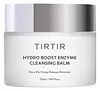 Key Ingredients
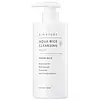
Benefits
Concerns
Ingredients Side-by-side
Ethylhexyl Palmitate
Emollient




PEG-20 Glyceryl Triisostearate
Emollient
Cetyl Ethylhexanoate
EmollientPEG-10 Isostearate
Emulsifying
Synthetic Wax
Abrasive
Oryza Sativa Bran Oil
Emollient



Caprylyl Glycol
Emollient
Tocopheryl Acetate
Antioxidant


Camellia Sinensis Seed Oil
Humectant
Camellia Japonica Seed Oil
Emollient
Squalane
Emollient

Simmondsia Chinensis Seed Oil
Emollient
Ethylhexylglycerin
Skin ConditioningWater
Skin ConditioningNiacinamide
Smoothing





Allantoin
Skin Conditioning
Panthenol
Skin Conditioning
Camellia Sinensis Leaf Extract
Antimicrobial
Butylene Glycol
Humectant
Tocopherol
Antioxidant
1,2-Hexanediol
Skin Conditioning
Hamamelis Virginiana Extract
Antiseborrhoeic

Bifida Ferment Filtrate
Skin Conditioning
Bifida Ferment Lysate
Skin Conditioning
Saccharomyces Ferment Filtrate
Humectant
Lactobacillus Ferment Lysate
Skin Conditioning
Lactococcus Ferment Lysate
Skin Conditioning
Glycyrrhiza Glabra Root Extract
Bleaching
Centella Asiatica Extract
Cleansing
Oryza Sativa Extract
Absorbent
Lavandula Angustifolia Extract
Skin Conditioning
Rosmarinus Officinalis Extract
AntimicrobialMonarda Didyma Leaf Extract
Skin ConditioningAnthemis Nobilis Flower Extract
Masking
Jasminum Officinale Extract
Masking
Protease
Exfoliating
Ethylhexyl Palmitate, PEG-20 Glyceryl Triisostearate, Cetyl Ethylhexanoate, PEG-10 Isostearate, Synthetic Wax, Oryza Sativa Bran Oil, Caprylyl Glycol, Tocopheryl Acetate, Camellia Sinensis Seed Oil, Camellia Japonica Seed Oil, Squalane, Simmondsia Chinensis Seed Oil, Ethylhexylglycerin, Water, Niacinamide, Allantoin, Panthenol, Camellia Sinensis Leaf Extract, Butylene Glycol, Tocopherol, 1,2-Hexanediol, Hamamelis Virginiana Extract, Bifida Ferment Filtrate, Bifida Ferment Lysate, Saccharomyces Ferment Filtrate, Lactobacillus Ferment Lysate, Lactococcus Ferment Lysate, Glycyrrhiza Glabra Root Extract, Centella Asiatica Extract, Oryza Sativa Extract, Lavandula Angustifolia Extract, Rosmarinus Officinalis Extract, Monarda Didyma Leaf Extract, Anthemis Nobilis Flower Extract, Jasminum Officinale Extract, Protease
Water
Skin ConditioningCetyl Ethylhexanoate
EmollientHelianthus Annuus Seed Oil
Emollient
Glycerin
Humectant
Isopentyldiol
Humectant
Pentylene Glycol
Skin Conditioning
Panthenol
Skin Conditioning
Allantoin
Skin Conditioning
Ceramide NP
Skin Conditioning
Oryza Sativa Bran Oil
Emollient
Arginine
Masking
Simmondsia Chinensis Seed Oil
Emollient
Oryza Sativa Extract
Absorbent
Avena Sativa Protein Extract
Skin ConditioningAvena Sativa Meal Extract
SoothingGlycine Max Seed Extract
Skin ConditioningTocopherol
Antioxidant
Paeonia Suffruticosa Root Extract
Skin ProtectingButylene Glycol
Humectant
Ethylhexylglycerin
Skin Conditioning1,2-Hexanediol
Skin Conditioning
Glyceryl Stearate Se
Emulsifying
Cetearyl Olivate
Sorbitan Olivate
Emulsifying
Decyl Glucoside
Cleansing
C12-20 Alkyl Glucoside
EmulsifyingCarbomer
Emulsion StabilisingVinyldimethicone

C14-22 Alcohols
Emulsion Stabilising
Hydroxyacetophenone
Antioxidant
Water, Cetyl Ethylhexanoate, Helianthus Annuus Seed Oil, Glycerin, Isopentyldiol, Pentylene Glycol, Panthenol, Allantoin, Ceramide NP, Oryza Sativa Bran Oil, Arginine, Simmondsia Chinensis Seed Oil, Oryza Sativa Extract, Avena Sativa Protein Extract, Avena Sativa Meal Extract, Glycine Max Seed Extract, Tocopherol, Paeonia Suffruticosa Root Extract, Butylene Glycol, Ethylhexylglycerin, 1,2-Hexanediol, Glyceryl Stearate Se, Cetearyl Olivate, Sorbitan Olivate, Decyl Glucoside, C12-20 Alkyl Glucoside, Carbomer, Vinyldimethicone, C14-22 Alcohols, Hydroxyacetophenone
Reviews
Ingredients Explained
These ingredients are found in both products.
Ingredients higher up in an ingredient list are typically present in a larger amount.
1,2-Hexanediol is a synthetic liquid and another multi-functional powerhouse.
It is a:
- Humectant, drawing moisture into the skin
- Emollient, helping to soften skin
- Solvent, dispersing and stabilizing formulas
- Preservative booster, enhancing the antimicrobial activity of other preservatives
Allantoin is a soothing ingredient known for its protective and moisturizing properties; it's basically a quiet workhorse ingredient you can find in a huge range of cosmetics.
Though it can be derived from the comfrey plant, allantoin is produced synthetically for cosmetic products to ensure purity.
Research shows it can encourage your skin cells to turn over and renew by stimulating keratinocyte and fibroblast proliferation.
It also has mild keratolytic properties to help loosen and shed dead skin cells without being harsh.
Studies also suggest allantoin can help calm inflammation by dialing down some of the chemical signals your skin sends out when it is irritated.
This ingredient is typically used in the 0.1-0.5% range, and the FDA recognizes it as a skin protectant in OTC products up to 2%.
Overall, allantoin is a wonderful addition to most routines; it is stable across a wide pH range (~4-8), works well with other ingredients, and is considered non-sensitizing/non-irritating.
Fun fact: Allantoin is naturally occurring in comfrey root, beets, chamomile, and wheat sprouts. Our bodies even produce it as a byproduct of uric acid metabolism.
Learn more about AllantoinButylene Glycol (or BG) is used within cosmetic products for a few different reasons:
Overall, Butylene Glycol is a safe and well-rounded ingredient that works well with other ingredients.
Though this ingredient works well with most skin types, some people with sensitive skin may experience a reaction such as allergic rashes, closed comedones, or itchiness.
Learn more about Butylene GlycolCetyl Ethylhexanoate is an emollient ester. It comes from cetearyl alcohol and 2-ethylhexanoic acid.
Cetyl Ethylhexanoate is an emollient that adds a velvety feel to skin without being greasy or oily. Emollients help trap moisture into your skin, keeping your skin soft and hydrated.
Ethylhexylglycerin is created from glycerin. It is a multitasker ingredient that:
The CIR Expert Panel found minimal skin absorption or sensitization of any kind in a safety assessment. Though this ingredient is considered well-tolerated, a small number of cases of allergic dermatitis have been published since 2002. Just be sure to patch test if you are unsure.
Industry-reported use ranges from 8% in rinse-off products and 2% in leave-on formulations.
Learn more about EthylhexylglycerinThis oil comes from the outer layer (bran) of rice grains. It is packed with skin-friendly fatty acids to soften and condition the skin while supporting your moisture barrier.
What makes it stand out from other plant oils is its naturally high concentration of gamma-oryzanol, a potent antioxidant. This antioxidant has shown some UV-absorptive properties in research.
Other antioxidants found in this oil include tocopherols, tocotrienols, and ferulic acid.
According to manufacturers, this oil has a lightweight texture that absorbs nicely.
The CIR (Cosmetic Ingredient Review) has concluded this ingredient to be safe as used in cosmetics and it has not shown to be a skin sensitizer in testing (unless you have a known rice allergy).
Due to the fatty acids (primarily Oleic Acid ~40%, Linoleic Acid ~30%, and some Palmitic Acid), this ingredient may not be fungal acne safe.
Learn more about Oryza Sativa Bran OilOryza Sativa Extract comes from the rice grain, Oryza sativa. Rice extract has wound healing, antioxidant, anti-inflammatory, and hydrating properties.
Rice grains contain numerous antioxidants which may help with anti-aging, such as vitamin E. Antioxidants help stabilize free-radical molecules. Unstable free-radical molecules may damage your skin cells and accelerate signs of aging.
A study from 2002 found rice to help increase the rate of wound healing. The same study found an improvement of skin barrier function in the patients after taking rice baths.
Numerous in-vitro studies have found rice water to help decrease sun damage by increasing collagen production and inhibiting the process of tyrosinase.
Long story short- tyrosinase is an enzyme that controls melanin production. Our bodies start producing melanin (AKA tanning) when exposed to UV radiation to protect against damage. Rice water is found to partially block this process.
Though more research is needed on rice's ability to help with UV protection, recent studies seem promising.
Wondering why rice is hydrating? The protein in rice have emollient properties. Emollients create a barrier on the skin to trap moisture in, keeping your skin moisturized.
Some rice extract may have mildly-exfoliating properties. These are mainly limited to Oryza Sativa (Rice) Bran and Oryza Sativa (Rice) Germ Powder.
This rice was first cultivated in China over 10,000 years ago. Many cultures throughout Asia have used rice water on skin and hair for centuries.
Learn more about Oryza Sativa ExtractPanthenol is a common ingredient that helps hydrate and soothe the skin. It is found naturally in our skin and hair.
There are two forms of panthenol: D and L.
D-panthenol is also known as dexpanthenol. Most cosmetics use dexpanthenol or a mixture of D and L-panthenol.
Panthenol is famous due to its ability to go deeper into the skin's layers. Using this ingredient has numerous pros (and no cons):
Like hyaluronic acid, panthenol is a humectant. Humectants are able to bind and hold large amounts of water to keep skin hydrated.
This ingredient works well for wound healing. It works by increasing tissue in the wound and helps close open wounds.
Once oxidized, panthenol converts to pantothenic acid. Panthothenic acid is found in all living cells.
This ingredient is also referred to as pro-vitamin B5.
Learn more about PanthenolJojoba oil is one of the most well-studied plant-derived ingredients in cosmetics. It is an emollient with a special structure.
Because it is made up of 97-98% wax esters, it closely mirrors the linear monoesters found in human sebum. This makes it skin compatible, non-greasy, and lightweight.
Unlike other plant oils, jojoba wax doesn't easily penetrate skin. It mostly works in the uppermost layers as an emollient. This just means it forms a light barrier on the skin to help retain moisture.
Formulations with jojoba esters up to 90% reduced transepidermal water loss (TEWL) and increased barrier recovery by 81% (outperforming bisabolol at 47%).
Besides barrier support, the science also suggests jojoba to have anti-inflammatory effects and potential applications for skin infections, aging, and wound healing.
Fun fact: Indigenous cultures have used jojoba as a moisturizer and to help treat burns for centuries.
Fungal acne: The Malassezia yeast is known to metabolize fatty acids in the C11-24 range and jojoba's dominant fatty acid components fall into this range. This ingredient may not be fungal acne safe.
Learn more about Simmondsia Chinensis Seed OilTocopherol is a fat-soluble antioxidant known as Vitamin E.
You'll find this ingredient in the vast majority of skincare (for good reason). It works to neutralize free radicals, or unstable molecules generated by UV exposure, pollution, and other environmental stressors, before they can cause oxidative damage to your skin cells.
Topically applied tocopherol has been shown to protect against UV damage by ramping up the skin's own natural defense enzymes.
It also acts as a skin conditioning agent; some studies show that regular topical use can improve the skin's water-binding capacity over 2-4 weeks.
This ingredient is especially loved for being a team player. When combined with Vitamin C, the photoprotective effect of both ingredients roughly doubles and the combo also helps reduce UV-induced DNA damage.
This ingredient has some brightening potential but it's more of a prevention ingredient than spot-fader. Cell studies show it can slow down melanin production but it's worth noting that it's not the most powerful brightener out there.
In formulations, it also serves as a stabilizer that helps protect other oxidation-prone ingredients from degrading.
Concentrations usually range from 0.1-1% in most leave-on products.
Learn more about TocopherolWater. It's the most common cosmetic ingredient of all. You'll usually see it at the top of ingredient lists, meaning that it makes up the largest part of the product.
So why is it so popular? Water most often acts as a solvent - this means that it helps dissolve other ingredients into the formulation.
You'll also recognize water as that liquid we all need to stay alive. If you see this, drink a glass of water. Remember to stay hydrated!
Learn more about Water

