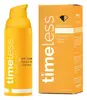
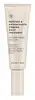
Timeless Skin Care 20% Vitamin C + E Ferulic Acid Serum Versus Allies of Skin Peptide & Antioxidants Firming Daily Treatment
This brightening serum is formulated around Ascorbic Acid and Tocopherol to brighten dull-looking skin and soften the look of wrinkles.
This anti-aging moisturizer is formulated around Niacinamide and Tetrahexyldecyl Ascorbate to soften the look of wrinkles and calm redness.

What's inside
What's inside
 Key Ingredients
Benefits
Concerns
Ingredients Side-by-side



Water
Skin ConditioningGlycerin
Humectant


Caprylic/Capric Triglyceride
Masking
Isononyl Isononanoate
EmollientCaffeine
Skin Conditioning

C12-15 Alkyl Benzoate
AntimicrobialNiacinamide
Smoothing







Lactobacillus Ferment
Skin Conditioning
Cetearyl Olivate


Butylene Glycol
Humectant
Polysorbate 60
Emulsifying
Tetrahexyldecyl Ascorbate
Antioxidant

Marrubium Vulgare Extract
Skin ConditioningPlantago Lanceolata Leaf Extract
AntimicrobialPalmitoyl Tripeptide-5
Skin Conditioning
Acetyl Tetrapeptide-40
Skin Conditioning
Palmitoyl Tripeptide-8
Skin Conditioning
Hydrolyzed Verbascum Thapsus Flower
Antioxidant
Moringa Oleifera Seed Extract
Skin Conditioning
Teprenone
Skin ConditioningPhospholipids
Skin Conditioning
Hyaluronic Acid
Humectant
Syringa Vulgaris Leaf Cell Culture Extract
Skin ConditioningSphingolipids
Emollient
Astaxanthin
Skin Conditioning
Bisabolol
Antioxidant
Euterpe Oleracea Fruit Oil
Skin Conditioning
Rubus Idaeus Seed Oil
Emollient
Honey
Humectant
Dimethyl Isosorbide
SolventCeramide NP
Skin Conditioning
Phenyl T-Butylnitrone
Antioxidant
Tocopherol
Antioxidant
Glutathione
Tetrahydrodiferuloylmethane
Antioxidant
Tetrahydrodemethoxydiferuloylmethane
Antioxidant
Tetrahydrobisdemethoxydiferuloylmethane
Antioxidant
Ergothioneine
Antioxidant
Xanthan Gum
EmulsifyingCaprylyl Glycol
Emollient
Carbomer
Emulsion StabilisingSorbitan Olivate
Emulsifying
Benzimidazole Diamond Amidoethyl Urea Carbamoyl Propyl Polymethylsilsesquioxane
Cosmetic Colorant
Mica
Cosmetic ColorantDextran
Citric Acid
Buffering
Sodium Hydroxide
BufferingAcrylamide/Sodium Acryloyldimethyltaurate Copolymer
Emulsion StabilisingCI 77891
Cosmetic ColorantEthylhexylglycerin
Skin ConditioningIsohexadecane
EmollientMaltodextrin
Absorbent
Polysorbate 80
Emulsifying
Acetyl Tributyl Citrate
Masking

Tetrasodium EDTA
Sorbitan Oleate
Emulsifying

Sodium Benzoate
Masking
Potassium Sorbate
Preservative
Sodium Glycolate
BufferingPolysorbate 20
Emulsifying
Phenoxyethanol
Preservative
O-Cymen-5-Ol
Antimicrobial
Water, Glycerin, Caprylic/Capric Triglyceride, Isononyl Isononanoate, Caffeine, C12-15 Alkyl Benzoate, Niacinamide, Lactobacillus Ferment, Cetearyl Olivate, Butylene Glycol, Polysorbate 60, Tetrahexyldecyl Ascorbate, Marrubium Vulgare Extract, Plantago Lanceolata Leaf Extract, Palmitoyl Tripeptide-5, Acetyl Tetrapeptide-40, Palmitoyl Tripeptide-8, Hydrolyzed Verbascum Thapsus Flower, Moringa Oleifera Seed Extract, Teprenone, Phospholipids, Hyaluronic Acid, Syringa Vulgaris Leaf Cell Culture Extract, Sphingolipids, Astaxanthin, Bisabolol, Euterpe Oleracea Fruit Oil, Rubus Idaeus Seed Oil, Honey, Dimethyl Isosorbide, Ceramide NP, Phenyl T-Butylnitrone, Tocopherol, Glutathione, Tetrahydrodiferuloylmethane, Tetrahydrodemethoxydiferuloylmethane, Tetrahydrobisdemethoxydiferuloylmethane, Ergothioneine, Xanthan Gum, Caprylyl Glycol, Carbomer, Sorbitan Olivate, Benzimidazole Diamond Amidoethyl Urea Carbamoyl Propyl Polymethylsilsesquioxane, Mica, Dextran, Citric Acid, Sodium Hydroxide, Acrylamide/Sodium Acryloyldimethyltaurate Copolymer, CI 77891, Ethylhexylglycerin, Isohexadecane, Maltodextrin, Polysorbate 80, Acetyl Tributyl Citrate, Tetrasodium EDTA, Sorbitan Oleate, Sodium Benzoate, Potassium Sorbate, Sodium Glycolate, Polysorbate 20, Phenoxyethanol, O-Cymen-5-Ol
Reviews
Ingredients Explained
These ingredients are found in both products.
Ingredients higher up in an ingredient list are typically present in a larger amount.
Polysorbate 80 is a synthetic surfactant and emulsifier derived from sorbitol and oleic acid.
It reduces the surface tension between oil and water phases to help them stay mixed and stable in a formulation. In other words, it prevents your formulas from separating into an oily mess.
The CIR Expert Panel has evaluated the scientific data and found this ingredient to be safe, non-irritating, and non-sensitizing at concentrations up to 5% (it's even approved by the FDA as an OTC eye drop ingredient).
Learn more about Polysorbate 80Tocopherol is a fat-soluble antioxidant known as Vitamin E.
You'll find this ingredient in the vast majority of skincare (for good reason). It works to neutralize free radicals, or unstable molecules generated by UV exposure, pollution, and other environmental stressors, before they can cause oxidative damage to your skin cells.
Topically applied tocopherol has been shown to protect against UV damage by ramping up the skin's own natural defense enzymes.
It also acts as a skin conditioning agent; some studies show that regular topical use can improve the skin's water-binding capacity over 2-4 weeks.
This ingredient is especially loved for being a team player. When combined with Vitamin C, the photoprotective effect of both ingredients roughly doubles and the combo also helps reduce UV-induced DNA damage.
This ingredient has some brightening potential but it's more of a prevention ingredient than spot-fader. Cell studies show it can slow down melanin production but it's worth noting that it's not the most powerful brightener out there.
In formulations, it also serves as a stabilizer that helps protect other oxidation-prone ingredients from degrading.
Concentrations usually range from 0.1-1% in most leave-on products.
Learn more about TocopherolWater. It's the most common cosmetic ingredient of all. You'll usually see it at the top of ingredient lists, meaning that it makes up the largest part of the product.
So why is it so popular? Water most often acts as a solvent - this means that it helps dissolve other ingredients into the formulation.
You'll also recognize water as that liquid we all need to stay alive. If you see this, drink a glass of water. Remember to stay hydrated!
Learn more about Water

