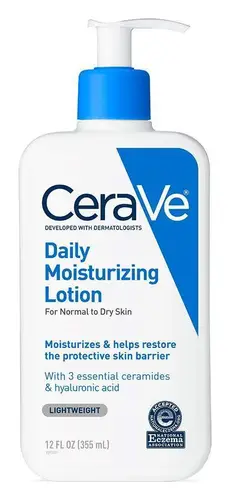
The Ordinary Natural Moisturizing Factors + PhytoCeramides Versus Dr. Jart+ Ceramidin Skin Barrier Moisturising Milky Lotion
This barrier-repair moisturizer is formulated around Linoleic Acid and Urea to strengthen the skin barrier and hydrate skin.
This barrier-repair moisturizer is formulated around Panthenol and Ceramide NP to strengthen the skin barrier and hydrate skin.


What's inside
What's inside
 Key Ingredients
Benefits
Concerns
Ingredients Side-by-side
Water
Skin ConditioningCaprylic/Capric Triglyceride
Masking


Cetyl Ethylhexanoate
EmollientIsodecyl Neopentanoate
EmollientGlycerin
Humectant
Propanediol
Solvent
Polyglyceryl-6 Polyricinoleate
Emulsifying

Hydrogenated Vegetable Oil
Emollient


Polyglyceryl-2 Isostearate
Emulsifying
Isosorbide Dicaprylate
Skin ConditioningDisteardimonium Hectorite
StabilisingPhytosteryl Canola Glycerides
Skin Conditioning
Glycosphingolipids
EmollientGlycolipids
Skin ConditioningLinoleic Acid
Cleansing

Oleic Acid
Emollient
Palmitic Acid
Emollient
Stearic Acid
Cleansing
Arginine
Masking
Glycine
Buffering
Alanine
Masking
Serine
Masking
Proline
Skin Conditioning
Threonine
Glutamic Acid
Humectant
Lysine Hcl
Skin Conditioning
Betaine
Humectant
Xylitylglucoside
Humectant
Anhydroxylitol
Humectant
Xylitol
Humectant
Glucose
Humectant
Maltose
MaskingFructose
Humectant
Trehalose
Humectant
Sodium PCA
Humectant
PCA
Humectant
Sodium Lactate
Buffering
Urea
Buffering

Allantoin
Skin Conditioning
Sodium Hyaluronate
Humectant
Lecithin
Emollient
Triolein
Skin Conditioning
Dimethyl Isosorbide
SolventPentylene Glycol
Skin Conditioning
Tocopherol
Antioxidant


Hydroxymethoxyphenyl Decanone
Skin ConditioningCitric Acid
Buffering
Trisodium Ethylenediamine Disuccinate
ChelatingMagnesium Sulfate
Sodium Chloride
MaskingSodium Hydroxide
BufferingPhenoxyethanol
Preservative
Chlorphenesin
Antimicrobial
Water, Caprylic/Capric Triglyceride, Cetyl Ethylhexanoate, Isodecyl Neopentanoate, Glycerin, Propanediol, Polyglyceryl-6 Polyricinoleate, Hydrogenated Vegetable Oil, Polyglyceryl-2 Isostearate, Isosorbide Dicaprylate, Disteardimonium Hectorite, Phytosteryl Canola Glycerides, Glycosphingolipids, Glycolipids, Linoleic Acid, Oleic Acid, Palmitic Acid, Stearic Acid, Arginine, Glycine, Alanine, Serine, Proline, Threonine, Glutamic Acid, Lysine Hcl, Betaine, Xylitylglucoside, Anhydroxylitol, Xylitol, Glucose, Maltose, Fructose, Trehalose, Sodium PCA, PCA, Sodium Lactate, Urea, Allantoin, Sodium Hyaluronate, Lecithin, Triolein, Dimethyl Isosorbide, Pentylene Glycol, Tocopherol, Hydroxymethoxyphenyl Decanone, Citric Acid, Trisodium Ethylenediamine Disuccinate, Magnesium Sulfate, Sodium Chloride, Sodium Hydroxide, Phenoxyethanol, Chlorphenesin
Water
Skin ConditioningGlycerin
Humectant
Dicaprylyl Carbonate
EmollientOctyldodecanol
Emollient
Butylene Glycol
Humectant
Diisostearyl Malate
EmollientPentylene Glycol
Skin Conditioning
Panthenol
Skin Conditioning
Diglycerin
Humectant
Vinyldimethicone

1,2-Hexanediol
Skin Conditioning
Cetearyl Olivate
Hydrogenated Vegetable Oil
Emollient
Sorbitol
Humectant
Ceramide NP
Skin Conditioning
Polyglyceryl-3 Diisostearate
Emulsifying
Theobroma Cacao Extract
Skin ConditioningTromethamine
BufferingCetearyl Alcohol
Emollient
Cyclodextrin
AbsorbentSilica
Abrasive


Hydroxyethyl Acrylate/Sodium Acryloyldimethyl Taurate Copolymer
Emulsion StabilisingSorbitan Olivate
Emulsifying
Glyceryl Stearate
Emollient
Acrylates/C10-30 Alkyl Acrylate Crosspolymer
Emulsion StabilisingC12-16 Alcohols
EmollientPalmitic Acid
Emollient
Hydrogenated Lecithin
Emulsifying
Lecithin
Emollient
Sorbitan Isostearate
Emulsifying
Dextrin
AbsorbentParfum
Masking


Sodium Phytate
ChelatingTocopherol
Antioxidant
Phenoxyethanol
Preservative
CI 19140
Cosmetic ColorantWater, Glycerin, Dicaprylyl Carbonate, Octyldodecanol, Butylene Glycol, Diisostearyl Malate, Pentylene Glycol, Panthenol, Diglycerin, Vinyldimethicone, 1,2-Hexanediol, Cetearyl Olivate, Hydrogenated Vegetable Oil, Sorbitol, Ceramide NP, Polyglyceryl-3 Diisostearate, Theobroma Cacao Extract, Tromethamine, Cetearyl Alcohol, Cyclodextrin, Silica, Hydroxyethyl Acrylate/Sodium Acryloyldimethyl Taurate Copolymer, Sorbitan Olivate, Glyceryl Stearate, Acrylates/C10-30 Alkyl Acrylate Crosspolymer, C12-16 Alcohols, Palmitic Acid, Hydrogenated Lecithin, Lecithin, Sorbitan Isostearate, Dextrin, Parfum, Sodium Phytate, Tocopherol, Phenoxyethanol, CI 19140
Reviews
Ingredients Explained
These ingredients are found in both products.
Ingredients higher up in an ingredient list are typically present in a larger amount.
Glycerin (or glycerol) is a compound naturally found in your skin. It's a powerhouse humectant that pulls water into the stratum corneum.
Topically, glycerin does several things at once:
Your skin makes glycerin on its own (mostly from sebaceous oil breakdown) and shuttles it to your outermost layer of skin, or your epidermis, via aquaporin-3.
Aquaporin-3 is a transporter that is essential for normal skin hydration, elasticity, and repair. Interestingly, mice lacking in AQP3 have dry and less elastic skin that can be fully corrected with glycerin.
This ingredient is non-irritating, plays well with almost every ingredient, and works across all skin types. Typical use is anywhere between 3-10% but can go up to 79% in some leave-on products.
Just know very high concentrations (>40%) can feel tacky in low humidity.
Glycerin is the name for this ingredient in American English. British English uses Glycerol/Glycerine.
Learn more about GlycerinHydrogenated Vegetable Oil isn't a single oil. It's the labeling name for a blend of plant-derived oils that can include canola, rapeseed, safflower, sunflower, sesame, palm, palm kernel, cotton, soybean, olive, and more.
Hydrogenation is the processing step that reduces or removes the unsaturated bonds in the fatty acids to make the oil more resistant to oxidative and thermal damage.
In cosmetics, it acts as a skin conditioner, occlusive, and emollient that give products a rich body.
Concentrations are reported from 0.0004% to 60% with leave-on products going as high as 60% and rinse-off products staying at 8% or below.
The Cosmetic Ingredient Review has concluded this ingredient to be safe as used in cosmetics.
This ingredient does have a comedogenic rating of 3, but this doesn't mean a formula with this ingredient will clog pores. Human testing has proved that any finished product with this ingredient won't automatically make you break out; it really comes down to concentration, formula, and your skin.
Since this ingredient is a triglyceride built mostly from C16 and C18 fatty acids, this ingredient may not be fungal acne safe as that falls into the range the Malassezia yeast can metabolize.
Allergy-wise, the proteins responsible for plant food allergies are taken out of the refined oil. This is why reactions to refined oils are rare even from highly allergenic sources like peanut. Well-designed studies have also shown refined peanut oil is safely tolerated by the vast majority of peanut-allergic people.
However, the issue is with unrefined oils; be sure to reach out to the manufacturer if you have a plant food allergy about the type of oil used in their products.
The other catch for this INCI name is that it doesn't tell you which plants are in the blend so you would need to ask the brand.
Learn more about Hydrogenated Vegetable OilLecithin is a term for a group of substances found in the cell membranes of plants, animals, and humans. They are made up of phospholipids.
Thanks to its amphiphilic structure (water-loving head and oil-loving tail), it is a true multitasker:
It plays well with most ingredients and is typically used at 0.1-1%. However, concentrations up to 50% have been reported in moisturizers.
Learn more about LecithinPalmitic Acid is a fatty acid naturally found in our skin and in many plant and animal sources.
In cosmetics, it is usually derived from palm oil. It serves many purposes in skincare, acting as a cleanser, emollient, and emulsifier.
Interestingly, topically applied Palmitic Acid can be elongated into longer chain fatty acids and ceramides. A 2019 study found low levels of Palmitic Acid lead to slower development of cells, suggesting it plays a role in keeping your skin's renewal process on track.
The CIR (Cosmetic Ingredient Review) panel determined it safe as used in cosmetics at concentrations up to 13%. It is non-irritating and non-sensitizing in clinical studies.
The culprit behind fungal acne, the Malassezia yeast, feeds on fatty acids with carbon chain lengths between C11-C24. Palmitic Acid, at C16, falls right into that sweet spot.
In vitro studies have shown that Palmitic Acid is one of the fatty acids that induce rapid Malassezia growth in lab settings.
It's worth noting that what feeds yeast in a lab doesn't necessarily feed it on your face since formulation and your skin's chemistry play a bigger role.
This ingredient does have a comedogenic rating of 2, but this doesn't mean a formula with this ingredient will clog pores.
Human testing has proved that any finished product with a comedogenic ingredient won't automatically make you break out; it really comes down to concentration, formula, and your skin.
Learn more about Palmitic AcidPentylene Glycol (1,2-pentanediol) is a multitasking little diol with three main roles in a formula:
Research on alkanediols (the family pentylene glycol belongs to) show they work by disrupting microbial cell membranes. This disruption helps the primary preservative system in a product work more effectively at lower doses.
On the safety side, the Cosmetic Ingredient Review Expert Panel has concluded this ingredient to be safe as used in current cosmetic practices + concentrations.
Typical use levels in a formula run about 1-5%.
Learn more about Pentylene GlycolPhenoxyethanol is one of the most widely used preservatives in skincare (and for good reason!).
It has a large spectrum of antimicrobial activity and especially effective bacteria, yeast, and mold while only having a weak effect on your skin's natural microbiome.
On a cellular level, it disrupts the cell membranes of microbes by poking holes that make the cell leak. This shuts down the chemical reactions the microbe needs to make energy so it can no longer survive.
Another perk of this ingredient is that it stays functional across a wide pH range (3-10).
You'll often see it paired with boosters like Ethylhexylglycerin; one study showed that a 1:9 ratio of Ethylhexylglycerin to Phenoxyethanol damages bacterial membranes as effectively as doubling the Phenoxyethanol concentration on its own.
Typical use concentrations range from 0.3-1% depending on the formula, and this ingredient is capped at 1% int the EU.
Safety-wise, the fear mongering does not hold up to the evidence. The EU's Scientific Committee on Consumer Safety and FDA consider it safe as a preservative at up to 1%, including for children of all ages.
Adverse systemic effects only showed up in animal studies at exposures roughly 200x higher than what people get from cosmetics. And despite its very widespread use, this ingredient is a rare sensitizer and allergic reactions are uncommon.
Learn more about PhenoxyethanolTocopherol is a fat-soluble antioxidant known as Vitamin E.
You'll find this ingredient in the vast majority of skincare (for good reason). It works to neutralize free radicals, or unstable molecules generated by UV exposure, pollution, and other environmental stressors, before they can cause oxidative damage to your skin cells.
Topically applied tocopherol has been shown to protect against UV damage by ramping up the skin's own natural defense enzymes.
It also acts as a skin conditioning agent; some studies show that regular topical use can improve the skin's water-binding capacity over 2-4 weeks.
This ingredient is especially loved for being a team player. When combined with Vitamin C, the photoprotective effect of both ingredients roughly doubles and the combo also helps reduce UV-induced DNA damage.
This ingredient has some brightening potential but it's more of a prevention ingredient than spot-fader. Cell studies show it can slow down melanin production but it's worth noting that it's not the most powerful brightener out there.
In formulations, it also serves as a stabilizer that helps protect other oxidation-prone ingredients from degrading.
Concentrations usually range from 0.1-1% in most leave-on products.
Learn more about TocopherolWater. It's the most common cosmetic ingredient of all. You'll usually see it at the top of ingredient lists, meaning that it makes up the largest part of the product.
So why is it so popular? Water most often acts as a solvent - this means that it helps dissolve other ingredients into the formulation.
You'll also recognize water as that liquid we all need to stay alive. If you see this, drink a glass of water. Remember to stay hydrated!
Learn more about Water