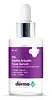
This brightening serum is formulated around Arbutin and Tartaric Acid to fade the look of dark spots and brighten dull-looking skin.
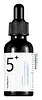
This brightening serum is formulated around Niacinamide and Tranexamic Acid to fade the look of dark spots and brighten dull-looking skin.


What's inside
What's inside
 Key Ingredients
Benefits
Concerns
Ingredients Side-by-side
Water
Skin ConditioningArbutin
Antioxidant




Propanediol
Solvent

Tartaric Acid
Buffering


Disodium EDTA
ChelatingSodium Sulfite
Preservative
Sodium Metabisulfite
Antioxidant
Glycerin
Humectant
Butylene Glycol
Humectant
Saxifraga Sarmentosa Extract
Skin ConditioningCarica Papaya Fruit Extract
Skin ConditioningPsidium Guajava Fruit Extract
AstringentEthoxydiglycol
HumectantSodium Hyaluronate
Humectant


PEG-40 Hydrogenated Castor Oil
Emulsifying

Maltodextrin
Absorbent
Punica Granatum Seed Cell Culture Lysate
Skin ConditioningPolyacrylate Crosspolymer-6
Emulsion StabilisingPhenoxyethanol
Preservative
Chlorphenesin
Antimicrobial
Water, Arbutin, Propanediol, Tartaric Acid, Disodium EDTA, Sodium Sulfite, Sodium Metabisulfite, Glycerin, Butylene Glycol, Saxifraga Sarmentosa Extract, Carica Papaya Fruit Extract, Psidium Guajava Fruit Extract, Ethoxydiglycol, Sodium Hyaluronate, PEG-40 Hydrogenated Castor Oil, Maltodextrin, Punica Granatum Seed Cell Culture Lysate, Polyacrylate Crosspolymer-6, Phenoxyethanol, Chlorphenesin
Vaccinium Vitis-Idaea Fruit Extract
Antioxidant
Butylene Glycol
Humectant
Niacinamide
Smoothing





Panthenol
Skin Conditioning
Tranexamic Acid
Astringent
Water
Skin Conditioning1,2-Hexanediol
Skin Conditioning
Neopentyl Glycol Dicaprate
EmollientCaprylic/Capric Triglyceride
Masking
Sorbitol
Humectant
Bifida Ferment Lysate
Skin Conditioning
Chondrus Crispus Extract
Skin Conditioning

Butyrospermum Parkii Butter
Skin Conditioning
Saccharum Officinarum Extract
MoisturisingAlpha-Arbutin
Antioxidant
Sodium Hyaluronate
Humectant
Melia Azadirachta Flower Extract
Skin ConditioningOcimum Sanctum Leaf Extract
Skin ConditioningMelia Azadirachta Leaf Extract
Skin ConditioningCurcuma Longa Root Extract
Antioxidant
Corallina Officinalis Extract
Skin Conditioning
Tremella Fuciformis Extract
Humectant
Pentylene Glycol
Skin Conditioning
Glycerin
Humectant
3-O-Ethyl Ascorbic Acid
Skin Conditioning
Bisabolol
Antioxidant
Tromethamine
BufferingEthylhexylglycerin
Skin ConditioningAdenosine
Skin Conditioning
Hydrogenated Lecithin
Emulsifying
Allantoin
Skin Conditioning
Glutathione
Ceramide NP
Skin Conditioning
Beta-Glucan
Skin Conditioning
Dipotassium Glycyrrhizate
Humectant
Tocopherol
Antioxidant
Ascorbic Acid
Antioxidant
Ascorbyl Glucoside
Antioxidant
Tocopheryl Acetate
Antioxidant
Hydroxypropyl Cyclodextrin
MaskingUbiquinone
Antioxidant
Thioctic Acid
Antioxidant
Potassium Hydroxide
BufferingBehenyl Alcohol
Emollient
Carbomer
Emulsion StabilisingXanthan Gum
EmulsifyingDisodium EDTA
ChelatingVaccinium Vitis-Idaea Fruit Extract, Butylene Glycol, Niacinamide, Panthenol, Tranexamic Acid, Water, 1,2-Hexanediol, Neopentyl Glycol Dicaprate, Caprylic/Capric Triglyceride, Sorbitol, Bifida Ferment Lysate, Chondrus Crispus Extract, Butyrospermum Parkii Butter, Saccharum Officinarum Extract, Alpha-Arbutin, Sodium Hyaluronate, Melia Azadirachta Flower Extract, Ocimum Sanctum Leaf Extract, Melia Azadirachta Leaf Extract, Curcuma Longa Root Extract, Corallina Officinalis Extract, Tremella Fuciformis Extract, Pentylene Glycol, Glycerin, 3-O-Ethyl Ascorbic Acid, Bisabolol, Tromethamine, Ethylhexylglycerin, Adenosine, Hydrogenated Lecithin, Allantoin, Glutathione, Ceramide NP, Beta-Glucan, Dipotassium Glycyrrhizate, Tocopherol, Ascorbic Acid, Ascorbyl Glucoside, Tocopheryl Acetate, Hydroxypropyl Cyclodextrin, Ubiquinone, Thioctic Acid, Potassium Hydroxide, Behenyl Alcohol, Carbomer, Xanthan Gum, Disodium EDTA
Reviews
Ingredients Explained
These ingredients are found in both products.
Ingredients higher up in an ingredient list are typically present in a larger amount.
Butylene Glycol (or BG) is used within cosmetic products for a few different reasons:
Overall, Butylene Glycol is a safe and well-rounded ingredient that works well with other ingredients.
Though this ingredient works well with most skin types, some people with sensitive skin may experience a reaction such as allergic rashes, closed comedones, or itchiness.
Learn more about Butylene GlycolDisodium EDTA is a chelating agent. It grabs onto and deactivates metal ions that sneak into your products from water, packaging, or air.
This ingredient mainly works behind the scenes and helps with:
On top of that, this ingredient can counteract the effects of hard water by binding to the minerals in it.
One thing worth knowing is that Disodium EDTA has been shown to be a mild penetration enhancer. It can help other ingredients absorb into skin more effectively which can be a double-edged sword (great for actives, but can also make the active too strong if you have sensitive skin).
Clinical patch testing showed no significant skin irritation at typical use concentrations and minimal dermal absorption.
You'll most likely see this ingredient near the end of an ingredient list. It's typically found in concentrations less than 1%.
Learn more about Disodium EDTAGlycerin (or glycerol) is a compound naturally found in your skin. It's a powerhouse humectant that pulls water into the stratum corneum.
Topically, glycerin does several things at once:
Your skin makes glycerin on its own (mostly from sebaceous oil breakdown) and shuttles it to your outermost layer of skin, or your epidermis, via aquaporin-3.
Aquaporin-3 is a transporter that is essential for normal skin hydration, elasticity, and repair. Interestingly, mice lacking in AQP3 have dry and less elastic skin that can be fully corrected with glycerin.
This ingredient is non-irritating, plays well with almost every ingredient, and works across all skin types. Typical use is anywhere between 3-10% but can go up to 79% in some leave-on products.
Just know very high concentrations (>40%) can feel tacky in low humidity.
Glycerin is the name for this ingredient in American English. British English uses Glycerol/Glycerine.
Learn more about GlycerinSodium Hyaluronate is the salt form of hyaluronic acid. It is a long sugar chain that is naturally found in your skin, joints, and connective tissue that maintains hydration and elasticity.
In skincare, it works as a humectant. It pulls water from the environment and deeper layers of skin and binds it to the surface.
Interestingly, the size of the molecule affects its behavior:
Some clinical evidence links low molecular weight versions to improved wrinkle depth, elasticity, anti-inflammatory effects, and barrier repair.
Many serums use a blend of both weights so you can get surface hydration plus longer-lasting and deeper effects.
You'll typically see concentrations between 0.1-2% for this ingredient.
Learn more about Sodium HyaluronateWater. It's the most common cosmetic ingredient of all. You'll usually see it at the top of ingredient lists, meaning that it makes up the largest part of the product.
So why is it so popular? Water most often acts as a solvent - this means that it helps dissolve other ingredients into the formulation.
You'll also recognize water as that liquid we all need to stay alive. If you see this, drink a glass of water. Remember to stay hydrated!
Learn more about Water

