
What's inside
What's inside
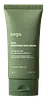 Key Ingredients
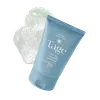
Benefits
Ingredients Side-by-side
Water
Skin ConditioningZinc Oxide
Cosmetic Colorant


Propylheptyl Caprylate
EmollientButylene Glycol
Humectant

Butylene Glycol Dicaprylate/Dicaprate
EmollientButyloctyl Salicylate
Skin Conditioning
Dicaprylyl Ether
Emollient
Dicaprylyl Carbonate
EmollientPolyglycerin-3
Humectant
Polyglyceryl-4 Diisostearate/Polyhydroxystearate/Sebacate
Emulsifying
Phenyl Trimethicone
Skin Conditioning
Disteardimonium Hectorite
StabilisingDiisostearyl Malate
EmollientCentella Asiatica Extract
Cleansing




Plantago Asiatica Leaf/Stem Extract
HumectantPerilla Ocymoides Leaf Extract
TonicTaraxacum Officinale Root Extract
Skin ConditioningAspergillus/Buckwheat Ferment Extract
Antioxidant
Thymus Linearis Leaf Extract
Skin ConditioningPyrus Malus Flower Extract
Skin ConditioningCentella Asiatica Root Extract
Skin Conditioning
Centella Asiatica Leaf Extract
Skin Conditioning
Betula Platyphylla Japonica Juice
Skin Conditioning
Hydrogenated Lecithin
Emulsifying
Polyglyceryl-3 Polydimethylsiloxyethyl Dimethicone
Skin Conditioning
Synthetic Fluorphlogopite
Magnesium Sulfate
Triethoxycaprylylsilane
1,2-Hexanediol
Skin Conditioning
Caprylyl Glycol
Emollient
Glyceryl Caprylate
EmollientEthylhexylglycerin
Skin ConditioningTocopherol
Antioxidant


Ceramide NP
Skin Conditioning
Asiaticoside
Antioxidant
Madecassic Acid
Skin Conditioning
Asiatic Acid
Skin Conditioning
Glycerin
Humectant
Caprylic/Capric Triglyceride
Masking
Polyglyceryl-10 Diisostearate
Emulsifying
Menadione
MaskingSaccharomyces Ferment Filtrate
Humectant
Pentylene Glycol
Skin Conditioning
Madecassoside
Antioxidant
Water, Zinc Oxide, Propylheptyl Caprylate, Butylene Glycol, Butylene Glycol Dicaprylate/Dicaprate, Butyloctyl Salicylate, Dicaprylyl Ether, Dicaprylyl Carbonate, Polyglycerin-3, Polyglyceryl-4 Diisostearate/Polyhydroxystearate/Sebacate, Phenyl Trimethicone, Disteardimonium Hectorite, Diisostearyl Malate, Centella Asiatica Extract, Plantago Asiatica Leaf/Stem Extract, Perilla Ocymoides Leaf Extract, Taraxacum Officinale Root Extract, Aspergillus/Buckwheat Ferment Extract, Thymus Linearis Leaf Extract, Pyrus Malus Flower Extract, Centella Asiatica Root Extract, Centella Asiatica Leaf Extract, Betula Platyphylla Japonica Juice, Hydrogenated Lecithin, Polyglyceryl-3 Polydimethylsiloxyethyl Dimethicone, Synthetic Fluorphlogopite, Magnesium Sulfate, Triethoxycaprylylsilane, 1,2-Hexanediol, Caprylyl Glycol, Glyceryl Caprylate, Ethylhexylglycerin, Tocopherol, Ceramide NP, Asiaticoside, Madecassic Acid, Asiatic Acid, Glycerin, Caprylic/Capric Triglyceride, Polyglyceryl-10 Diisostearate, Menadione, Saccharomyces Ferment Filtrate, Pentylene Glycol, Madecassoside
Melaleuca Alternifolia Leaf Water 50.47%
AntimicrobialWater
Skin ConditioningDibutyl Adipate
EmollientPropanediol
Solvent
Butyloctyl Salicylate
Skin Conditioning
Ethylhexyl Triazone
UV Absorber
Terephthalylidene Dicamphor Sulfonic Acid
UV Absorber
Niacinamide
Smoothing


Tromethamine
Buffering1,2-Hexanediol
Skin Conditioning
Diethylamino Hydroxybenzoyl Hexyl Benzoate
UV Filter
Pentylene Glycol
Skin Conditioning
Polysilicone-15
UV Filter
Acrylates Copolymer
Bis-Ethylhexyloxyphenol Methoxyphenyl Triazine
Skin Conditioning
Polyacrylate Crosspolymer-6
Emulsion StabilisingSodium Polyacryloyldimethyl Taurate
Emulsion StabilisingAcrylates/C10-30 Alkyl Acrylate Crosspolymer
Emulsion StabilisingDibutyl Ethylhexanoyl Glutamide
Skin ConditioningDibutyl Lauroyl Glutamide
Skin ConditioningC30-45 Alkyldimethylsilyl Polypropylsilsesquioxane
Ethylhexylglycerin
Skin ConditioningCentella Asiatica Extract
Cleansing
Microcrystalline Cellulose
AbsorbentAdenosine
Skin Conditioning
Trisodium Ethylenediamine Disuccinate
Sphingomonas Ferment Extract
Skin Conditioning
Cellulose Gum
Emulsion StabilisingArginine
Masking
Tocopherol
Antioxidant
Melaleuca Alternifolia Leaf Water 50.47%, Water, Dibutyl Adipate, Propanediol, Butyloctyl Salicylate, Ethylhexyl Triazone, Terephthalylidene Dicamphor Sulfonic Acid, Niacinamide, Tromethamine, 1,2-Hexanediol, Diethylamino Hydroxybenzoyl Hexyl Benzoate, Pentylene Glycol, Polysilicone-15, Acrylates Copolymer, Bis-Ethylhexyloxyphenol Methoxyphenyl Triazine, Polyacrylate Crosspolymer-6, Sodium Polyacryloyldimethyl Taurate, Acrylates/C10-30 Alkyl Acrylate Crosspolymer, Dibutyl Ethylhexanoyl Glutamide, Dibutyl Lauroyl Glutamide, C30-45 Alkyldimethylsilyl Polypropylsilsesquioxane, Ethylhexylglycerin, Centella Asiatica Extract, Microcrystalline Cellulose, Adenosine, Trisodium Ethylenediamine Disuccinate, Sphingomonas Ferment Extract, Cellulose Gum, Arginine, Tocopherol
Reviews
Ingredients Explained
These ingredients are found in both products.
Ingredients higher up in an ingredient list are typically present in a larger amount.
1,2-Hexanediol is a synthetic liquid and another multi-functional powerhouse.
It is a:
- Humectant, drawing moisture into the skin
- Emollient, helping to soften skin
- Solvent, dispersing and stabilizing formulas
- Preservative booster, enhancing the antimicrobial activity of other preservatives
Butyloctyl Salicylate is a chemical UV filter structurally similar to octisalate. It is a photostabilizer, SPF booster, emollient and solvent. This ingredient helps evenly spread out ingredients.
According to a manufacturer, it is suitable for pairing with micro Titanium Dioxide, Zinc Oxide, and pigments.
Photostabilizers help stabilize UV-filters and prevents them from degrading quickly.
Learn more about Butyloctyl SalicylateCentella Asiatica Extract (Centella) is derived from an herb native to Southeast Asia. It is famous for its anti-inflammatory and soothing properties.
Centella is rich in antioxidants and amino acids, such as Madecassic Acid and Asiaticoside.
Studies show the compounds in centella help with:
The combination of all these properties makes centella effective at soothing, hydrating, and protecting the skin.
Other great components of centella include Vitamin A, vitamin C, several B vitamins, and Asiatic Acid.
Fun fact: Centella has been used as a medicine and in food for many centuries. As a medicine, it is used to treat burns, scratches, and wounds.
Learn more about Centella Asiatica ExtractEthylhexylglycerin is created from glycerin. It is a multitasker ingredient that:
The CIR Expert Panel found minimal skin absorption or sensitization of any kind in a safety assessment. Though this ingredient is considered well-tolerated, a small number of cases of allergic dermatitis have been published since 2002. Just be sure to patch test if you are unsure.
Industry-reported use ranges from 8% in rinse-off products and 2% in leave-on formulations.
Learn more about EthylhexylglycerinPentylene glycol is typically used within a product to thicken it. It also adds a smooth, soft, and moisturizing feel to the product. It is naturally found in plants such as sugar beets.
The hydrophilic trait of Pentylene Glycol makes it a humectant. As a humectant, Pentylene Glycol helps draw moisture from the air to your skin. This can help keep your skin hydrated.
This property also makes Pentylene Glycol a great texture enhancer. It can also help thicken or stabilize a product.
Pentylene Glycol also acts as a mild preservative and helps to keep a product microbe-free.
Some people may experience mild eye and skin irritation from Pentylene Glycol. We always recommend speaking with a professional about using this ingredient in your routine.
Pentylene Glycol has a low molecular weight and is part of the 1,2-glycol family.
Learn more about Pentylene GlycolTocopherol is a fat-soluble antioxidant known as Vitamin E.
You'll find this ingredient in the vast majority of skincare (for good reason). It works to neutralize free radicals, or unstable molecules generated by UV exposure, pollution, and other environmental stressors, before they can cause oxidative damage to your skin cells.
Topically applied tocopherol has been shown to protect against UV damage by ramping up the skin's own natural defense enzymes.
It also acts as a skin conditioning agent; some studies show that regular topical use can improve the skin's water-binding capacity over 2-4 weeks.
This ingredient is especially loved for being a team player. When combined with Vitamin C, the photoprotective effect of both ingredients roughly doubles and the combo also helps reduce UV-induced DNA damage.
This ingredient has some brightening potential but it's more of a prevention ingredient than spot-fader. Cell studies show it can slow down melanin production but it's worth noting that it's not the most powerful brightener out there.
In formulations, it also serves as a stabilizer that helps protect other oxidation-prone ingredients from degrading.
Concentrations usually range from 0.1-1% in most leave-on products.
Learn more about TocopherolWater. It's the most common cosmetic ingredient of all. You'll usually see it at the top of ingredient lists, meaning that it makes up the largest part of the product.
So why is it so popular? Water most often acts as a solvent - this means that it helps dissolve other ingredients into the formulation.
You'll also recognize water as that liquid we all need to stay alive. If you see this, drink a glass of water. Remember to stay hydrated!
Learn more about Water
