
What's inside
What's inside
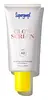 Key Ingredients
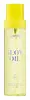
Benefits
Concerns
Ingredients Side-by-side
Butyl Methoxydibenzoylmethane 3%
UV Absorber
Ethylhexyl Salicylate 5%
UV Absorber
Octocrylene 10%
UV Absorber

Water
Skin ConditioningPropanediol
Solvent

Butyloctyl Salicylate
Skin Conditioning
Glycerin
Humectant
C12-15 Alkyl Benzoate
AntimicrobialPolymethylsilsesquioxane

Niacinamide
Smoothing









Glyceryl Stearate Citrate
Emollient
CI 77163
Cosmetic Colorant
Mica
Cosmetic ColorantTitanium Dioxide
Cosmetic Colorant
Lauryl Lactate
EmollientIsododecane
EmollientIsodecyl Neopentanoate
EmollientGlyceryl Stearate
Emollient
Diisopropyl Sebacate
EmollientCetyl Phosphate
EmulsifyingCaprylic/Capric Triglyceride
Masking
Coco-Caprylate
Emollient
Ethylhexyl Hydroxystearate
Emollient
Butylene Glycol
Humectant
Arginine
Masking
Hydroxyacetophenone
Antioxidant
Caprylyl Glycol
Emollient
1,2-Hexanediol
Skin Conditioning
Iron Oxides
Sodium Hyaluronate
Humectant
Chlorphenesin
Antimicrobial
Acrylates/C10-30 Alkyl Acrylate Crosspolymer
Emulsion StabilisingTrisodium Ethylenediamine Disuccinate
Phospholipids
Skin Conditioning
Limonium Gerberi Extract
Skin ProtectingLeuconostoc/Radish Root Ferment Filtrate
Antimicrobial
Theobroma Cacao Seed Extract
Antioxidant
Pantothenic Acid
Skin ConditioningTocopherol
Antioxidant
Helianthus Annuus Seed Oil
Emollient
Ferulic Acid
Antimicrobial
Butyl Methoxydibenzoylmethane 3%, Ethylhexyl Salicylate 5%, Octocrylene 10%, Water, Propanediol, Butyloctyl Salicylate, Glycerin, C12-15 Alkyl Benzoate, Polymethylsilsesquioxane, Niacinamide, Glyceryl Stearate Citrate, CI 77163, Mica, Titanium Dioxide, Lauryl Lactate, Isododecane, Isodecyl Neopentanoate, Glyceryl Stearate, Diisopropyl Sebacate, Cetyl Phosphate, Caprylic/Capric Triglyceride, Coco-Caprylate, Ethylhexyl Hydroxystearate, Butylene Glycol, Arginine, Hydroxyacetophenone, Caprylyl Glycol, 1,2-Hexanediol, Iron Oxides, Sodium Hyaluronate, Chlorphenesin, Acrylates/C10-30 Alkyl Acrylate Crosspolymer, Trisodium Ethylenediamine Disuccinate, Phospholipids, Limonium Gerberi Extract, Leuconostoc/Radish Root Ferment Filtrate, Theobroma Cacao Seed Extract, Pantothenic Acid, Tocopherol, Helianthus Annuus Seed Oil, Ferulic Acid
Butyl Methoxydibenzoylmethane 3%
UV Absorber
Homosalate 10%
Skin Conditioning
Ethylhexyl Salicylate 5%
UV Absorber
Octocrylene 10%
UV Absorber
Caprylic/Capric Triglyceride
Masking
Alcohol
Antimicrobial


Octyldodecanol
Emollient
C12-15 Alkyl Benzoate
AntimicrobialPolyester-8
Skin Conditioning
Polyamide-3
Lauryl Lactate
EmollientIsodecyl Neopentanoate
EmollientDiisopropyl Sebacate
EmollientDiethylhexyl Syringylidenemalonate
Skin ProtectingTocopherol
Antioxidant
Glycine Soja Oil
Emollient
Vitis Vinifera Seed Oil
Emollient
Raphanus Sativus Seed Oil
Emollient
Limnanthes Alba Seed Oil
Skin Conditioning
Helianthus Annuus Seed Oil
Emollient
Cocos Nucifera Oil
Masking
Butyrospermum Parkii Butter
Skin Conditioning
Argania Spinosa Kernel Oil
Emollient
Pentaerythrityl Tetra-Di-T-Butyl Hydroxyhydrocinnamate
Antioxidant
Alaria Esculenta Extract
Skin ProtectingT-Butyl Alcohol
Perfuming
Cucumis Sativus Fruit Extract
Emollient
Denatonium Benzoate
Masking
Citric Acid
Buffering
Butyl Methoxydibenzoylmethane 3%, Homosalate 10%, Ethylhexyl Salicylate 5%, Octocrylene 10%, Caprylic/Capric Triglyceride, Alcohol, Octyldodecanol, C12-15 Alkyl Benzoate, Polyester-8, Polyamide-3, Lauryl Lactate, Isodecyl Neopentanoate, Diisopropyl Sebacate, Diethylhexyl Syringylidenemalonate, Tocopherol, Glycine Soja Oil, Vitis Vinifera Seed Oil, Raphanus Sativus Seed Oil, Limnanthes Alba Seed Oil, Helianthus Annuus Seed Oil, Cocos Nucifera Oil, Butyrospermum Parkii Butter, Argania Spinosa Kernel Oil, Pentaerythrityl Tetra-Di-T-Butyl Hydroxyhydrocinnamate, Alaria Esculenta Extract, T-Butyl Alcohol, Cucumis Sativus Fruit Extract, Denatonium Benzoate, Citric Acid
Reviews
Ingredients Explained
These ingredients are found in both products.
Ingredients higher up in an ingredient list are typically present in a larger amount.
Also known as Avobenzone, this ingredient is a chemical sunscreen filter that provides protection in the UV-A range.
Avobenzone is globally approved and is the most commonly used UV-A filter in the world.
Studies have found that avobenzone becomes ineffective when exposed to UV light (it is not photostable; meaning that it breaks down in sunlight). Because of this, formulations that include avobenzone will usually contain stabilizers such as octocrylene.
However, some modern formulations (looking at you, EU!) are able to stabilize avobenzone by coating the molecules.
Avobenzone does not protect against the UV-B range, so it's important to check that the sunscreen you're using contains other UV filters that do!
The highest concentration of avobenzone permitted is 3% in the US, and 5% in the EU.
Learn more about Butyl MethoxydibenzoylmethaneC12-15 Alkyl Benzoate is made up of Benzoic Acid and long chain alcohols. It has a low molecular weight.
C12-15 Alkyl Benzoate is an emollient and texture enhancer. Due to its solubility, it is often used in sunscreens to help evenly distribute active ingredients.
As an emollient, C12-15 Alkyl Benzoate helps soften and hydrate your skin. Emollients create a film on your skin that traps moisture within.
This ingredient has been reported to cause eye irritation.
Learn more about C12-15 Alkyl BenzoateThis ingredient is a lightweight emollient, solvent, and texture enhancer. It is considered a skin-softener by helping the skin prevent moisture loss.
It helps thicken a product's formula and makes it easier to spread by dissolving clumping compounds.
Caprylic Triglyceride is made by combining glycerin with coconut oil, forming a clear liquid. Though it behaves like an oil, it is not technically one due to its chemical composition. It is very stable, resistant to oxidation, and unlikely to go rancid. In practice, that translates to a long shelf life and a consistently elegant skin feel.
While there is an assumption Caprylic Triglyceride can clog pores due to it being derived from coconut oil, there is no research supporting this. Be sure to patch test if you have concerns.
Fractionated coconut oil and MCT Oil are both listed as Caprylic/Capric Triglyceride according to INCI. This is because INCI names are based on the ingredient’s final chemical composition and not its marketing name or source.
Learn more about Caprylic/Capric TriglycerideWe don't have a description for Diisopropyl Sebacate yet.
Ethylhexyl Salicylate is an organic compound used to block UV rays. It primarily absorbs UVB rays but offers a small amount of UVA protection as well.
Commonly found in sunscreens, Ethylhexyl Salicylate is created from salicylic acid and 2-ethylhexanol. You might know salicylic acid as the effective acne fighter ingredient and BHA.
The ethylhexanol in this ingredient is a fatty alcohol and helps hydrate your skin, similar to oils. It is an emollient, which means it traps moisture into the skin.
According to manufacturers, Ethylhexyl Salicylate absorbs UV wavelength of 295-315 nm, with a peak absorption at 307-310 nm. UVA rays are linked to long term skin damage, such as hyperpigmentation. UVB rays emit more energy and are capable of damaging our DNA. UVB rays cause sunburn.
Learn more about Ethylhexyl SalicylateHelianthus Annuus Seed Oil is a plant oil derived from the seeds of a sunflower.
It is rich in fatty acids, primarily linoleic acid and oleic acid. This gives it emollient and skin conditioning properties.
The reason this ingredient is so effective is because it forms a thin film on the skin that reduces transepidermal water loss (TEWL) while supplying linoleic acid to the stratum corneum to improve barrier strength.
The high linoleic acid content is particularly noteworthy for acne-prone skin.
Research suggests that acne-prone skin tends to be deficient in linoleic acid in sebum. Topical application may help replenish this to support a healthier follicular environment and less comedone-promoting sebum.
One randomized study found sunflower seed oil preserved skin barrier integrity in adult volunteers with and without atopic dermatitis (outperforming olive oil).
This ingredient is well-studied, gentle, and an effective emollient suitable for most skin types.
On fungal acne: This ingredient may not be Fungal acne (Malassezia folliculitis) safe. This is because it contains fatty acids with carbon chain lengths in the C11-C24 range.
Learn more about Helianthus Annuus Seed OilWe don't have a description for Isodecyl Neopentanoate yet.
Lauryl Lactate, AKA koplactate, is an ester of lauryl alcohol and lactic acid. It is considered a mild AHA derivative.
This ingredient has emollient, skin conditioning, and very gentle exfoliating properties. According to a manufacturer, it can act as a penetration enhancer for active ingredients.
Octocrylene protects skin from sun damage. It absorbs UV-B with peak absorption of 304 nm. It is a common sunscreen ingredient and often paired with avobenzone, a UVA filter. This is because octocrylene stabilizes other sunscreen ingredients by protecting them from degradation when exposed to sunlight. Octocrylene is a photostable ingredient and loses about 10% of SPF in 95 minutes.
Octocrylene also acts as an emollient, meaning it helps skin retain moisture and softens skin. It is oil-soluble and hydrophobic, enhancing water-resistant properties in a product.
Those who are using ketoprofen, a topical anti-inflammatory drug, may experience an allergic reaction when using octocrylene. It is best to speak with a healthcare professional about using sunscreens with octocrylene.
The EU allows a maximum of these concentrations:
Learn more about OctocryleneTocopherol is a fat-soluble antioxidant known as Vitamin E.
You'll find this ingredient in the vast majority of skincare (for good reason). It works to neutralize free radicals, or unstable molecules generated by UV exposure, pollution, and other environmental stressors, before they can cause oxidative damage to your skin cells.
Topically applied tocopherol has been shown to protect against UV damage by ramping up the skin's own natural defense enzymes.
It also acts as a skin conditioning agent; some studies show that regular topical use can improve the skin's water-binding capacity over 2-4 weeks.
This ingredient is especially loved for being a team player. When combined with Vitamin C, the photoprotective effect of both ingredients roughly doubles and the combo also helps reduce UV-induced DNA damage.
This ingredient has some brightening potential but it's more of a prevention ingredient than spot-fader. Cell studies show it can slow down melanin production but it's worth noting that it's not the most powerful brightener out there.
In formulations, it also serves as a stabilizer that helps protect other oxidation-prone ingredients from degrading.
Concentrations usually range from 0.1-1% in most leave-on products.
Learn more about Tocopherol
