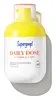
This chemical sunscreen covers most of the UV range, lighter on the deep UVA that drives aging.
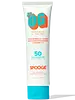
This hybrid sunscreen covers the full UV range and blocks ~98% of UVB at SPF 50.

What's inside
What's inside
 Key Ingredients
Benefits
Concerns
Ingredients Side-by-side
Butyl Methoxydibenzoylmethane 3%
UV Absorber
Homosalate 9%
Skin Conditioning
Ethylhexyl Salicylate 5%
UV Absorber
Octocrylene 6%
UV Absorber

Water
Skin Conditioning3-O-Ethyl Ascorbic Acid
Skin Conditioning





C13-15 Alkane
SolventGlycerin
Humectant

Polyglyceryl-6 Polyricinoleate
Emulsifying

Polyglyceryl-6 Polyhydroxystearate
Emulsifying
Octyldodecyl Citrate Crosspolymer
HumectantNiacinamide
Smoothing





Phenethyl Benzoate
Emollient

Polyester-25
Skin Protecting
Silica
Abrasive
Terminalia Ferdinandiana Fruit Extract
Antioxidant
Rosa Centifolia Flower Extract
Astringent
Jasminum Officinale Flower Extract
Masking
Bellis Perennis Flower Extract
Skin ConditioningHydrolyzed Sodium Hyaluronate
Skin Conditioning
Sodium Hyaluronate
Humectant
Pseudoalteromonas Ferment Extract
Humectant
Glyceryl Caprylate
EmollientDisteardimonium Hectorite
StabilisingXanthan Gum
EmulsifyingPolyglyceryl-2 Isostearate
Emulsifying
Magnesium Sulfate
Sodium Chloride
MaskingCitric Acid
Buffering
Trisodium Ethylenediamine Disuccinate
ChelatingSodium Citrate
BufferingPentylene Glycol
Skin Conditioning
Propanediol
Solvent
Caprylyl Glycol
Emollient
Ethylhexylglycerin
Skin ConditioningChlorphenesin
Antimicrobial
Butyl Methoxydibenzoylmethane 3%, Homosalate 9%, Ethylhexyl Salicylate 5%, Octocrylene 6%, Water, 3-O-Ethyl Ascorbic Acid, C13-15 Alkane, Glycerin, Polyglyceryl-6 Polyricinoleate, Polyglyceryl-6 Polyhydroxystearate, Octyldodecyl Citrate Crosspolymer, Niacinamide, Phenethyl Benzoate, Polyester-25, Silica, Terminalia Ferdinandiana Fruit Extract, Rosa Centifolia Flower Extract, Jasminum Officinale Flower Extract, Bellis Perennis Flower Extract, Hydrolyzed Sodium Hyaluronate, Sodium Hyaluronate, Pseudoalteromonas Ferment Extract, Glyceryl Caprylate, Disteardimonium Hectorite, Xanthan Gum, Polyglyceryl-2 Isostearate, Magnesium Sulfate, Sodium Chloride, Citric Acid, Trisodium Ethylenediamine Disuccinate, Sodium Citrate, Pentylene Glycol, Propanediol, Caprylyl Glycol, Ethylhexylglycerin, Chlorphenesin
Zinc Oxide 22%
Cosmetic Colorant
Aloe Barbadensis Leaf Juice
Skin Conditioning
Sodium Hyaluronate
Humectant
3-O-Ethyl Ascorbic Acid
Skin Conditioning
Bisabolol
Antioxidant
Tocopherol
Antioxidant
Lactobacillus Ferment
Skin Conditioning
Inulin
Skin Conditioning
Hydrolyzed Jojoba Esters
Skin Conditioning
Water
Skin ConditioningGlycerin
Humectant
Squalane
Emollient
Simmondsia Chinensis Seed Oil
Emollient
Lysolecithin
EmulsifyingSclerotium Gum
Emulsion StabilisingXanthan Gum
EmulsifyingPullulan
Glycolipids
Skin ConditioningIsoamyl Laurate
Emollient
Butyloctyl Salicylate
Skin Conditioning
Caprylic/Capric Triglyceride
Masking
Polyester-8
Skin Conditioning
Cetearyl Alcohol
Emollient

Coco-Glucoside
Cleansing
Glyceryl Stearate
Emollient
Sorbitan Sesquioleate
Emulsifying
Polyhydroxystearic Acid
Emulsifying
Sodium Stearoyl Glutamate
CleansingCitric Acid
Buffering
Dimethicone
Emollient
Glyceryl Caprylate
EmollientCaprylhydroxamic Acid
ChelatingParfum
Masking
Zinc Oxide 22%, Aloe Barbadensis Leaf Juice, Sodium Hyaluronate, 3-O-Ethyl Ascorbic Acid, Bisabolol, Tocopherol, Lactobacillus Ferment, Inulin, Hydrolyzed Jojoba Esters, Water, Glycerin, Squalane, Simmondsia Chinensis Seed Oil, Lysolecithin, Sclerotium Gum, Xanthan Gum, Pullulan, Glycolipids, Isoamyl Laurate, Butyloctyl Salicylate, Caprylic/Capric Triglyceride, Polyester-8, Cetearyl Alcohol, Coco-Glucoside, Glyceryl Stearate, Sorbitan Sesquioleate, Polyhydroxystearic Acid, Sodium Stearoyl Glutamate, Citric Acid, Dimethicone, Glyceryl Caprylate, Caprylhydroxamic Acid, Parfum
Reviews
Ingredients Explained
These ingredients are found in both products.
Ingredients higher up in an ingredient list are typically present in a larger amount.
3-O-Ethyl Ascorbic Acid is one of the most popular "stable" vitamin C derivatives in skincare.
Plain ascorbic acid is fantastic but notoriously fragile; it browns, oxidizes, and loses potency fast. So attaching an ethyl group to the third carbon of the molecule gives it some cool perks:
In a formula, it does the 3 classic vitamin C jobs: it acts as an antioxidant, helps brighten skin tone by inhibiting tyrosinase, and supports collagen.
The evidence is reasonably solid for a cosmetic ingredient; Liao and colleagues (2018) showed it's significantly more stable than ascorbic acid while still being effective.
A 2021 study by Zerbinati and colleagues tested a serum with 30% 3-O-ethyl-l-ascorbic acid and 1% lactic acid significantly increased collagen production, reduced UVB-induced DNA damage, and decreased melanin on a reconstructed pigmented skin model.
Typical real world usage sits around 0.5-5% (and 1-2% is common for daily serums).
Amounts up to 30% have been shown to be non-irritating on human skin samples, but two isolated cases reported allergic contact dermatitis so a patch test is sensible if you have reactive skin.
Learn more about 3-O-Ethyl Ascorbic AcidCitric Acid is an alpha hydroxy acid (AHA) naturally found in citrus fruits like oranges, lemons, and limes.
Like other AHAs, citric acid can exfoliate skin by breaking down the bonds that hold dead skin cells together. This helps reveal smoother and brighter skin underneath.
However, this exfoliating effect only happens at high concentrations (20%) which can be hard to find in cosmetic products.
Due to this, citric acid is usually included in small amounts as a pH adjuster. This helps keep products slightly more acidic and compatible with skin's natural pH.
In skincare formulas, citric acid can:
While it can provide some skin benefits, research shows lactic acid and glycolic acid are generally more effective and less irritating exfoliants.
Most citric acid used in skincare today is made by fermenting sugars (usually from molasses). This synthetic version is identical to the natural citrus form but easier to stabilize and use in formulations.
Rosacea skin has a lower threshold for acids generally, with 62.5% of rosacea subjects in one study reacting to lactic acid in a sting test. This is why we mark citric acid as a potential rosacea trigger.
However, this ingredient shows up as a pH adjuster or chelator at roughly 0.1-1% in many products. These low levels are unlikely to be an issue for rosacea skin and becomes a potential trigger at exfoliating concentrations (20%). Because everybody's skin is unique, we recommend a patch test if you are unsure.
Learn more about Citric AcidGlycerin (or glycerol) is a compound naturally found in your skin. It's a powerhouse humectant that pulls water into the stratum corneum.
Topically, glycerin does several things at once:
Your skin makes glycerin on its own (mostly from sebaceous oil breakdown) and shuttles it to your outermost layer of skin, or your epidermis, via aquaporin-3.
Aquaporin-3 is a transporter that is essential for normal skin hydration, elasticity, and repair. Interestingly, mice lacking in AQP3 have dry and less elastic skin that can be fully corrected with glycerin.
This ingredient is non-irritating, plays well with almost every ingredient, and works across all skin types. Typical use is anywhere between 3-10% but can go up to 79% in some leave-on products.
Just know very high concentrations (>40%) can feel tacky in low humidity.
Glycerin is the name for this ingredient in American English. British English uses Glycerol/Glycerine.
Learn more about GlycerinGlyceryl Caprylate comes from glycerin and caprylic acid. It is an emollient, co-emulsifier, and preservative booster.
Its short C8 fatty acid chain makes it behave differently from its longer-chain emollient cousins like Glyceryl Stearate. It feels more lightweight, fast-absorbing, and silky instead of rich and waxy.
As a co-emulsifier, its "head" and "tail" sit at the oil-water interface. But overall, the short C8 tail and not being water soluble means it doesn't really have the muscle to emulsify a formula on its own. That's why you'll often see it paired with a primary emulsifier like Cetearyl Glucoside.
Interestingly, Glyceryl Caprylate acts as a preservative booster. This is because its fatty-acid backbone disrupts microbial lipid membranes. It shows excellent activity against bacteria and yeast but is weaker against mold.
Typical concentrations range from 0.5-1% and this ingredient is generally non-irritating.
Because this ingredient has a C8 fatty acid chain, it is outside the range that the Malassezia yeast metabolizes (making it fungal acne safe).
Learn more about Glyceryl CaprylateSodium Hyaluronate is the salt form of hyaluronic acid. It is a long sugar chain that is naturally found in your skin, joints, and connective tissue that maintains hydration and elasticity.
In skincare, it works as a humectant. It pulls water from the environment and deeper layers of skin and binds it to the surface.
Interestingly, the size of the molecule affects its behavior:
Some clinical evidence links low molecular weight versions to improved wrinkle depth, elasticity, anti-inflammatory effects, and barrier repair.
Many serums use a blend of both weights so you can get surface hydration plus longer-lasting and deeper effects.
You'll typically see concentrations between 0.1-2% for this ingredient.
Learn more about Sodium HyaluronateWater. It's the most common cosmetic ingredient of all. You'll usually see it at the top of ingredient lists, meaning that it makes up the largest part of the product.
So why is it so popular? Water most often acts as a solvent - this means that it helps dissolve other ingredients into the formulation.
You'll also recognize water as that liquid we all need to stay alive. If you see this, drink a glass of water. Remember to stay hydrated!
Learn more about WaterXanthan gum is used as a stabilizer and thickener within cosmetic products. It helps give products a sticky, thick feeling - preventing them from being too runny.
On the technical side of things, xanthan gum is a polysaccharide - a combination consisting of multiple sugar molecules bonded together.
Xanthan gum is a pretty common and great ingredient. It is a natural, non-toxic, non-irritating ingredient that is also commonly used in food products.
Learn more about Xanthan Gum


