

What's inside
What's inside
 Key Ingredients
Benefits
Concerns
Ingredients Side-by-side
Butyl Methoxydibenzoylmethane 3%
UV Absorber


Homosalate 9%
Skin Conditioning
Ethylhexyl Salicylate 5%
UV Absorber
Octocrylene 6%
UV Absorber
Water
Skin Conditioning3-O-Ethyl Ascorbic Acid
Skin Conditioning



C13-15 Alkane
SolventGlycerin
Humectant



Polyglyceryl-6 Polyricinoleate
Emulsifying
Polyglyceryl-6 Polyhydroxystearate
Emulsifying
Octyldodecyl Citrate Crosspolymer
HumectantNiacinamide
Smoothing





Phenethyl Benzoate
Emollient
Polyester-25
Skin Protecting
Silica
Abrasive
Terminalia Ferdinandiana Fruit Extract
Antioxidant
Rosa Centifolia Flower Extract
Astringent
Jasminum Officinale Flower Extract
Masking
Bellis Perennis Flower Extract
Skin ConditioningHydrolyzed Sodium Hyaluronate
Skin Conditioning
Sodium Hyaluronate
Humectant
Pseudoalteromonas Ferment Extract
Humectant
Glyceryl Caprylate
EmollientDisteardimonium Hectorite
StabilisingXanthan Gum
EmulsifyingPolyglyceryl-2 Isostearate
Emulsifying
Magnesium Sulfate
Sodium Chloride
Masking

Citric Acid
Buffering
Trisodium Ethylenediamine Disuccinate
Sodium Citrate
BufferingPentylene Glycol
Skin ConditioningPropanediol
Solvent
Caprylyl Glycol
Emollient
Ethylhexylglycerin
Skin ConditioningChlorphenesin
Antimicrobial
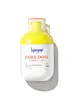
Butyl Methoxydibenzoylmethane 3%, Homosalate 9%, Ethylhexyl Salicylate 5%, Octocrylene 6%, Water, 3-O-Ethyl Ascorbic Acid, C13-15 Alkane, Glycerin, Polyglyceryl-6 Polyricinoleate, Polyglyceryl-6 Polyhydroxystearate, Octyldodecyl Citrate Crosspolymer, Niacinamide, Phenethyl Benzoate, Polyester-25, Silica, Terminalia Ferdinandiana Fruit Extract, Rosa Centifolia Flower Extract, Jasminum Officinale Flower Extract, Bellis Perennis Flower Extract, Hydrolyzed Sodium Hyaluronate, Sodium Hyaluronate, Pseudoalteromonas Ferment Extract, Glyceryl Caprylate, Disteardimonium Hectorite, Xanthan Gum, Polyglyceryl-2 Isostearate, Magnesium Sulfate, Sodium Chloride, Citric Acid, Trisodium Ethylenediamine Disuccinate, Sodium Citrate, Pentylene Glycol, Propanediol, Caprylyl Glycol, Ethylhexylglycerin, Chlorphenesin
Water
Skin ConditioningC12-15 Alkyl Benzoate
AntimicrobialTitanium Dioxide
Cosmetic Colorant
Propanediol
Solvent
Butylene Glycol
Humectant
Acrylates Copolymer
Niacinamide
Smoothing
Cetyl Ethylhexanoate
Emollient1,2-Hexanediol
Skin Conditioning
Aluminum Stearate
Cosmetic ColorantPolyhydroxystearic Acid
Emulsifying
Pentylene Glycol
Skin ConditioningPolymethylsilsesquioxane

Caprylic/Capric Triglyceride
Masking
Pinus Pinaster Bark Extract
Antioxidant
Ceramide NP
Skin Conditioning
Olea Europaea Fruit Oil
Masking
Ficus Carica Fruit Extract
Humectant
Centella Asiatica Extract
Cleansing
Lactobacillus Ferment Lysate
Skin Conditioning
Sodium Hyaluronate
Humectant
Silica
Abrasive
Alumina
Abrasive
Glycerin
Humectant
Hydrogenated Lecithin
Emulsifying
Stearic Acid
Cleansing
Hydroxypropyl Methylcellulose Stearoxy Ether
Sodium Stearoyl Glutamate
CleansingPolyacrylate Crosspolymer-6
Emulsion StabilisingTocopherol
Antioxidant
Astaxanthin
Skin Conditioning
Hyaluronic Acid
Humectant
Sodium Hyaluronate Crosspolymer
Humectant
Hydrolyzed Hyaluronic Acid
Humectant
Ascorbyl Propyl Hyaluronate
Skin Conditioning
Hydroxypropyltrimonium Hyaluronate
Adenosine
Skin Conditioning
Ammonium Acryloyldimethyltaurate/Vp Copolymer
Hydrolyzed Sodium Hyaluronate
Skin Conditioning
Sodium Acetylated Hyaluronate
Humectant
Xanthan Gum
EmulsifyingT-Butyl Alcohol
Perfuming
Ethylhexylglycerin
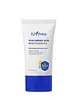
Skin ConditioningWater, C12-15 Alkyl Benzoate, Titanium Dioxide, Propanediol, Butylene Glycol, Acrylates Copolymer, Niacinamide, Cetyl Ethylhexanoate, 1,2-Hexanediol, Aluminum Stearate, Polyhydroxystearic Acid, Pentylene Glycol, Polymethylsilsesquioxane, Caprylic/Capric Triglyceride, Pinus Pinaster Bark Extract, Ceramide NP, Olea Europaea Fruit Oil, Ficus Carica Fruit Extract, Centella Asiatica Extract, Lactobacillus Ferment Lysate, Sodium Hyaluronate, Silica, Alumina, Glycerin, Hydrogenated Lecithin, Stearic Acid, Hydroxypropyl Methylcellulose Stearoxy Ether, Sodium Stearoyl Glutamate, Polyacrylate Crosspolymer-6, Tocopherol, Astaxanthin, Hyaluronic Acid, Sodium Hyaluronate Crosspolymer, Hydrolyzed Hyaluronic Acid, Ascorbyl Propyl Hyaluronate, Hydroxypropyltrimonium Hyaluronate, Adenosine, Ammonium Acryloyldimethyltaurate/Vp Copolymer, Hydrolyzed Sodium Hyaluronate, Sodium Acetylated Hyaluronate, Xanthan Gum, T-Butyl Alcohol, Ethylhexylglycerin
Reviews
Ingredients Explained
These ingredients are found in both products.
Ingredients higher up in an ingredient list are typically present in a larger amount.
Ethylhexylglycerin (we can't pronounce this either) is commonly used as a preservative and skin softener. It is derived from glyceryl.
You might see Ethylhexylglycerin often paired with other preservatives such as phenoxyethanol. Ethylhexylglycerin has been found to increase the effectiveness of these other preservatives.
Glycerin is already naturally found in your skin. It helps moisturize and protect your skin.
A study from 2016 found glycerin to be more effective as a humectant than AHAs and hyaluronic acid.
As a humectant, it helps the skin stay hydrated by pulling moisture to your skin. The low molecular weight of glycerin allows it to pull moisture into the deeper layers of your skin.
Hydrated skin improves your skin barrier; Your skin barrier helps protect against irritants and bacteria.
Glycerin has also been found to have antimicrobial and antiviral properties. Due to these properties, glycerin is often used in wound and burn treatments.
In cosmetics, glycerin is usually derived from plants such as soybean or palm. However, it can also be sourced from animals, such as tallow or animal fat.
This ingredient is organic, colorless, odorless, and non-toxic.
Glycerin is the name for this ingredient in American English. British English uses Glycerol/Glycerine.
Learn more about GlycerinThis ingredient is created by putting sodium hyaluronate through hydrolysis.
You might know this as 'mini' or 'ultra low-molecular weight' hyaluronic acid. The small molecule size means it is able to travel deeper in the skin.
According to studies, low molecular-weight hyaluronic acid can:
One study from 2011 found ultra-low weight HA to show pro-inflammatory properties. Another study from 2022 found it to downregulate UV-B induced inflammation.
Hydrolysis is a process of changing a molecule using water or enzymes.
This ingredient is water-soluble.
Learn more about Hydrolyzed Sodium HyaluronateNiacinamide is a multitasking form of vitamin B3 that strengthens the skin barrier, reduces pores and dark spots, regulates oil, and improves signs of aging.
And the best part? It's gentle and well-tolerated by most skin types, including sensitive and reactive skin.
You might have heard of "niacin flush", or the reddening of skin that causes itchiness. Niacinamide has not been found to cause this.
In very rare cases, some individuals may not be able to tolerate niacinamide at all or experience an allergic reaction to it.
If you are experiencing flaking, irritation, and dryness with this ingredient, be sure to double check all your products as this ingredient can be found in all categories of skincare.
When incorporating niacinamide into your routine, look out for concentration amounts. Typically, 5% niacinamide provides benefits such as fading dark spots. However, if you have sensitive skin, it is better to begin with a smaller concentration.
When you apply niacinamide to your skin, your body converts it into nicotinamide adenine dinucleotide (NAD). NAD is an essential coenzyme that is already found in your cells as "fuel" and powers countless biological processes.
In your skin, NAD helps repair cell damage, produce new healthy cells, support collagen production, strengthen the skin barrier, and fight environmental stressors (like UV and pollution).
Our natural NAD levels start to decline with age, leading to slower skin repair, visible aging, and a weaker skin barrier. By providing your skin niacinamide, you're recharging your skin's NAD levels. This leads to stronger, healthier, and younger looking skin.
Another name for vitamin B3 is nicotinamide. This vitamin is water-soluble and our bodies don't store it. We obtain Vitamin B3 from either food or skincare. Meat, fish, wheat, yeast, and leafy greens contain vitamin B3.
The type of niacinamide used in skincare is synthetically created.
Learn more about NiacinamidePentylene glycol is typically used within a product to thicken it. It also adds a smooth, soft, and moisturizing feel to the product. It is naturally found in plants such as sugar beets.
The hydrophilic trait of Pentylene Glycol makes it a humectant. As a humectant, Pentylene Glycol helps draw moisture from the air to your skin. This can help keep your skin hydrated.
This property also makes Pentylene Glycol a great texture enhancer. It can also help thicken or stabilize a product.
Pentylene Glycol also acts as a mild preservative and helps to keep a product microbe-free.
Some people may experience mild eye and skin irritation from Pentylene Glycol. We always recommend speaking with a professional about using this ingredient in your routine.
Pentylene Glycol has a low molecular weight and is part of the 1,2-glycol family.
Learn more about Pentylene GlycolPropanediol is an all-star ingredient. It softens, hydrates, and smooths the skin.
It’s often used to:
Propanediol is not likely to cause sensitivity and considered safe to use. It is derived from corn or petroleum with a clear color and no scent.
Learn more about PropanediolSilica, also known as silicon dioxide, is a naturally occurring mineral. It is used as a fine, spherical, and porous powder in cosmetics.
Though it has exfoliant properties, the function of silica varies depending on the product.
The unique structure of silica enhances the spreadability and adds smoothness, making it a great texture enhancer.
It is also used as an active carrier, emulsifier, and mattifier due to its ability to absorb excess oil.
In some products, tiny microneedles called spicules are made from silica or hydrolyzed sponge. When you rub them in, they lightly polish away dead skin layers and enhance the penetration of active ingredients.
Learn more about SilicaSodium Hyaluronate is hyaluronic acid's salt form. It is commonly derived from the sodium salt of hyaluronic acid.
Like hyaluronic acid, it is great at holding water and acts as a humectant. This makes it a great skin hydrating ingredient.
Sodium Hyaluronate is naturally occurring in our bodies and is mostly found in eye fluid and joints.
These are some other common types of Hyaluronic Acid:
Learn more about Sodium HyaluronateWater. It's the most common cosmetic ingredient of all. You'll usually see it at the top of ingredient lists, meaning that it makes up the largest part of the product.
So why is it so popular? Water most often acts as a solvent - this means that it helps dissolve other ingredients into the formulation.
You'll also recognize water as that liquid we all need to stay alive. If you see this, drink a glass of water. Stay hydrated!
Learn more about WaterXanthan gum is used as a stabilizer and thickener within cosmetic products. It helps give products a sticky, thick feeling - preventing them from being too runny.
On the technical side of things, xanthan gum is a polysaccharide - a combination consisting of multiple sugar molecules bonded together.
Xanthan gum is a pretty common and great ingredient. It is a natural, non-toxic, non-irritating ingredient that is also commonly used in food products.
Learn more about Xanthan Gum
