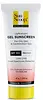
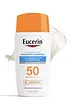
Sunscoop Lightweight Gel Sunscreen For Oily & Combination Skin SPF 50+ Versus Eucerin Advanced Hydration Ultra-Light Fluid SPF 50 Face Sunscreen
This chemical sunscreen covers the full UV range and blocks ~98% of UVB at SPF 50.
This chemical sunscreen covers most of the UV range, lighter on the deep UVA that drives aging.


What's inside
What's inside
 Key Ingredients
Benefits
Concerns
Ingredients Side-by-side
Oryza Sativa Bran Water
Masking
Dibutyl Adipate
EmollientCaprylyl Methicone
Skin Conditioning
Diethylamino Hydroxybenzoyl Hexyl Benzoate
UV Filter
Ethylhexyl Triazone
UV Absorber
Sargassum Fluitans / Natans Extract
Butyloctyl Salicylate
Skin Conditioning
Bis-Ethylhexyloxyphenol Methoxyphenyl Triazine
UV Absorber
Dimethicone
Emollient
Microcrystalline Cellulose
AbsorbentNiacinamide
Smoothing










Silica
Abrasive
Ceramide NP
Skin Conditioning

Ceramide As
Skin Conditioning
Ceramide EOP
Skin Conditioning
Ceramide Ns
Skin Conditioning
Ceramide Ng
Skin Conditioning
Methylene Bis-Benzotriazolyl Tetramethylbutylphenol
UV Filter
Hydroxyethyl Acrylate/Sodium Acryloyldimethyl Taurate Copolymer
Emulsion StabilisingAmmonium Acryloyldimethyltaurate/Beheneth-25 Methacrylate Crosspolymer
Emulsion StabilisingCucumis Sativus Fruit Extract
Emollient
Sodium Polyacrylate
Absorbent
Vp/Acrylates/Lauryl Methacrylate Copolymer
Xanthan Gum
EmulsifyingDecyl Glucoside
Cleansing
Tocopheryl Acetate
Antioxidant

Pentylene Glycol
Skin Conditioning
Propylene Glycol
Humectant

Propanediol
Solvent
1,2-Hexanediol
Skin Conditioning
Hexyldecanol
Emollient
Hydroxypropyl Cyclodextrin
MaskingPhenoxyethanol
Preservative
Sodium Gluconate
ChelatingOryza Sativa Bran Water, Dibutyl Adipate, Caprylyl Methicone, Diethylamino Hydroxybenzoyl Hexyl Benzoate, Ethylhexyl Triazone, Sargassum Fluitans / Natans Extract, Butyloctyl Salicylate, Bis-Ethylhexyloxyphenol Methoxyphenyl Triazine, Dimethicone, Microcrystalline Cellulose, Niacinamide, Silica, Ceramide NP, Ceramide As, Ceramide EOP, Ceramide Ns, Ceramide Ng, Methylene Bis-Benzotriazolyl Tetramethylbutylphenol, Hydroxyethyl Acrylate/Sodium Acryloyldimethyl Taurate Copolymer, Ammonium Acryloyldimethyltaurate/Beheneth-25 Methacrylate Crosspolymer, Cucumis Sativus Fruit Extract, Sodium Polyacrylate, Vp/Acrylates/Lauryl Methacrylate Copolymer, Xanthan Gum, Decyl Glucoside, Tocopheryl Acetate, Pentylene Glycol, Propylene Glycol, Propanediol, 1,2-Hexanediol, Hexyldecanol, Hydroxypropyl Cyclodextrin, Phenoxyethanol, Sodium Gluconate
Butyl Methoxydibenzoylmethane 3%
UV Absorber
Homosalate 10%
Skin Conditioning
Ethylhexyl Salicylate 5%
UV Absorber
Octocrylene 10%
UV Absorber
Water
Skin ConditioningAlcohol Denat.
Antimicrobial

C12-15 Alkyl Benzoate
AntimicrobialDibutyl Adipate
EmollientPolyglyceryl-6 Stearate
Emollient
Glycerin
Humectant
Silica
Abrasive
Diethylhexyl Syringylidenemalonate
Skin Protecting
Silica Dimethyl Silylate
EmollientTapioca Starch
Glycyrrhetinic Acid
Skin Conditioning
Glycyrrhiza Inflata Root Extract
Skin Conditioning
Sodium Ascorbyl Phosphate
Antioxidant
Tocopherol
Antioxidant
Hydroxyacetophenone
Antioxidant
Copernicia Cerifera Wax
Hydroxypropyl Methylcellulose
Emulsion StabilisingCetearyl Alcohol
Emollient

Glyceryl Stearate
Emollient
Phenoxyethanol
Preservative
Polyglyceryl-6 Behenate
Emulsion Stabilising
Disodium EDTA
ChelatingSodium Hyaluronate
Humectant
Xanthan Gum
EmulsifyingPotassium Hydroxide
BufferingButyl Methoxydibenzoylmethane 3%, Homosalate 10%, Ethylhexyl Salicylate 5%, Octocrylene 10%, Water, Alcohol Denat., C12-15 Alkyl Benzoate, Dibutyl Adipate, Polyglyceryl-6 Stearate, Glycerin, Silica, Diethylhexyl Syringylidenemalonate, Silica Dimethyl Silylate, Tapioca Starch, Glycyrrhetinic Acid, Glycyrrhiza Inflata Root Extract, Sodium Ascorbyl Phosphate, Tocopherol, Hydroxyacetophenone, Copernicia Cerifera Wax, Hydroxypropyl Methylcellulose, Cetearyl Alcohol, Glyceryl Stearate, Phenoxyethanol, Polyglyceryl-6 Behenate, Disodium EDTA, Sodium Hyaluronate, Xanthan Gum, Potassium Hydroxide
Ingredients Explained
These ingredients are found in both products.
Ingredients higher up in an ingredient list are typically present in a larger amount.
Dibutyl Adipate is a lightweight, oil-soluble ester that acts as an emollient and solvent. It helps products spread more easily and leaves a soft, silky, dry-touch finish without being greasy.
You'll likely see this ingredient in sunscreens because it does a nice job dissolving UV filters and keeping them evenly distributed.
This ingredient has been found to be safe as used in cosmetics, wasn't a skin or eye irritant in clinical patch testing, and wasn't phototoxic.
In a clinical comedogenicity test, this ingredient tested negative so it isn't likely to clog pores.
Typical use levels are about 5-8% for sunscreens + nail products, but can range from 0.005%-8% depending on the product.
Learn more about Dibutyl AdipatePhenoxyethanol is one of the most widely used preservatives in skincare (and for good reason!).
It has a large spectrum of antimicrobial activity and especially effective bacteria, yeast, and mold while only having a weak effect on your skin's natural microbiome.
On a cellular level, it disrupts the cell membranes of microbes by poking holes that make the cell leak. This shuts down the chemical reactions the microbe needs to make energy so it can no longer survive.
Another perk of this ingredient is that it stays functional across a wide pH range (3-10).
You'll often see it paired with boosters like Ethylhexylglycerin; one study showed that a 1:9 ratio of Ethylhexylglycerin to Phenoxyethanol damages bacterial membranes as effectively as doubling the Phenoxyethanol concentration on its own.
Typical use concentrations range from 0.3-1% depending on the formula, and this ingredient is capped at 1% int the EU.
Safety-wise, the fear mongering does not hold up to the evidence. The EU's Scientific Committee on Consumer Safety and FDA consider it safe as a preservative at up to 1%, including for children of all ages.
Adverse systemic effects only showed up in animal studies at exposures roughly 200x higher than what people get from cosmetics. And despite its very widespread use, this ingredient is a rare sensitizer and allergic reactions are uncommon.
Learn more about PhenoxyethanolSilica, also known as silicon dioxide, is a naturally occurring mineral. It is used as a fine, spherical, and porous powder in cosmetics.
Though it has exfoliant properties, the function of silica varies depending on the product.
The unique structure of silica enhances the spreadability and adds smoothness, making it a great texture enhancer.
It is also used as an active carrier, emulsifier, and mattifier due to its ability to absorb excess oil.
In some products, tiny microneedles called spicules are made from silica or hydrolyzed sponge. When you rub them in, they lightly polish away dead skin layers and enhance the penetration of active ingredients.
Learn more about SilicaXanthan gum is used as a stabilizer and thickener within cosmetic products. It helps give products a sticky, thick feeling - preventing them from being too runny.
On the technical side of things, xanthan gum is a polysaccharide - a combination consisting of multiple sugar molecules bonded together.
Xanthan gum is a pretty common and great ingredient. It is a natural, non-toxic, non-irritating ingredient that is also commonly used in food products.
Learn more about Xanthan Gum

