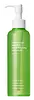
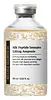
Sungboon Editor Green Tomato Deep Pore Double Cleansing Ampoule Oil Versus Sungboon Editor Silk Peptide Intensive Lifting Ampoule
This oil-based makeup remover is made to dissolve makeup, sunscreen, and daily buildup.
This anti-aging serum is formulated around Niacinamide and Adenosine to soften the look of wrinkles.

What's inside
What's inside
 Key Ingredients
Benefits
Concerns
No concerns
Ingredients Side-by-side
Ethylhexyl Palmitate
Emollient




Isopropyl Myristate
Emollient
Sorbeth-30 Tetraoleate
Emulsifying
C12-14 Alketh-12
EmulsifyingSolanum Lycopersicum Fruit Extract
Antioxidant
Melia Azadirachta Leaf Extract
Skin ConditioningMelia Azadirachta Flower Extract
Skin ConditioningCitrus Aurantium Bergamia Fruit Oil
Masking


Coccinia Indica Fruit Extract
Skin Conditioning

Simmondsia Chinensis Seed Oil
Emollient


Amber Powder
Solanum Melongena Fruit Extract
Skin ConditioningOcimum Sanctum Leaf Extract
Skin ConditioningCurcuma Longa Root Extract
Antioxidant
Corallina Officinalis Extract
Skin Conditioning
Moringa Oleifera Seed Oil
Emollient
Sodium Chloride
MaskingUndaria Pinnatifida Extract
Skin ConditioningSodium Hyaluronate
Humectant

Xanthium Strumarium Fruit Extract
Skin ConditioningPinus Palustris Leaf Extract
TonicUlmus Davidiana Root Extract
Skin Conditioning
Oenothera Biennis Flower/Leaf/Stem Extract
Skin ConditioningPueraria Lobata Root Extract
HumectantHydrolyzed Hyaluronic Acid
Humectant
Hydroxypropyltrimonium Hyaluronate
Sodium Acetylated Hyaluronate
Humectant
Water
Skin ConditioningButylene Glycol
Humectant
1,2-Hexanediol
Skin Conditioning
Coco-Betaine
Cleansing
Ethylhexylglycerin
Skin ConditioningEthylhexyl Palmitate, Isopropyl Myristate, Sorbeth-30 Tetraoleate, C12-14 Alketh-12, Solanum Lycopersicum Fruit Extract, Melia Azadirachta Leaf Extract, Melia Azadirachta Flower Extract, Citrus Aurantium Bergamia Fruit Oil, Coccinia Indica Fruit Extract, Simmondsia Chinensis Seed Oil, Amber Powder, Solanum Melongena Fruit Extract, Ocimum Sanctum Leaf Extract, Curcuma Longa Root Extract, Corallina Officinalis Extract, Moringa Oleifera Seed Oil, Sodium Chloride, Undaria Pinnatifida Extract, Sodium Hyaluronate, Xanthium Strumarium Fruit Extract, Pinus Palustris Leaf Extract, Ulmus Davidiana Root Extract, Oenothera Biennis Flower/Leaf/Stem Extract, Pueraria Lobata Root Extract, Hydrolyzed Hyaluronic Acid, Hydroxypropyltrimonium Hyaluronate, Sodium Acetylated Hyaluronate, Water, Butylene Glycol, 1,2-Hexanediol, Coco-Betaine, Ethylhexylglycerin
Water
Skin ConditioningButylene Glycol
Humectant
Glycerin
Humectant
Methylpropanediol
Solvent1,2-Hexanediol
Skin Conditioning
Niacinamide
Smoothing






Carbomer
Emulsion StabilisingTromethamine
BufferingPPG-13-Decyltetradeceth-24
EmulsifyingHydroxyethylcellulose
Emulsion StabilisingSilk Extract
Skin ConditioningAdenosine
Skin Conditioning
Iron Powder
Agar
MaskingEthylhexylglycerin
Skin ConditioningDisodium EDTA
Acrylates/C10-30 Alkyl Acrylate Crosspolymer
Emulsion StabilisingSynthetic Fluorphlogopite
Betaine
Humectant
Panthenol
Skin Conditioning
Hydrolyzed Elastin
EmollientTitanium Dioxide
Cosmetic Colorant

CI 77491
Cosmetic ColorantMica
Cosmetic ColorantGellan Gum
Hydrolyzed Collagen
Emollient
Centella Asiatica Extract
Cleansing
Propanediol
Solvent
Magnesium Ascorbyl Phosphate
Antioxidant
Polygonum Fagopyrum Seed Extract
Skin ConditioningLecithin
Emollient
Acetyl Glutamine
Skin ConditioningPhenoxyethanol
Preservative
Artemisia Vulgaris Extract
Skin Conditioning
Sodium Hyaluronate
Humectant
Caprylyl Glycol
Emollient
Tin Oxide
Abrasive
Gold
Cosmetic ColorantSqualane
Emollient
Hydrogenated Polyisobutene
EmollientBenzyl Glycol
SolventSh-Oligopeptide-1
Skin Conditioning
Sh-Polypeptide-1
Skin Conditioning
Sh-Oligopeptide-2
Skin Conditioning
Sh-Polypeptide-11
Sh-Polypeptide-9
Skin Conditioning
Bacillus
Skin ConditioningHydrolyzed Glycosaminoglycans
HumectantCollagen
Moisturising
Tocopherol
Antioxidant
Sodium Hyaluronate Crosspolymer
Humectant
Caffeoyl Hexapeptide-65
Antimicrobial
Hydrolyzed Hyaluronic Acid
Humectant
Sh-Decapeptide-7
Antioxidant
Sh-Octapeptide-4
Antioxidant
Sh-Oligopeptide-9
Humectant
Sh-Pentapeptide-19
Skin Conditioning
Hydroxypropyltrimonium Hyaluronate
Palmitoyl Pentapeptide-4
Skin Conditioning
Acetyl Hexapeptide-8
Humectant
Copper Tripeptide-1
Skin Conditioning
Hyaluronic Acid
Humectant
Ulmus Davidiana Root Extract
Skin Conditioning
Sodium Acetylated Hyaluronate
Humectant
Water, Butylene Glycol, Glycerin, Methylpropanediol, 1,2-Hexanediol, Niacinamide, Carbomer, Tromethamine, PPG-13-Decyltetradeceth-24, Hydroxyethylcellulose, Silk Extract, Adenosine, Iron Powder, Agar, Ethylhexylglycerin, Disodium EDTA, Acrylates/C10-30 Alkyl Acrylate Crosspolymer, Synthetic Fluorphlogopite, Betaine, Panthenol, Hydrolyzed Elastin, Titanium Dioxide, CI 77491, Mica, Gellan Gum, Hydrolyzed Collagen, Centella Asiatica Extract, Propanediol, Magnesium Ascorbyl Phosphate, Polygonum Fagopyrum Seed Extract, Lecithin, Acetyl Glutamine, Phenoxyethanol, Artemisia Vulgaris Extract, Sodium Hyaluronate, Caprylyl Glycol, Tin Oxide, Gold, Squalane, Hydrogenated Polyisobutene, Benzyl Glycol, Sh-Oligopeptide-1, Sh-Polypeptide-1, Sh-Oligopeptide-2, Sh-Polypeptide-11, Sh-Polypeptide-9, Bacillus, Hydrolyzed Glycosaminoglycans, Collagen, Tocopherol, Sodium Hyaluronate Crosspolymer, Caffeoyl Hexapeptide-65, Hydrolyzed Hyaluronic Acid, Sh-Decapeptide-7, Sh-Octapeptide-4, Sh-Oligopeptide-9, Sh-Pentapeptide-19, Hydroxypropyltrimonium Hyaluronate, Palmitoyl Pentapeptide-4, Acetyl Hexapeptide-8, Copper Tripeptide-1, Hyaluronic Acid, Ulmus Davidiana Root Extract, Sodium Acetylated Hyaluronate
Reviews
Ingredients Explained
These ingredients are found in both products.
Ingredients higher up in an ingredient list are typically present in a larger amount.
1,2-Hexanediol is a synthetic liquid and another multi-functional powerhouse.
It is a:
- Humectant, drawing moisture into the skin
- Emollient, helping to soften skin
- Solvent, dispersing and stabilizing formulas
- Preservative booster, enhancing the antimicrobial activity of other preservatives
Butylene Glycol (or BG) is used within cosmetic products for a few different reasons:
Overall, Butylene Glycol is a safe and well-rounded ingredient that works well with other ingredients.
Though this ingredient works well with most skin types, some people with sensitive skin may experience a reaction such as allergic rashes, closed comedones, or itchiness.
Learn more about Butylene GlycolEthylhexylglycerin is created from glycerin. It is a multitasker ingredient that:
The CIR Expert Panel found minimal skin absorption or sensitization of any kind in a safety assessment. Though this ingredient is considered well-tolerated, a small number of cases of allergic dermatitis have been published since 2002. Just be sure to patch test if you are unsure.
Industry-reported use ranges from 8% in rinse-off products and 2% in leave-on formulations.
Learn more about EthylhexylglycerinHydrolyzed Hyaluronic Acid is hyaluronic acid (HA) that is broken down into lower molecular weight fragments.
It's a humectant that pulls and holds water in the skin to help with hydration, plumpness, and reduce transepidermal water loss.
Because hydrolyzed hyaluronic acid is smaller in size, it can slip past your outermost layer of skin more easily than full-sized HA.
Most formulations will combine all sizes to get the best of both worlds.
Typical usage levels range from 0.01-1%. Any percentage higher than 2% might become goopy and tacky.
Learn more about Hydrolyzed Hyaluronic AcidHydroxypropyltrimonium Hyaluronate is a positively charged version of hyaluronic acid.
This small change does a lot in a formula:
Regular hyaluronic acid carries a negative charge and so does the surface of your skin. This means the two repel each other and hyaluronic acid can be washed away easily. The positive charge here does the opposite: it makes the ingredient cling to your skin (also called "substantivity") so it keeps hydrating even in rinse-off products where it lays down a light, moisture-holding film.
The research backs this up too; a 2025 clinical study on a shower gel containing 0.1% positively charged hyaluronic acid increased skin hydration by 6.6% versus the baseline and 11.1% versus the placebo. This was measured 6 hours after 1 minute of contact and rinse, and on volunteers with very dry skin.
The same team's lab work showed it adhered to skin far better than unmodified hyaluronic acid (+107% vs. low molecular weight, +23% versus high molecular weight). They also found it increased two proteins tied to skin hydration, aquaporin-3 by 16% and filaggrin by 35%.
A separate 2024 study reached a similar conclusion and credited the hydrating benefits to its film-forming properties.
Both studies used the ingredient at 0.1% which also matches how much it usually shows up in products (at fractions of a percent).
One honesty note worth keeping in mind: the published research comes from the company that manufactures the ingredient so independent data would strengthen the picture. However, the results are consistent and the mechanism makes sense.
As a Hyaluronic Acid derivative, it has a well-tolerated profile and suits most skin types.
Learn more about Hydroxypropyltrimonium HyaluronateSodium Acetylated Hyaluronate is a type of Hyaluronic Acid.
Hyaluronic Acids help moisturize, soothe, and protect the skin.
Read about common types of Hyaluronic Acid here:
Learn more about Sodium Acetylated HyaluronateSodium Hyaluronate is the salt form of hyaluronic acid. It is a long sugar chain that is naturally found in your skin, joints, and connective tissue that maintains hydration and elasticity.
In skincare, it works as a humectant. It pulls water from the environment and deeper layers of skin and binds it to the surface.
Interestingly, the size of the molecule affects its behavior:
Some clinical evidence links low molecular weight versions to improved wrinkle depth, elasticity, anti-inflammatory effects, and barrier repair.
Many serums use a blend of both weights so you can get surface hydration plus longer-lasting and deeper effects.
You'll typically see concentrations between 0.1-2% for this ingredient.
Learn more about Sodium HyaluronateThis tree is also known as the David Elm. It contains the ingredient bakuchiol.
Other great compounds found in this ingredient include galactose, glucose, and phenolics. The sugar content gives it great skin hydrating properties. Phenolics are potent antioxidants commonly found in fruits and veggies.
A 2020 study found the phenolics of this root to have an anti-inflammatory effect.
Fun fact: This ingredient is used in traditional Asian medicine.
Learn more about Ulmus Davidiana Root ExtractWater. It's the most common cosmetic ingredient of all. You'll usually see it at the top of ingredient lists, meaning that it makes up the largest part of the product.
So why is it so popular? Water most often acts as a solvent - this means that it helps dissolve other ingredients into the formulation.
You'll also recognize water as that liquid we all need to stay alive. If you see this, drink a glass of water. Remember to stay hydrated!
Learn more about Water

