This hydrating overnight mask is formulated around Squalane and Butyrospermum Parkii Butter to hydrate skin and strengthen the skin barrier.
This hydrating overnight mask is formulated around Beta-Glucan to hydrate skin.

What's inside
What's inside
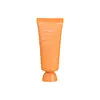 Key Ingredients
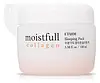
No key ingredients
Benefits
Concerns
Ingredients Side-by-side
Water
Skin ConditioningButylene Glycol
Humectant

Glycerin
Humectant
Cetyl Ethylhexanoate
Emollient1,2-Hexanediol
Skin Conditioning
Squalane
Emollient
Butyrospermum Parkii Butter
Skin Conditioning




Di-C12-13 Alkyl Malate
EmollientCyclopentasiloxane
Emollient
Dimethicone
Emollient
Glyceryl Stearate
Emollient
Cyclohexasiloxane
Emollient
Trehalose
Humectant
C14-22 Alcohols
Emulsion Stabilising
Palmitic Acid
Emollient
Stearic Acid
Cleansing
Cetearyl Alcohol
Emollient
Hydrogenated Castor Oil Isostearate
Skin Conditioning
Hydroxypropyl Starch Phosphate
PEG-100 Stearate
Surfactant
Dimethicone/Vinyl Dimethicone Crosspolymer
Skin Conditioning
C12-20 Alkyl Glucoside
EmulsifyingPolyacrylate-13
Phytosteryl/Behenyl/Octyldodecyl Lauroyl Glutamate
Skin ConditioningC12-16 Alcohols
EmollientAcrylates/C10-30 Alkyl Acrylate Crosspolymer
Emulsion StabilisingTromethamine
BufferingParfum
Masking


Xanthan Gum
EmulsifyingZiziphus Jujuba Fruit Extract
Skin ConditioningGlyceryl Caprylate
EmollientJuglans Regia Seed Extract
Skin ConditioningLimonene
Perfuming
Polyisobutene
Scutellaria Baicalensis Root Extract
Astringent
Hydrogenated Lecithin
Emulsifying
Morus Alba Root Extract
BleachingDisodium EDTA
ChelatingEthylhexylglycerin
Skin ConditioningDextrin
AbsorbentTheobroma Cacao Extract
Skin ConditioningHoney
Humectant
Linalool
Perfuming
Polysorbate 20
Emulsifying
Nelumbo Nucifera Flower Extract
Skin ConditioningPolygonatum Officinale Rhizome/Root Extract
Skin ConditioningRehmannia Glutinosa Root Extract
Skin ConditioningPaeonia Albiflora Root Extract
Skin ConditioningLilium Candidum Bulb Extract
Skin ConditioningSorbitan Isostearate
Emulsifying
Panax Ginseng Root Extract
Emollient
Punica Granatum Fruit Extract
Antioxidant

Propanediol
Solvent
Citronellol
Perfuming
Citral
Perfuming
Geraniol
Perfuming
Myristic Acid
Cleansing
Arachidic Acid
Cleansing
Glucose
Humectant
Benzyl Benzoate
Antimicrobial
Glycyrrhiza Uralensis Root Extract
Skin Conditioning
Tocopherol
Antioxidant

Punica Granatum Flower Extract
Skin Conditioning
Water, Butylene Glycol, Glycerin, Cetyl Ethylhexanoate, 1,2-Hexanediol, Squalane, Butyrospermum Parkii Butter, Di-C12-13 Alkyl Malate, Cyclopentasiloxane, Dimethicone, Glyceryl Stearate, Cyclohexasiloxane, Trehalose, C14-22 Alcohols, Palmitic Acid, Stearic Acid, Cetearyl Alcohol, Hydrogenated Castor Oil Isostearate, Hydroxypropyl Starch Phosphate, PEG-100 Stearate, Dimethicone/Vinyl Dimethicone Crosspolymer, C12-20 Alkyl Glucoside, Polyacrylate-13, Phytosteryl/Behenyl/Octyldodecyl Lauroyl Glutamate, C12-16 Alcohols, Acrylates/C10-30 Alkyl Acrylate Crosspolymer, Tromethamine, Parfum, Xanthan Gum, Ziziphus Jujuba Fruit Extract, Glyceryl Caprylate, Juglans Regia Seed Extract, Limonene, Polyisobutene, Scutellaria Baicalensis Root Extract, Hydrogenated Lecithin, Morus Alba Root Extract, Disodium EDTA, Ethylhexylglycerin, Dextrin, Theobroma Cacao Extract, Honey, Linalool, Polysorbate 20, Nelumbo Nucifera Flower Extract, Polygonatum Officinale Rhizome/Root Extract, Rehmannia Glutinosa Root Extract, Paeonia Albiflora Root Extract, Lilium Candidum Bulb Extract, Sorbitan Isostearate, Panax Ginseng Root Extract, Punica Granatum Fruit Extract, Propanediol, Citronellol, Citral, Geraniol, Myristic Acid, Arachidic Acid, Glucose, Benzyl Benzoate, Glycyrrhiza Uralensis Root Extract, Tocopherol, Punica Granatum Flower Extract
Water
Skin ConditioningHydrolyzed Collagen
Emollient
Butylene Glycol
Humectant
Adansonia Digitata Fruit Extract
EmollientCyclopentasiloxane
Emollient
Alcohol
Antimicrobial

Glycerin
Humectant
Cyclohexasiloxane
Emollient
Trehalose
Humectant
Adansonia Digitata Seed Oil
Emollient
Dimethicone
Emollient
Dimethicone/Vinyl Dimethicone Crosspolymer
Skin Conditioning
Dimethiconol
Emollient
Beta-Glucan
Skin Conditioning
Stearyl Behenate
Emollient
Glyceryl Caprylate
EmollientAmmonium Acryloyldimethyltaurate/Vp Copolymer
Ethylhexylglycerin
Skin ConditioningInulin Lauryl Carbamate
Emulsion StabilisingCarbomer
Emulsion StabilisingPoloxamer 407
EmulsifyingPolyglyceryl-3 Methylglucose Distearate
Emulsifying
Polysorbate 20
Emulsifying
Propanediol
Solvent
Phytantriol
HumectantHydroxypropyl Bispalmitamide Mea
Emollient
Tromethamine
BufferingDisodium EDTA
ChelatingPhenoxyethanol
Preservative
Parfum
Masking
Water, Hydrolyzed Collagen, Butylene Glycol, Adansonia Digitata Fruit Extract, Cyclopentasiloxane, Alcohol, Glycerin, Cyclohexasiloxane, Trehalose, Adansonia Digitata Seed Oil, Dimethicone, Dimethicone/Vinyl Dimethicone Crosspolymer, Dimethiconol, Beta-Glucan, Stearyl Behenate, Glyceryl Caprylate, Ammonium Acryloyldimethyltaurate/Vp Copolymer, Ethylhexylglycerin, Inulin Lauryl Carbamate, Carbomer, Poloxamer 407, Polyglyceryl-3 Methylglucose Distearate, Polysorbate 20, Propanediol, Phytantriol, Hydroxypropyl Bispalmitamide Mea, Tromethamine, Disodium EDTA, Phenoxyethanol, Parfum
Reviews
Ingredients Explained
These ingredients are found in both products.
Ingredients higher up in an ingredient list are typically present in a larger amount.
Butylene Glycol (or BG) is used within cosmetic products for a few different reasons:
Overall, Butylene Glycol is a safe and well-rounded ingredient that works well with other ingredients.
Though this ingredient works well with most skin types, some people with sensitive skin may experience a reaction such as allergic rashes, closed comedones, or itchiness.
Learn more about Butylene GlycolCyclohexasiloxane is a type of silicone more commonly known as D6. It is an emollient and solvent.
Cyclohexasiloxane is used to evenly distribute ingredients throughout the product. When applied to the skin, Cyclohexasiloxane evaporates and leaves behind a silky feel.
As an emollient, it can help the skin feel soft and hydrated. It is also used to reduce frizz in hair products.
Learn more about CyclohexasiloxaneCyclopentasiloxane (D5) is a lightweight silicone that mostly acts as an emollient and solvent in cosmetics. Its the reason your products feel silky, fast-spreading, and non-greasy.
Since D5 is volatile, it does its thing and then evaporates off the skin quickly.
The safety profile of this ingredient is reassuring; the US CIR Expert Panel concluded D5 is safe as used in cosmetics and Health Canada concluded that D5 is not harmful to human health or the environment as currently used in cosmetics
There's a study that people mention about D5 in a rat study showing tumors. This study is related to long-term inhalation of high D5 levels.
Regulatory bodies have judged this study to be not applicable in topical skincare since skin absorption of D5 is very low and we're not really inhaling huge amounts of D5.
The only restriction for this ingredient is environmental. The European Chemicals Agency (ECHA) restricted D5 in wash-off cosmetics at or above 0.1% due to their persistence in water.
Learn more about CyclopentasiloxaneDimethicone is a type of synthetic silicone created from natural materials such as quartz. It is also known as polydimethylsiloxane.
What it does:
Dimethicone comes in different viscosities:
Depending on the viscosity, dimethicone has different properties.
Ingredients lists don't always show which type is used, so we recommend reaching out to the brand if you have questions about the viscosity.
This ingredient is unlikely to cause irritation because it does not get absorbed into skin. However, people with silicone allergies should be careful about using this ingredient.
Note: Dimethicone may contribute to pilling. This is because it is not oil or water soluble, so pilling may occur when layered with products. When mixed with heavy oils in a formula, the outcome is also quite greasy.
Learn more about DimethiconeThis ingredient is a silicone elastomer that works as a texture enhancer, adds a silky slip, and also helps absorb excess oil.
Because it's a large macromolecule that's insoluble in water and chemically inert, it's not expected to penetrate or be absorbed into skin.
Human patch tests with a facial lotion containing 1% of this ingredient found no sensitization.
Learn more about Dimethicone/Vinyl Dimethicone CrosspolymerDisodium EDTA is a chelating agent. It grabs onto and deactivates metal ions that sneak into your products from water, packaging, or air.
This ingredient mainly works behind the scenes and helps with:
On top of that, this ingredient can counteract the effects of hard water by binding to the minerals in it.
One thing worth knowing is that Disodium EDTA has been shown to be a mild penetration enhancer. It can help other ingredients absorb into skin more effectively which can be a double-edged sword (great for actives, but can also make the active too strong if you have sensitive skin).
Clinical patch testing showed no significant skin irritation at typical use concentrations and minimal dermal absorption.
You'll most likely see this ingredient near the end of an ingredient list. It's typically found in concentrations less than 1%.
Learn more about Disodium EDTAEthylhexylglycerin is created from glycerin. It is a multitasker ingredient that:
The CIR Expert Panel found minimal skin absorption or sensitization of any kind in a safety assessment. Though this ingredient is considered well-tolerated, a small number of cases of allergic dermatitis have been published since 2002. Just be sure to patch test if you are unsure.
Industry-reported use ranges from 8% in rinse-off products and 2% in leave-on formulations.
Learn more about EthylhexylglycerinGlycerin (or glycerol) is a compound naturally found in your skin. It's a powerhouse humectant that pulls water into the stratum corneum.
Topically, glycerin does several things at once:
Your skin makes glycerin on its own (mostly from sebaceous oil breakdown) and shuttles it to your outermost layer of skin, or your epidermis, via aquaporin-3.
Aquaporin-3 is a transporter that is essential for normal skin hydration, elasticity, and repair. Interestingly, mice lacking in AQP3 have dry and less elastic skin that can be fully corrected with glycerin.
This ingredient is non-irritating, plays well with almost every ingredient, and works across all skin types. Typical use is anywhere between 3-10% but can go up to 79% in some leave-on products.
Just know very high concentrations (>40%) can feel tacky in low humidity.
Glycerin is the name for this ingredient in American English. British English uses Glycerol/Glycerine.
Learn more about GlycerinGlyceryl Caprylate comes from glycerin and caprylic acid. It is an emollient, co-emulsifier, and preservative booster.
Its short C8 fatty acid chain makes it behave differently from its longer-chain emollient cousins like Glyceryl Stearate. It feels more lightweight, fast-absorbing, and silky instead of rich and waxy.
As a co-emulsifier, its "head" and "tail" sit at the oil-water interface. But overall, the short C8 tail and not being water soluble means it doesn't really have the muscle to emulsify a formula on its own. That's why you'll often see it paired with a primary emulsifier like Cetearyl Glucoside.
Interestingly, Glyceryl Caprylate acts as a preservative booster. This is because its fatty-acid backbone disrupts microbial lipid membranes. It shows excellent activity against bacteria and yeast but is weaker against mold.
Typical concentrations range from 0.5-1% and this ingredient is generally non-irritating.
Because this ingredient has a C8 fatty acid chain, it is outside the range that the Malassezia yeast metabolizes (making it fungal acne safe).
Learn more about Glyceryl CaprylateParfum is a catch-all term for an ingredient or more that is used to give a scent to products.
Also called "fragrance", this ingredient can be a blend of hundreds of chemicals or plant oils. This means every product with "fragrance" or "parfum" in the ingredients list is a different mixture.
For instance, Habanolide is a proprietary trade name for a specific aroma chemical. When used as a fragrance ingredient in cosmetics, most aroma chemicals fall under the broad labeling category of “FRAGRANCE” or “PARFUM” according to EU and US regulations.
The term 'parfum' or 'fragrance' is not regulated in many countries. In many cases, it is up to the brand to define this term.
For instance, many brands choose to label themselves as "fragrance-free" because they are not using synthetic fragrances. However, their products may still contain ingredients such as essential oils that are considered a fragrance by INCI standards.
One example is Calendula flower extract. Calendula is an essential oil that still imparts a scent or 'fragrance'.
Depending on the blend, the ingredients in the mixture can cause allergies and sensitivities on the skin. Some ingredients that are known EU allergens include linalool and citronellol.
Parfum can also be used to mask or cover an unpleasant scent.
The bottom line is: not all fragrances/parfum/ingredients are created equally. If you are worried about fragrances, we recommend taking a closer look at an ingredient. And of course, we always recommend speaking with a professional.
Learn more about ParfumPolysorbate 20 is a gentle, water-soluble emulsifier and mild surfactant. It stops oil and water from separating to keep your formulas blended and stable.
It also acts as a mild penetration enhancer by helping active ingredients absorb slightly better.
The common safety discussion around this ingredient involves a manufacturing byproduct called 1,4-dioxane.
Trace amounts can form during production but the EU's Scientific Committee on Consumer Safety has concluded that levels at/below 10 ppm in finished products are safe (commercial products consistently fall within acceptable margins).
True allergic reactions are uncommon and the CIR Expert Panel has confirmed this ingredient to be safe as used in cosmetics.
Because it is derived from lauric acid, it may not be fungal acne safe.
Learn more about Polysorbate 20Propanediol is an all-star ingredient. It softens, hydrates, and smooths the skin.
It’s often used to:
Propanediol is not likely to cause sensitivity and considered safe to use. It is derived from corn or petroleum with a clear color and no scent.
Learn more about PropanediolTrehalose is a disaccharide made of two glucose molecules (glucose is sugar!). Trehalose is used to help moisturize skin. It also has antioxidant properties.
As a humectant, trehalose helps draw moisture from the air to your skin. This helps keep your skin hydrated.
Due to its antioxidant properties, trehalose may help with signs of aging. Antioxidants help fight free-radical molecules, unstable molecules that may damage your skin.
In medicine, trehalose and hyaluronic acid are used to help treat dry eyes.
Some animals, plants, and bacteria create trehalose as a source of energy to survive freeze or lack of water.
Learn more about TrehaloseTromethamine (aka THAM) is a synthetic amino acid that shows up in skincare as a helper ingredient.
It functions as a pH adjuster to help neutralize acidic ingredients and set a formula's pH to the right spot.
This matters a lot because a lot of actives (like vitamin C) needs a specific pH to work well and feel comfortable on skin.
Concentration use ranges from 0.1-1.0% depending on the formula.
Learn more about TromethamineWater. It's the most common cosmetic ingredient of all. You'll usually see it at the top of ingredient lists, meaning that it makes up the largest part of the product.
So why is it so popular? Water most often acts as a solvent - this means that it helps dissolve other ingredients into the formulation.
You'll also recognize water as that liquid we all need to stay alive. If you see this, drink a glass of water. Remember to stay hydrated!
Learn more about Water

