
What's inside
What's inside
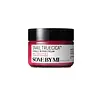 Key Ingredients
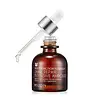
Benefits
Concerns
Ingredients Side-by-side
Water
Skin ConditioningSnail Secretion Filtrate 40%
Skin Conditioning





Propanediol
Solvent
Dicaprylyl Carbonate
EmollientPolyglyceryl-3 Methylglucose Distearate
Emulsifying
Niacinamide
Smoothing






1,2-Hexanediol
Skin Conditioning
Melaleuca Alternifolia Leaf Extract
Perfuming
Centella Asiatica Extract
Cleansing
Butylene Glycol
Humectant
Cyclomethicone
Emollient
Cetearyl Alcohol
Emollient


Squalene
Emollient
Glyceryl Stearate
Emollient
Carbomer
Emulsion StabilisingTromethamine
BufferingCitrus Aurantium Bergamia Fruit Oil
Masking
Sodium Polyacrylate
Absorbent
Madecassoside
Antioxidant
Ethylhexylglycerin
Skin ConditioningArtemisia Princeps Leaf Extract
Skin ConditioningHydrolyzed Collagen
Emollient
Glycerin
Humectant
Adenosine
Skin Conditioning
Disodium EDTA
Salvia Officinalis Oil
Masking
Tocopherol
Antioxidant
Hydrolyzed Vegetable Protein
Skin ConditioningHydrogenated Lecithin
Emulsifying
Asiaticoside
Antioxidant
Madecassic Acid
Skin Conditioning
Asiatic Acid
Skin ConditioningStearic Acid
Cleansing
Ceramide NP
Skin Conditioning
Ceramide Ns
Skin Conditioning
Phytosphingosine
Skin Conditioning
Cholesterol
Emollient
Ceramide As
Skin Conditioning
Ceramide AP
Skin Conditioning
Ceramide EOP
Skin Conditioning
Limonene
Perfuming



Linalool
Perfuming
Water, Snail Secretion Filtrate 40%, Propanediol, Dicaprylyl Carbonate, Polyglyceryl-3 Methylglucose Distearate, Niacinamide, 1,2-Hexanediol, Melaleuca Alternifolia Leaf Extract, Centella Asiatica Extract, Butylene Glycol, Cyclomethicone, Cetearyl Alcohol, Squalene, Glyceryl Stearate, Carbomer, Tromethamine, Citrus Aurantium Bergamia Fruit Oil, Sodium Polyacrylate, Madecassoside, Ethylhexylglycerin, Artemisia Princeps Leaf Extract, Hydrolyzed Collagen, Glycerin, Adenosine, Disodium EDTA, Salvia Officinalis Oil, Tocopherol, Hydrolyzed Vegetable Protein, Hydrogenated Lecithin, Asiaticoside, Madecassic Acid, Asiatic Acid, Stearic Acid, Ceramide NP, Ceramide Ns, Phytosphingosine, Cholesterol, Ceramide As, Ceramide AP, Ceramide EOP, Limonene, Linalool
Snail Secretion Filtrate
Skin Conditioning
Sodium Hyaluronate
Humectant
Butylene Glycol
Humectant
Glycerin
Humectant
Alcohol Denat.
Antimicrobial

Panthenol
Skin Conditioning
Glycereth-26
Humectant
Punica Granatum Extract
AstringentTheobroma Cacao Extract
Skin ConditioningCarbomer
Emulsion StabilisingTriethanolamine
BufferingTrehalose
Humectant
Copper Tripeptide-1
Skin Conditioning

Oligopeptide-1
Skin Conditioning
Palmitoyl Pentapeptide-4
Skin Conditioning
Cornus Officinalis Fruit Extract
Skin ConditioningNelumbium Speciosum Flower Extract
Skin ConditioningCaprylyl Glycol
Emollient
Ethylhexylglycerin
Skin ConditioningTropolone
Skin ConditioningSodium Polyacrylate
Absorbent
Adenosine
Skin Conditioning
Coptis Japonica Extract
AntimicrobialDisodium EDTA
Snail Secretion Filtrate, Sodium Hyaluronate, Butylene Glycol, Glycerin, Alcohol Denat., Panthenol, Glycereth-26, Punica Granatum Extract, Theobroma Cacao Extract, Carbomer, Triethanolamine, Trehalose, Copper Tripeptide-1, Oligopeptide-1, Palmitoyl Pentapeptide-4, Cornus Officinalis Fruit Extract, Nelumbium Speciosum Flower Extract, Caprylyl Glycol, Ethylhexylglycerin, Tropolone, Sodium Polyacrylate, Adenosine, Coptis Japonica Extract, Disodium EDTA
Reviews
Ingredients Explained
These ingredients are found in both products.
Ingredients higher up in an ingredient list are typically present in a larger amount.
Adenosine is in every living organism. It is one of four components in nucleic acids that helps store our DNA.
Adenosine has many benefits when used. These benefits include hydrating the skin, smoothing skin, and reducing wrinkles. Once applied, adenosine increases collagen production. It also helps with improving firmness and tissue repair.
Studies have found adenosine may also help with wound healing.
In skincare products, Adenosine is usually derived from yeast.
Learn more about AdenosineButylene Glycol (or BG) is used within cosmetic products for a few different reasons:
Overall, Butylene Glycol is a safe and well-rounded ingredient that works well with other ingredients.
Though this ingredient works well with most skin types, some people with sensitive skin may experience a reaction such as allergic rashes, closed comedones, or itchiness.
Learn more about Butylene GlycolCarbomer is a polymer of acrylic acid. Its main role is to create a gel consistency.
A high amount of carbomer can cause pilling or balling up of products. Don't worry, most products contain 1% or less of carbomer.
Disodium EDTA plays a role in making products more stable by aiding other preservatives.
It is a chelating agent, meaning it neutralizes metal ions that may be found in a product.
Disodium EDTA is a salt of edetic acid and is found to be safe in cosmetic ingredients.
Learn more about Disodium EDTAEthylhexylglycerin (we can't pronounce this either) is commonly used as a preservative and skin softener. It is derived from glyceryl.
You might see Ethylhexylglycerin often paired with other preservatives such as phenoxyethanol. Ethylhexylglycerin has been found to increase the effectiveness of these other preservatives.
Glycerin is already naturally found in your skin. It helps moisturize and protect your skin.
A study from 2016 found glycerin to be more effective as a humectant than AHAs and hyaluronic acid.
As a humectant, it helps the skin stay hydrated by pulling moisture to your skin. The low molecular weight of glycerin allows it to pull moisture into the deeper layers of your skin.
Hydrated skin improves your skin barrier; Your skin barrier helps protect against irritants and bacteria.
Glycerin has also been found to have antimicrobial and antiviral properties. Due to these properties, glycerin is often used in wound and burn treatments.
In cosmetics, glycerin is usually derived from plants such as soybean or palm. However, it can also be sourced from animals, such as tallow or animal fat.
This ingredient is organic, colorless, odorless, and non-toxic.
Glycerin is the name for this ingredient in American English. British English uses Glycerol/Glycerine.
Learn more about GlycerinSnail Secretion Filtrate is the excretion from snails. It is an effective moisturizer and promotes collagen production.
A popular nickname for this ingredient is 'Snail Mucin'.
Snail mucin has numerous skin benefits:
On top of this, Snail Secretion Filtrate contains a variety of vitamins and minerals. These include copper peptides, Vitamin A, and vitamin E. Vitamins A and E are antioxidants. Antioxidants help fight free-radicals that damage skin cells.
Being cruelty-free means a brand does not experiment on animals.
If you're worried about the well-being of the snails, we recommend looking more into the company of the product. Many brands have developed humane methods to collect snail mucin.
There is much debate on this subject. On one hand, this ingredient comes from an animal. On the other hand, many will argue the ingredient is naturally secreted (like a natural by-product) and therefore vegan. If you have reservations, you can look into Galactomyces Ferment Filtrate or Centella Asiatica Extract as alternatives.
Learn more about Snail Secretion FiltrateSodium Polyacrylate is the sodium salt of polyacrylic acid. It is used as an absorber, emollient, and stabilizer.
This ingredient is a super-absorbent polymer - meaning it can absorb 100 to 1000 times its mass in water. As an emollient, Sodium Polyacrylate helps soften and soothe skin. Emollients work by creating a barrier to trap moisture in. This helps keep your skin hydrated.

