
What's inside
What's inside
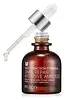 Key Ingredients
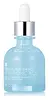
Benefits
Concerns
Ingredients Side-by-side
Snail Secretion Filtrate
Skin Conditioning





Sodium Hyaluronate
Humectant

Butylene Glycol
Humectant
Glycerin
Humectant
Alcohol Denat.
Antimicrobial




Panthenol
Skin Conditioning
Glycereth-26
Humectant
Punica Granatum Extract
AstringentTheobroma Cacao Extract
Skin ConditioningCarbomer
Emulsion StabilisingTriethanolamine
BufferingTrehalose
Humectant
Copper Tripeptide-1
Skin Conditioning
Oligopeptide-1
Skin Conditioning
Palmitoyl Pentapeptide-4
Skin Conditioning
Cornus Officinalis Fruit Extract
Skin ConditioningNelumbium Speciosum Flower Extract
Skin ConditioningCaprylyl Glycol
Emollient
Ethylhexylglycerin
Skin ConditioningTropolone
Skin ConditioningSodium Polyacrylate
Absorbent
Adenosine
Skin Conditioning
Coptis Japonica Extract
AntimicrobialDisodium EDTA
Snail Secretion Filtrate, Sodium Hyaluronate, Butylene Glycol, Glycerin, Alcohol Denat., Panthenol, Glycereth-26, Punica Granatum Extract, Theobroma Cacao Extract, Carbomer, Triethanolamine, Trehalose, Copper Tripeptide-1, Oligopeptide-1, Palmitoyl Pentapeptide-4, Cornus Officinalis Fruit Extract, Nelumbium Speciosum Flower Extract, Caprylyl Glycol, Ethylhexylglycerin, Tropolone, Sodium Polyacrylate, Adenosine, Coptis Japonica Extract, Disodium EDTA
Water
Skin ConditioningSodium Hyaluronate
Humectant
Copper Tripeptide-1
Skin Conditioning
Butylene Glycol
Humectant
Sclerotium Gum
Emulsion StabilisingOctanediol
Ethylhexylglycerin
Skin ConditioningTropolone
Skin ConditioningHydrogenated Polydecene
EmollientCaprylic/Capric Glycerides
EmollientHydrogenated Lecithin
Emulsifying
Stearic Acid
Cleansing

C12-20 Alkyl Glucoside
EmulsifyingC14-22 Alcohols
Emulsion Stabilising
Glyceryl Stearate
Emollient
PEG-100 Stearate
Surfactant
Cholesteryl Hydroxystearate
EmollientCholesterol
Emollient
Ceramide NP
Skin Conditioning
Triethanolamine
BufferingCarbomer
Emulsion StabilisingBetula Platyphylla Japonica Juice
Skin Conditioning
Portulaca Oleracea Extract
Skin Conditioning
Scutellaria Baicalensis Root Extract
Astringent
Astragalus Membranaceus Extract
Antioxidant
Arnica Montana Flower Extract
Masking
Artemisia Absinthium Extract
Skin ConditioningAchillea Millefolium Extract
CleansingGentiana Lutea Root Extract
Skin ConditioningRubus Idaeus Fruit Extract
AstringentBeta-Glucan
Skin Conditioning
Adenosine
Skin Conditioning
Disodium EDTA
Water, Sodium Hyaluronate, Copper Tripeptide-1, Butylene Glycol, Sclerotium Gum, Octanediol, Ethylhexylglycerin, Tropolone, Hydrogenated Polydecene, Caprylic/Capric Glycerides, Hydrogenated Lecithin, Stearic Acid, C12-20 Alkyl Glucoside, C14-22 Alcohols, Glyceryl Stearate, PEG-100 Stearate, Cholesteryl Hydroxystearate, Cholesterol, Ceramide NP, Triethanolamine, Carbomer, Betula Platyphylla Japonica Juice, Portulaca Oleracea Extract, Scutellaria Baicalensis Root Extract, Astragalus Membranaceus Extract, Arnica Montana Flower Extract, Artemisia Absinthium Extract, Achillea Millefolium Extract, Gentiana Lutea Root Extract, Rubus Idaeus Fruit Extract, Beta-Glucan, Adenosine, Disodium EDTA
Reviews
Ingredients Explained
These ingredients are found in both products.
Ingredients higher up in an ingredient list are typically present in a larger amount.
Adenosine is in every living organism. It is one of four components in nucleic acids that helps store our DNA.
Adenosine has many benefits when used. These benefits include hydrating the skin, smoothing skin, and reducing wrinkles. Once applied, adenosine increases collagen production. It also helps with improving firmness and tissue repair.
Studies have found adenosine may also help with wound healing.
In skincare products, Adenosine is usually derived from yeast.
Learn more about AdenosineButylene Glycol (or BG) is used within cosmetic products for a few different reasons:
Overall, Butylene Glycol is a safe and well-rounded ingredient that works well with other ingredients.
Though this ingredient works well with most skin types, some people with sensitive skin may experience a reaction such as allergic rashes, closed comedones, or itchiness.
Learn more about Butylene GlycolCarbomer is a high-molecular weight polymer of acrylic acid. It is used to form gels and thicken formulas.
Due to its large molecular size, carbomer has minimal skin penetration and is considered an inert ingredient.
A high amount of carbomer can cause pilling or balling up of products. Don't worry, most products contain 1% or less of carbomer.
Learn more about CarbomerCopper Tripeptide-1 (GHK-Cu) is a skin repairing ingredient known for its ability to boost collagen, improve firmness, and support skin regeneration.
It is a complex made up of a naturally occurring peptide (glycine-histidine-lysine) and copper, an essential trace element.
While studying wound healing, researchers noticed GHK-Cu stimulated hair follicle enlargement and growth by keeping hair in its active growth phase longer. This has made it a promising ingredient for hair regrowth treatments.
Some people have reported increased facial hair. While GHK-Cu can make your hair follicles bigger, it usually doesn’t turn soft, barely-visible facial hairs into thick, dark ones.
Anecdotal reports suggest that overusing copper peptides might lead to premature aging due to excess free copper or enzyme imbalances. This claim isn’t backed by large-scale studies.
Unfortunately, there are limited human studies for this ingredient. While early results are promising, many studies are either small, in-vitro, or not rigorously controlled.
For example, there is a 1998 study that explored the effects of copper tripeptide, vitamin C, tretinoin, and melatonin on skin repair and collagen synthesis.
After one month, increased procollagen production was seen in 7 out of 10 participants using copper tripeptide (more than those using vitamin C, melatonin, or tretinoin.
While the study was exploratory, it offers early evidence that copper tripeptide may support collagen production. Larger, well-designed trials are still needed to confirm its potential and understand individual responses.
Read more about other common types of peptides here:
Learn more about Copper Tripeptide-1Disodium EDTA is a chelating agent. It grabs onto and deactivates metal ions that sneak into your products from water, packaging, or air.
This ingredient mainly works behind the scenes and helps with:
On top of that, this ingredient can counteract the effects of hard water by binding to the minerals in it.
One thing worth knowing is that Disodium EDTA has been shown to be a mild penetration enhancer. It can help other ingredients absorb into skin more effectively which can be a double-edged sword (great for actives, but can also make the active too strong if you have sensitive skin).
Clinical patch testing showed no significant skin irritation at typical use concentrations and minimal dermal absorption.
You'll most likely see this ingredient near the end of an ingredient list. It's typically found in concentrations less than 1%.
Learn more about Disodium EDTAEthylhexylglycerin is created from glycerin. It is a multitasker ingredient that:
The CIR Expert Panel found minimal skin absorption or sensitization of any kind in a safety assessment. Though this ingredient is considered well-tolerated, a small number of cases of allergic dermatitis have been published since 2002. Just be sure to patch test if you are unsure.
Industry-reported use ranges from 8% in rinse-off products and 2% in leave-on formulations.
Learn more about EthylhexylglycerinSodium Hyaluronate is the salt form of hyaluronic acid. It is a long sugar chain that is naturally found in your skin, joints, and connective tissue that maintains hydration and elasticity.
In skincare, it works as a humectant. It pulls water from the environment and deeper layers of skin and binds it to the surface.
Interestingly, the size of the molecule affects its behavior:
Some clinical evidence links low molecular weight versions to improved wrinkle depth, elasticity, anti-inflammatory effects, and barrier repair.
Many serums use a blend of both weights so you can get surface hydration plus longer-lasting and deeper effects.
You'll typically see concentrations between 0.1-2% for this ingredient.
Learn more about Sodium HyaluronateTriethanolamine (TEA) is an emulsifier and pH adjuster. It is created using ethylene oxide and ammonia. This gives Triethanolamine a nitrogen core and a similar scent to ammonia.
As an emulsifier, it prevents ingredients from separating and enhances texture by adding volume to a product.
PH adjusters are common in cosmetic products. The pH of a product can affect the effectiveness of other ingredients. A product with a high pH may also irritate the skin.
If you are looking for the tea leaf ingredient, click here.
Learn more about TriethanolamineWe don't have a description for Tropolone yet.

