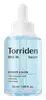
This hydrating serum is formulated around Panthenol and Hydrolyzed Hyaluronic Acid to hydrate skin and strengthen the skin barrier.
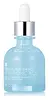
This hydrating serum is formulated around Sodium Hyaluronate and Copper Tripeptide-1 to hydrate skin and soften the look of wrinkles.

What's inside
What's inside
 Key Ingredients
Benefits
Concerns
Ingredients Side-by-side
Water
Skin ConditioningButylene Glycol
Humectant

Glycerin
Humectant
Dipropylene Glycol
Humectant1,2-Hexanediol
Skin Conditioning
Panthenol
Skin Conditioning

Sodium Hyaluronate Crosspolymer
Humectant
Hydrolyzed Hyaluronic Acid
Humectant
Sodium Hyaluronate
Humectant
Sodium Acetylated Hyaluronate
Humectant
Hydrolyzed Sodium Hyaluronate
Skin Conditioning
Allantoin
Skin Conditioning
Ectoin
Skin Conditioning
Glycyrrhiza Glabra Root Extract
Bleaching

2,3-Butanediol
HumectantTrehalose
Humectant
Betaine
Humectant
Propanediol
Solvent
Portulaca Oleracea Extract
Skin Conditioning
Hamamelis Virginiana Leaf Extract
Skin Conditioning

Madecassoside
Antioxidant

Madecassic Acid
Skin Conditioning
Ceramide NP
Skin Conditioning
Beta-Glucan
Skin Conditioning
Malachite Extract
Antioxidant
Cholesterol
Emollient
Pentylene Glycol
Skin Conditioning
Glyceryl Acrylate/Acrylic Acid Copolymer
HumectantPvm/Ma Copolymer
Emulsion StabilisingPolyglyceryl-10 Laurate
Skin Conditioning

Xanthan Gum
EmulsifyingTromethamine
BufferingCarbomer
Emulsion StabilisingEthylhexylglycerin
Skin ConditioningScutellaria Baicalensis Root Extract
Astringent
Paeonia Suffruticosa Root Extract
Skin ProtectingWater, Butylene Glycol, Glycerin, Dipropylene Glycol, 1,2-Hexanediol, Panthenol, Sodium Hyaluronate Crosspolymer, Hydrolyzed Hyaluronic Acid, Sodium Hyaluronate, Sodium Acetylated Hyaluronate, Hydrolyzed Sodium Hyaluronate, Allantoin, Ectoin, Glycyrrhiza Glabra Root Extract, 2,3-Butanediol, Trehalose, Betaine, Propanediol, Portulaca Oleracea Extract, Hamamelis Virginiana Leaf Extract, Madecassoside, Madecassic Acid, Ceramide NP, Beta-Glucan, Malachite Extract, Cholesterol, Pentylene Glycol, Glyceryl Acrylate/Acrylic Acid Copolymer, Pvm/Ma Copolymer, Polyglyceryl-10 Laurate, Xanthan Gum, Tromethamine, Carbomer, Ethylhexylglycerin, Scutellaria Baicalensis Root Extract, Paeonia Suffruticosa Root Extract
Water
Skin ConditioningSodium Hyaluronate
Humectant
Copper Tripeptide-1
Skin Conditioning
Butylene Glycol
Humectant
Sclerotium Gum
Emulsion StabilisingOctanediol
Ethylhexylglycerin
Skin ConditioningTropolone
Skin ConditioningHydrogenated Polydecene
EmollientCaprylic/Capric Glycerides
EmollientHydrogenated Lecithin
Emulsifying
Stearic Acid
Cleansing
C12-20 Alkyl Glucoside
EmulsifyingC14-22 Alcohols
Emulsion Stabilising
Glyceryl Stearate
Emollient
PEG-100 Stearate
Surfactant
Cholesteryl Hydroxystearate
EmollientCholesterol
Emollient
Ceramide NP
Skin Conditioning
Triethanolamine
BufferingCarbomer
Emulsion StabilisingBetula Platyphylla Japonica Juice
Skin Conditioning
Portulaca Oleracea Extract
Skin Conditioning
Scutellaria Baicalensis Root Extract
Astringent
Astragalus Membranaceus Extract
Antioxidant
Arnica Montana Flower Extract
Masking
Artemisia Absinthium Extract
Skin ConditioningAchillea Millefolium Extract
CleansingGentiana Lutea Root Extract
Skin ConditioningRubus Idaeus Fruit Extract
AstringentBeta-Glucan
Skin Conditioning
Adenosine
Skin Conditioning
Disodium EDTA
ChelatingWater, Sodium Hyaluronate, Copper Tripeptide-1, Butylene Glycol, Sclerotium Gum, Octanediol, Ethylhexylglycerin, Tropolone, Hydrogenated Polydecene, Caprylic/Capric Glycerides, Hydrogenated Lecithin, Stearic Acid, C12-20 Alkyl Glucoside, C14-22 Alcohols, Glyceryl Stearate, PEG-100 Stearate, Cholesteryl Hydroxystearate, Cholesterol, Ceramide NP, Triethanolamine, Carbomer, Betula Platyphylla Japonica Juice, Portulaca Oleracea Extract, Scutellaria Baicalensis Root Extract, Astragalus Membranaceus Extract, Arnica Montana Flower Extract, Artemisia Absinthium Extract, Achillea Millefolium Extract, Gentiana Lutea Root Extract, Rubus Idaeus Fruit Extract, Beta-Glucan, Adenosine, Disodium EDTA
Reviews
Ingredients Explained
These ingredients are found in both products.
Ingredients higher up in an ingredient list are typically present in a larger amount.
Beta-Glucan is a soluble polysaccharide (a chain of glucose sugars) sourced from the cells walls of oats, baker's yeast, mushrooms, and seaweed.
It's a rare ingredient that pulls double-duty as a heavy-duty hydrator and skin-soothing repair agent.
On the surface, it acts as a humectant that holds water in place and reduces moisture loss for a plumper, smoother feel, while its anti-inflammatory and antioxidant properties make it a great pick for calming redness or sensitive skin
The more interesting story is underneath:
Despite its large molecular size, oat beta-glucan has been shown to penetrate the epidermis and reach the dermis by slipping between skin cells. Here, it interacts with fibroblasts and macrophages to nudge collagen synthesis and support wound repair.
A small 2005 split-face clinical study of 27 subjects found topical beta-glucan produced measurable reductions in wrinkle depth, height, and roughness after 8 weeks of use.
It is worth noting the trial was small and the penetration testing used frozen, irradiated skin so the anti-aging data is encouraging rather than definitive.
This ingredient gets along with pretty much everything and is typically used around 0.1-1%.
Fungal acne: This ingredient is not a food source for the Malassezia yeast because it is a glucose polysaccharide with no fatty acid or ester component.
Learn more about Beta-GlucanButylene Glycol (or BG) is used within cosmetic products for a few different reasons:
Overall, Butylene Glycol is a safe and well-rounded ingredient that works well with other ingredients.
Though this ingredient works well with most skin types, some people with sensitive skin may experience a reaction such as allergic rashes, closed comedones, or itchiness.
Learn more about Butylene GlycolCarbomer is a synthetic thickening and gelling agent. It's basically the ingredient that gives a lot of serums, gels, creams, and sunscreens their smooth, non-sticky texture.
Although legally permitted at very high levels, carbomers are normally used at concentrations below 1%.
It also needs to be neutralized to actually thicken, and because it is a large molecule, it doesn't really penetrate the skin barrier.
Allergy-wise, the risk is very low. Clinical studies show carbomers have low potential for skin irritation/sensitization even at concentrations up to 100%.
A 2024 UK study patch-tested 1,302 patients and found true allergy to the parent group of carbomer to be rare with no confirmed relevant reactions.
Learn more about CarbomerCeramide NP (formerly known as Ceramide 3) is one of the skin's naturally occurring lipids.
Since ceramides are the major lipid components of the skin, they are crucial for maintaining skin barrier and hydration. Ceramide NP most closely mirrors the dominant kind in human skin amongst ceramide subtypes.
This ceramide works by slotting into gaps within the stratum corneum's lipid matrix to limit trans-epidermal water loss (TEWL) and shield the skin against external irritants.
A study with 312 patients found that using a ceramide-containing routine for 4 weeks reduced the severity of atopic dermatitis by over 61%.
Another clinical study in subjects aged 60 and older found that a ceramide body wash and moisturizer improved skin dryness and itchy skin in 15 days.
Overall, ceramides are considered non-irritating and safety tests have found little to no observable adverse effects from using this ingredient.
Ceramide NP is usually sourced from plants (like soybean or rice bran), or produced synthetically.
Learn more about Ceramide NPCholesterol is a lipid that is naturally found in human skin and is one of the three key components of your skin barrier. In skincare, it is an emollient and barrier-repairing ingredient.
It works by fitting directly into the lipid layers of skin to help restore structure and reduce transepidermal water loss (TEWL).
This is a great ingredient for dry, compromised, or aging skin; our skin starts to produce less cholesterol with age.
Research shows cholesterol works best in combination with ceramides and fatty acids, the other two major components in your skin barrier.
Cholesterol is also a well-establish penetration enhancer and can help other actives absorb more effectively.
Cosmetic-grade cholesterol is usually derived from lanolin but plant and synthetic options also exist. We recommend reaching out to the brand if you have questions about their source of cholesterol.
Learn more about CholesterolEthylhexylglycerin is created from glycerin. It is a multitasker ingredient that:
The CIR Expert Panel found minimal skin absorption or sensitization of any kind in a safety assessment. Though this ingredient is considered well-tolerated, a small number of cases of allergic dermatitis have been published since 2002. Just be sure to patch test if you are unsure.
Industry-reported use ranges from 8% in rinse-off products and 2% in leave-on formulations.
Learn more about EthylhexylglycerinThis extract comes from Purslane, a succulent. It has anti-inflammatory, antioxidant, and hydrating properties.
Purslane is very nutritious. It contains omega-3 fatty acids, NMFs, many vitamins, minerals, and antioxidants. The vitamins found in purslane include: Vitamin C, Vitamin A, and Vitamin E.
Fun fact: Purslane is a succulent with an extensive habitat. It is used in traditional Korean medicine to treat irritated skin.
Nowadays, purslane is becoming a superfood due to its highly nutritious content.
Learn more about Portulaca Oleracea ExtractScutellaria Baicalensis Root Extract comes from the Baikal skullcap or Chinese skullcap plant. This plant is native to Northeast Asia and can be found in China, Mongolia, Korea, and Siberia.
In cosmetics, Scutellaria Baicalensis Root Extract provides antioxidant and anti-inflammatory benefits. This is due to the flavonoid composition of Scutellaria Baicalensis Root Extract.
In Chinese traditional folk medicine, Scutellaria Baicalensis Root Extract is used to help treat lung issues and hypertension.
Learn more about Scutellaria Baicalensis Root ExtractSodium Hyaluronate is the salt form of hyaluronic acid. It is a long sugar chain that is naturally found in your skin, joints, and connective tissue that maintains hydration and elasticity.
In skincare, it works as a humectant. It pulls water from the environment and deeper layers of skin and binds it to the surface.
Interestingly, the size of the molecule affects its behavior:
Some clinical evidence links low molecular weight versions to improved wrinkle depth, elasticity, anti-inflammatory effects, and barrier repair.
Many serums use a blend of both weights so you can get surface hydration plus longer-lasting and deeper effects.
You'll typically see concentrations between 0.1-2% for this ingredient.
Learn more about Sodium HyaluronateWater. It's the most common cosmetic ingredient of all. You'll usually see it at the top of ingredient lists, meaning that it makes up the largest part of the product.
So why is it so popular? Water most often acts as a solvent - this means that it helps dissolve other ingredients into the formulation.
You'll also recognize water as that liquid we all need to stay alive. If you see this, drink a glass of water. Remember to stay hydrated!
Learn more about Water

