Some By Mi Beta Panthenol Repair Cream Versus Some By Mi AHA BHA PHA 30 Days Miracle Exfoliating Toner
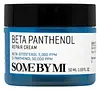
This barrier-repair moisturizer is formulated around Panthenol and Beta-Sitosterol to strengthen the skin barrier and calm redness.
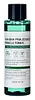
This smoothing exfoliator is formulated around Niacinamide and Melaleuca Alternifolia Leaf Water to refine skin texture and clear breakouts.

What's inside
What's inside
 Key Ingredients
Benefits
Concerns
Ingredients Side-by-side
Water
Skin ConditioningPanthenol
Skin Conditioning




Dipropylene Glycol
HumectantPropanediol
Solvent
Methylpropanediol
SolventBetaine
Humectant
Octyldodecanol
Emollient
1,2-Hexanediol
Skin Conditioning
Candida Bombicola/Glucose/Methyl Rapeseedate Ferment
AntimicrobialPalmitic Acid
Emollient


Hydroxyethyl Acrylate/Sodium Acryloyldimethyl Taurate Copolymer
Emulsion StabilisingGlycerin
Humectant
Stearic Acid
Cleansing
Beta-Sitosterol 0.5%
Emulsion Stabilising
Squalane
Emollient
Vinyldimethicone

Ammonium Acryloyldimethyltaurate/Vp Copolymer
Jojoba Esters
Emollient
Glyceryl Stearate
Emollient
Stearyl Alcohol
Emollient
Cetyl Alcohol
Emollient
Polymethylsilsesquioxane
Phytosterols
Skin Conditioning
Helianthus Annuus Seed Wax
Skin Conditioning
Sodium Stearoyl Glutamate
CleansingEthylhexylglycerin
Skin ConditioningHelianthus Annuus Seed Oil
Emollient
Hydroxyethylcellulose
Emulsion StabilisingXanthan Gum
EmulsifyingDipotassium Glycyrrhizate
Humectant
Hydrogenated Lecithin
Emulsifying
Sorbitan Isostearate
Emulsifying
Sorbitan Olivate
Emulsifying
Adenosine
Skin Conditioning
Cetearyl Olivate
Citric Acid
Buffering

Musa Sapientum Fruit Extract
Skin ConditioningRosa Damascena Flower Water
Masking
Sodium Phytate
Pyrus Communis Fruit Extract
Skin ConditioningBiosaccharide Gum-1
Humectant
Prunus Domestica Fruit Extract
MoisturisingCucumis Melo Fruit Extract
Skin ConditioningCarthamus Tinctorius Seed Oil
Masking
Butyrospermum Parkii Butter
Skin Conditioning

Polyglycerin-3
Humectant
Butylene Glycol
Humectant
Hedera Helix Leaf/Stem Extract
AntimicrobialDisodium Phosphate
BufferingSodium Phosphate
BufferingTocopherol
Antioxidant


Lactococcus Ferment Lysate
Skin Conditioning
Bifida Ferment Lysate
Skin Conditioning
Acetyl Hexapeptide-8
Humectant
Lactobacillus Ferment Lysate
Skin Conditioning
Copper Tripeptide-1
Skin Conditioning
Palmitoyl Tripeptide-5
Skin Conditioning
Palmitoyl Tripeptide-1
Skin Conditioning
Palmitoyl Pentapeptide-4
Skin Conditioning
Nonapeptide-1
Skin Conditioning
Carnosine
Skin Conditioning
Acetyl Tetrapeptide-9
Skin Conditioning
Acetyl Tetrapeptide-5
Humectant
Acetyl Tetrapeptide-2
Skin Conditioning
Acetyl Octapeptide-3
Humectant
Acetyl Tetrapeptide-3
Skin Protecting
Water, Panthenol, Dipropylene Glycol, Propanediol, Methylpropanediol, Betaine, Octyldodecanol, 1,2-Hexanediol, Candida Bombicola/Glucose/Methyl Rapeseedate Ferment, Palmitic Acid, Hydroxyethyl Acrylate/Sodium Acryloyldimethyl Taurate Copolymer, Glycerin, Stearic Acid, Beta-Sitosterol 0.5%, Squalane, Vinyldimethicone, Ammonium Acryloyldimethyltaurate/Vp Copolymer, Jojoba Esters, Glyceryl Stearate, Stearyl Alcohol, Cetyl Alcohol, Polymethylsilsesquioxane, Phytosterols, Helianthus Annuus Seed Wax, Sodium Stearoyl Glutamate, Ethylhexylglycerin, Helianthus Annuus Seed Oil, Hydroxyethylcellulose, Xanthan Gum, Dipotassium Glycyrrhizate, Hydrogenated Lecithin, Sorbitan Isostearate, Sorbitan Olivate, Adenosine, Cetearyl Olivate, Citric Acid, Musa Sapientum Fruit Extract, Rosa Damascena Flower Water, Sodium Phytate, Pyrus Communis Fruit Extract, Biosaccharide Gum-1, Prunus Domestica Fruit Extract, Cucumis Melo Fruit Extract, Carthamus Tinctorius Seed Oil, Butyrospermum Parkii Butter, Polyglycerin-3, Butylene Glycol, Hedera Helix Leaf/Stem Extract, Disodium Phosphate, Sodium Phosphate, Tocopherol, Lactococcus Ferment Lysate, Bifida Ferment Lysate, Acetyl Hexapeptide-8, Lactobacillus Ferment Lysate, Copper Tripeptide-1, Palmitoyl Tripeptide-5, Palmitoyl Tripeptide-1, Palmitoyl Pentapeptide-4, Nonapeptide-1, Carnosine, Acetyl Tetrapeptide-9, Acetyl Tetrapeptide-5, Acetyl Tetrapeptide-2, Acetyl Octapeptide-3, Acetyl Tetrapeptide-3
Water
Skin ConditioningButylene Glycol
Humectant
Dipropylene Glycol
HumectantGlycerin
Humectant
Niacinamide
Smoothing



Melaleuca Alternifolia Leaf Water
Antimicrobial
Polyglyceryl-4 Caprate
EmulsifyingCarica Papaya Fruit Extract
Skin ConditioningLens Esculenta Seed Extract
Skin ProtectingHamamelis Virginiana Extract
Antiseborrhoeic

Nelumbo Nucifera Flower Extract
Skin ConditioningSwiftlet Nest Extract
Skin ConditioningSodium Hyaluronate
Humectant
Fructan
Skin ConditioningAllantoin
Skin Conditioning
Adenosine
Skin Conditioning
Hydroxyethyl Urea
Humectant
Xylitol
Humectant
Salicylic Acid
Masking

Lactobionic Acid
Buffering
Citric Acid
Buffering
Sodium Citrate
Buffering1,2-Hexanediol
Skin Conditioning
Benzyl Glycol
SolventEthylhexylglycerin
Skin ConditioningRaspberry Ketone
Masking

Mentha Piperita Oil
Masking

Water, Butylene Glycol, Dipropylene Glycol, Glycerin, Niacinamide, Melaleuca Alternifolia Leaf Water, Polyglyceryl-4 Caprate, Carica Papaya Fruit Extract, Lens Esculenta Seed Extract, Hamamelis Virginiana Extract, Nelumbo Nucifera Flower Extract, Swiftlet Nest Extract, Sodium Hyaluronate, Fructan, Allantoin, Adenosine, Hydroxyethyl Urea, Xylitol, Salicylic Acid, Lactobionic Acid, Citric Acid, Sodium Citrate, 1,2-Hexanediol, Benzyl Glycol, Ethylhexylglycerin, Raspberry Ketone, Mentha Piperita Oil
Reviews
Ingredients Explained
These ingredients are found in both products.
Ingredients higher up in an ingredient list are typically present in a larger amount.
1,2-Hexanediol is a synthetic liquid and another multi-functional powerhouse.
It is a:
- Humectant, drawing moisture into the skin
- Emollient, helping to soften skin
- Solvent, dispersing and stabilizing formulas
- Preservative booster, enhancing the antimicrobial activity of other preservatives
Adenosine is a purine nucleoside that your body already makes in every cell. In skincare, it acts mainly as a skin conditioning and anti-aging agent.
The way it works is fairly well mapped out:
Your skin has cells called fibroblasts that build collagen (the stuff that keeps skin firm and smooth). Adenosine basically flips a switch on these cells that tells them to get to work making more collagen and other proteins. These cells slow down on their own as skin ages, so Adenosine helps give them a little nudge to keep going.
The clinical backing is pretty solid too.
A blind, randomized, placebo-controlled trial of 126 women aged 45-65 tested a 0.1% cream twice daily and found real improvements in crow's feet and frown lines using a precise 3D skin-mapping technique; these changes showed up by week 3 and held at 2 months.
A later study using Adenosine-loaded dissolving microneedle patches reported gains in wrinkle depth, dermal density, elasticity, and hydration.
On concentrations, South Korea's Ministry of Food and Drug Safety has set 0.04% as the approved functional anti-wrinkle level. You'll typically see this ingredient used somewhere in the 0.04-0.1% range since it works at low doses.
This ingredient has been found safe for cosmetics with the data showing no irritation or sensitization.
Overall, this is a great ingredient for any anti-aging routine and has no photosensitizing effect, so it suits both AM and PM use.
Learn more about AdenosineButylene Glycol (or BG) is used within cosmetic products for a few different reasons:
Overall, Butylene Glycol is a safe and well-rounded ingredient that works well with other ingredients.
Though this ingredient works well with most skin types, some people with sensitive skin may experience a reaction such as allergic rashes, closed comedones, or itchiness.
Learn more about Butylene GlycolCitric Acid is an alpha hydroxy acid (AHA) naturally found in citrus fruits like oranges, lemons, and limes.
Like other AHAs, citric acid can exfoliate skin by breaking down the bonds that hold dead skin cells together. This helps reveal smoother and brighter skin underneath.
However, this exfoliating effect only happens at high concentrations (20%) which can be hard to find in cosmetic products.
Due to this, citric acid is usually included in small amounts as a pH adjuster. This helps keep products slightly more acidic and compatible with skin's natural pH.
In skincare formulas, citric acid can:
While it can provide some skin benefits, research shows lactic acid and glycolic acid are generally more effective and less irritating exfoliants.
Most citric acid used in skincare today is made by fermenting sugars (usually from molasses). This synthetic version is identical to the natural citrus form but easier to stabilize and use in formulations.
Read more about some other popular AHA's here:
Learn more about Citric AcidDipropylene Glycol is a synthetically created humectant, stabilizer, and solvent.
This ingredient helps:
Dipropylene glycol is technically an alcohol, but it belongs to the glycol family (often considered part of the ‘good’ alcohols). This means it is hydrating and gentle on skin unlike drying solvent alcohols like denatured alcohol.
As a masking agent, Dipropylene Glycol can be used to cover the smell of other ingredients. However, it does not have a scent.
Studies show Dipropylene Glycol is considered safe to use in skincare.
Learn more about Dipropylene GlycolEthylhexylglycerin is created from glycerin. It is a multitasker ingredient that:
The CIR Expert Panel found minimal skin absorption or sensitization of any kind in a safety assessment. Though this ingredient is considered well-tolerated, a small number of cases of allergic dermatitis have been published since 2002. Just be sure to patch test if you are unsure.
Industry-reported use ranges from 8% in rinse-off products and 2% in leave-on formulations.
Learn more about EthylhexylglycerinGlycerin (or glycerol) is a compound naturally found in your skin. It's a powerhouse humectant that pulls water into the stratum corneum.
Topically, glycerin does several things at once:
Your skin makes glycerin on its own (mostly from sebaceous oil breakdown) and shuttles it to your outermost layer of skin, or your epidermis, via aquaporin-3.
Aquaporin-3 is a transporter that is essential for normal skin hydration, elasticity, and repair. Interestingly, mice lacking in AQP3 have dry and less elastic skin that can be fully corrected with glycerin.
This ingredient is non-irritating, plays well with almost every ingredient, and works across all skin types. Typical use is anywhere between 3-10% but can go up to 79% in some leave-on products.
Just know very high concentrations (>40%) can feel tacky in low humidity.
Glycerin is the name for this ingredient in American English. British English uses Glycerol/Glycerine.
Learn more about GlycerinWater. It's the most common cosmetic ingredient of all. You'll usually see it at the top of ingredient lists, meaning that it makes up the largest part of the product.
So why is it so popular? Water most often acts as a solvent - this means that it helps dissolve other ingredients into the formulation.
You'll also recognize water as that liquid we all need to stay alive. If you see this, drink a glass of water. Remember to stay hydrated!
Learn more about Water

