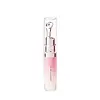
This lip moisturizer is formulated around Ascorbyl Tetraisopalmitate and Palmitoyl Tripeptide-1 to hydrate lips.
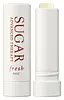
This barrier-repair lip moisturizer is formulated around Simmondsia Chinensis Seed Oil and Vitis Vinifera Seed Oil to strengthen the lip barrier and hydrate lips.


What's inside
What's inside
 Key Ingredients
Benefits
Concerns
Ingredients Side-by-side
Petrolatum
Emollient



Hydrogenated Polyisobutene
EmollientOctyldodecanol
Emollient
Polyglyceryl-2 Triisostearate
Emulsifying

Triisostearyl Citrate
EmollientC10-30 Cholesterol/Lanosterol Esters
Emulsifying
Ascorbyl Tetraisopalmitate
Antioxidant


Ethylene/Propylene/Styrene Copolymer
Ricinus Communis Seed Oil
Masking
Squalane
Emollient

Dipalmitoyl Hydroxyproline
Skin Conditioning
Sodium Hyaluronate
Humectant

Butyrospermum Parkii Butter
Skin Conditioning

Tocopherol
Antioxidant

Hydrogenated Castor Oil
Emollient
Palmitoyl Tripeptide-1
Skin Conditioning


Ceramide NP
Skin Conditioning

Ceramide Ns
Skin Conditioning
Ceramide As
Skin Conditioning
Ceramide EOP
Skin Conditioning
Ceramide AP
Skin Conditioning
Parfum
Masking
Butylene/Ethylene/Styrene Copolymer
Ethylhexyl Palmitate
Emollient
Disodium EDTA
ChelatingTribehenin
Emollient
Sorbitan Isostearate
Emulsifying
Pentaerythrityl Tetra-Di-T-Butyl Hydroxyhydrocinnamate
Antioxidant
Glycerin
Humectant
Hydrogenated Lecithin
Emulsifying
Petrolatum, Hydrogenated Polyisobutene, Octyldodecanol, Polyglyceryl-2 Triisostearate, Triisostearyl Citrate, C10-30 Cholesterol/Lanosterol Esters, Ascorbyl Tetraisopalmitate, Ethylene/Propylene/Styrene Copolymer, Ricinus Communis Seed Oil, Squalane, Dipalmitoyl Hydroxyproline, Sodium Hyaluronate, Butyrospermum Parkii Butter, Tocopherol, Hydrogenated Castor Oil, Palmitoyl Tripeptide-1, Ceramide NP, Ceramide Ns, Ceramide As, Ceramide EOP, Ceramide AP, Parfum, Butylene/Ethylene/Styrene Copolymer, Ethylhexyl Palmitate, Disodium EDTA, Tribehenin, Sorbitan Isostearate, Pentaerythrityl Tetra-Di-T-Butyl Hydroxyhydrocinnamate, Glycerin, Hydrogenated Lecithin
Cera Alba
Emollient
Simmondsia Chinensis Seed Oil
Emollient
Hydrogenated Olive Oil Decyl Esters
Emulsion Stabilising
Hydrogenated Palm Kernel Glycerides
EmollientRicinus Communis Seed Oil
Masking
Vitis Vinifera Seed Oil
Emollient
Ethylhexyl Palmitate
Emollient
Parfum
Masking
Hydrogenated Palm Glycerides
Emollient
Theobroma Grandiflorum Seed Butter
Skin Conditioning
Prunus Domestica Seed Oil
Skin Conditioning
Copernicia Cerifera Wax
Limnanthes Alba Seed Oil
Skin Conditioning
Hydrogenated Vegetable Oil
Emollient
Passiflora Incarnata Seed Oil
Skin Protecting
Sucrose Tetrastearate Triacetate
Emollient
Crithmum Maritimum Extract
Skin ConditioningCommiphora Mukul Resin Extract
Skin ConditioningRibes Nigrum Seed Oil
Emollient
Tocopherol
Antioxidant
Ascorbyl Tetraisopalmitate
Antioxidant
Tocopheryl Acetate
Antioxidant
Ascorbyl Palmitate
Antioxidant
PEG-6 Isostearate
Emulsifying
Caprylic/Capric Triglyceride
Masking
Ammonium Glycyrrhizate
MaskingTrihydroxystearin
Skin Conditioning
Hesperetin Laurate
Antioxidant
Vanillin
Masking
Butylene Glycol
Humectant
BHT
Antioxidant
Caprylyl Glycol
Emollient
Sodium Hyaluronate
Humectant
Hexylene Glycol
EmulsifyingPhenoxyethanol
Preservative
Limonene
Perfuming
Citral
Perfuming
Benzyl Alcohol
Perfuming
Linalool
Perfuming
Geraniol
Perfuming
Cera Alba, Simmondsia Chinensis Seed Oil, Hydrogenated Olive Oil Decyl Esters, Hydrogenated Palm Kernel Glycerides, Ricinus Communis Seed Oil, Vitis Vinifera Seed Oil, Ethylhexyl Palmitate, Parfum, Hydrogenated Palm Glycerides, Theobroma Grandiflorum Seed Butter, Prunus Domestica Seed Oil, Copernicia Cerifera Wax, Limnanthes Alba Seed Oil, Hydrogenated Vegetable Oil, Passiflora Incarnata Seed Oil, Sucrose Tetrastearate Triacetate, Crithmum Maritimum Extract, Commiphora Mukul Resin Extract, Ribes Nigrum Seed Oil, Tocopherol, Ascorbyl Tetraisopalmitate, Tocopheryl Acetate, Ascorbyl Palmitate, PEG-6 Isostearate, Caprylic/Capric Triglyceride, Ammonium Glycyrrhizate, Trihydroxystearin, Hesperetin Laurate, Vanillin, Butylene Glycol, BHT, Caprylyl Glycol, Sodium Hyaluronate, Hexylene Glycol, Phenoxyethanol, Limonene, Citral, Benzyl Alcohol, Linalool, Geraniol
Reviews
Ingredients Explained
These ingredients are found in both products.
Ingredients higher up in an ingredient list are typically present in a larger amount.
Ascorbyl Tetraisopalmitate is a version of ascorbic acid, or Vitamin C.
This ingredient has many benefits including reducing wrinkles, skin soothing, dark spot fading, and fighting against free radicals.
It helps with dark spot fading by interfering with the process of skin darkening, helping to reduce hyperpigmentation. Like other forms of vitamin C, this ingredient encourages the skin to create more collagen.
As an antioxidant, it helps fight free-radicals. Free-radicals are molecules that may damage your skin cells.
One study found Ascorbyl Tetraisopalmitate to degrade in sunlight, but is stabilized when combined with acetyl zingerone.
Learn more about Ascorbyl TetraisopalmitateEthylhexyl Palmitate, also known as octyl palmitate, is created from 2-ethylhexyl alcohol and palmitic acid.
In cosmetics, it plays many roles:
One thing worth noting: a controlled study found this ingredient applied under occlusion to acne-prone subjects increased microcomedones. Just keep in mind this was under occlusive conditions and don't reflect how most products are used day-to-day.
For most people, this is a well-tolerated and lightweight ingredient.
This ingredient may not be fungal acne safe because it is an ester of palmitic acid, a C16 fatty acid that falls within the C11-24 range that Malassezia can metabolize.
You'll see this one rated 4 comedogenic all over the internet. That number isn't from a single study, and the actual research is more interesting.
The original rating comes from 1980s rabbit ear tests (which are a shaky basis for anything). But Ethylhexyl Palmitate is one of the few ingredients with real human data behind it. A 2021 controlled trial found this ingredient increased microcomedones by an average of 365% over four weeks.
Just know that test used the pure ingredient under an occlusive pad on back skin; most products use it at much lower levels alongside other ingredients and plenty of people use those with no issue.
Learn more about Ethylhexyl PalmitateParfum is a catch-all term for an ingredient or more that is used to give a scent to products.
Also called "fragrance", this ingredient can be a blend of hundreds of chemicals or plant oils. This means every product with "fragrance" or "parfum" in the ingredients list is a different mixture.
For instance, Habanolide is a proprietary trade name for a specific aroma chemical. When used as a fragrance ingredient in cosmetics, most aroma chemicals fall under the broad labeling category of “FRAGRANCE” or “PARFUM” according to EU and US regulations.
The term 'parfum' or 'fragrance' is not regulated in many countries. In many cases, it is up to the brand to define this term.
For instance, many brands choose to label themselves as "fragrance-free" because they are not using synthetic fragrances. However, their products may still contain ingredients such as essential oils that are considered a fragrance by INCI standards.
One example is Calendula flower extract. Calendula is an essential oil that still imparts a scent or 'fragrance'.
Depending on the blend, the ingredients in the mixture can cause allergies and sensitivities on the skin. Some ingredients that are known EU allergens include linalool and citronellol.
Parfum can also be used to mask or cover an unpleasant scent.
The bottom line is: not all fragrances/parfum/ingredients are created equally. If you are worried about fragrances, we recommend taking a closer look at an ingredient. And of course, we always recommend speaking with a professional.
Learn more about ParfumThis ingredient is also known as castor oil. It is a skin conditioning ingredient.
The star component of castor oil is ricinoleic acid, an unusual fatty acid that makes up ~80-92% of its composition.
In skincare, it is an emollient that dries down to a solid film with water-binding properties. This helps keep skin hydrated and helps reduce transepidermal water loss (TEWL).
A 2026 dermatology review pulls together its broader uses:
Human clinical testing found this ingredient to be non-irritating and non-sensitizing.
Because castor oil contains fatty acids in the C11-24 range, this ingredient may not be fungal acne safe.
At this time, the literature does not support castor oil in regrowing hair. A 2022 systematic review found no strong evidence that it supports hair growth and only weak evidence that it improves hair shine.
Castor oil itself carries "perfuming" and "masking" function tags according to the official CosIng database. This is because of its mild odor and odor-dampening properties.
Learn more about Ricinus Communis Seed OilSodium Hyaluronate is the salt form of hyaluronic acid. It is a long sugar chain that is naturally found in your skin, joints, and connective tissue that maintains hydration and elasticity.
In skincare, it works as a humectant. It pulls water from the environment and deeper layers of skin and binds it to the surface.
Interestingly, the size of the molecule affects its behavior:
Some clinical evidence links low molecular weight versions to improved wrinkle depth, elasticity, anti-inflammatory effects, and barrier repair.
Many serums use a blend of both weights so you can get surface hydration plus longer-lasting and deeper effects.
You'll typically see concentrations between 0.1-2% for this ingredient.
Learn more about Sodium HyaluronateTocopherol is a fat-soluble antioxidant known as Vitamin E.
You'll find this ingredient in the vast majority of skincare (for good reason). It works to neutralize free radicals, or unstable molecules generated by UV exposure, pollution, and other environmental stressors, before they can cause oxidative damage to your skin cells.
Topically applied tocopherol has been shown to protect against UV damage by ramping up the skin's own natural defense enzymes.
It also acts as a skin conditioning agent; some studies show that regular topical use can improve the skin's water-binding capacity over 2-4 weeks.
This ingredient is especially loved for being a team player. When combined with Vitamin C, the photoprotective effect of both ingredients roughly doubles and the combo also helps reduce UV-induced DNA damage.
This ingredient has some brightening potential but it's more of a prevention ingredient than spot-fader. Cell studies show it can slow down melanin production but it's worth noting that it's not the most powerful brightener out there.
In formulations, it also serves as a stabilizer that helps protect other oxidation-prone ingredients from degrading.
Concentrations usually range from 0.1-1% in most leave-on products.
Learn more about Tocopherol

